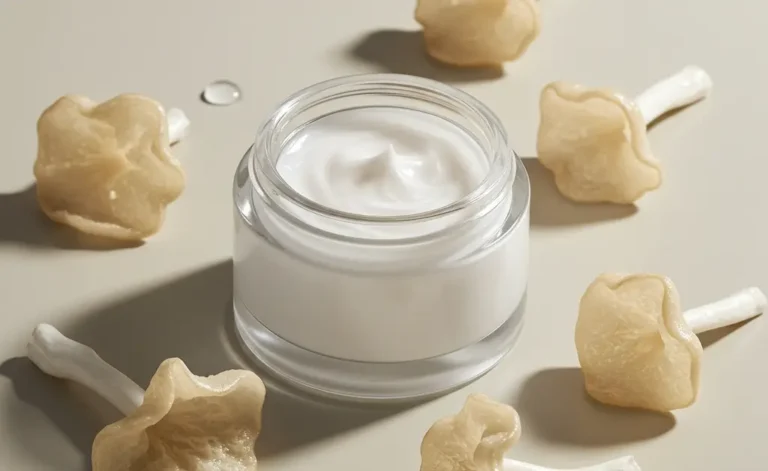

While the general public increasingly recognizes the health benefits of medicinal mushrooms, it’s often assumed their contributions are broadly interchangeable. However, a deeper look reveals distinct profiles that inform their specific applications. This nuanced understanding is crucial for harnessing their full potential. For instance, comparing maitake mushroom vs turkey tail uncovers significant differences in their bioactive compounds and mechanisms of action. This article will delve into these unique characteristics, offering a comprehensive comparison to guide informed choices about integrating these powerful fungi into a wellness regimen, moving beyond a simplistic view of their roles.
Maitake Mushroom vs Turkey Tail: Key Differences and Similarities
Origin and Characteristics
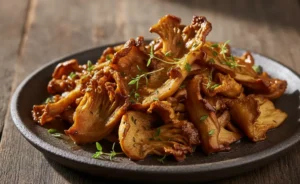
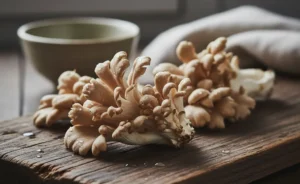
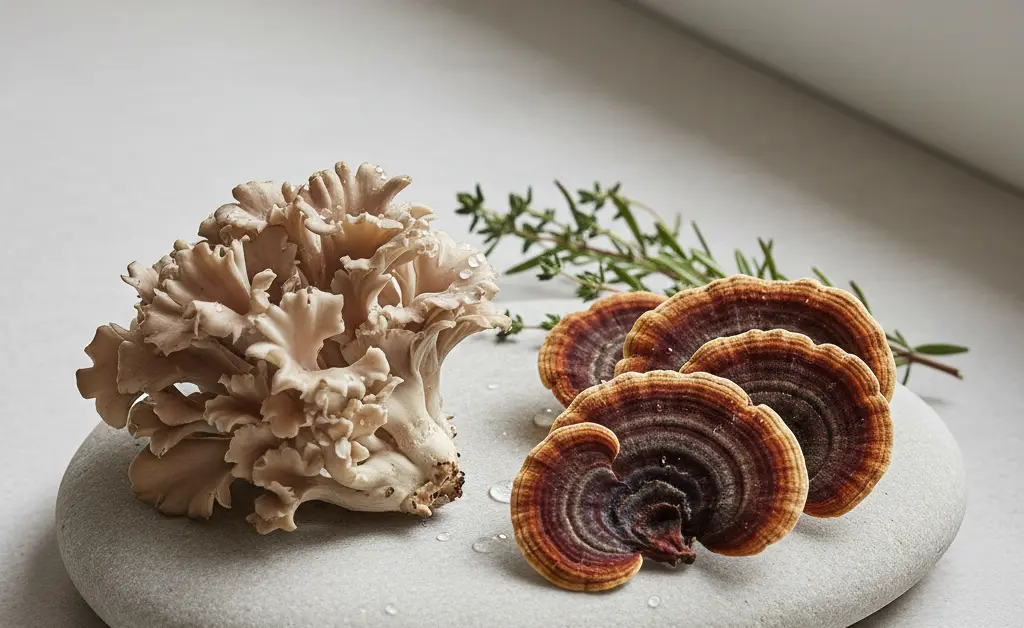
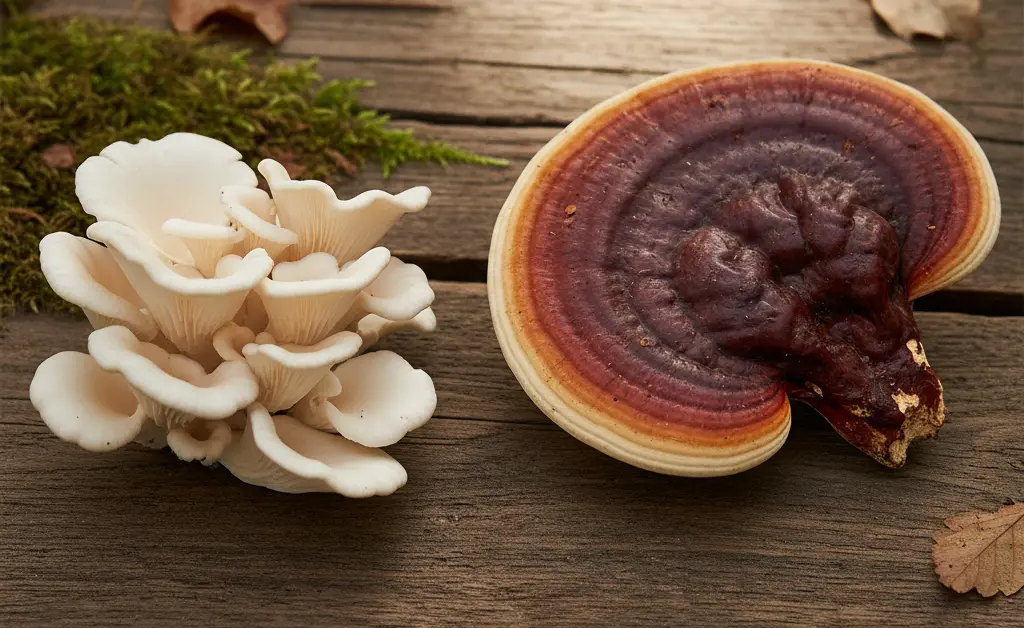
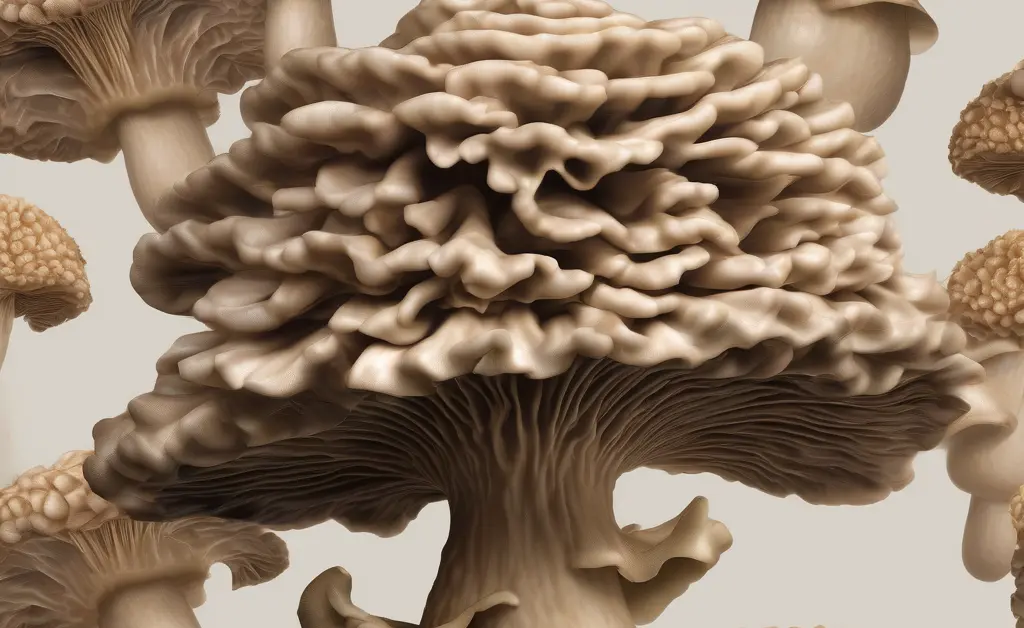
The Maitake mushroom, scientifically known as Grifola frondosa, is native to mountainous regions of Japan, China, and parts of North America. Often referred to as “Hen of the Woods” due to its distinctive appearance, it grows in large, rosette-like clusters at the base of oak, elm, and maple trees. Its fan-shaped caps, typically gray to brown, give it a ruffled, feathery look, and it possesses an earthy, rich aroma. Historically, Maitake has been prized in Traditional Chinese Medicine and Japanese herbalism for its potential health-supporting properties. Another culinary and medicinal comparison is maitake mushroom vs chicken of the woods.
In contrast, the Turkey Tail mushroom, or Trametes versicolor (formerly Coriolus versicolor), is one of the most common fungi found worldwide. It grows on dead hardwood trees and logs, characterized by its striking, shelf-like fruiting bodies with concentric rings of various colors, resembling a turkey’s tail. These rings can display shades of brown, gray, blue, green, and orange, making it easily identifiable. Unlike Maitake, Turkey Tail is thin and leathery in texture and has a long history of use in various cultures, particularly in Traditional Chinese Medicine, where it is known as “Yun Zhi.”
Key Bioactive Compounds
A fundamental distinction between Maitake and Turkey Tail lies in their unique array of bioactive compounds, particularly their polysaccharides and beta-glucans. Maitake is especially noted for its specific beta-glucan structure known as D-fraction. This compound is extensively studied for its potential to support immune health and cellular processes. The D-fraction in Maitake is a unique protein-bound polysaccharide believed to contribute significantly to its immunomodulatory effects.
Turkey Tail, on the other hand, is renowned for its two primary protein-bound polysaccharides: Polysaccharide Krestin (PSK) and Polysaccharide Peptidoglycan (PSP). PSK, also known as Krestin, has been the subject of extensive research in Japan, while PSP has been widely studied in China. Both PSK and PSP are recognized for their robust immune-supporting capabilities, working through different mechanisms to potentially enhance the body’s natural defenses and support cellular health.
Macronutrient Profiles
Both Maitake and Turkey Tail, when consumed as whole fungi, offer a generally low-calorie profile and are a source of dietary fiber. They typically contain some protein and a range of essential vitamins and minerals. Maitake, in its whole form, may provide a slightly more substantial macronutrient contribution, including various B vitamins (such as niacin and riboflavin), vitamin D precursors, and minerals like potassium, copper, and selenium. Its fiber content can contribute to digestive wellness. For other comparisons, one might explore maitake mushroom vs oyster mushroom.
Turkey Tail is often consumed as an extract or powder, which concentrates its bioactive compounds rather than its general macronutrients. While the whole fruiting body does contain fiber and some micronutrients, its primary value is usually derived from its concentrated polysaccharides. Both fungi are considered functional fungi, where their health benefits extend beyond basic nutrition, distinguishing them from common culinary mushrooms solely consumed for their macronutrient content.
Unique Polysaccharides and Beta-Glucans
The distinct immunomodulatory properties of Maitake and Turkey Tail largely stem from their unique polysaccharide and beta-glucan structures. Maitake’s D-fraction is a beta-(1>3)-glucan with beta-(1>6) branches. This specific molecular architecture is believed to be highly effective in activating various immune cells, including macrophages, natural killer (NK) cells, and T-cells, thereby enhancing the body’s natural immune response. This unique structure allows Maitake to act as a powerful immunomodulator, potentially supporting cellular health and overall wellness.
Turkey Tail’s PSK and PSP are also complex protein-bound polysaccharides but with different structures and mechanisms. PSK is a proteoglycan containing beta-glucans, while PSP includes a polysaccharide-peptide complex. Both are recognized for their ability to support the production of cytokines, which are signaling molecules crucial for immune communication, and for enhancing the activity of various immune cells. These compounds are believed to strengthen the body’s defense mechanisms, contributing to overall immune resilience and supporting healthy cell signaling.
Other Distinguishing Constituents
Beyond their renowned polysaccharides and beta-glucans, Maitake and Turkey Tail possess other distinct constituents that contribute to their unique health profiles. Maitake contains ergosterols, which are precursors to vitamin D, and a variety of amino acids. It also features triterpenes, which are organic compounds studied for their potential anti-inflammatory properties and their role in maintaining healthy metabolic function. These additional compounds may contribute to Maitake’s broader adaptogenic qualities and its studied associations with healthy blood sugar and cholesterol levels. To further explore different types of functional fungi, consider maitake mushroom vs lions mane.
Turkey Tail is notable for its rich content of phenolic compounds and flavonoids, which are powerful antioxidants. These compounds help protect cells from oxidative stress by neutralizing free radicals. Furthermore, Turkey Tail contains glycoproteins and other secondary metabolites that may contribute to its adaptogenic and immune-supporting effects. The presence of these diverse bioactive molecules in each medicinal mushroom underscores their distinct biological activities and potential applications in wellness.
Comparative Health Benefits
Primary Health Focus Areas
Maitake mushroom and Turkey Tail mushroom each offer a distinct array of health benefits, making them suitable for different wellness goals. Maitake is often highlighted for its potential role in supporting healthy metabolic function. Research has explored its traditional use in potentially helping to maintain healthy blood sugar levels already within a normal range and supporting cholesterol management. It is also recognized for its adaptogenic properties, which may help the body adapt to various stressors and support overall cellular health.
Turkey Tail, conversely, is primarily celebrated for its robust immune-supporting capabilities. It has been extensively researched for its potential to enhance immune response and foster resilience against various environmental challenges. Its traditional and modern applications heavily emphasize its role as an immune modulator, supporting the body’s natural defenses and contributing to general immune health. This clear distinction helps individuals tailor their mushroom supplementation to specific needs.
Immune Support Mechanisms
While both fungi support the immune system, their mechanisms differ. Maitake’s primary immune support comes from its D-fraction, a unique beta-glucan. This compound is believed to activate key immune cells like macrophages, natural killer (NK) cells, and T-cells, thereby modulating the immune response. By stimulating these components, Maitake may help the body mount a more efficient and balanced defense, contributing to cellular health and immune resilience.
Turkey Tail’s immune benefits are largely attributed to its polysaccharide Krestin (PSK) and polysaccharide peptidoglycan (PSP). These protein-bound polysaccharides are thought to stimulate the production of various cytokines, which are essential signaling proteins for immune communication. PSK and PSP may also enhance the activity of lymphocytes and NK cells, bolstering the body’s innate and adaptive immune responses. The comprehensive immune support provided by Turkey Tail makes it a cornerstone of many immune wellness strategies.
Antioxidant Activity
Both Maitake and Turkey Tail possess antioxidant properties, which are crucial for protecting cells from oxidative damage caused by free radicals. Maitake contains various compounds, including ergothioneine, which contribute to its antioxidant capacity, supporting cellular integrity and overall health. Its antioxidant effects may play a role in its broader adaptogenic benefits.
Turkey Tail is particularly rich in powerful antioxidants, including polyphenols and flavonoids. These compounds are highly effective at scavenging free radicals, helping to reduce oxidative stress throughout the body. The robust antioxidant activity of Turkey Tail complements its immune-supporting functions, contributing to cellular health and potentially mitigating the effects of environmental stressors on the immune system.
Gut Health Contributions
Emerging research increasingly highlights the intricate link between gut health and overall well-being, including immune function. Both Maitake and Turkey Tail are considered prebiotics due to their significant fiber and polysaccharide content. These components are not digested by human enzymes but serve as nourishment for beneficial bacteria in the gut microbiome. A thriving gut microbiome is associated with improved digestion, nutrient absorption, and a stronger immune system.
Maitake’s polysaccharides can help support a balanced gut environment, potentially influencing the diversity and activity of gut flora. Similarly, Turkey Tail’s PSK and PSP may also contribute to a healthy gut, indirectly benefiting the immune system and general wellness. By supporting the gut microbiome, both medicinal fungi play a role in systemic health, demonstrating their holistic impact beyond specific target areas.
Other Systemic Effects
Beyond their primary immune and metabolic focuses, Maitake and Turkey Tail offer additional systemic benefits. Maitake is studied for its potential anti-inflammatory properties, which may contribute to overall comfort and cellular health. It may also support liver health and detoxification processes, contributing to the body’s natural cleansing mechanisms and overall vitality.
Turkey Tail, while primarily known for immune modulation, also exhibits adaptogenic qualities, helping the body manage and adapt to various physical and mental stressors. Its potential anti-inflammatory and antiviral properties contribute to its reputation as a broad-spectrum functional fungi, supporting not only immune function but also general resilience and well-being. Both mushrooms, through their complex bioactive compounds, contribute to a comprehensive approach to health.
Tailoring to Specific Needs
Choosing between Maitake and Turkey Tail, or deciding to use both, often depends on individual health goals. If the primary focus is on supporting metabolic balance, such as maintaining healthy blood sugar and cholesterol levels already within a normal range, or supporting cellular health and overall vitality, Maitake mushroom may be a preferred choice. Its adaptogenic properties also make it suitable for general wellness and resilience. Comparing maitake mushroom vs shiitake also reveals distinct health profiles.
Conversely, if the main objective is robust immune system support, especially for overall resilience, defense against environmental challenges, and bolstering cellular immune responses, Turkey Tail is often recommended. Its well-researched PSK and PSP compounds make it a powerful ally for immune health. Understanding the nuanced differences between maitake mushroom vs turkey tail allows for a more targeted and effective approach to integrating these powerful functional fungi into a personal wellness regimen.
Potential for Combined Consumption
Given their distinct yet complementary profiles, many proponents of medicinal mushrooms suggest that combining Maitake and Turkey Tail may offer synergistic benefits. This approach leverages Maitake’s strengths in metabolic support, cellular health, and general vitality with Turkey Tail’s powerful and broad-spectrum immune-modulating capabilities. By consuming both, individuals may benefit from a more comprehensive range of bioactive compounds, potentially leading to enhanced overall wellness outcomes.
A combined regimen could provide a more holistic support system, addressing various aspects of health simultaneously. For instance, Maitake’s potential contributions to metabolic balance could complement Turkey Tail’s immune system fortification, creating a robust adaptogenic and immunomodulatory effect. Consulting with a healthcare professional can help determine if a combined approach is suitable for specific individual needs and health goals. Reliable health information is also available from organizations like the CDC.
The choice between Maitake and Turkey Tail, while distinct in their primary health benefits, ultimately comes down to individual wellness goals. Maitake shines in areas of metabolic support and overall cellular health, offering properties that may assist with blood sugar and cholesterol management already within a normal range. Turkey Tail stands out for its profound immune-modulating capabilities, particularly through its well-researched PSK and PSP compounds, providing broad-spectrum immune defense. Understanding the specific attributes of maitake mushroom vs turkey tail empowers individuals to make informed decisions, harnessing the unique strengths of each functional fungi for a more targeted approach to health and vitality.
This article aims to inform, not to replace professional healthcare advice. The information presented is for general knowledge and informational purposes only, and does not constitute medical advice. It is essential to consult with a qualified healthcare professional before making any decisions about your health or starting any new dietary supplement regimen, especially if you have existing health conditions or are taking medications. Individual responses to supplements may vary.
FAQ
— What is the main difference between Maitake and Turkey Tail mushrooms?
The primary distinction in maitake mushroom vs turkey tail lies in their most researched active compounds and their primary traditional uses. While both are recognized for supporting immune function, Maitake is especially noted for its unique beta-glucan, D-fraction, and its potential role in metabolic health. Turkey Tail, conversely, is widely studied for its protein-bound polysaccharides, PSK and PSP, which are significant for robust immune modulation.
— What are the unique properties of Maitake compared to Turkey Tail?
Maitake mushroom is particularly recognized for its potent beta-glucan compound, known as D-fraction, which has been studied for its distinctive interactions with immune cells and its relevance to glucose metabolism. In contrast, Turkey Tail is notable for its specific protein-bound polysaccharides, PSK (polysaccharide K) and PSP (polysaccharopeptide), which are well-researched for their comprehensive immune-modulating effects across various bodily systems.
— Which mushroom is better for immune support, Maitake or Turkey Tail?
Both Maitake and Turkey Tail are highly valued for their contributions to immune health, each through distinct mechanisms. Turkey Tail is extensively studied for its broad spectrum of immune-modulating polysaccharides like PSK and PSP, making it a focus in clinical research regarding various aspects of immune function. Maitake, with its unique D-fraction beta-glucan, also plays a significant role in supporting the body’s immune responses, particularly through its influence on specific immune cells.
— Do Maitake and Turkey Tail offer similar health benefits?
While both mushrooms are recognized for their robust immune-supporting properties, they do offer some distinct health benefits. Both contain beneficial beta-glucans that interact with the immune system, but Maitake is additionally noted for its potential influence on blood sugar balance. Turkey Tail, with its unique polysaccharide peptides, is often highlighted for its broader systemic immune modulation.
— Can you take Maitake and Turkey Tail mushrooms together?
Combining Maitake and Turkey Tail mushrooms is a common practice in many functional mushroom formulations. The diverse array of active compounds in each mushroom, such as Maitake’s D-fraction and Turkey Tail’s PSK and PSP, may offer a complementary approach to supporting overall wellness. Many believe that using them together could provide a broader spectrum of benefits for the body’s systems.
— Is one mushroom stronger than the other for general wellness?
It’s not accurate to label one mushroom as inherently “stronger” than the other for general wellness, as each possesses a unique profile of active compounds and benefits. Maitake is often highlighted for its metabolic support alongside immune benefits, while Turkey Tail is celebrated for its comprehensive immune-modulating polysaccharides. The effectiveness for general wellness depends on individual needs and the specific health goals one aims to address.
— Which mushroom is most anti-inflammatory?
Both Maitake and Turkey Tail mushrooms contain compounds that are relevant to the body’s inflammatory responses, primarily through their interaction with the immune system. Functional mushrooms are understood to influence immune signaling pathways, which in turn can play a role in maintaining a balanced inflammatory state. Attributing a singular “most anti-inflammatory” label to either is an oversimplification, as their mechanisms are complex and interconnected with overall immune health.