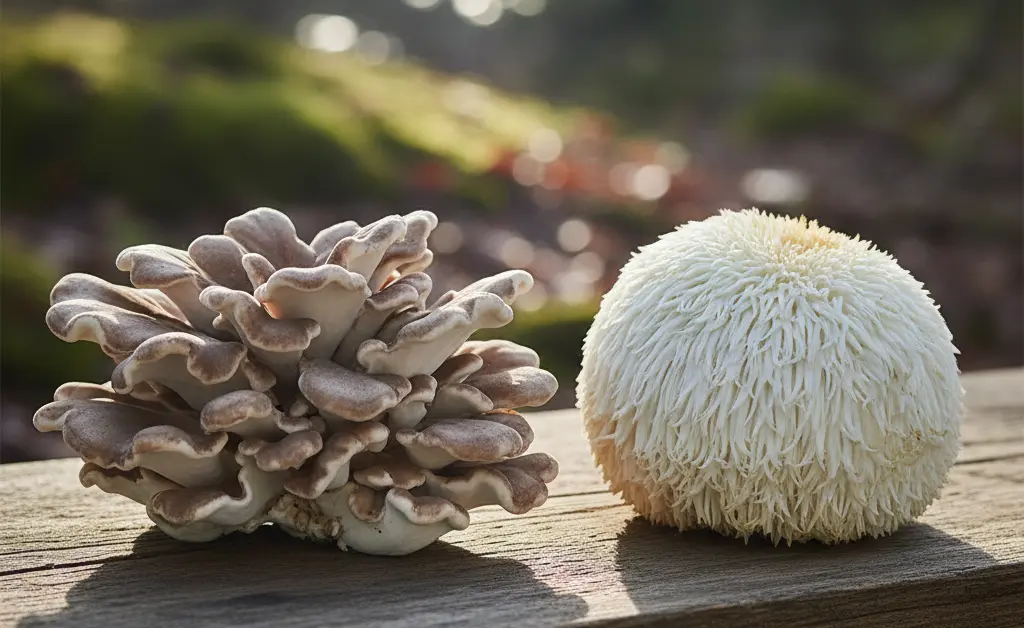
Many people assume that all beneficial mushrooms offer a similar spectrum of health advantages, often leading to a general categorization rather than a nuanced understanding. However, the world of functional fungi is far more diverse and specialized than commonly perceived. While both revered for their unique properties, distinguishing between certain species is crucial for targeting specific wellness goals effectively. This guide delves into the intricate characteristics that set maitake mushroom vs lion’s mane apart, exploring their distinct nutritional compositions, active compounds, and the specific health benefits they are known to provide. Understanding these differences empowers individuals to make informed choices, aligning their supplement or dietary selections with their personal health objectives.
Maitake Mushroom vs Lion’s Mane: A Direct Comparison
When comparing functional mushrooms, understanding their core biological differences is essential. The distinction between maitake mushroom vs lion’s mane begins at their fundamental active compounds and extends to their overall nutritional makeup, which dictates their primary health contributions. It’s also interesting to compare maitake mushroom vs shiitake for their distinct properties.
Primary Active Compounds
Maitake mushroom, scientifically known as Grifola frondosa or “Hen of the Woods,” is particularly recognized for its rich content of polysaccharides, especially beta-glucans. Among these, a specific beta-glucan called D-fraction has garnered significant attention for its potential immune-modulating properties. These compounds are believed to interact with various immune cells, supporting the body’s natural defense mechanisms and promoting overall cellular health.
In contrast, Lion’s Mane mushroom, or Hericium erinaceus, stands out due to its unique compounds known as erinacines and hericenones. These compounds are of particular interest to researchers studying neurological health. Beyond these, Lion’s Mane also contains a range of polysaccharides and beta-glucans, contributing to its overall adaptogenic and beneficial profile.
Nutritional Profiles
Both maitake mushroom and lion’s mane are excellent additions to a balanced diet, offering a spectrum of nutrients. Maitake is a source of B vitamins, including niacin, riboflavin, and folate, as well as minerals like potassium, copper, and fiber. It also contains various amino acids and antioxidants, contributing to its overall nutritional value and supporting body wellness.
Lion’s Mane shares some nutritional similarities, also providing B vitamins and essential minerals. It is known for its protein content and is a good source of dietary fiber. The overall nutritional profile of both mushroom varieties supports general health, but their distinct active compounds guide their more specialized functional applications.
Taste and Texture Comparison
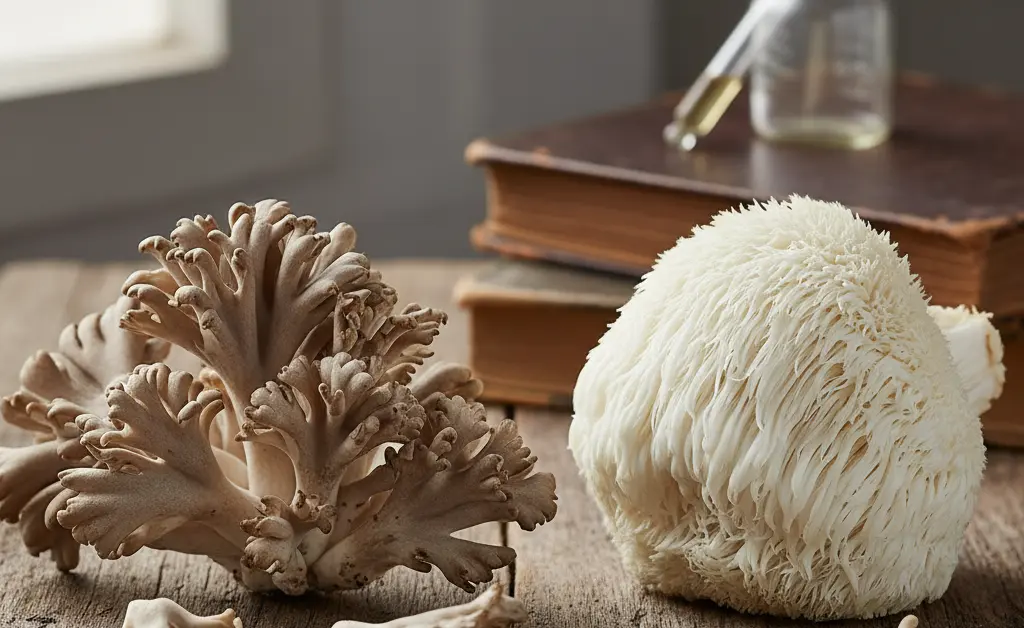
Beyond their health benefits, maitake mushroom and lion’s mane offer distinct culinary experiences, making them popular gourmet mushrooms. Maitake is prized for its earthy, rich, and slightly peppery flavor with strong umami notes. Its texture is firm yet tender when cooked, often described as meaty or feathery due to its unique, layered appearance. This makes it a versatile ingredient for various dishes, from stir-fries to roasted preparations. A comparison of maitake mushroom vs chicken of the woods also highlights diverse culinary uses. Lion’s Mane, on the other hand, presents a delicate and unique flavor often compared to seafood, such as crab or lobster, especially when lightly sautéed. Its texture is tender and slightly chewy, with a shaggy, almost hair-like appearance that sets it apart. The subtle sweetness and mild flavor of Lion’s Mane make it a favorite for those seeking to incorporate functional mushrooms into more refined culinary applications.
Comparing Health Benefits and Applications
The health benefits offered by functional mushrooms like maitake and lion’s mane, while sometimes overlapping, often target specific bodily systems. Understanding these targeted applications is key to appreciating the full scope of maitake mushroom vs lion’s mane in terms of their potential for health and wellness.
Immune System Support
Maitake mushroom is renowned for its significant potential in supporting the immune system. The specific beta-glucans, particularly the D-fraction, are studied for their ability to activate various immune cells and pathways, thereby enhancing the body’s natural defense mechanisms. It is traditionally used to promote robust immunity and is considered one of the healthiest types of mushrooms for comprehensive immune support. Another interesting comparison for immune benefits is maitake mushroom vs oyster mushroom. While Lion’s Mane also contains beta-glucans that may contribute to general immune health, its primary focus in research and traditional use is typically not centered on immunity to the same extent as Maitake. However, the overall adaptogenic nature of functional mushrooms suggests a general supportive role in maintaining body balance, including aspects of the immune response.
Cognitive and Neurological Health
Lion’s Mane mushroom is perhaps most celebrated for its profound connection to cognitive and neurological health. The unique compounds, erinacines and hericenones, are studied for their potential to support nerve growth factor (NGF) synthesis, a protein vital for the growth, maintenance, and survival of nerve cells. This makes Lion’s Mane a fascinating nootropic mushroom potentially associated with neuroprotection, improved cognitive function, and overall brain health. Many choose Lion’s Mane supplements specifically for these potential benefits.
Maitake, while beneficial for general health, is not primarily recognized for direct cognitive enhancement in the way Lion’s Mane is. Its adaptogenic properties may indirectly support mental clarity by helping the body manage stress, but it does not contain the specific compounds linked to nerve growth factor stimulation.
Digestive Wellness
Both maitake mushroom and lion’s mane can contribute to digestive wellness, largely due to their rich fiber content. Dietary fiber acts as a prebiotic, nourishing beneficial gut bacteria and supporting a healthy gut microbiome. A balanced gut is fundamental for overall health, influencing everything from nutrient absorption to immune function.
Maitake’s polysaccharides may also play a role in maintaining gut health by promoting a healthy internal environment. Similarly, Lion’s Mane, with its fiber and other beneficial compounds, supports a robust digestive system. These functional mushrooms can be a valuable addition for those looking to enhance their gut health naturally.
Blood Sugar Management
Maitake mushroom has been extensively studied for its potential role in blood sugar regulation. Research suggests that certain compounds in Maitake may help support healthy blood glucose levels already within a normal range. This makes it a popular choice among functional mushrooms for individuals focusing on metabolic balance and cardiovascular health. Its impact on blood sugar may be attributed to its ability to influence glucose metabolism and insulin sensitivity. Comparing maitake mushroom vs turkey tail also reveals interesting insights into functional fungi. While Lion’s Mane offers a wide array of health benefits, direct evidence linking it to significant blood sugar management is less prominent compared to Maitake. Its general health-promoting properties, however, contribute to overall body wellness, which indirectly supports various physiological functions, including metabolic health.
Choosing Between Maitake and Lion’s Mane
The decision to choose between maitake mushroom vs lion’s mane often depends on individual health goals, dietary preferences, and a clear understanding of their distinct benefits. While both are powerful functional mushrooms, their primary strengths lie in different areas, making one potentially more suitable than the other for specific needs. However, it’s also important to consider potential side effects and interactions.
Potential Side Effects and Interactions
Both maitake mushroom and lion’s mane are generally considered safe for most people when consumed as food or supplements. However, like any natural product, they may cause mild side effects in some individuals. These could include digestive upset such as bloating or diarrhea, particularly when first introduced or taken in larger amounts. Individuals with known mushroom allergies should exercise caution. It is always prudent to consult with a healthcare professional before adding any new supplement to your regimen, especially for those with pre-existing health conditions or who are taking medications, to understand any potential interactions. Organizations like the WHO often provide guidelines on health and wellness.
Can They Be Taken Together?
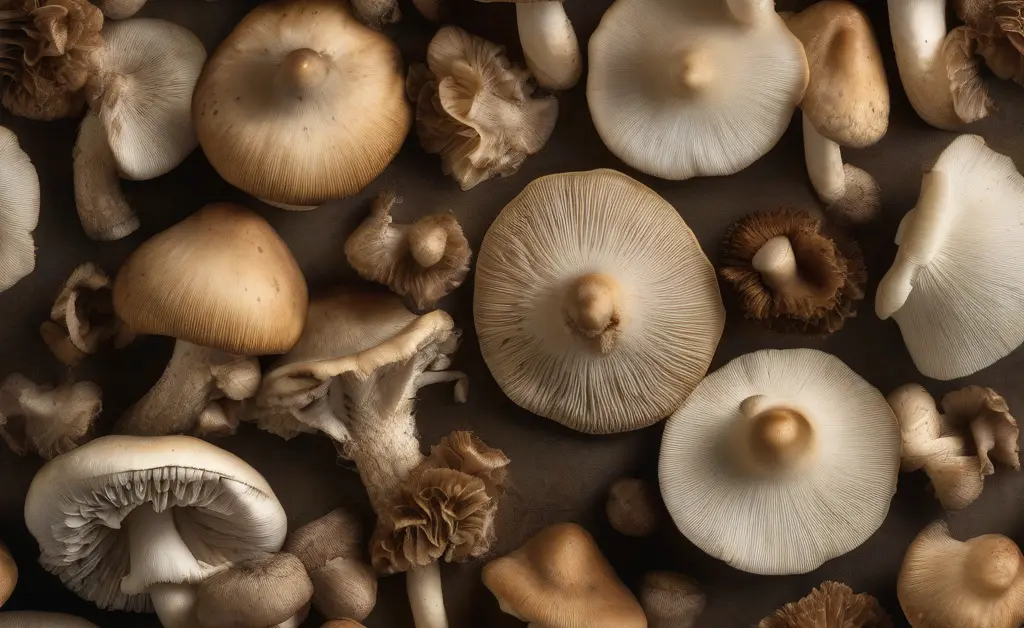
Given their distinct yet complementary benefits, maitake mushroom and lion’s mane can often be taken together. Many functional mushroom enthusiasts choose to incorporate multiple varieties into their daily routine to harness a broader spectrum of health advantages. Combining them allows individuals to potentially benefit from Maitake’s immune and blood sugar support alongside Lion’s Mane’s cognitive and neurological benefits. As always, it is advisable to start with small amounts to assess individual tolerance and to discuss any combination with a healthcare provider to ensure it aligns with your personal health profile and goals.
The choice between maitake mushroom vs lion’s mane ultimately depends on an individual’s specific wellness objectives. Maitake stands out for its profound immune-modulating properties and potential role in blood sugar regulation, while Lion’s Mane is predominantly recognized for its unique contributions to cognitive and neurological health. Both offer significant nutritional value and general adaptogenic support, making them valuable additions to a health-conscious lifestyle. Understanding their distinct characteristics empowers individuals to make informed decisions that best support their journey toward optimal health.
The information in this article is intended for knowledge purposes only. It is not a substitute for professional medical advice, diagnosis, or treatment. Always seek the advice of your physician or other qualified health provider with any questions you may have regarding a medical condition. Never disregard professional medical advice or delay in seeking it because of something you have read in this article.
FAQ
— What is the main difference between maitake and lion’s mane?
Maitake (Grifola frondosa) grows in unique, layered clusters resembling a dancing hen, known for its adaptogenic qualities and support for metabolic health. Lion’s Mane (Hericium erinaceus), by contrast, has a distinct shaggy, cascading appearance and is primarily valued for its potential cognitive and nerve support.
— What are the health benefits of maitake vs lion’s mane?
Maitake is primarily recognized for its potential role in supporting immune function and contributing to healthy blood sugar metabolism. Lion’s Mane is widely studied for its unique compounds that may support cognitive health and nerve cell growth, making it a focus for brain-related wellness.
— Is maitake or lion’s mane better for immunity?
Maitake contains specific beta-glucans, such as grifolan, which are extensively studied for their immune-modulating properties and role in immune cell activation. When considering maitake mushroom vs lion’s mane for immunity, maitake is often the more recognized and researched option due to these distinct compounds.
— Which mushroom is better for brain health, maitake or lion’s mane?
Lion’s Mane stands out for brain health due to its unique compounds, hericenones and erinacines, which are known to influence nerve growth factor (NGF) production. This makes it particularly relevant for cognitive function and nerve support. While maitake offers overall wellness benefits, it is not primarily associated with these specific neuroprotective mechanisms.
— Can you take maitake and lion’s mane together?
Many individuals choose to incorporate both maitake and lion’s mane into their wellness routines. As they are associated with different biological pathways and distinct benefits, combining them can offer a broader spectrum of functional support. It is generally understood that these mushrooms complement each other rather than conflict.
— Do maitake and lion’s mane have similar side effects?
Both maitake and lion’s mane are generally well-tolerated when consumed appropriately. While specific sensitivities can vary from person to person, any mild digestive upset would be considered a general possibility for either, rather than a unique or shared side effect pattern. It is always wise to observe individual responses when introducing new dietary components.