Understanding the distinct characteristics of different culinary mushrooms can significantly enhance your cooking, allowing for more informed choices that complement specific dishes and dietary needs. For home cooks and culinary enthusiasts alike, discerning between varieties offers an opportunity to elevate flavor profiles and nutritional intake. This becomes particularly relevant when comparing two popular and versatile options: maitake mushroom vs oyster mushroom. While both are celebrated for their unique textures and earthy notes, they offer differing sensory experiences and nutritional benefits. This comprehensive guide will explore their individual attributes, from appearance and flavor to nutritional composition and culinary applications, to help you confidently select the ideal mushroom for your next meal. By highlighting these differences, consumers can better appreciate the unique contributions each fungi brings to the table, ensuring optimal enjoyment and health benefits.
Maitake mushroom vs oyster mushroom: An Overview
Brief Introduction to Maitake and Oyster Mushrooms
The culinary world is rich with diverse edible mushrooms, each bringing its own unique qualities to the table. When considering the maitake mushroom vs oyster mushroom, we delve into two distinct and highly prized fungi. Maitake mushrooms, scientifically known as Grifola frondosa, are often recognized by their captivating, frilly, and layered appearance, resembling a dancing hen, hence their common name “Hen of the Woods” or “dancing mushroom.” These mushrooms are typically found growing at the base of trees in the wild, though they are also cultivated. They are celebrated not only for their robust, earthy flavor but also for their traditional uses, which often highlight their potential immune-supporting properties, particularly due to their beta-glucan content. Their firm texture and rich umami flavor make them a favorite among gourmet enthusiasts. Further exploration might also compare the unique attributes of maitake mushroom vs shiitake for a broader understanding of edible fungi.
Oyster mushrooms, encompassing several species within the Pleurotus genus (most commonly Pleurotus ostreatus), are among the most popular and accessible cultivated mushrooms worldwide. Characterized by their distinct fan or oyster-shell shape and delicate texture, they grow in beautiful clusters on trees or other woody substrates. Oyster mushrooms offer a milder, slightly sweet flavor profile compared to maitake, making them incredibly versatile in a wide array of culinary applications. Their widespread availability and ease of cultivation contribute to their status as a staple for both home cooks and professional chefs. While both fungi provide nutritional benefits, their individual characteristics set them apart, guiding culinary choices based on desired taste and texture.
Detailed Comparison of Maitake and Oyster Mushrooms
Comparative Appearance and Texture
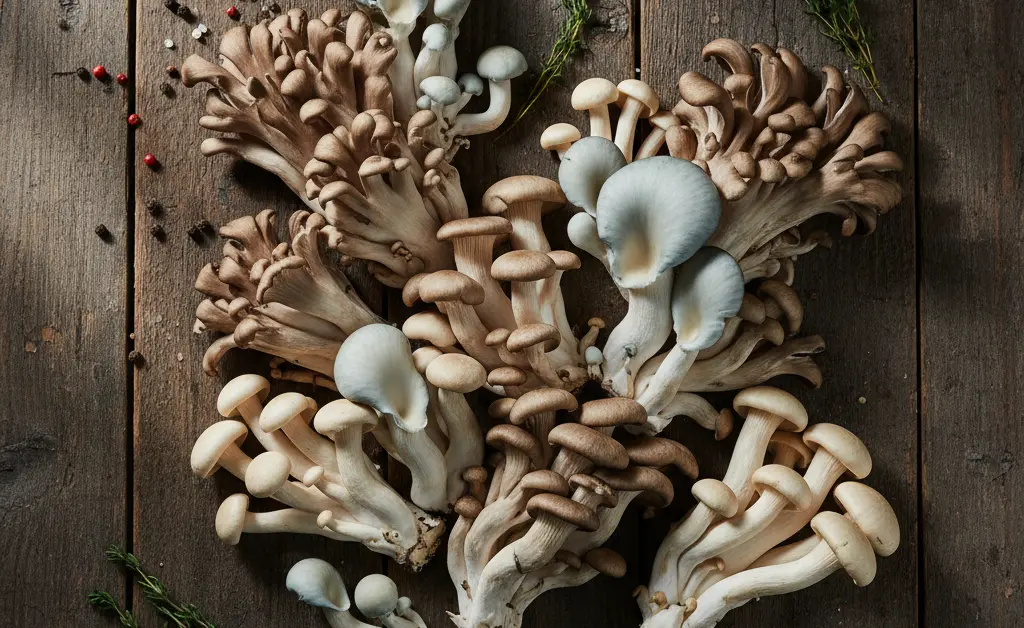
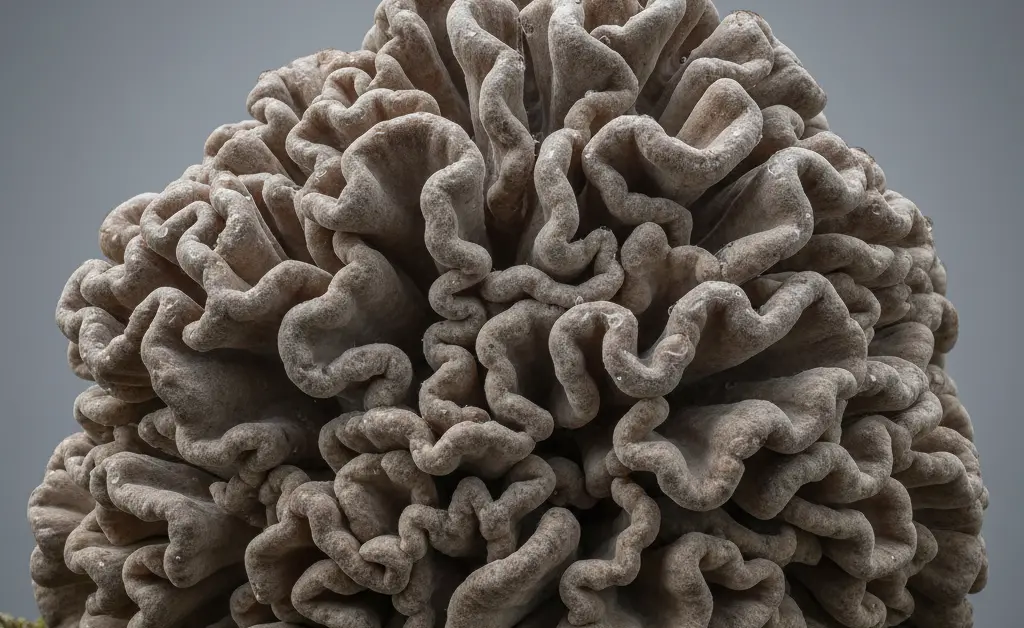
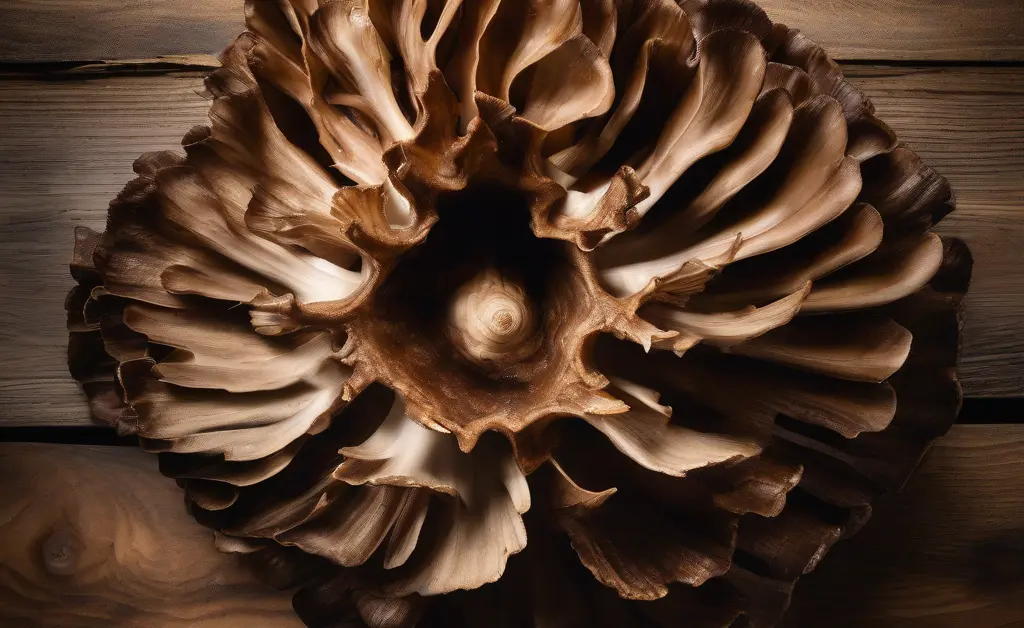
When examining the maitake mushroom vs oyster mushroom, their visual and tactile attributes immediately present clear differences. Maitake mushrooms exhibit a distinctive appearance, growing in large, frilly, and ruffled clusters that often resemble a brain or a coral formation. Their caps are typically grayish-brown to tan, with a wavy, layered structure that is quite unique. The texture of maitake is firm and somewhat meaty, even slightly woody towards the base, which allows it to maintain its integrity during various cooking methods. This robust texture contributes to a satisfying mouthfeel, making it a substantial addition to many dishes. One might also distinguish between maitake mushroom vs chicken of the woods based on their unique growth patterns and culinary uses.
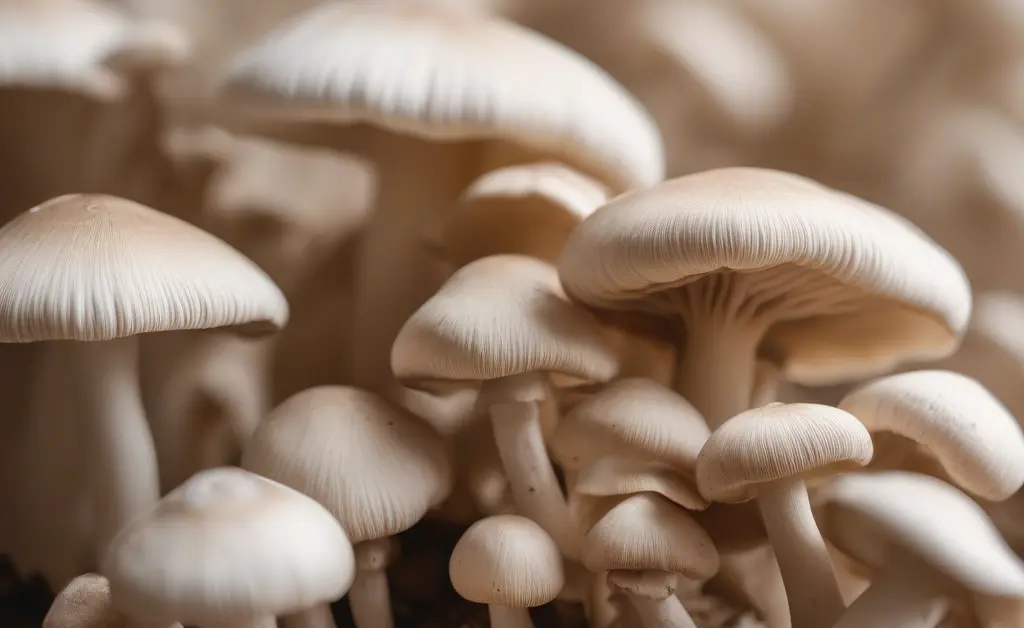
Oyster mushrooms, on the other hand, typically feature a smoother, more uniform appearance. Their caps are fan-shaped or oyster-shell shaped, growing in elegant, overlapping clusters. Colors can vary widely, from white and gray to pink and yellow, depending on the specific species. The texture of oyster mushrooms is considerably more delicate and tender than maitake. They are soft and velvety, with thin flesh that cooks quickly. The gills of oyster mushrooms usually run all the way down the short, often off-center stem, a characteristic not found in maitake. This delicate texture makes them suitable for dishes where a softer bite is desired, but it also means they require shorter cooking times to avoid becoming overly soft.
Comparative Flavor Profiles
The flavor profile is a primary factor in choosing between a maitake mushroom vs oyster mushroom. Maitake mushrooms are celebrated for their rich, earthy flavor, imbued with a pronounced umami depth. This savory flavor is often described as robust, slightly peppery, and sometimes with woody undertones, making them a powerful ingredient that can stand alone or enhance complex dishes. The intensity of maitake’s flavor makes it a focal point in many recipes, imparting a deep, mushroomy essence that is distinctive and memorable. It pairs well with other strong flavors and can transform a simple meal into a gourmet experience.
Oyster mushrooms offer a much milder and more subtle flavor. They are often described as having a delicate, slightly sweet, and sometimes nutty taste. While they also possess umami notes, these are typically less intense than those found in maitake. Their gentle flavor allows them to absorb and complement the tastes of other ingredients in a dish without overpowering them. This versatility makes oyster mushrooms a wonderful addition to a wide range of cuisines, from stir-fries to soups, where they can add a pleasant mushroom aroma and a delicate savory flavor without becoming the dominant element.
Nutritional Content Comparison
Both maitake and oyster mushrooms are nutritious additions to any diet, offering a range of vitamins, minerals, and other beneficial compounds. However, their specific nutritional benefits can differ. Maitake mushrooms are particularly renowned for their potentially beneficial polysaccharides, especially beta-glucans, which have been studied for their immune-supporting properties. Information on such studies can often be found through resources like the NIH. They also provide B vitamins (such as niacin and riboflavin), vitamin D, potassium, and antioxidants. These nutritional attributes contribute to their reputation for supporting overall health and well-being, making them more than just a culinary delight.
Oyster mushrooms are also a good source of nutrition, offering protein, dietary fiber, and various B vitamins. They contain minerals like copper, iron, and zinc. While they may not have the same concentration of specific polysaccharides as maitake, they still contribute to a balanced diet and offer general health benefits associated with edible fungi. Both varieties are low in calories and fat, making them excellent choices for those looking to add flavor and texture to meals while maintaining a healthy nutritional profile. The primary nutritional value difference often lies in the specific bioactive compounds, with maitake often highlighted for its unique immune-modulating components. For those interested in other comparisons, exploring maitake mushroom vs turkey tail can reveal further insights into their functional benefits.
Culinary Uses and Versatility Comparison
The culinary applications of maitake and oyster mushrooms differ significantly due to their distinct textures and flavor profiles. Maitake mushrooms, with their firm texture and rich, earthy umami flavor, excel in dishes where they can be the star. They are excellent for roasting, grilling, or sautéing, where their meaty texture and robust taste can truly shine. Their structure holds up well to longer cooking times and bolder seasonings, making them ideal for stir-fries, stews, and even as a meat substitute. They are particularly favored in Japanese cuisine, often used in hot pots, tempura, or simply pan-fried to crispy perfection, allowing their unique characteristics to stand out.
Oyster mushrooms, given their delicate texture and mild flavor, are incredibly versatile and can be incorporated into a broader range of dishes. They cook quickly and can be sautéed, stir-fried, added to soups, or used in sauces. Their ability to absorb flavors makes them a chameleon in the kitchen, complementing everything from pasta dishes to omelets. They are often used to add a subtle mushroom presence without overpowering other ingredients. Varieties like king oyster mushrooms, with their thicker stems, offer a firmer texture that can be sliced and seared, mimicking scallops, demonstrating the diverse culinary uses within the oyster mushroom family. Whether lightly cooked as a garnish or integrated into a complex sauce, oyster mushrooms offer immense flexibility.
Accessibility, Rarity, and Cost
Considering the accessibility, rarity, and cost is another important aspect when comparing maitake mushroom vs oyster mushroom. Oyster mushrooms are widely cultivated globally, making them one of the most accessible and popular gourmet mushrooms available in supermarkets year-round. Their ease of cultivation contributes to their relatively lower cost compared to many other specialty fungi. This widespread availability and affordability make them a common choice for everyday cooking, allowing consumers to regularly enjoy their delicate texture and mild flavor without significant expense.
Maitake mushrooms, while also cultivated, are generally less common and can be more expensive than oyster mushrooms. Wild maitake, often referred to as “Hen of the Woods,” can be quite rare and highly prized by foragers, commanding a higher price due to their seasonal availability and the effort involved in finding them. Even cultivated maitake tends to be sold at a premium due to slower growth rates and specific cultivation requirements. While their availability has increased with improved cultivation techniques, they often remain a specialty item found in gourmet stores or farmers’ markets rather than standard grocery aisles. This makes maitake more of a treat or an ingredient chosen for specific occasions where its unique qualities are truly desired.
Similarities Between Maitake and Oyster Mushrooms
Despite their distinct differences in appearance, texture, and flavor, maitake and oyster mushrooms share several important similarities that highlight their value in both culinary and health contexts. Both are highly regarded edible mushrooms, cherished for their savory flavor contributions and their ability to enhance a wide array of dishes. They are both versatile fungi that can be either wild-foraged or cultivated, making them accessible through different avenues. Nutritionally, both varieties offer significant health benefits, including being low in calories and fat, while providing essential vitamins, minerals, and dietary fiber. They both contribute to a healthy diet and have been traditionally appreciated for their nutritional value. Similarly, a comparison of maitake mushroom vs lions mane reveals other fascinating culinary and health perspectives.
Furthermore, both maitake and oyster mushrooms possess desirable umami characteristics, which is the savory fifth basic taste, adding depth and richness to meals. While the intensity of this umami flavor may vary, its presence in both fungi makes them excellent additions for developing complex flavor profiles in cooking. In terms of cooking methods, both mushrooms can be successfully sautéed, roasted, and added to soups or stir-fries, demonstrating their flexibility across various culinary uses. Understanding these similarities alongside their differences helps in making an informed choice when deciding between the maitake mushroom vs oyster mushroom for a particular recipe or dietary preference.
Choosing Between Maitake and Oyster Mushrooms
The choice between maitake mushroom vs oyster mushroom ultimately depends on the specific culinary outcome you desire, as well as considerations like availability and personal preference. If your recipe calls for a mushroom with a robust, earthy, and intensely umami flavor, and a firm, meaty texture that can stand up to grilling, roasting, or being the centerpiece of a dish, then maitake is an excellent choice. Its unique characteristics are best showcased when it’s allowed to shine, providing a complex and satisfying depth of flavor.
Conversely, if you’re seeking a mushroom with a milder, more delicate flavor profile and a tender, soft texture that can easily blend into or complement other ingredients, oyster mushrooms are the more suitable option. Their versatility makes them ideal for quick stir-fries, delicate sauces, light soups, or as a subtle addition to pasta dishes and omelets. They are also generally more accessible and budget-friendly, making them a practical choice for everyday cooking. When selecting, consider the dominant flavors and textures of your dish: a powerful maitake for a hearty meal, or a gentle oyster for a more nuanced creation. Both offer unique contributions, ensuring a delicious and nutritious addition to your table.
The decision to use maitake mushroom vs oyster mushroom is a delightful culinary dilemma, rooted in their unique characteristics. Maitake, with its rich, earthy flavor and firm texture, offers a robust and satisfying experience, ideal for dishes where it can truly shine as a star ingredient. Its nutritional profile, particularly its beta-glucan content, adds to its appeal. Oyster mushrooms, on the other hand, provide a more delicate taste and tender texture, making them incredibly versatile and an excellent choice for a wide array of recipes where a milder mushroom presence is desired. Both fungi bring distinct advantages to the kitchen, whether for their health benefits or their ability to elevate a meal with their unique flavor and texture. Ultimately, the best choice depends on the specific dish, your preferred flavor intensity, and the textural experience you aim to create, allowing both varieties to be appreciated for their individual culinary contributions.
It is important to note that this content is not intended as medical advice. The information provided is for general knowledge and informational purposes only, and does not constitute a recommendation for any medical or health condition. Always consult with a qualified healthcare professional before making any decisions related to your health or incorporating new dietary supplements or ingredients into your regimen.
FAQ
— What is the main difference between maitake and oyster mushrooms?
The main difference between maitake mushroom vs oyster mushroom lies in their appearance, texture, and growth patterns. Maitake, often called “Hen of the Woods,” grows in large, multi-lobed clusters from the base of trees, presenting a ruffled, feathery look and a firm, somewhat chewy texture. Oyster mushrooms, on the other hand, typically grow in shelf-like or fan-shaped clusters on tree trunks or logs, offering a smoother cap and a more tender, delicate texture.
— Do maitake and oyster mushrooms taste similar?
Maitake and oyster mushrooms offer distinct flavor profiles that differentiate them in culinary applications. Maitake is renowned for its earthy, robust, and slightly peppery taste, often with a hint of umami that deepens when cooked. In contrast, oyster mushrooms generally present a milder, delicate, and subtly sweet flavor, sometimes described as having a slight seafood-like or anise note.
— Which is easier to find: maitake or oyster mushrooms?
Oyster mushrooms are generally much easier to find and are widely available in most grocery stores and farmers’ markets throughout the year. Their widespread cultivation and rapid growth make them a readily accessible choice for many consumers. Maitake mushrooms, while also cultivated, are less common in mainstream markets and might require a visit to specialty stores or dedicated mushroom vendors.
— Can you substitute maitake for oyster mushrooms in recipes?
While both are edible mushrooms, substituting maitake for oyster mushrooms can significantly alter a dish’s flavor and texture due to their distinct characteristics. Maitake’s firmer texture and more intense, earthy flavor will provide a much heartier mouthfeel and a bolder taste compared to the delicate, tender quality of oyster mushrooms. For best results, consider the desired outcome for your recipe before making a direct swap, as the culinary impact will differ noticeably.