Just as apples and oranges offer distinct flavors and textures despite both being common fruits, maitake and shiitake mushrooms, while both popular culinary fungi, present unique characteristics that set them apart in kitchens and health discussions worldwide. Often lauded for their umami richness and diverse health benefits, these two mushrooms are frequently sought after for their significant contributions to various cuisines and wellness routines. Understanding the nuances between them is crucial for culinary enthusiasts and those interested in their nutritional impact. This comprehensive guide will delve into a detailed exploration, covering everything from their appearance and taste to their unique health compounds, offering clarity on the distinct attributes that define maitake mushroom vs shiitake.
Introduction to Maitake and Shiitake Mushrooms
Maitake and shiitake mushrooms stand out as two of the most revered edible fungi, not only for their distinctive flavors but also for their long histories in traditional wellness practices. What is Maitake Mushroom? Often called “Hen of the Woods” due to its distinctive appearance, the maitake mushroom (Grifola frondosa) is prized for its earthy aroma and delicate texture. What is Shiitake Mushroom? The shiitake mushroom (Lentinula edodes), conversely, is globally recognized for its robust, savory taste and meaty texture, making it a staple in various Asian cuisines and a popular choice for mushroom recipes worldwide.
Natural Habitat and Growth Conditions
Maitake mushrooms are typically found growing in clusters at the base of oak, elm, or maple trees in temperate regions of Asia, North America, and Europe. They are wild foragers’ delights, appearing in late summer and autumn. Their preference for deciduous trees contributes to their unique flavor profile. Shiitake mushrooms, on the other hand, are native to East Asia and primarily grow on decaying hardwoods, such as oak, beech, and chestnut trees. While they can be found wild, shiitake are also one of the most widely cultivated mushrooms globally, allowing for consistent availability and a staple for cooking mushrooms throughout the year.
Appearance and Identification: Maitake vs Shiitake
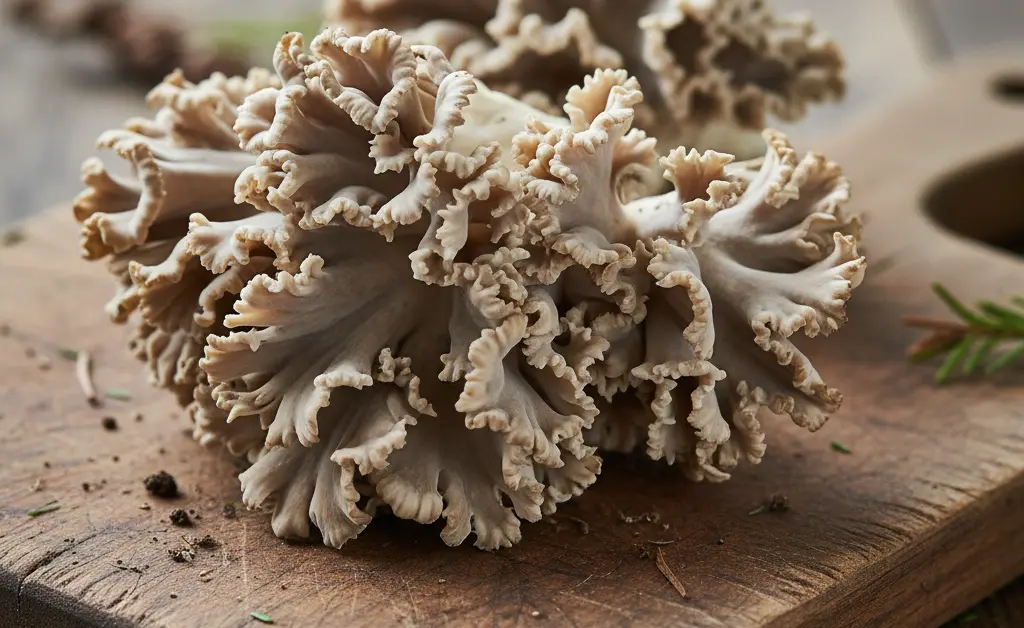
Distinguishing between maitake and shiitake mushrooms by sight is relatively straightforward, given their markedly different forms and structures. Their visual characteristics are often the first clue to their identity, both in the wild and in the marketplace.
Visual Characteristics of Maitake
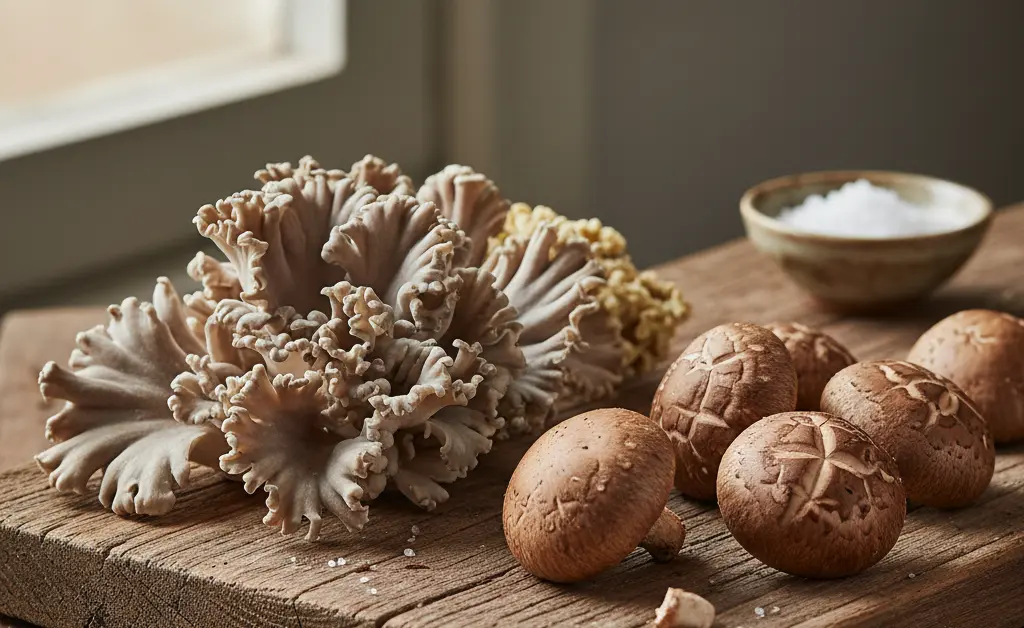
The maitake mushroom is easily identified by its distinctive, frilly, and feathery appearance. It grows in large, rosette-like clusters that resemble a ruffled chicken or a blooming bouquet, hence its common nickname, “Hen of the Woods.” The individual caps are small, spoon-shaped, and wavy, ranging in color from grey to brown with white edges. They often overlap and branch off a central, thick stalk that is usually too tough to eat. The overall impression is one of a dense, multi-layered organism rather than a single cap and stem. Despite the shared ‘chicken’ moniker, understanding the maitake mushroom vs chicken of the woods comparison can help foragers differentiate between them.
Visual Characteristics of Shiitake
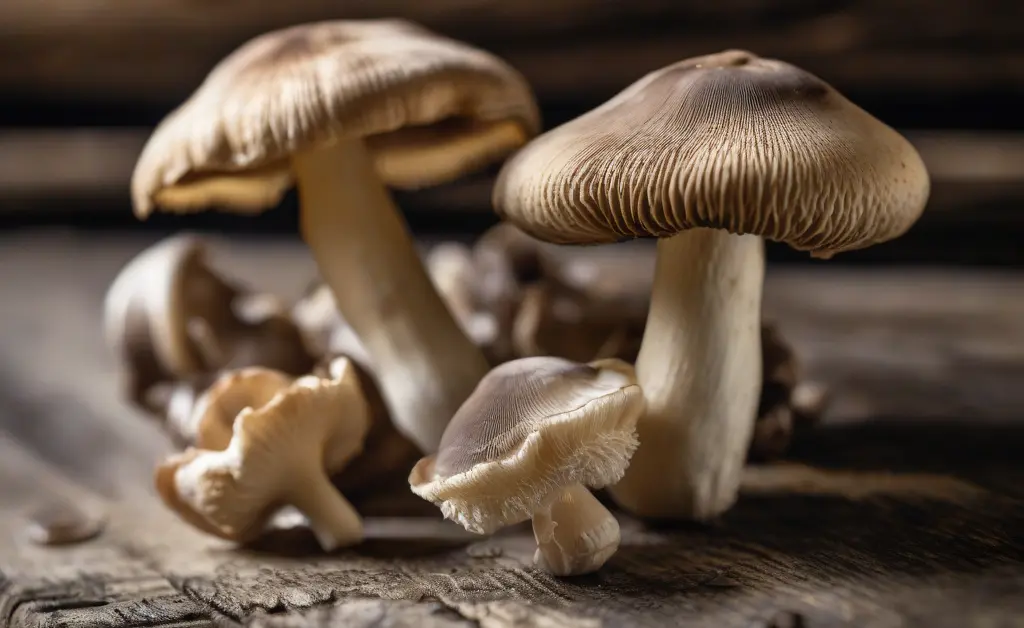
In contrast, the shiitake mushroom presents a more classic, umbrella-shaped mushroom form. It typically has a medium-sized cap, ranging from 2 to 4 inches in diameter, which is convex and flattens with age. The color of the cap is usually dark brown, often with lighter flecks or scales, giving it a mottled appearance. The underside reveals prominent gills that are typically light brown to white. Shiitake mushrooms possess a sturdy stem, which can be woody and removed before cooking or, if tender, used in stocks and broths. The overall structure is more singular and defined compared to the cluster-forming maitake.
Key Differences: Maitake Mushroom vs Shiitake
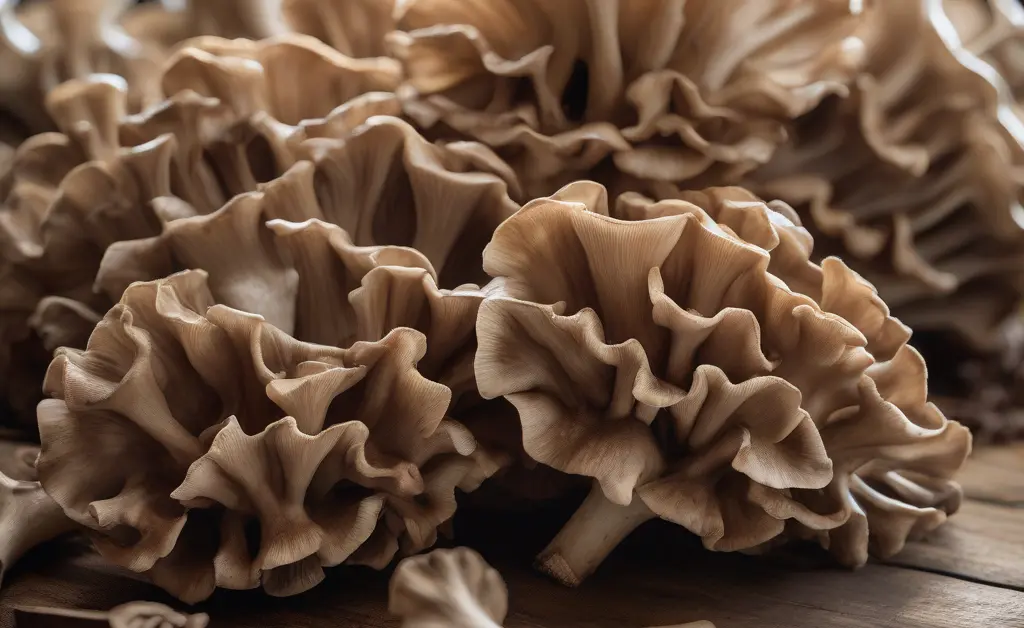
Understanding the fundamental distinctions in flavor and texture is crucial when considering maitake mushroom vs shiitake for culinary or dietary purposes. While both are celebrated for their umami richness, their individual profiles offer unique experiences. For example, the maitake mushroom vs oyster mushroom comparison also reveals significant differences in culinary use.
Flavor Profile Comparison
The flavor of maitake mushrooms is often described as earthy, robust, and subtly gamey, with a peppery undertone. It carries a profound umami depth that can stand up to rich ingredients without being overwhelming. Some find its taste to be slightly more complex and herbaceous than many other edible fungi. Shiitake mushrooms, conversely, are known for their intensely savory, woody, and slightly smoky flavor. They possess a concentrated umami taste that becomes even more pronounced when dried and rehydrated, making them a cornerstone in broths and sauces across Asian cuisines.
Texture Differences
Maitake mushrooms offer a unique texture that is both tender and slightly crunchy, especially around the edges of its frilly caps. When cooked, the maitake retains a pleasant chewiness that is not overly dense, providing a satisfying mouthfeel. This makes it versatile for various cooking methods, from sautéing to roasting. Shiitake mushrooms, on the other hand, are famous for their meaty and firm texture. The caps, when cooked, become succulent and chewy, offering a substantial bite. The stems, particularly in older shiitake, can be quite fibrous and are often removed before consumption, though they contribute excellent flavor to stocks.
Taste, Texture, and Culinary Uses
The distinct taste and texture of maitake and shiitake mushrooms directly influence their optimal culinary applications, allowing them to shine in different dishes and cooking styles.
Best Culinary Applications for Each
Cooking with Maitake Mushrooms often highlights their delicate yet substantial nature. Their frilly structure makes them excellent for roasting or sautéing until crisp, allowing the edges to caramelize beautifully. Maitake can be a star in stir-fries, omelets, and grain bowls, where its earthy flavor complements a wide range of ingredients. It also performs exceptionally well when grilled or fried, developing a crispy exterior and tender interior that makes it a popular meat substitute in some vegetarian dishes. For Maitake Mushroom Health Benefits, cooking methods that preserve their natural compounds are often favored.
Cooking with Shiitake Mushrooms often leverages their meaty texture and bold, savory flavor. They are a staple in soups, stews, and braises, where they contribute a deep umami base. Shiitake are frequently used in Japanese miso soup, Chinese stir-fries, and Vietnamese pho. Their firm caps can be sliced and sautéed, added to pasta dishes, or incorporated into fillings for dumplings and spring rolls. Dried shiitake, once rehydrated, are particularly potent in flavor and are essential for creating rich broths and sauces, making them an indispensable ingredient in many traditional recipes. Shiitake Mushroom Health Benefits are also enhanced through various preparations.
Nutritional Profile: Maitake vs Shiitake
Both maitake and shiitake mushrooms are celebrated not only for their culinary versatility but also for their impressive nutritional value, offering a range of macronutrients, vitamins, minerals, and bioactive compounds. When examining the maitake mushroom vs shiitake from a nutritional standpoint, both prove to be valuable additions to a balanced diet.
Macronutrient Comparison
Both mushrooms are low in calories and fat, making them excellent choices for health-conscious diets. They provide a good source of dietary fiber, which is beneficial for digestive health. Maitake mushrooms generally offer a slightly higher protein content compared to shiitake, contributing to satiety and muscle support. Both fungi provide carbohydrates, primarily in the form of complex polysaccharides, which are studied for their potential health-promoting properties rather than simple sugars.
Vitamin and Mineral Content Showdown
In terms of micronutrients, both mushrooms are notable for their vitamin D content, especially when exposed to UV light during cultivation or drying. This makes them one of the few plant-based sources of this essential vitamin. Both also supply various B vitamins, including niacin, riboflavin, and pantothenic acid, which play crucial roles in energy metabolism. When it comes to minerals, maitake and shiitake offer potassium, phosphorus, and selenium. Shiitake may provide slightly higher levels of certain B vitamins and copper, while maitake is often highlighted for its robust mineral profile overall, contributing to general well-being. Furthermore, a detailed look at maitake mushroom vs lions mane can reveal more varied nutritional contributions across different fungi.
Key Bioactive Compounds
A significant part of the health benefits of these mushrooms stems from their unique bioactive compounds. Both contain beta-glucans, a type of polysaccharide extensively studied for its potential to support immune function. Maitake is particularly renowned for its D-fraction and MD-fraction beta-glucans, which are often cited in research for their unique properties. Shiitake, on the other hand, contains lentinan, another well-researched beta-glucan associated with immune support. Both mushrooms also contain antioxidants like ergothioneine, which helps protect cells from oxidative stress. These compounds contribute to their reputation as medicinal mushrooms and are key to understanding their impact on health. Other beneficial fungi, such as reishi mushroom, also offer significant health properties.
Maitake and Shiitake: A Health Benefits Showdown
The health benefits associated with maitake and shiitake mushrooms are diverse and have been recognized in traditional practices for centuries. A closer look at the maitake mushroom vs shiitake reveals that while both are beneficial, they may excel in different areas of health support.
Support for Immune System Function
Both maitake and shiitake are highly regarded for their potential to support immune system function. Maitake Mushroom Health Benefits are largely attributed to its unique beta-glucan compounds, particularly D-fraction, which are thought to help modulate the immune response. These compounds are studied for their ability to activate various immune cells. Similarly, Shiitake Mushroom Health Benefits include powerful immune support, primarily due to lentinan, a polysaccharide that has also been extensively researched for its role in enhancing immune defenses. Both mushrooms are considered adaptogens, potentially helping the body adapt to stress and maintain balance. Similarly, a comparison of maitake mushroom vs turkey tail highlights other fungi with potent immune-boosting properties.
Potential Cardiovascular Benefits
Beyond immune support, both mushrooms are explored for their potential cardiovascular benefits. Maitake may help support healthy blood sugar levels and is studied for its potential role in maintaining healthy cholesterol levels. Shiitake mushrooms have also been traditionally used and are studied for their potential to support heart health. Compounds found in shiitake, such as eritadenine and certain sterols, may contribute to the maintenance of healthy circulation and cholesterol levels already within a normal range. These properties underscore the comprehensive health benefits of incorporating these mushrooms into one’s diet. Further research on these benefits is often conducted by institutions such as the NIH.
Antioxidant Properties Compared
Both maitake and shiitake mushrooms are sources of antioxidants, which are vital for combating oxidative stress in the body. They contain compounds like ergothioneine, a unique amino acid derivative with strong antioxidant properties. Shiitake mushrooms are also noted for their phenolic compounds and other antioxidant-rich substances. While both offer antioxidant protection, research continues to explore the specific concentrations and synergistic effects of these compounds in each mushroom. Regular consumption of either maitake or shiitake may contribute to overall cellular health by providing these protective elements.
Ultimately, both maitake and shiitake mushrooms are celebrated for their culinary appeal and significant nutritional value, offering distinct flavors, textures, and health benefits. While maitake stands out for its unique frilly appearance and potential for robust immune modulation, shiitake is cherished for its meaty texture, intensely savory taste, and strong support for various bodily functions. Deciding between maitake mushroom vs shiitake often comes down to the specific culinary application desired or the particular health benefits one wishes to emphasize, as both fungi undoubtedly enrich a healthy diet and provide a wealth of beneficial compounds.
The information in this article is intended for knowledge purposes only. It is not a substitute for professional medical advice, diagnosis, or treatment. Always seek the advice of your physician or other qualified health provider with any questions you may have regarding a medical condition. Never disregard professional medical advice or delay in seeking it because of something you have read in this article. Relying on any information provided in this article is solely at your own risk.
FAQ
— Which mushroom is healthier: maitake or shiitake?
Both maitake and shiitake mushrooms are highly nutritious and offer unique compounds that contribute to overall wellness. Maitake is widely recognized for its high concentration of beta-glucans, while shiitake is a notable source of B vitamins and specific antioxidants. Rather than one being inherently “healthier,” they each contribute distinct benefits to a balanced diet.
— What are the main differences between maitake and shiitake?
Maitake mushrooms are visually distinct with their frilly, multi-lobed clusters and tend to have a firmer, chewier texture with an earthy aroma. Shiitake mushrooms, conversely, present a more classic cap-and-stem shape, offering a meaty texture and a pronounced umami flavor. Their differences extend to their traditional culinary applications and the specific array of beneficial compounds they each contain.
— Which mushroom is better for immune support, maitake or shiitake?
Both maitake and shiitake mushrooms are recognized for their immune-supporting properties, albeit through slightly different mechanisms. Maitake is particularly noted for its unique beta-glucan compounds, such as D-fraction, which are relevant to modulating immune responses. Shiitake also provides beneficial beta-glucans, like lentinan, alongside other compounds known to contribute to overall immune system wellness.
— Can maitake mushrooms be substituted for shiitake in recipes?
While maitake mushrooms can technically be used in place of shiitake in many dishes, it is important to note they offer distinct culinary characteristics. Maitake presents a more delicate, feathery texture and a unique earthy aroma, which differs from shiitake’s firmer, meatier bite and intense umami flavor. The substitution will likely alter the final texture and taste of your recipe.
— Do maitake and shiitake mushrooms offer similar health benefits?
While both maitake and shiitake mushrooms share general benefits as nutrient-dense functional foods, they possess distinct profiles of bioactive compounds. Both are rich in beneficial polysaccharides, yet the specific types and concentrations vary, leading to different areas of focus in health research. The discussion comparing maitake mushroom vs shiitake reveals that while both contribute to overall wellness, their unique composition offers different nuances in their studied health effects.
— How do you cook maitake and shiitake mushrooms differently?
Maitake mushrooms, with their delicate, frilly structure, are often best roasted or pan-fried to achieve crispy edges and bring out their rich, earthy flavor. Shiitake mushrooms, having a denser and meatier texture, excel when sautéed, incorporated into stir-fries, or simmered in broths to deepen their umami notes. Their differing textures dictate varied cooking approaches to maximize their culinary appeal.
— Which is more expensive, maitake or shiitake mushrooms?
Generally, maitake mushrooms tend to be more expensive than shiitake, influenced by factors such as their cultivation methods and supply chain. Shiitake mushrooms are more widely farmed and accessible, contributing to their typically lower price point. Market prices can always fluctuate based on seasonality, geographic location, and whether the mushrooms are fresh or dried.