Imagine you’re browsing the produce aisle, or perhaps unwrapping a new ingredient from your local farmer’s market, and you come across a cluster of delicately fanned, wavy-edged fungi. Their unique appearance piques your interest, prompting questions about their culinary potential and origin. This common scenario often leads home cooks and culinary enthusiasts alike to wonder precisely what are oyster mushrooms and how they differ from other fungi. These versatile fungi, prized for their delicate texture and earthy flavor, encompass a diverse group with distinct characteristics that extend beyond their visual appeal. Understanding their varieties, growth habits, and unique attributes can elevate both your cooking and your appreciation for this fascinating ingredient.
What Are Oyster Mushrooms?
Defining Oyster Mushrooms
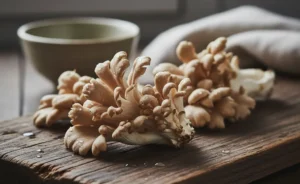
Oyster mushrooms are a broad group of edible fungi known for their distinctive appearance and culinary versatility. These popular gourmet mushrooms are characterized by their fan-shaped caps, which often resemble an oyster shell, and their clustered growth habit. They are appreciated worldwide for their mild flavor and delicate texture, making them a favorite among chefs and home cooks alike. Across various cultures, the oyster mushroom name in different languages reflects its global culinary presence and unique characteristics.
What are oyster mushrooms called
Commonly known as the oyster mushroom, this group of fungi also goes by various other names, often reflecting their appearance or growing conditions. Sometimes referred to as tree oyster mushrooms or simply oyster fungi, these terms highlight their natural tendency to grow on trees. The scientific name, `Pleurotus ostreatus`, also contributes to their common nomenclature, with “Pleurotus” referring to their side-growing stem and “ostreatus” meaning oyster-like.
Oyster mushroom family
Oyster mushrooms belong to the genus `Pleurotus`, which is part of the family `Pleurotaceae`. This family falls under the order `Agaricales` and the class `Basidiomycetes`, a large and diverse group of fungi that includes many well-known mushrooms. Their classification highlights their shared biological traits with many other cap-and-stem mushrooms.
Scientific Classification (Pleurotus ostreatus)
The most widely recognized species within the oyster mushroom group is `Pleurotus ostreatus`. This species serves as the type specimen for the genus and is one of the most commonly cultivated and consumed edible fungi globally. Its scientific classification places it firmly within the realm of saprophytic fungi, meaning it derives nutrients from decaying organic matter, primarily wood.
Cap Shape and Size
The cap of an oyster mushroom is one of its most defining features. It typically ranges from 2 to 25 centimeters in diameter and is often fan-shaped or spatulate, resembling an oyster shell. The caps can be convex when young, flattening and becoming more wavy or lobed with age. Their unique shape contributes to the aesthetic appeal of these gourmet mushrooms.
Color Variations
Oyster mushrooms exhibit a wide array of colors, which can vary significantly between species and even within the same species depending on environmental conditions. Common colors include white, grey, brown, blue, pink, and yellow. These color variations are not just aesthetic; they often help in identifying specific varieties and can sometimes hint at subtle differences in flavor or texture.
Gills and Stem Features
Beneath the cap, oyster mushrooms have prominent, decurrent gills that run down the length of the stipe, or stem. These gills are usually white or cream-colored. The stem itself is typically short and stout, often attached eccentrically or laterally to the cap, rather than centrally. In some varieties, the stem can be almost absent, with the caps appearing to grow directly from the substrate.
Distinctive Features for Identification
Key features for identifying oyster mushrooms include their fan or oyster-shaped caps, the presence of decurrent gills, and their clustered growth habit on wood. The spore print is typically white to lilac-gray. Their soft, often slightly slippery texture and mild, earthy aroma are also helpful indicators for distinguishing them from other fungi.
Distinguishing from Similar Mushrooms
When considering what are oyster mushrooms, it’s important to be aware of other fungi that might bear a superficial resemblance. While many oyster mushroom varieties are easily recognizable, some look-alikes exist. For instance, species like the Elm Oyster (Hypsizygus ulmarius) share some characteristics, but careful observation of gill attachment, cap texture, and growth substrate can help differentiate them. Always confirm identification with reliable resources if foraging for wild mushrooms.
Typical Habitats
Oyster mushrooms are saprophytic fungi, meaning they grow on dead and decaying organic matter. Their typical habitats include hardwood trees, logs, stumps, and fallen branches in forests. They play a crucial role in forest ecosystems by breaking down wood and recycling nutrients. They can also be found growing on various agricultural waste products in cultivated settings.
Geographic Distribution
Oyster mushrooms have a remarkably wide geographic distribution, found on nearly every continent except Antarctica. They thrive in temperate and subtropical climates, growing in diverse forest types. Their adaptability to various substrates and climatic conditions contributes to their global prevalence, both in the wild and as cultivated mushrooms, and their role in global food systems is recognized by organizations like the WHO.
Flavor Profile and Texture
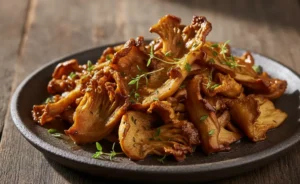
The flavor profile of oyster mushrooms is a significant reason for their popularity. They possess a delicate, mild flavor that is often described as earthy, subtly sweet, and slightly woody. Many varieties also offer an umami richness, a savory taste that deepens their culinary appeal. Unlike some other edible fungi, they typically do not have an overpowering mushroomy taste, making them a versatile ingredient that complements a wide range of dishes.
In terms of texture, oyster mushrooms are known for being tender yet firm, often described as velvety or slightly chewy. When cooked, they retain a pleasant bite and can develop a delicate, almost meaty texture, especially varieties like the king oyster mushroom. This unique combination of a mild, savory taste and a satisfying texture is what makes what are oyster mushrooms a sought-after component in many cuisines.
Common Varieties of Oyster Mushrooms
The genus `Pleurotus` includes a diverse array of species, each with its own unique characteristics, though all generally fit the description of what are oyster mushrooms. These varieties differ in color, size, and sometimes subtle notes in their flavor profile, offering a rich palette for culinary exploration. Understanding these differences can help you select the perfect oyster mushroom for your next dish.
Pearl Oyster Mushrooms
Pearl oyster mushrooms (`Pleurotus ostreatus`) are perhaps the most common and widely cultivated variety. They typically feature a grey to brownish-grey cap, sometimes with blueish tints, and a firm, meaty texture. Their mild, earthy flavor makes them incredibly versatile, suitable for sautéing, stir-frying, and incorporating into soups or sauces. They grow in beautiful, dense clusters.
King Oyster Mushrooms
King oyster mushrooms (`Pleurotus eryngii`) stand out due to their thick, meaty stems and small caps. Unlike other oyster varieties, their substantial stems are the star of the show, offering a firm, almost steak-like texture when cooked. They have a richer, more pronounced umami flavor compared to other oyster mushrooms, making them excellent for grilling, roasting, or slicing into rounds for plant-based scallops.
Pink Oyster Mushrooms
Pink oyster mushrooms (`Pleurotus djamor`) are visually striking, boasting vibrant, rosy-pink caps that are often smaller and more frilly than other varieties. They grow quickly in warm conditions and have a slightly woodier or “fishier” aroma when raw, which mellows into a delicate, savory flavor when cooked. Their texture is typically tender. They are best enjoyed cooked, as their color fades during the cooking process.
Yellow Oyster Mushrooms
Yellow oyster mushrooms (`Pleurotus citrinopileatus`), also known as golden oyster mushrooms, are another visually appealing variety with bright yellow, fan-shaped caps. They tend to have a slightly nuttier or citrusy undertone to their otherwise mild, earthy flavor. Their delicate texture makes them suitable for quick cooking methods like sautéing or stir-frying, adding both flavor and a pop of color to dishes.
Conclusion
Oyster mushrooms represent a fascinating and delicious category of edible fungi, celebrated for their unique appearance, delicate textures, and diverse flavor profiles. From the common pearl oyster to the robust king oyster and the vibrant pink and yellow varieties, these mushrooms offer a wide range of culinary possibilities. Their ease of cultivation and nutritional benefits further cement their status as a valuable ingredient in kitchens worldwide. Exploring the world of oyster mushrooms not only enhances your cooking but also deepens your appreciation for the intricate beauty and versatility of nature’s bounty.
The information in this article is intended for knowledge purposes only. It is not a substitute for professional medical advice, diagnosis, or treatment. Always seek the advice of your physician or other qualified health provider with any questions you may have regarding a medical condition. Never disregard professional medical advice or delay in seeking it because of something you have read in this article.
FAQ
— What do oyster mushrooms look like?
When we talk about what are oyster mushrooms, their unique physical characteristics are a key identifying feature. They typically grow in shelf-like clusters, resembling an oyster shell with a broad, fan-shaped cap and white to off-white gills running down to a very short or absent stem. The caps can range widely in color from white, gray, or tan to even pink or yellow, often displaying wavy or lobed edges.
— Where can you find oyster mushrooms?
You can commonly find oyster mushrooms growing on dead or dying hardwood trees in temperate and subtropical regions across the globe. As a saprophytic species, they thrive by breaking down decaying organic matter, playing an important ecological role in forest environments. Look for their distinctive clusters on tree trunks and fallen logs, particularly after periods of rain.