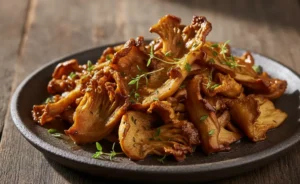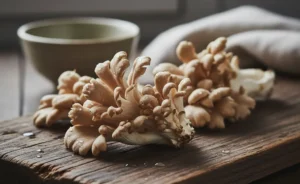

Foragers often seek the delicious oyster mushroom, but knowing its characteristics is crucial. While a popular choice for culinary applications, numerous fungi share visual similarities, making accurate identification essential for both safety and culinary enjoyment. Many species can be confused with true oyster mushrooms, ranging from harmless but unappetizing varieties to those that are genuinely poisonous and should be avoided. This comprehensive guide aims to equip enthusiasts with the knowledge to confidently identify genuine oyster mushrooms and distinguish them from common oyster mushroom look alikes, ensuring a safe, informed, and successful foraging experience.
Identifying Oyster Mushroom Look Alikes (Edible & Poisonous)
Accurate identification is paramount when foraging for wild mushrooms, especially given the presence of numerous oyster mushroom look alikes. Proper oyster mushroom identification is key for a safe foraging experience. These imposters range from harmless, albeit less flavorful, species to those that are distinctly poisonous. Understanding the unique characteristics of true oyster mushrooms (genus Pleurotus), such as Pleurotus ostreatus, Pleurotus citrinopileatus (Golden Oyster Mushroom), Pleurotus populinus (Aspen Oyster Mushroom), and Pleurotus pulmonarius (Phoenix Oyster Mushroom), is the first step toward differentiating them from similar-looking fungi. Paying close attention to specific features like gills, cap, stem, and overall growth habit is crucial in this identification process.
Common and Poisonous Oyster Mushroom Look Alikes
Several fungi can be mistaken for edible oyster mushrooms, making careful identification essential. Foragers may find it useful to know the oyster mushroom name in different languages when consulting local experts or guides. Among the most common oyster mushroom look alikes are species such as the Mock Oyster (Crepidotus spp.) and the dangerous Ghost Fungus (Omphalotus nidiformis). The Mock Oyster is generally inedible due to its tough texture and lack of flavor, but it is not considered toxic. It often lacks a prominent stem and has brown spores, unlike the white to lilac spores of true oyster mushrooms. The Ghost Fungus, primarily found in Australia and Asia, is poisonous and causes severe gastrointestinal distress. It is bioluminescent, a unique feature that sets it apart, though this may not be evident during daylight.
Another species sometimes confused, particularly with the Angel Wings mushroom (Pleurocybella porrigens), which itself has had rare associations with toxicity in certain situations, is important to note. While Angel Wings share a similar appearance, growing on wood and having white gills, true oyster mushrooms typically have thicker flesh and a more robust structure. Distinguishing features are key, as errors can lead to ingesting inedible or even toxic fungi. For further health-related information on mushroom toxins, resources like the NIH can provide valuable insights. Always be cautious and when in doubt, it is best to err on the side of safety and avoid consumption.
Visual Guides: Pictures of Look Alikes
Visual identification is a primary tool for distinguishing oyster mushrooms from their look-alike species. Understanding what are oyster mushrooms is fundamental before attempting to identify look-alikes. While descriptions are helpful, comparing the appearance of your find against reliable mushroom guides featuring high-quality pictures of both true oyster mushrooms and their common imposters is invaluable. Such guides often highlight subtle differences in the cap shape, gill attachment, presence or absence of a stem, and overall growth habit. For instance, notice the typically fan-shaped or spatulate cap of an oyster mushroom, often with gills that run down the stem (decurrent gills), if a stem is present. Look-alikes might have different gill patterns, stem characteristics, or cap textures.
Careful observation of color variations, especially in species like the Golden Oyster Mushroom (Pleurotus citrinopileatus) or the different shades found in Pleurotus ostreatus, is also crucial. Visual guides assist in training the eye to spot the characteristic clustering on deciduous trees or hardwood, a common habitat for true oysters, versus solitary growth or different substrates preferred by some imposters.
Distinguishing White and Brown Look-Alikes
The color of a mushroom can be a deceptive trait, as many true oyster mushrooms and their look-alikes come in various shades of white, gray, brown, and even yellow. Knowing the oyster mushroom scientific name is essential for precise identification among white varieties. For white varieties, particular attention must be paid to the nuances that differentiate edible species like Pleurotus pulmonarius (Phoenix Oyster) from white-capped imposters. Phoenix oysters typically have a delicate, almost velvety cap and retain the characteristic decurrent gills and often a rudimentary stem.
Brownish look-alikes require similar scrutiny. True brown oyster mushrooms often exhibit a firm, overlapping growth pattern on wood, with a distinct mushroom guide profile. In contrast, some brown-capped fungi might have different spore colors, which is a critical distinguishing feature. For example, a brown spore print immediately rules out most true Pleurotus species, which produce white, lilac, or grayish spore prints. Always consider a combination of characteristics, not just color, for definitive identification.
General Comparison Clues: Visuals, Odor, Texture
Beyond basic appearance, a holistic approach combining several identification indicators is key to confidently identifying true oyster mushrooms and avoiding oyster mushroom look alikes. These general comparison clues involve a closer examination of visuals, odor, and texture.
Visuals: Observe the cap, gills, and stem morphology in detail. True oyster mushrooms often have a fan-shaped or spatulate cap, usually growing in shelves or clusters on wood. Their gills are typically decurrent (running down the stem or attachment point) and are closely spaced, often white to cream. The stem, if present, is usually short, off-center, or absent, merging into the cap. Look for the overall growth habit, whether it’s solitary or in a cluster on specific substrates like deciduous trees or hardwood.
Spore Print: This is a definitive test. True Pleurotus species produce a white, lilac, or grayish spore print. Taking a spore print involves placing the cap (gill-side down) on a piece of dark paper for several hours to collect the spores. A spore color other than white, lilac, or gray is a strong indicator of a look-alike.
Odor: While subjective, the smell can provide valuable clues. Many edible oyster mushrooms have a mild, slightly sweet, or anise-like aroma, often described as fresh or earthy. Some look-alikes might have an unpleasant, chemical, or distinctly different odor. However, relying solely on smell is not recommended.
Texture: The flesh of an oyster mushroom is typically firm and somewhat chewy. Imposters might be overly tough, brittle, slimy, or have a consistency that feels distinctly different. Foraging guides often describe the typical texture for various fungi, which can aid in confirming identification.
Habitat and Season: Most oyster mushrooms grow on dead or dying hardwood trees, such as oak, beech, or maple, and are often found from late summer through fall, and sometimes into winter in milder climates. Understanding the typical habitat and season can narrow down possibilities.
By carefully evaluating all these indicators—visuals, spore print, odor, texture, and habitat—mycology enthusiasts can significantly improve their chances of accurate identification and safely distinguish true oyster mushrooms from their many look-alike species.
Navigating the world of wild mushrooms requires diligence and a keen eye for detail. While the allure of foraging for delicious oyster mushrooms is strong, the presence of numerous look-alikes—some harmless, others genuinely toxic—underscores the critical importance of accurate identification. By meticulously examining key features such as cap, gills, stem, spore print, and growth habit, and by being aware of common imposters, foragers can ensure a safe and rewarding experience. Always consult multiple reliable sources, and if any doubt remains, it is always best to refrain from consuming the mushroom.
The information presented in this article is educational and not meant as professional medical counsel. It is for general knowledge and informational purposes only, and does not constitute professional advice. Always consult with a qualified professional or expert for any specific concerns or before making any decisions related to foraging, consumption, or health matters. Never consume a wild mushroom unless you are 100% certain of its identification.
FAQ
— Which other edible mushrooms look similar to oyster mushrooms?
Several edible species share resemblances with the common oyster mushroom, including the Elm Oyster (*Hypsizygus ulmarius*) and other close relatives within the *Pleurotus* genus, such as Phoenix or Aspen Oysters. These oyster mushroom look alikes often display a similar fan-like or shelf-like cap structure and gills that broadly attach or decur down a very short or absent stem. Their shared growth habit, typically in overlapping clusters on wood, further contributes to their visual confusion for foragers.