In today’s fast-paced world, many individuals find themselves constantly seeking effective and natural ways to bolster their overall health and resilience. With increasing environmental stressors and the demands of modern life, maintaining a robust immune system and vibrant well-being has become a significant concern for many. It’s common to feel overwhelmed by the sheer volume of health advice and the struggle to identify genuine natural aids that truly deliver on their promises. Amidst this search, a remarkable fungus, the turkey tail mushroom (Trametes versicolor), has emerged as a subject of growing interest, celebrated for its diverse therapeutic potential. This article aims to delve into the intrinsic turkey tail mushroom qualities, exploring how this extraordinary organism contributes to wellness, from immune modulation to antioxidant support. By understanding its unique attributes, readers can gain valuable insights into incorporating this natural powerhouse into their health regimen.
Exploring Turkey Tail Mushroom Qualities
Turkey tail mushroom (Trametes versicolor): an edible fungus
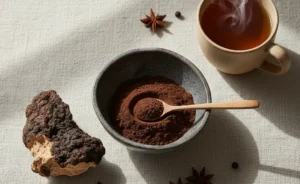
The turkey tail mushroom, scientifically known as Trametes versicolor or Coriolus versicolor, is a well-regarded edible fungus with a rich history of use in traditional medicine, particularly in Asia. While its texture is typically too tough for culinary dishes, it is commonly consumed in various forms such as teas, extracts, or powdered supplements. This medicinal fungi is prized for its bioactive compounds rather than its taste, offering a compelling profile of nutrients and constituents that contribute to its celebrated health-supporting properties.
Often growing as a turkey tail mushroom on tree trunks and deadwood, its presence in temperate forests is widespread.
Understanding its Natural Habitat and Appearance
As its common name suggests, the turkey tail mushroom features vibrant, concentric rings of color resembling a turkey’s fanned tail, displaying hues of brown, tan, grey, and sometimes blue or green. It typically grows on dead hardwood trees and fallen logs in temperate forests worldwide. This widespread distribution and distinctive appearance make it relatively easy to identify in its natural habitat. The typical turkey tail mushroom size varies, often reaching several inches across, adding to its distinctive appearance. The mushroom’s unique appearance is not just aesthetic; it’s a visual cue to its complex biological structure, which hosts a variety of beneficial compounds.
What Makes Turkey Tail Unique?
What truly sets turkey tail mushrooms apart are their unique bioactive compounds, especially a class of polysaccharides known as beta-glucans. Among these, polysaccharide-K (PSK, or krestin) and polysaccharopeptides (PSP) are particularly well-studied. These complex carbohydrates are believed to be responsible for many of the fungus’s therapeutic actions. The presence of these specific glycoproteins and other phytochemicals contributes significantly to the remarkable turkey tail mushroom qualities, positioning it as a significant natural remedy in the realm of medicinal fungi. These constituents work synergistically, offering a comprehensive approach to wellness.
Other Therapeutic Qualities
Beyond its well-known immune-modulating effects, turkey tail possesses a spectrum of other potential therapeutic qualities. These include adaptogenic properties, which may help the body manage stress, along with potential anti-inflammatory, antiviral, antifungal, and antimicrobial actions. The blend of triterpenes, enzymes, and other constituents contributes to its holistic impact, making it a multifaceted health supplement. Its role as an adaptogen implies a broader support for general resilience and balance within the body. For information on regulated health claims and safety, always refer to official sources like the FDA.
Immune System Modulation

One of the most extensively researched turkey tail mushroom qualities is its profound ability to modulate the immune system. The polysaccharides, particularly PSK and PSP, are thought to stimulate various immune cells, enhancing the body’s natural defense mechanisms. These bioactive compounds may help balance immune responses, potentially supporting the body’s ability to respond to environmental challenges. This immune support is a cornerstone of its traditional and modern use, positioning turkey tail as a powerful ally for maintaining robust health.
Antioxidant Properties

Another significant aspect of turkey tail mushroom qualities involves its potent antioxidant capacity. Turkey tail is rich in various antioxidant compounds, including phenols and flavonoids, which help combat oxidative stress in the body. Oxidative stress is a key factor in cellular damage, and by neutralizing free radicals, these antioxidants contribute to cell health and overall well-being. This protective action is crucial for supporting long-term health and maintaining cellular integrity throughout the body.
Gut Microbiome Support
Emerging research highlights turkey tail’s potential role in supporting a healthy gut microbiome. The mushroom’s prebiotics, particularly its unique polysaccharides, may act as nourishment for beneficial gut bacteria. A balanced gut microbiome is intrinsically linked to immune function, digestion, and even mood. By fostering a diverse and healthy gut environment, turkey tail mushrooms indirectly contribute to overall systemic health, making it a valuable addition for those seeking to enhance gut health.
Energy and Anti-Fatigue Support

As an adaptogen, turkey tail mushrooms may also offer support for energy levels and help in reducing fatigue. Adaptogens are substances that help the body adapt to various stressors, both physical and mental. By potentially supporting the body’s natural resilience and balance, turkey tail may contribute to sustained energy and improved stamina, assisting individuals in managing the demands of daily life more effectively.
Support for Specific Demographics (Female, Male, Skin)
While research is ongoing, some explore the potential specific benefits of turkey tail mushrooms across different demographics. For example, its general immune-supportive properties may indirectly benefit skin health by reducing inflammation and supporting cellular repair. Though not a direct treatment, the overall wellness benefits could extend to these areas, supporting the body’s natural processes for maintaining health across various physiological systems for both male and female individuals.
Urinary Tract Health Support
Beyond general wellness, some turkey tail mushroom qualities are explored for their specific impact on urinary tract health. While not a direct treatment, its potential antimicrobial and immune-modulating properties may contribute to a supportive environment for urinary tract well-being. Traditionally, certain medicinal fungi have been considered for their cleansing effects, and turkey tail may play a role in maintaining the health of the urinary system through its broader systemic benefits.
Muscle Strength and Recovery Potential
For individuals engaged in physical activity, turkey tail mushrooms may hold potential benefits related to muscle strength and recovery. Its anti-inflammatory properties could assist in mitigating post-exercise inflammation, potentially aiding in faster recovery and reducing muscle soreness. While not a direct muscle builder, supporting the body’s recovery processes is crucial for optimizing performance and maintaining overall physical health and resilience.
Beyond the Basics: Unique Benefits and Usage Ideas
Exploring further, the array of turkey tail mushroom qualities extends to less commonly discussed areas, reinforcing its status as a versatile health supplement. Beyond its widely recognized immune-modulating and antioxidant roles, its complex blend of bioactive compounds continues to be a subject of scientific inquiry for various other potential applications. For usage, turkey tail is most commonly consumed as a powdered extract, either mixed into beverages, smoothies, or encapsulated. It can also be found in liquid tinctures or as a dried tea. The key is to ensure high-quality, organic products that retain the full spectrum of beneficial compounds from both the mycelium and the fruiting body to maximize the intake of its unique properties. Integrating this medicinal fungi into a daily routine is a popular choice for those seeking to harness its diverse natural benefits.
The turkey tail mushroom stands out as a natural powerhouse, offering a remarkable array of qualities that contribute to overall well-being. From its well-documented immune-modulating effects, largely attributed to its unique PSK and PSP polysaccharides, to its significant antioxidant and gut health support, this edible fungus presents a compelling profile for those seeking natural health solutions. Its adaptogenic potential also positions it as a valuable aid for managing stress and supporting energy levels. As research continues to unfold, the depth of its therapeutic potential only seems to grow, solidifying its place as a revered health supplement in traditional and modern practices alike. Incorporating turkey tail mushrooms into a balanced lifestyle may offer a comprehensive approach to bolstering the body’s natural resilience and promoting vibrant health.
This information should be viewed as educational rather than medical advice. While turkey tail mushrooms have been traditionally used and studied for various potential benefits, the content provided here is for informational purposes only. It is not intended to diagnose, treat, cure, or prevent any disease. Always consult with a qualified healthcare professional before making any decisions about your health or starting any new supplement regimen.
FAQ
— What are the main benefits of turkey tail mushroom?
Turkey tail mushroom is extensively studied for its rich content of polysaccharides, particularly PSP and PSK, which are known to support cellular health. Its traditional use and modern research highlight its role in maintaining overall wellness and vitality. The mushroom is especially recognized for its broad-spectrum influence on the body’s natural defenses.
— What is turkey tail mushroom good for?
This functional mushroom is well-regarded for its potential to support various bodily systems, largely due to its complex array of bioactive compounds. It contributes to general well-being by helping to maintain cellular integrity and promoting a balanced internal environment. Many individuals incorporate it to support their daily health regimen.
— Is turkey tail mushroom beneficial for the immune system?
Indeed, turkey tail mushroom is particularly recognized for its profound influence on the immune system. The specific turkey tail mushroom qualities of its polysaccharide-peptides, PSP and PSK, are known to interact with immune cells, supporting their function and promoting a robust, balanced immune response. This interaction helps the body’s natural defense mechanisms operate effectively.
— Does turkey tail mushroom have anti-inflammatory properties?
Turkey tail mushroom contains compounds that are relevant to the body’s natural inflammatory responses. Research suggests that its bioactive constituents may play a role in modulating specific pathways associated with inflammation. This can contribute to maintaining a healthy inflammatory balance within the body.
— Can turkey tail mushroom improve gut health?
Yes, turkey tail mushroom contains prebiotic fibers that are beneficial for gut health. These fibers act as nourishment for beneficial bacteria in the digestive tract, fostering a diverse and healthy gut microbiome. A balanced gut environment is crucial for proper digestion and overall systemic wellness.