
The health of our gut microbiome plays a crucial role in overall well-being, influencing everything from digestion to immunity. Natural remedies are often sought to nurture this delicate internal ecosystem. Among these, certain fungi have gained recognition for their profound benefits. One such powerful natural ally, the turkey tail mushroom, has emerged as a topic of significant interest. Its unique composition, rich in prebiotics and other bioactive compounds, positions it as a valuable functional food. This article delves into the various ways that incorporating turkey tail mushroom for gut health can help maintain balance, enhance digestive function, and foster a thriving internal environment, offering a holistic approach to nurturing your microbiome and beyond.
Turkey Tail Mushroom for Gut Health: A Superfood for Your Microbiome
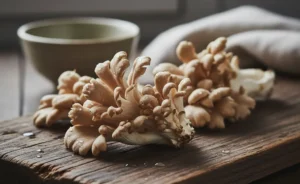
Understanding Turkey Tail Mushroom, also known by its scientific name Trametes versicolor, reveals why it is often revered as a functional superfood, particularly when considering its impact on the gut. This remarkable mushroom is rich in compounds that interact positively with the human body, specifically supporting the intricate environment of the gut microbiome. Its unique profile makes it a subject of extensive research in the field of digestive health. For more scientific studies, one can explore the vast database on PubMed.
Key Bioactive Compounds for Gut Health
The beneficial properties of turkey tail mushroom are largely attributed to its rich array of bioactive compounds. Among the most studied are polysaccharide-peptide (PSP) and polysaccharide-K (PSK), both found in the mycelium and fruiting body. These complex carbohydrates, along with various beta-glucans, act as potent prebiotics. Additionally, turkey tail mushroom contains antioxidants that help protect cells from oxidative stress. These compounds collectively contribute to its potential to support gut health and overall physiological balance.
Does Turkey Tail Mushroom “Heal” the Gut?
While the term “heal” might imply a direct medical intervention, turkey tail mushroom is understood to support and optimize gut function rather than act as a curative agent. Its mechanisms involve nurturing the gut’s environment, fostering microbial diversity, and supporting the integrity of the gut lining. Rather than a direct repair, it helps create conditions conducive to the gut’s natural ability to maintain balance and function effectively, potentially reducing conditions like dysbiosis.
Prebiotic Action and the Gut Microbiome
A significant aspect of the turkey tail mushroom’s benefit for the gut is its prebiotic action. The complex polysaccharides, particularly beta-glucans, are not digested by human enzymes. Instead, they travel to the large intestine where they serve as a fermentable food source for beneficial bacteria within the gut microbiome. This fermentation process produces short-chain fatty acids, which are crucial for the health of intestinal cells and have broader systemic benefits, including supporting the gut-brain axis.
Promoting Beneficial Gut Bacteria Growth
By acting as prebiotics, the compounds in turkey tail mushroom selectively stimulate the growth and activity of beneficial gut bacteria, such as certain strains of *Bifidobacterium* and *Lactobacillus*. An increase in these beneficial bacteria can lead to a more robust and resilient gut flora. This support for beneficial microorganisms is a fundamental way turkey tail mushroom contributes to a healthy microbial diversity and digestive health.
Modulating Gut Flora Balance
Maintaining a balanced gut flora is essential for digestive function and overall well-being. Turkey tail mushroom helps in modulating this balance by promoting the proliferation of beneficial bacteria while potentially inhibiting the growth of less desirable microorganisms. This modulation helps in preventing dysbiosis, a state of microbial imbalance in the gut that can impact various aspects of health. The presence of a balanced and diverse gut flora is critical for optimal digestion and immunity.
How Turkey Tail Supports Gut Health

Beyond its prebiotic effects, the multifaceted actions of turkey tail mushroom for gut health extend to several key areas that bolster digestive function and the overall integrity of the digestive system. Its components work synergistically to create a more supportive internal environment for the body’s digestive processes.
Enhancing Digestive Function
A healthy gut microbiome, supported by compounds found in turkey tail mushroom, directly correlates with enhanced digestive function. When the gut flora is balanced and diverse, it can more efficiently break down food components, synthesize certain vitamins, and facilitate the smooth movement of digested material. This contributes to comfortable and efficient digestion, reducing common issues related to an imbalanced gut.
Strengthening the Intestinal Barrier
The intestinal barrier, often referred to as the gut lining, acts as a critical protective shield, preventing harmful substances from entering the bloodstream. Research suggests that certain compounds in turkey tail mushroom may play a role in strengthening this barrier. By supporting the integrity of the gut lining, turkey tail mushroom for gut health can help maintain its selective permeability, allowing nutrients to pass through while keeping pathogens and toxins out, thus impacting immunity and overall well-being.
Reducing Gut Inflammation
Chronic inflammation in the intestine can significantly impair gut health and contribute to various digestive issues. The antioxidants and immunomodulatory compounds found in turkey tail mushroom potentially help in reducing gut inflammation. By moderating the immune response within the gut, it can help soothe the intestinal environment, contributing to improved comfort and function. This broader health benefit of turkey tail mushroom contributes to a healthier digestive system.
Optimizing Nutrient Absorption
A healthy and well-functioning gut, aided by turkey tail mushroom, is crucial for optimizing nutrient absorption. When the gut lining is strong, inflammation is minimized, and the microbiome is balanced, the body is better equipped to extract and absorb essential vitamins, minerals, and other nutrients from food. This efficient nutrient absorption is vital for energy production, cellular function, and overall vitality, impacting various general effects on the body. Beyond these direct benefits, some individuals also explore turkey tail mushroom for weight loss, considering its broad impact on metabolism and overall health.
Incorporating Turkey Tail for Gut Health
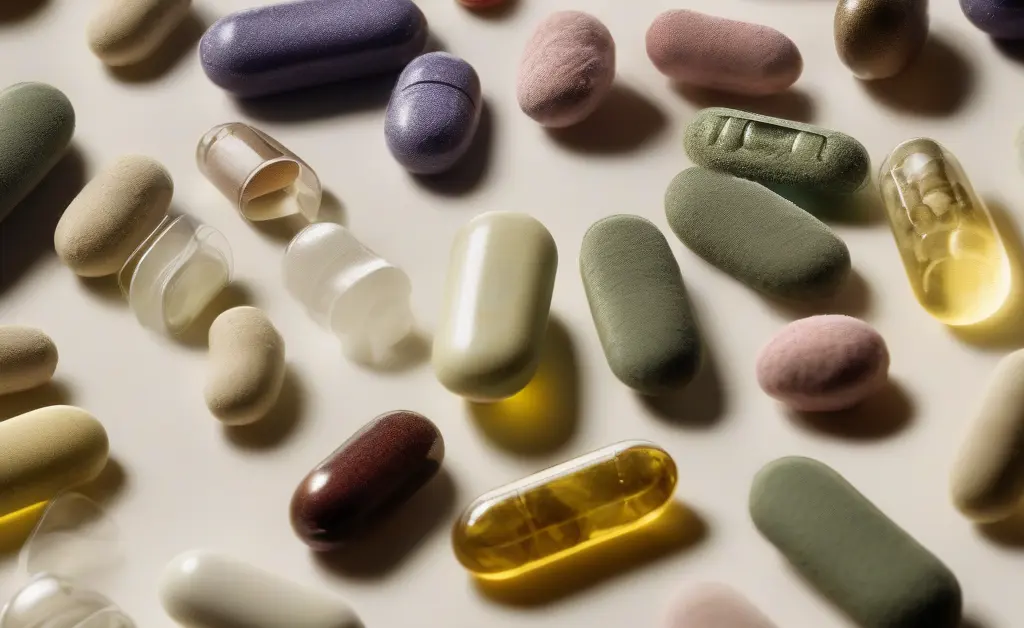
Integrating turkey tail mushroom into a daily routine can be a straightforward way to support gut health. It is commonly available in several forms, making it convenient to add to one’s diet. Understanding the various forms of turkey tail supplementation can help individuals choose the best option for their preferences and needs.
Turkey tail mushroom for humans is typically consumed as a powder, which can be easily mixed into smoothies, teas, or even savory dishes. Capsules and tinctures are also popular choices, offering a convenient way to consume specific amounts. While the exact usage can vary, the goal is consistent, gentle support for the gut microbiome. Many appreciate the ease with which this mushroom can become a part of a regular wellness regimen, providing consistent support for digestive health. It is always wise to consider personal health circumstances and consult a qualified health professional regarding any new supplement.
This article aims to inform, not to replace professional healthcare advice. It is intended for informational purposes only and does not provide medical diagnoses, treatment recommendations, or prescriptions. Always consult with a qualified healthcare professional before making any decisions related to your health or before starting any new dietary supplement or wellness regimen.
FAQ
— Is turkey tail mushroom good for gut health?
Yes, turkey tail mushroom for gut health is often explored due to its beneficial properties that support a healthy gut environment. It contains compounds that interact positively with the diverse microbial community in the digestive system. These interactions are relevant to overall digestive wellness.
— How does turkey tail mushroom help the gut?
Turkey tail mushroom assists the gut primarily by acting as a prebiotic. This means it provides nourishment for beneficial gut bacteria, helping them thrive and maintain a balanced intestinal flora. Such support is crucial for the optimal functioning of the digestive system.
— What compounds in turkey tail benefit gut health?
The main beneficial compounds in turkey tail relevant to gut health are its complex polysaccharides, particularly beta-glucans. These compounds are indigestible by human enzymes but serve as a food source for advantageous gut microbes. This interaction is key to supporting a healthy internal environment.
— Can turkey tail mushroom improve digestion?
By fostering a balanced gut microbiome, turkey tail mushroom contributes to efficient digestive processes. A healthy and diverse community of gut bacteria plays a significant role in breaking down food and nutrient absorption. Supporting these microbial populations indirectly aids in overall digestive function.
— What are the best ways to take turkey tail for gut health?
Turkey tail is commonly consumed in various forms, such as powdered extracts, capsules, or as a brewed tea. These preparations make its beneficial compounds accessible for interaction with the gut. The choice of form often depends on personal preference and desired integration into one’s routine.
— Does turkey tail mushroom have prebiotic properties?
Yes, turkey tail mushroom is recognized for its significant prebiotic properties. Its rich content of non-digestible polysaccharides acts as a substrate, selectively nourishing beneficial bacteria within the gut. This mechanism is central to its ability to support a flourishing internal microbial ecosystem.
— Are there any side effects of taking turkey tail for gut health?
Turkey tail mushroom is generally well-tolerated, but some individuals might experience mild digestive upset, such as gas or bloating. As with any supplement, it is always prudent to consult a healthcare professional, especially if you have underlying conditions or are taking other medications. This ensures it is appropriate for your individual circumstances.