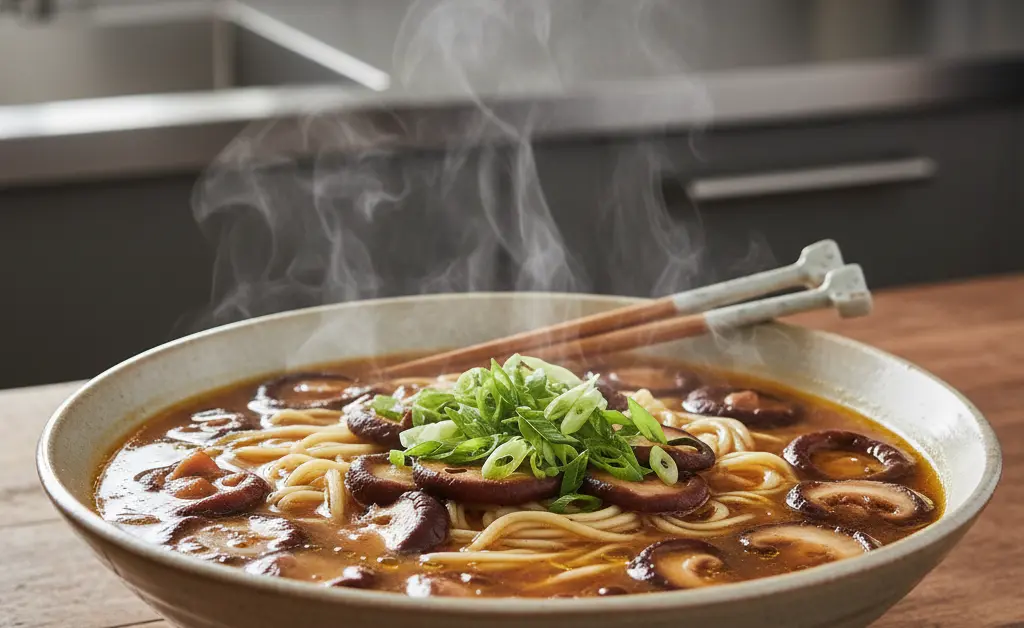
Many home cooks are discovering the rewarding experience of preparing gourmet-quality meals in their own kitchens, often seeking dishes that combine rich flavor with relative simplicity. Among the vast array of culinary delights, ramen stands out as a beloved comfort food, and while traditional versions are often complex, there are accessible ways to achieve a truly satisfying bowl. This guide focuses on demystifying the process, showing you how to master a deeply flavorful shiitake mushroom ramen that brings the umami-rich goodness of this treasured fungi to the forefront. Whether you’re a seasoned chef or a beginner eager to explore Asian cuisine, creating a wholesome and delicious bowl from scratch is within reach. We’ll explore the essential ingredients, practical steps, and expert tips to ensure your homemade rendition rivals any restaurant experience, transforming your kitchen into a haven of culinary exploration.
Shiitake Mushroom Ramen: The Ultimate Recipe
Embarking on the journey of making homemade shiitake mushroom ramen is a rewarding culinary adventure. This ultimate recipe is designed to guide you through creating a bowl that balances rich, earthy mushroom flavor with a deeply savory broth and perfectly cooked noodles. The beauty of this dish lies in its ability to deliver a complex, restaurant-quality experience right in your own kitchen, making it a standout for any weeknight dinner or special occasion. It’s a hearty soup that satisfies the soul.
Why You’ll Love Shiitake Mushroom Ramen
There are numerous reasons why this shiitake mushroom ramen will become a cherished recipe in your repertoire. Discover more delicious shiitake mushroom recipes to expand your culinary skills. First and foremost, its rich umami flavor profile is incredibly satisfying, largely thanks to the star ingredient. Shiitake mushrooms contribute a depth that is both earthy and savory, elevating the entire dish. These mushrooms are also known for their potential health benefits, which can be further explored through resources like the NIH. It’s also a wonderfully customizable meal, allowing you to tailor it to your preferences, whether you prefer it vegan, vegetarian, or with added proteins. This dish offers a quick meal solution without compromising on gourmet taste, making it ideal for a comforting and substantial weeknight dinner that feels far more elaborate than it is to prepare. The warmth and complexity of this homemade mushroom ramen make it an instant favorite.
Key Ingredients for Your Flavorful Bowl
The success of your homemade ramen hinges on selecting high-quality ingredients that build a foundational depth of flavor. Each component, from the mushrooms to the broth and garnishes, plays a crucial role in achieving that authentic and satisfying taste.
Fresh vs. Dried Shiitake Mushrooms
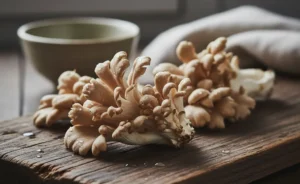
Both fresh and dried shiitake mushrooms offer distinct advantages for your ramen. Dried shiitake mushrooms, when rehydrated, release an intense, concentrated umami flavor into the soaking liquid, which can then be incorporated into your broth to maximize umami. This soaking liquid is a flavor powerhouse, often referred to as “mushroom dashi.” Fresh shiitake mushrooms, on the other hand, provide a tender texture and a milder, yet still distinctive, earthy flavor that complements the broth beautifully. Many recipes for shiitake mushroom ramen benefit from using a combination of both for a multi-layered mushroom flavor. Proper shiitake mushroom prep for ramen, regardless of whether you choose fresh or dried, involves cleaning and slicing them appropriately for cooking. Understanding how to cook shiitake mushrooms properly enhances their flavor and texture.
Choosing Your Ramen Broth Base
The broth is the heart of any ramen. For a truly flavorful bowl, consider starting with a robust vegetable stock or a traditional dashi. A dashi base, made from kombu and dried shiitake, provides a clean yet profoundly savory foundation. Miso paste can be whisked into the broth towards the end of cooking to add a fermented, salty, and incredibly rich umami dimension. For those seeking a richer, more complex stock, incorporating aromatics like ginger and garlic during the simmering process can further enhance the depth of your ramen broth base.
Noodle Selection: Traditional & Quick Alternatives
The type of noodles you choose significantly impacts the overall experience of your ramen. Traditional ramen noodles are typically made from wheat flour, water, salt, and kansui (an alkaline solution), giving them their characteristic chewiness and spring. However, for a quick meal, there are excellent instant ramen alternatives available that cook rapidly. Look for varieties with a good texture that will hold up in the hot broth without becoming mushy. Soba or udon noodles can also be used as quick ramen noodle hacks if traditional ramen noodles are unavailable, offering different textures and flavors that can still create a satisfying soup.
Flavor Boosters & Garnishes
To truly elevate your ramen, an array of flavor boosters and garnishes are essential. Soy sauce and mirin are fundamental for seasoning the broth, providing sweetness and depth. A drizzle of sesame oil adds a nutty aroma. Fresh aromatics like sliced scallions, grated ginger, and minced garlic infuse the broth with vibrancy. For garnishes, consider sheets of nori (seaweed), crisp bok choy, corn, or edamame. A touch of chili oil can provide a spicy kick, while a dollop of miso paste added to the serving bowl can further deepen the savory notes. These added ingredients enhance both the visual appeal and the flavor complexity.
Step-by-Step Guide to Crafting Shiitake Mushroom Ramen
Crafting a delicious bowl of shiitake mushroom ramen from scratch is a straightforward process when approached systematically. Following these steps will ensure a harmonious blend of flavors and textures in your homemade creation.
Preparing Your Ingredients
Organization is key to smooth cooking. Begin by preparing all your ingredients: slice your shiitake mushrooms (fresh or rehydrated), chop your scallions, mince your garlic and ginger, and prepare any other vegetables like bok choy or corn. If using dried shiitake, ensure they are rehydrated and their soaking liquid is reserved. Having everything prepped and ready will make the cooking process much more efficient and enjoyable, allowing you to focus on building the flavors. For a different texture, consider preparing your mushrooms using a shiitake mushroom air fryer method.
Building the Flavorful Broth
The broth is the soul of your shiitake mushroom ramen. Start by sautéing aromatics like garlic and ginger in a pot until fragrant. Add the sliced shiitake mushrooms and cook until slightly softened. Pour in your chosen broth base, such as vegetable stock or dashi, along with the reserved shiitake soaking liquid. Bring the mixture to a gentle simmer, allowing the flavors to meld. This slow simmering process is crucial for maximizing umami flavor. Season the broth with soy sauce and mirin to taste. For an even richer broth, you might simmer some kombu alongside the mushrooms.
Cooking the Noodles to Perfection
While your broth simmers, cook your ramen noodles according to package instructions. It is critical not to overcook them, as they can become mushy. Aim for an al dente texture, where they are tender but still have a slight bite. Drain the noodles thoroughly immediately after cooking. If preparing multiple bowls, cook the noodles in separate batches or just before serving to maintain their ideal texture.
Assembling Your Ramen Bowl
Assembling the bowl is the final and most exciting step. First, place the cooked and drained noodles into deep serving bowls. Carefully ladle the hot, flavorful broth over the noodles, ensuring enough liquid to cover them. Arrange your cooked shiitake mushrooms and any other cooked toppings, such as bok choy or tofu, artistically over the noodles. Finally, scatter fresh garnishes like sliced scallions, nori strips, and a drizzle of sesame oil. For a touch of heat, a swirl of chili oil can be added. This thoughtful arrangement makes for an inviting presentation of your shiitake mushroom ramen.
Tips for Perfecting Your Homemade Ramen
Elevating your homemade ramen from good to exceptional involves attention to a few key details. These tips can help ensure every bowl you create is a culinary triumph.
Achieving the Ideal Noodle Texture
The texture of your noodles is paramount. Overcooked noodles can ruin the experience, becoming soggy and unappetizing. Always cook your noodles separately from the broth and strictly adhere to the cooking times specified on the package, often erring on the side of slightly undercooked if you prefer a firmer bite. After draining, you may rinse them briefly with warm water to prevent sticking, though some prefer to add them directly to the broth immediately. Serve them quickly to maintain their perfect consistency. Different types of noodles will require different cooking times, so adjust accordingly.
Don’t Forget the Garnishes!
Garnishes are not just for aesthetics; they add layers of flavor, texture, and freshness that complete the ramen experience. Fresh scallions provide a sharp, oniony bite, while nori strips offer a distinct oceanic umami. A perfectly soft-boiled egg, with its creamy yolk, adds richness and protein. Other popular choices include bamboo shoots, chili threads for color and mild heat, or a sprinkle of toasted sesame seeds. These small additions can transform a simple bowl into a truly gourmet and visually appealing meal.
Variations & Customizations for Your Ramen
One of the joys of making homemade shiitake mushroom ramen is the endless potential for customization. This recipe serves as a fantastic base, encouraging you to experiment and tailor the dish to your dietary preferences and taste. You might also consider a flavorful shiitake mushroom stir-fry for another quick meal option. The flexibility allows for a truly personalized and satisfying experience.
Making it Vegan or Vegetarian
The core shiitake mushroom ramen recipe is inherently vegetarian-friendly, especially when using a vegetable or mushroom-based broth. To ensure it’s fully vegan, simply avoid any animal products in the broth (like dashi made with bonito flakes) and skip egg garnishes. Tofu is an excellent protein addition for both vegan and vegetarian versions. You can also incorporate a wider array of vegetables such as bok choy, spinach, corn, or edamame to add bulk and nutrition, making it a truly hearty and wholesome meal.
Adding Protein: Tofu, Egg, or Chicken
While the shiitake mushrooms provide a satisfying bite, adding extra protein can make your ramen even more substantial. For a vegan option, pan-fried or crispy baked tofu cubes are superb, absorbing the broth’s flavors beautifully. Vegetarians might opt for a perfectly soft-boiled egg (often called ajitama), which adds a creamy richness and visual appeal. For those who consume meat, thinly sliced grilled chicken or pork belly can be a delicious addition, providing a different texture and depth to the overall flavor profile of the ramen.
Spicy Kicks and Other Flavor Adjustments
For those who appreciate a bit of heat, there are many ways to introduce a spicy kick. A drizzle of chili oil or a spoonful of sriracha or gochujang can transform the flavor profile. Grated fresh ginger or a touch of minced garlic added to the broth can also enhance its aromatic qualities. Experiment with different amounts of soy sauce and mirin to achieve your desired balance of savory and sweet. A dash of rice vinegar at the end can brighten the flavors. These flavor adjustments allow you to fine-tune your shiitake mushroom ramen to suit your personal palate perfectly.
Serving & Storing Your Shiitake Mushroom Ramen
Proper serving and storage are important for enjoying your homemade ramen at its best. Following these guidelines ensures maximum freshness and flavor.
For serving, it is best to assemble each bowl individually just before eating. This practice, often referred to as best practices for serving, prevents the noodles from becoming soggy and allows each diner to customize their garnishes. The broth should be piping hot, and the noodles freshly cooked. If you are preparing for a group, keep the broth simmering gently and have all the toppings ready to go, allowing for quick assembly.
If you have any leftover ramen, it’s generally best to store the components separately. Keep the cooked noodles in an airtight container in the refrigerator, and store the broth separately. This prevents the noodles from absorbing too much liquid and becoming mushy. Reheat the broth gently on the stove and cook fresh noodles, or reheat the stored noodles briefly in boiling water, before combining. This method of storing leftover ramen ensures that your next bowl is almost as fresh and satisfying as the first. For single serving and to-go options, packing the broth and solid ingredients in separate containers is highly recommended.
not applicable
FAQ
— How do you prepare shiitake mushrooms for ramen?
Fresh shiitake mushrooms usually require a quick wipe to clean, then thinly slice the caps after removing the tough stems. For dried shiitake, rehydrate them in warm water until plump, which also yields a flavorful broth that can be used in your ramen. This preparation ensures they cook evenly and integrate well into the dish.
— What kind of noodles are best for shiitake mushroom ramen?
Traditional ramen noodles, made from wheat flour with kansui, are ideal as they offer a springy texture and absorb broth beautifully. While thin, straight varieties often provide a classic experience, wavy noodles can capture more broth with each bite. Ultimately, the best choice often comes down to personal preference for chewiness and broth adherence.
— Can shiitake mushroom ramen be made vegan?
Absolutely, crafting a delicious vegan shiitake mushroom ramen is very straightforward. The umami depth from the shiitake themselves forms an excellent base for a plant-based broth, which can be further enhanced with kombu, soy sauce, and mirin. Ensuring all other toppings are replaced with plant-based alternatives like tofu or seasoned bamboo shoots completes the vegan transformation.
— What ingredients can be added to shiitake mushroom ramen?
Beyond the mushrooms, numerous ingredients can elevate your ramen bowl. Common additions include blanched spinach, soft-boiled eggs, nori seaweed, thinly sliced scallions, and bamboo shoots for varied textures and flavors. A drizzle of sesame oil or a sprinkle of toasted sesame seeds can also add a delightful aromatic finish.
— How long does it take to cook shiitake mushroom ramen?
The total cooking time can vary depending on whether you’re making broth from scratch or using a prepared base. Generally, if you have a broth ready, cooking the noodles and assembling the bowl typically takes only 10-15 minutes. Preparing a homemade mushroom or vegetable broth beforehand might add an extra 30-60 minutes, but this can be done in advance.
— Can dried shiitake mushrooms be used in ramen?
Yes, dried shiitake mushrooms are an excellent choice for ramen and are often preferred by chefs for their concentrated umami flavor. When rehydrated, they release a deep, savory essence into the soaking water, which becomes a fantastic base for your ramen broth. This intense flavor profile adds significant depth that fresh shiitake, while delicious, might not fully achieve.
— What is the best broth base for shiitake mushroom ramen?
A clear, savory dashi or vegetable-based broth provides an ideal foundation for shiitake mushroom ramen, allowing the earthy notes of the mushrooms to shine. The natural umami from the shiitake themselves significantly contributes to the broth’s richness and complexity. This combination creates a comforting and deeply flavorful experience.