Many home cooks might shy away from shiitake mushrooms, perhaps viewing them as an exotic ingredient reserved for specialty dishes or complex recipes. However, this delightful fungi is far more versatile and approachable than often perceived. Dispelling the notion that shiitake are only for Asian cuisine or require advanced culinary skills, this guide will demystify their preparation, showcasing simple yet delicious methods. Whether fresh or dried, these earthy mushrooms can elevate everyday meals with their rich umami flavor and meaty texture. Discovering how to cook shiitake mushrooms is a straightforward journey, unlocking a world of culinary possibilities, from quick sautés to hearty roasts. This article provides essential techniques and tips to transform these mushrooms into a staple in your kitchen, proving they are accessible for everyone.
How to Cook Fresh Shiitake Mushrooms
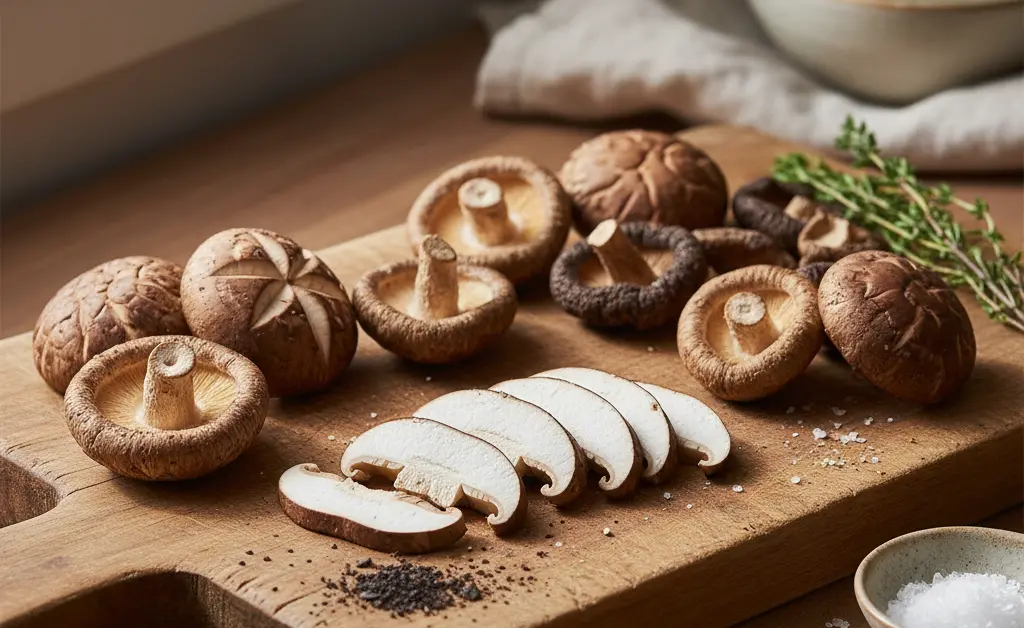
Fresh shiitake mushrooms offer a distinct texture and a milder, yet still savory, flavor compared to their dried counterparts. Learning how to cook shiitake mushrooms when they are fresh allows for quick preparation and a delicate taste that pairs well with many dishes. Shiitake mushrooms are also known for their potential health benefits; for more information, consider resources from the NIH. Their caps are typically firm and slightly convex, holding their shape beautifully during various cooking processes.
How to Prepare Shiitake Mushrooms for Eating
Proper preparation is key to enjoying fresh shiitake. Before cooking, it is important to ensure they are clean and trimmed correctly. The initial steps involve selecting firm mushrooms free from any major blemishes, which sets the stage for a delightful culinary experience. Preparing shiitake mushrooms for cooking is a simple process that enhances their natural qualities.
Cleaning Fresh Shiitake Mushrooms
Unlike some other mushroom varieties, fresh shiitake mushrooms generally do not require extensive washing. They are often grown in controlled environments, resulting in relatively clean caps. Instead of submerging them in water, which can make them waterlogged and less flavorful, it is best to gently wipe the shiitake mushroom caps with a damp paper towel or a soft brush to remove any lingering dirt or debris. This method helps preserve their earthy flavor and texture.
Trimming Shiitake Stems
The stems of shiitake mushrooms are notably tougher and more fibrous than the caps. While the caps are tender and flavorful, the stems can be woody and chewy. Therefore, it is common practice to trim shiitake stems by gently twisting or cutting them off at the point where they meet the cap. Although not typically eaten in their raw or lightly cooked state, the trimmed stems are packed with umami flavor and can be saved to enrich stocks, broths, or sauces, adding depth to various culinary creations.
How to Cook Dried Shiitake Mushrooms
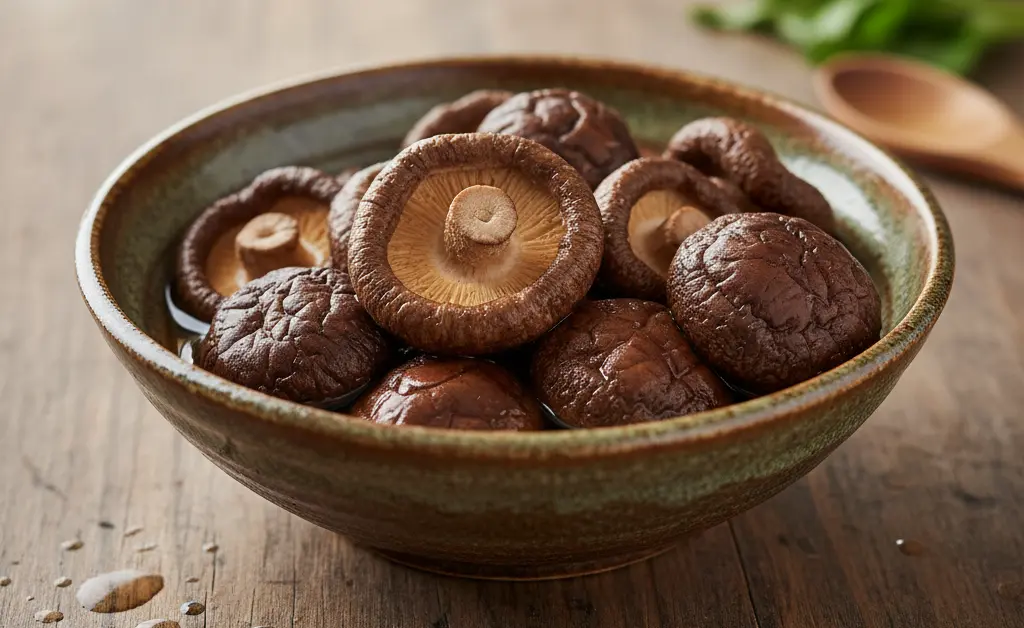
Dried shiitake mushrooms are a pantry staple in many kitchens, prized for their concentrated umami flavor and rich aroma. While fresh shiitake are excellent, dried varieties offer a different dimension, often described as more intense and savory. Understanding how to cook shiitake mushrooms from their dried form unlocks a powerful ingredient for a variety of dishes, especially those requiring deeper, more robust flavors.
Rehydrating Dried Shiitake
To use dried shiitake mushrooms, rehydration is the essential first step. Place the dried mushrooms in a bowl and cover them with warm water. The rehydration process can take some time, allowing the mushrooms to soften and expand. For an even richer flavor, some cooks prefer to rehydrate them in warm vegetable broth. Once soft, gently squeeze out any excess liquid. The flavorful soaking liquid, often referred to as “shiitake dashi,” can be strained and reserved for use in soups, stews, or sauces, adding an incredible depth of flavor. Many enjoy making a hearty shiitake mushroom soup with this liquid.
Stovetop Methods for Shiitake Mushrooms: Sautéing and Pan-Frying
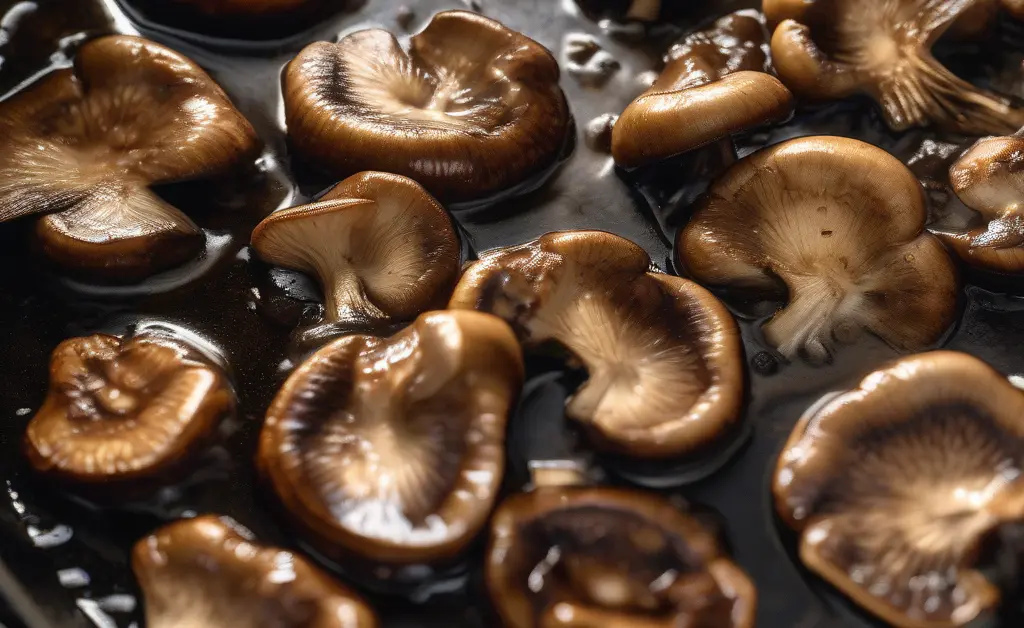
Stovetop cooking is one of the quickest and most popular ways to prepare shiitake mushrooms, yielding tender, savory results that can enhance countless meals. Whether you’re aiming for a quick side dish or an aromatic addition to a main course, mastering how to cook shiitake mushrooms on the stovetop is a fundamental skill. Sautéing and pan-frying are versatile techniques that bring out the best in these flavorful fungi.
Sautéed Shiitake Mushrooms
Sautéed shiitake mushrooms are a classic preparation, celebrated for their tender texture and enhanced umami flavor. This method involves cooking the mushrooms quickly over medium to high heat with a small amount of fat, allowing them to brown and develop a delightful caramelized exterior while remaining juicy inside.
Ingredients for Sautéed Shiitake
For a basic sauté, you’ll need fresh or rehydrated shiitake mushroom caps, a cooking fat such as olive oil or butter, and simple seasonings like salt and freshly ground black pepper. Additional aromatics such as minced garlic or chopped shallots can be introduced for extra flavor complexity. A splash of soy sauce or a touch of fresh herbs like thyme can also elevate the dish.
Step-by-Step Sautéing Instructions
Start by heating your chosen fat in a skillet or frying pan over medium-high heat. Once the pan is hot, add the prepared shiitake mushrooms in a single layer, avoiding overcrowding the pan. Cook for a few minutes without stirring to allow them to brown nicely on one side. Then, toss or stir and continue cooking until they are tender and golden brown all over. Season with salt and pepper to taste.
Achieving the Perfect Sautéed Texture
The key to achieving the perfect sautéed texture for shiitake mushrooms lies in heat control and not overcrowding the pan. High heat encourages caramelization and prevents the mushrooms from steaming, which can make them soggy. A golden-brown exterior and a tender, slightly chewy interior signify a perfectly cooked shiitake mushroom. This method maximizes their natural richness and creates a savory, satisfying bite.
Garlic Butter Shiitake Mushrooms Recipe
A simple yet incredibly flavorful way to enjoy shiitake is by making garlic butter shiitake mushrooms. After sautéing the mushrooms in olive oil until nearly done, add a generous knob of butter and minced garlic to the pan. Cook for another minute or two, stirring constantly, until the butter is melted, the garlic is fragrant, and the mushrooms are coated in the rich, aromatic sauce. Finish with a sprinkle of fresh parsley for a vibrant garnish.
Pan-Frying Techniques
Pan-frying shiitake mushrooms is quite similar to sautéing but often involves slightly more fat and can be done at a slightly lower heat for a more gradual browning. This technique is excellent for achieving a crispier exterior, particularly if the mushrooms are sliced thicker. Ensure even cooking by flipping the mushrooms occasionally until they reach your desired level of tenderness and golden-brown color. Both sautéing and pan-frying highlight the mushroom’s savory qualities beautifully.
How to Roast Shiitake Mushrooms
Roasting shiitake mushrooms in the oven is another fantastic method that brings out their deep umami flavor and offers a slightly different texture profile—tender on the inside with deliciously crispy edges. It’s a hands-off approach that’s perfect for preparing a larger batch of mushrooms, making it an excellent choice for a side dish or meal prep. Discovering how to cook shiitake mushrooms through roasting is a simple way to achieve rich, earthy results.
Ingredients for Roasted Shiitake
For roasted shiitake mushrooms, you’ll need fresh or rehydrated shiitake caps, a good quality olive oil, salt, and freshly ground black pepper. You can also add other seasonings such as garlic powder, onion powder, paprika, or a blend of dried herbs like thyme or rosemary. A drizzle of balsamic vinegar or soy sauce towards the end of roasting can also add a delightful tang and extra savory depth.
Roasting Shiitake in the Oven
Preheat your oven to an appropriate temperature. Arrange the cleaned and trimmed shiitake mushroom caps in a single layer on a baking sheet. Drizzle generously with olive oil and season with salt and pepper, along with any other desired spices. Toss gently to ensure all mushrooms are evenly coated. Roast in the preheated oven, flipping them halfway through, until they are tender and browned around the edges. The roasting time will vary depending on the mushroom size and oven, but they should achieve a tender yet firm consistency with an intensified flavor.
How to Cook Shiitake Mushrooms in an Air Fryer
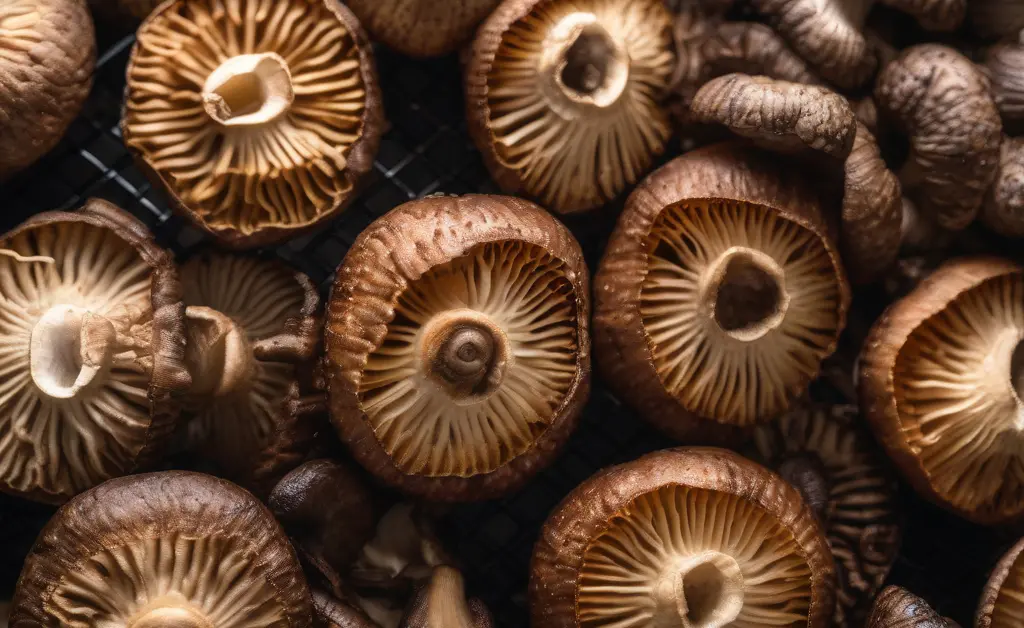
The air fryer has become a popular appliance for quickly achieving crispy textures with less oil, and shiitake mushrooms are no exception. Using an air fryer is an efficient way to how to cook shiitake mushrooms, creating a delightful crunch on the outside while maintaining a tender interior. This method is ideal for a quick side dish or a savory snack.
To cook shiitake mushrooms in an air fryer, ensure they are cleaned, trimmed, and thoroughly dry. Toss the mushroom caps with a small amount of olive oil and your preferred seasonings, such as garlic powder, salt, and pepper. Arrange them in a single layer in the air fryer basket, making sure not to overcrowd. Cook at a moderate temperature for several minutes, shaking the basket periodically, until the mushrooms are golden brown and crispy to your liking. The cooking time will be significantly shorter than oven roasting, offering a convenient alternative.
Tips for Cooking Shiitake Mushrooms
Mastering the art of how to cook shiitake mushrooms involves understanding a few key tips that can elevate your dishes from good to exceptional. From timing to seasoning, these insights will help you make the most of this versatile fungus.
How Long to Cook Shiitake Mushrooms
The cooking time for shiitake mushrooms largely depends on the method and whether they are fresh or rehydrated. Sautéing or pan-frying fresh shiitake typically takes only a few minutes, usually 5-8 minutes, until they are tender and golden brown. Roasted shiitake may require longer, around 15-20 minutes, depending on oven temperature and size. Air frying is quicker, often done in 8-12 minutes. The goal is to cook them until they are tender yet retain some firmness, releasing their full flavor without becoming rubbery or overly soft.
Seasoning and Flavor Combinations
Shiitake mushrooms boast a robust umami profile that pairs beautifully with a wide array of seasonings and flavors. For Asian-inspired dishes, consider soy sauce, ginger, garlic, sesame oil, and a touch of rice wine or mirin. For more Western-style preparations, thyme, rosemary, shallots, and a generous knob of butter work wonderfully. Miso paste can add a fermented, savory depth, while a squeeze of fresh lemon juice at the end can brighten the flavors. Don’t shy away from experimenting with various herbs, spices, and even a hint of red pepper flakes for a subtle kick.
Common Mistakes to Avoid
When cooking shiitake mushrooms, one common mistake is overcrowding the pan or baking sheet. This leads to steaming rather than browning, resulting in soggy, less flavorful mushrooms. Cook in batches if necessary. Another pitfall is overcooking, which can make the mushrooms rubbery. Aim for a tender yet firm texture. Lastly, skipping the rehydration step for dried shiitake or not properly squeezing out excess liquid can impact texture and flavor. Paying attention to these details ensures the best possible results when cooking shiitake mushrooms.
Cooking Shiitake Mushrooms for Ramen
Shiitake mushrooms are a quintessential ingredient for ramen, contributing a rich, earthy umami to the broth. Many find them essential for creating the perfect shiitake mushroom ramen. For ramen, thin slices of fresh shiitake can be added directly to the simmering broth during the final stages of cooking, allowing them to soften and infuse their flavor. Rehydrated dried shiitake, especially if the soaking liquid is used in the broth, offer an even deeper, more complex flavor. The tender mushroom slices provide a delightful textural contrast to the noodles and other toppings.
Cooking Shiitake Mushrooms with Chicken
The savory notes of shiitake mushrooms complement chicken dishes exceptionally well, whether in stir-fries, stews, or roasted preparations. Beyond chicken, there are also fantastic shiitake mushroom recipes for steak that highlight their rich flavor. Sautéed shiitake mushrooms can be added to a pan alongside chicken pieces during cooking, absorbing the pan juices and adding a wonderful dimension of flavor. They can also be incorporated into creamy sauces for chicken or roasted together with chicken and vegetables on a single baking sheet, creating a cohesive and flavorful meal.
Indian Style Shiitake Mushroom Recipes
While often associated with East Asian cuisine, shiitake mushrooms can be wonderfully adapted to Indian cooking styles. There are many delicious shiitake mushroom recipes to explore. They absorb spices beautifully and can be used in curries, dry sautés, or even as a flavorful addition to biryanis. Imagine a rich shiitake and green pea curry, or a spicy mushroom stir-fry with ginger, garlic, turmeric, and garam masala. Their meaty texture holds up well to the robust flavors of Indian spices, offering a unique twist to traditional mushroom preparations.
From the simplicity of a quick sauté to the deep flavors of a roasted dish or a complex curry, shiitake mushrooms are truly a versatile ingredient in the kitchen. Their unique umami and appealing texture make them a rewarding choice for both novice and experienced cooks. By understanding their preparation, rehydration, and various cooking methods, anyone can confidently incorporate these delightful fungi into their everyday meals, elevating ordinary dishes with their extraordinary taste.
This content is for informational use and should not be considered medical instruction. It is not intended to provide medical advice, diagnose, treat, cure, or prevent any disease or health condition. Always consult with a qualified healthcare professional for any health concerns or before making any changes to your diet or lifestyle.
FAQ
— Do you wash shiitake mushrooms before cooking?
Directly washing shiitake mushrooms with water is generally not recommended, as their porous texture can absorb moisture, leading to a less desirable texture when cooked. Instead, gently wipe the caps with a dry or slightly damp cloth to remove any visible dirt or debris. A soft brush can also be used to clean the gills and surface effectively.
— How do you prepare shiitake mushrooms for cooking?
Preparation typically involves removing the tough, woody stems, which are fibrous and not pleasant to eat, though they can be saved for broths. Once destemmed, the caps can be sliced, quartered, or left whole, depending on the recipe and desired presentation. This ensures a more uniform cooking process and better texture.
— How long does it take to cook shiitake mushrooms?
The cooking time for shiitake mushrooms varies based on their size, thickness, and the cooking method chosen, but they generally cook relatively quickly. When sautéing, they might take 5-10 minutes until they soften and develop a rich, savory flavor and a slightly golden-brown appearance. For roasting, expect a similar timeframe, perhaps a bit longer, until they are tender and slightly crispy.
— What is the best way to cook fresh shiitake mushrooms?
Many find that sautéing or roasting fresh shiitake mushrooms are excellent methods to bring out their rich umami flavor and meaty texture. To understand how to cook shiitake mushrooms effectively, quick sautéing in a hot pan with a little oil enhances their natural savory notes and can create a beautiful caramelization. Roasting them with herbs and spices also allows them to become tender inside with a slightly crisp exterior, making them a delicious addition to many dishes.