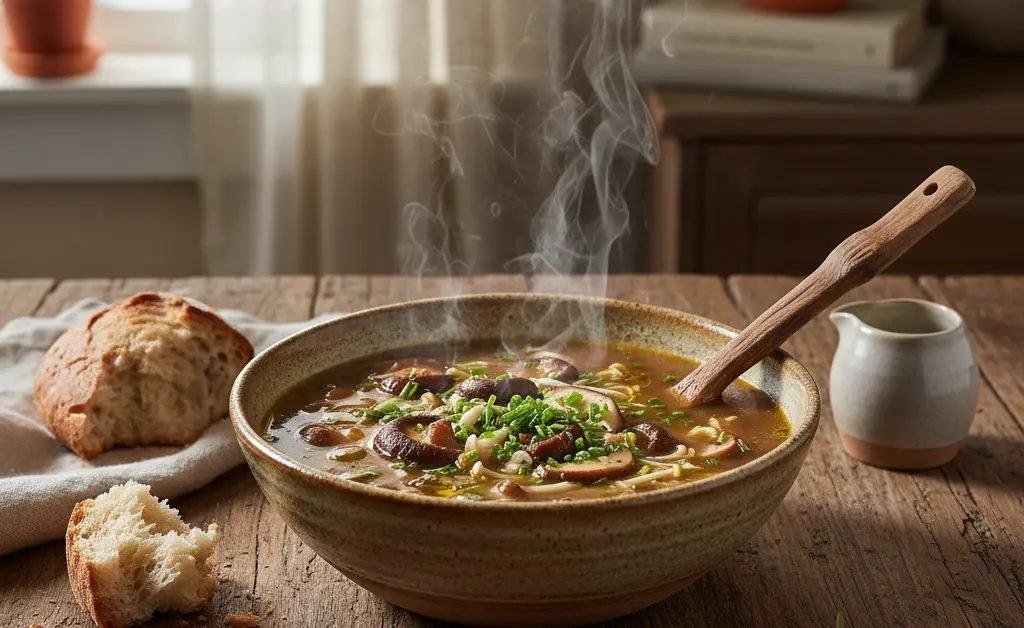
In today’s fast-paced world, finding meals that balance both robust flavor and healthful benefits is a priority for many. As individuals increasingly turn to wholesome ingredients to nourish their bodies and souls, the humble mushroom has risen as a culinary star. Shiitake mushrooms, in particular, are celebrated not only for their distinctive umami taste but also for their nutritional profile and versatility in the kitchen. Learning to prepare a truly exceptional shiitake mushroom soup offers a delightful way to incorporate these beneficial fungi into your diet. This guide will walk you through the nuances of selecting ingredients, mastering cooking techniques, and exploring various creative adaptations to craft a comforting and aromatic bowl that elevates your home cooking.
Ingredients for Shiitake Mushroom Soup
Crafting a delicious shiitake mushroom soup begins with selecting the right ingredients. The quality of each component contributes significantly to the final flavor profile and texture. Understanding the unique characteristics of shiitake mushrooms and how they interact with other elements is key to a truly savory and comforting dish.
Fresh vs. Dried Shiitake Mushrooms
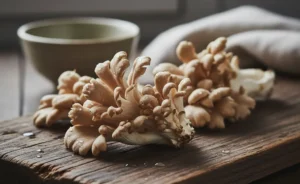
Both fresh and dried shiitake mushrooms offer distinct advantages in a shiitake mushroom soup. Fresh shiitakes have a tender, meaty texture and a milder, earthy flavor. They are excellent for adding bulk and a delicate mushroom essence. Dried shiitakes, on the other hand, boast a more concentrated, intense umami flavor. When rehydrated, they release a rich, savory liquid that can be incorporated into the broth, significantly deepening the overall taste. While dried shiitakes require a bit more preparation time for soaking, their profound flavor contribution is often considered indispensable for a truly authentic and robust soup.
Essential Flavor Enhancers
Beyond the shiitakes themselves, several key ingredients are crucial for building the foundational flavors of a hearty soup. Aromatics such as finely chopped garlic, fresh ginger, and onions provide a fragrant base when sautéed. A high-quality broth or stock, whether vegetable, chicken, or dashi, forms the liquid backbone. Soy sauce adds a salty, umami depth, while a touch of sesame oil can introduce a nutty aroma. Fresh herbs like cilantro or scallions can be stirred in at the end for brightness and a visually appealing garnish, enhancing the overall experience of the shiitake mushroom soup.
Shiitake Mushroom Soup with Milk
For those seeking a richer, creamier texture without heavy cream, incorporating milk can be an excellent option for shiitake mushroom soup. Whole milk or even a plant-based milk like oat or cashew milk can be stirred in during the final stages of cooking. This addition mellows the strong umami notes of the shiitake, lending a velvety consistency and a subtly sweet counterpoint to the savory flavors. It’s a method that creates a comforting, hearty soup while often keeping it lighter than traditional cream-based versions.
Shiitake Soup with Tofu
Tofu is a versatile ingredient that pairs wonderfully with shiitake mushrooms, particularly in Asian-inspired soups. Adding firm or silken tofu cubes to your shiitake mushroom soup introduces a delightful textural contrast and boosts the protein content, making the soup more substantial. Tofu absorbs the flavors of the broth, becoming infused with the savory essence of the mushrooms and other seasonings. It is an excellent choice for adding body and richness without meat, appealing to both vegetarians and those looking for a lighter yet filling meal.
Vegan and Vegetarian Adaptations
Shiitake mushroom soup is inherently adaptable to vegan and vegetarian diets. To create a vegan version, ensure the broth is vegetable-based and use plant-based milk alternatives if aiming for a creamy texture. Tofu, tempeh, or various plant-based proteins can be added for substance. For vegetarian variations, you might use a dairy-based milk or a vegetable broth. Both styles benefit from generous amounts of fresh vegetables like bok choy, carrots, or spinach, which complement the earthy flavor of the shiitakes and add a range of nutrients and vibrant colors to the bowl. For comprehensive information on global health, consult resources like the WHO.
How to Make Shiitake Mushroom Soup
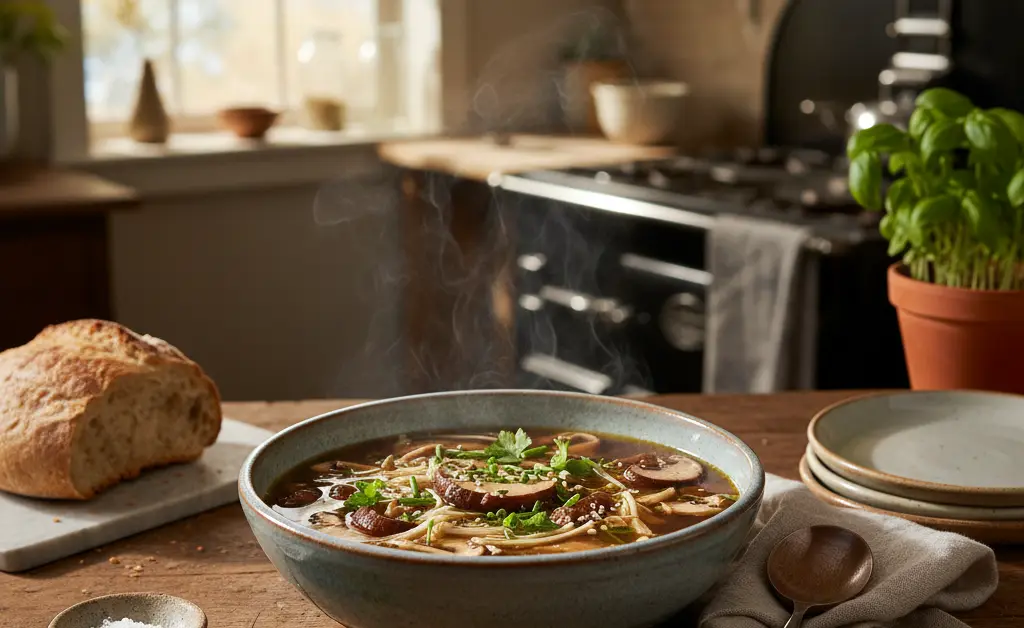
Preparing a flavorful shiitake mushroom soup involves a series of steps that build layers of taste and aroma. From initial ingredient preparation to the final seasoning adjustments, each stage plays a crucial role in creating a balanced and comforting dish that celebrates the unique qualities of shiitake mushrooms.
Basic Recipe Overview
The fundamental process for making shiitake mushroom soup typically begins with preparing your ingredients, followed by sautéing aromatics and the mushrooms to develop a deep flavor base. Next, liquid is added, and the soup is simmered to allow the flavors to meld beautifully. Finally, the seasoning is adjusted to perfection, and any desired garnishes are incorporated just before serving. This straightforward approach ensures a satisfying and aromatic result every time.
Preparing Ingredients
Proper ingredient preparation is foundational to any successful soup. For shiitake mushroom soup, this includes carefully cleaning the mushrooms by wiping them with a damp cloth and slicing the caps. The tough stems are usually removed and discarded or reserved for making stock, as they can be chewy. Other ingredients, such as onions, garlic, and ginger, should be finely chopped or minced. If using vegetables like carrots or celery, they should be diced uniformly to ensure even cooking and texture in the final soup.
Sautéing and Building Flavor
Building a robust flavor profile starts with sautéing. In a pot, cook your chosen aromatics—onions, garlic, and ginger—in a bit of olive oil or butter until fragrant and softened. This process releases their essential oils and creates a savory foundation. Next, add the sliced shiitake mushroom caps, allowing them to brown slightly. Sautéing the mushrooms helps to develop their umami depth and a pleasant texture. For more detailed instructions, consider learning how to cook shiitake mushrooms properly for various dishes. Deglazing the pot with a splash of broth or wine after sautéing can also lift any browned bits from the bottom, incorporating those concentrated flavors into the soup base.
Simmering Techniques
Once the base flavors are established, the broth is added, and the soup is brought to a gentle simmer. Simmering is a crucial step that allows all the ingredients to meld and their flavors to deepen. It should be a slow, gentle process, not a rapid boil, to prevent the vegetables from becoming overly soft and the broth from reducing too quickly. Typically, the shiitake mushroom soup will simmer for a period, allowing the mushrooms to soften further and impart their full flavor to the liquid. This slow infusion ensures a rich and harmonious taste.
Adjusting Seasoning and Consistency
The final stage of preparation involves tasting and adjusting the seasoning. This is where you fine-tune the balance of salt, pepper, soy sauce, and any other desired spices or herbs. It’s often helpful to taste a small amount, adjust, and then re-taste until the flavor is just right. You can also adjust the consistency of the soup at this point. If it’s too thick, add a bit more broth or water. If it’s too thin, you might simmer it longer to reduce, or consider adding a cornstarch slurry or a blended portion of the soup itself to thicken it slightly, achieving the perfect texture.
Dried Shiitake Mushroom Soup
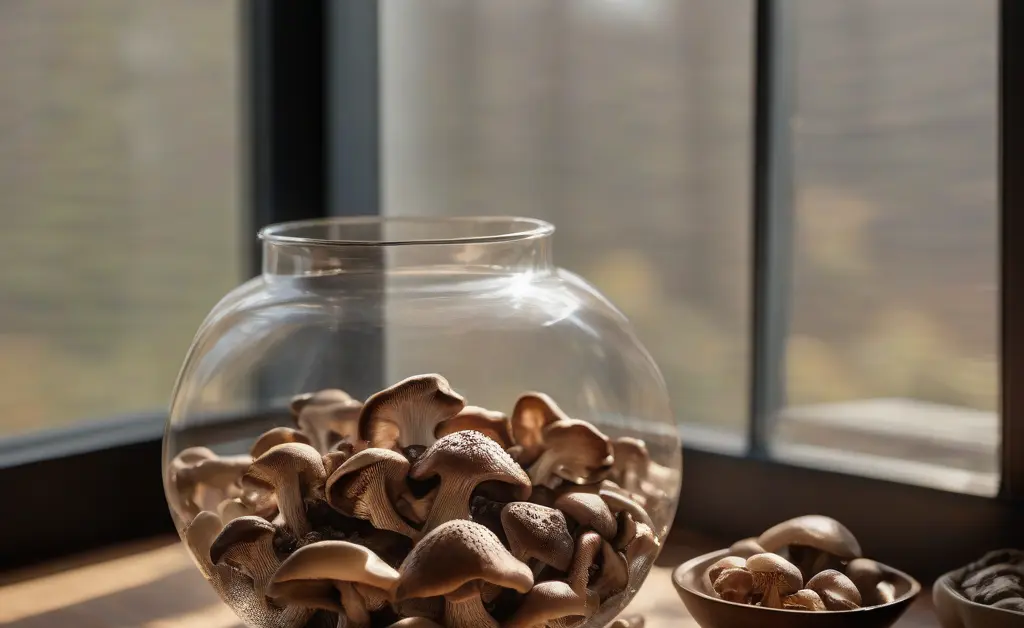
Dried shiitake mushrooms are a secret weapon for creating an exceptionally deep and flavorful shiitake mushroom soup. Their concentrated umami notes and robust aroma are unparalleled, making them a favorite for many traditional shiitake mushroom recipes. The preparation involves a simple, yet crucial, rehydration step that unlocks their full potential.
Recipe using Dried Shiitake
To prepare a shiitake mushroom soup using dried shiitakes, the first step is always rehydration. Place the dried mushrooms in a bowl and cover them with warm water or, for an even richer broth, warm vegetable or chicken stock. Allow them to soak for at least 30 minutes, or even a few hours, until they are plump and soft. Once rehydrated, gently squeeze out any excess liquid, reserving this flavorful soaking liquid as it is packed with umami and should be strained and added to your soup broth. Slice the rehydrated shiitake caps and proceed with your soup recipe, knowing that these mushrooms will contribute an extraordinary depth of flavor that is difficult to achieve with fresh shiitakes alone.
Creamy vs. Cream-Free Shiitake Mushroom Soup
The choice between a creamy or cream-free shiitake mushroom soup largely depends on personal preference and desired richness. Both styles offer unique sensory experiences, from the velvety indulgence of a creamy bowl to the light, clear flavors of a broth-based version. Each approach highlights the shiitake’s distinct umami in its own way.
Achieving a Creamy Texture
There are several methods to achieve a lusciously creamy texture in your shiitake mushroom soup. For a dairy-inclusive option, a splash of heavy cream, half-and-half, or even milk can be stirred in at the end. For a plant-based alternative, full-fat coconut milk or cashew cream offers a similar richness and mouthfeel. Another technique involves blending a portion of the cooked soup with some of the mushrooms and vegetables, then returning it to the pot to naturally thicken the entire batch. Pureed potatoes or cannellini beans can also be added for a subtle thickening effect without overpowering the mushroom flavor.
Creamy Roasted Garlic & Shiitake Soup
A particularly decadent variation is a creamy roasted garlic and shiitake soup. Roasting whole heads of garlic transforms its sharp pungency into a sweet, mellow, and deeply aromatic paste. This roasted garlic is then incorporated into the soup base, often alongside sautéed shiitake mushrooms. When blended with a creamy element—such as cream, coconut milk, or even a potato base—the roasted garlic and shiitake create a harmonious symphony of earthy, savory, and subtly sweet flavors, resulting in a wonderfully comforting and sophisticated creamy roasted garlic and shiitake mushroom soup.
Tips for the Best Shiitake Mushroom Soup
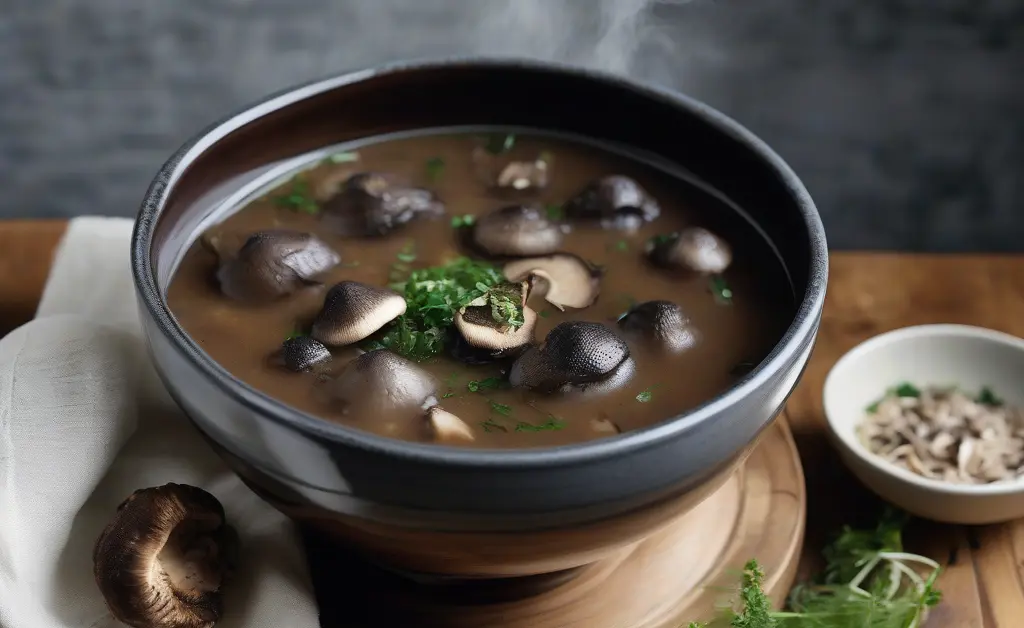
Creating the best shiitake mushroom soup involves paying attention to details that enhance its inherent umami and explore its versatility across different culinary traditions. Small adjustments and additions can significantly elevate the overall taste and experience.
Boosting Umami Flavor
Shiitake mushrooms are naturally rich in umami, but you can enhance this savory depth even further. Beyond using dried shiitakes and their soaking liquid, consider adding a tablespoon of miso paste dissolved in a little warm broth at the end of cooking. A piece of kombu (dried kelp) simmered in the broth and then removed can also contribute to a deeper umami. A dash of fish sauce (or a vegan alternative) or a spoon of tomato paste can also amplify the savory notes, creating a more complex and satisfying shiitake mushroom soup. Beyond soups, the versatility of shiitake mushrooms extends to other preparations, such as a rich shiitake mushroom sauce.
Japanese Shiitake Soup Variations
Japanese cuisine frequently features shiitake mushrooms. A classic Japanese shiitake soup often starts with a dashi base, made from kombu and bonito flakes (or just kombu for a vegan version). Thinly sliced shiitakes, tofu, and scallions are common additions. Miso soup, with its rich umami, is another popular vehicle for shiitakes. The mushrooms can also be incorporated into a hearty udon or ramen soup, adding their distinctive flavor and texture to the noodle broth.
Chinese Shiitake Soup Variations
In Chinese cuisine, shiitake mushrooms are integral to many soups. They frequently appear in clear broths, often alongside ginger, garlic, and scallions, creating a light yet flavorful soup. Hot and sour soup is a well-known variation where shiitakes contribute to the earthy depth, balancing the spicy and sour elements. They are also common in vegetable-based soups and can be found in a variety of medicinal and restorative soups, where their flavor and texture are highly valued.
Vietnamese Shiitake Soup Variations
Vietnamese cooking also embraces the shiitake mushroom in its soups, often infusing them with aromatic spices. While perhaps less common than in Chinese or Japanese cuisine, shiitakes can be found in vegetarian versions of pho, where they replace meat and contribute a robust, earthy note to the fragrant broth, often flavored with star anise, cinnamon, and ginger. They might also appear in other noodle soups or clear broths, providing a delightful chewiness and savory undertone.
Hot and Sour Shiitake Soup
A classic hot and sour shiitake soup is a vibrant and flavorful dish characterized by its distinct balance of spicy, sour, savory, and sometimes sweet notes. Shiitake mushrooms contribute essential earthiness and a satisfying texture. The “hot” comes from chili oil or white pepper, while vinegar (often rice vinegar) provides the “sour.” Other common ingredients include bamboo shoots, tofu, and sometimes egg ribbons, all simmered in a savory broth thickened with a cornstarch slurry, making for a truly dynamic and invigorating soup experience.
Serving Suggestions and Storage
Once your shiitake mushroom soup is perfected, consider how best to serve and store it to maintain its quality and flavor for future enjoyment. Proper handling ensures that every bowl is as delicious as the first.
Storing Leftover Soup
To store leftover shiitake mushroom soup, allow it to cool completely at room temperature before transferring it to airtight containers. Refrigerate promptly within two hours of cooking. The soup can typically be stored in the refrigerator for up to 3-4 days. For longer storage, the soup freezes exceptionally well. Pour it into freezer-safe containers or heavy-duty freezer bags, leaving some headspace for expansion, and freeze for up to 2-3 months. Freezing can sometimes slightly alter the texture of certain ingredients, but the flavor of the shiitake mushroom soup remains robust.
Reheating Instructions
When reheating your shiitake mushroom soup, it’s best to do so gently to preserve its texture and flavor. If frozen, thaw it in the refrigerator overnight or use a defrost setting on your microwave. For reheating, transfer the desired portion to a saucepan and warm over medium-low heat, stirring occasionally, until it reaches a gentle simmer. Avoid boiling rapidly, as this can break down the ingredients and diminish the freshness of the flavors. If the soup has thickened in storage, you might need to add a splash of water or broth to achieve the desired consistency while reheating.
The journey through mastering shiitake mushroom soup offers a rewarding culinary experience. From understanding the nuanced differences between fresh and dried varieties to exploring diverse flavor enhancements and global adaptations, this guide equips home cooks with the knowledge to create deeply satisfying and aromatic bowls. Whether you prefer a light, clear broth or a rich, creamy texture, the versatility of shiitake mushrooms ensures a comforting and flavorful dish every time. Enjoy the process of crafting your perfect bowl of shiitake mushroom soup, a testament to the simple elegance and profound taste of these remarkable fungi.
The content presented here is not a substitute for professional medical guidance. It is intended for informational purposes only and should not be used to diagnose, treat, cure, or prevent any disease or condition. Always consult with a qualified healthcare professional before making any decisions related to your health or incorporating new dietary elements. Individual results and experiences may vary, and this information is not intended to provide specific medical advice.
FAQ
— How do you prepare shiitake mushrooms for soup?
Preparing fresh shiitake mushrooms for culinary use typically involves gently cleaning the caps with a damp cloth to remove any debris. It is common practice to remove the tough, woody stems, as these can impart an undesirable texture, while the caps are then ready to be sliced or incorporated whole.
— What ingredients are needed for a creamy shiitake mushroom soup?
Crafting a creamy shiitake mushroom soup generally calls for fresh shiitake, a rich broth, and a dairy or non-dairy cream to achieve its characteristic texture. Essential aromatics such as shallots or garlic often form the base, while fresh herbs like thyme can enhance the overall profile.
— Can you make shiitake mushroom soup without cream?
Indeed, a flavorful shiitake mushroom soup can be created entirely without cream, resulting in a lighter yet deeply savory experience. Achieving body without cream often involves simmering the mushrooms until tender and then blending a portion of the soup to naturally thicken it. This method truly allows the inherent umami notes of the shiitake to shine through.
— What kind of broth is best for shiitake mushroom soup?
The ideal broth for shiitake mushroom soup depends on your desired flavor intensity, with both vegetable and chicken options working wonderfully. A robust vegetable broth complements the mushrooms’ earthy, umami qualities, creating a cohesive plant-forward experience. For a deeper, more rounded taste, a high-quality chicken broth can provide an excellent savory base.
— How long does it take to cook shiitake mushroom soup?
The preparation and cooking of a delightful shiitake mushroom soup typically spans approximately 30 to 45 minutes from start to finish. This duration accounts for sautéing aromatic elements, gently simmering the mushrooms in their liquid until tender, and allowing the rich flavors to fully develop. The mushrooms themselves require only a relatively short cooking time to reach their optimal texture and release their distinctive taste.
— Can shiitake mushroom soup be frozen?
Shiitake mushroom soup generally freezes effectively, which makes it a practical choice for future meals. For optimal preservation, ensure the soup is fully cooled before portioning it into freezer-safe containers, allowing a small amount of space for expansion. When you plan to consume it, simply thaw the soup in the refrigerator and reheat it gently to restore its original warmth and flavor.
— What can I add to shiitake mushroom soup for more flavor?
To enhance the flavor complexity of your soup, incorporating fresh herbs such as thyme or chives late in the cooking process can add vibrant notes. A touch of good quality soy sauce or a dash of balsamic vinegar can deepen the umami and add a subtle tang, respectively. For an even more intense mushroom taste, consider sautéing the shiitakes until deeply browned before adding them to the broth.