Many people around the world appreciate the distinct umami flavor and versatile nature of shiitake mushrooms, making them a staple in numerous cuisines. However, when it comes to understanding their authentic origins and specific nomenclature, a lot of home cooks and culinary enthusiasts might find themselves curious about the precise terms used. This guide aims to demystify the various ways to refer to the shiitake mushroom in Chinese, delving into its common names, correct pronunciations, and the subtle differences that distinguish them. We will explore both standard Mandarin and relevant Cantonese terms, providing clarity on how these beloved fungi are known and discussed within Chinese culinary and linguistic contexts.
Chinese Translations for Shiitake Mushroom
Understanding the proper Chinese translations for this beloved edible mushroom is key to appreciating its role in Asian cuisine. While “shiitake” itself is a Japanese term, the fungi have a long history and significant culinary presence in China, leading to distinct names for the shiitake mushroom in Chinese contexts.
Shiitake Mushroom: Mandarin Chinese-English Meaning
In Mandarin Chinese, the most common term for shiitake mushroom is 香菇 (Xiānggū). The characters literally translate to “fragrant mushroom,” a name that perfectly encapsulates one of its most defining characteristics—its rich, aromatic scent. This term broadly refers to various types of edible mushrooms with a similar appearance and aromatic profile, but it specifically denotes the shiitake when discussed in culinary settings. Another important term, 花菇 (Huāgū), also means “flower mushroom” and refers to a particular, highly prized quality of shiitake.
Correct Cantonese Word for Shiitake
When discussing the shiitake mushroom in Cantonese, the terms largely mirror those in Mandarin, but with different pronunciations. 香菇 is pronounced as “hoeng1 gu1” in Cantonese. Similarly, 花菇 is pronounced as “faa1 gu1.” These terms are widely understood and used in Cantonese-speaking regions, particularly in Hong Kong and Guangdong, when referring to the various forms of this popular Chinese mushroom, especially in traditional Cantonese cuisine.
Primary Term: 香菇 (Xiānggū)
The term 香菇 (Xiānggū) serves as the primary and most widely recognized name for the shiitake mushroom in Chinese. This term is used across a broad spectrum, from everyday grocery shopping to detailed discussions in culinary arts. It encompasses the general category of shiitake, whether fresh or dried, and is universally understood to refer to this distinct fungus. The “fragrant” aspect of its name highlights its intense aroma, which deepens significantly upon drying, making dried mushrooms a crucial ingredient in many dishes. Global health organizations like the WHO often provide guidelines on food safety and nutrition.
Alternative Term: 花菇 (Huāgū)
While 香菇 is the general term, 花菇 (Huāgū) refers to a specific, higher grade of shiitake mushroom. The name, meaning “flower mushroom,” comes from the distinctive flower-like cracks that appear on the cap surface. These cracks develop during a specific cultivation and drying process, often associated with colder temperatures and careful drying techniques. 花菇 are highly valued for their thicker caps, richer flavor, and meatier texture compared to standard 香菇, making them a preferred choice for special occasions and gourmet dishes in Chinese cuisine.
Pinyin Pronunciation for Shiitake Mushroom in Chinese
Accurate pinyin pronunciation is crucial for correctly identifying and discussing the shiitake mushroom in Chinese-speaking environments. Understanding the tones associated with each character ensures clear communication and a deeper appreciation of the language.
How to Pronounce 香菇 (Xiānggū)
The pinyin for 香菇 is Xiānggū. Let’s break down the pronunciation:
- Xiāng (香): Pronounced like “shyang” in English, with a rising-falling (first) tone. The “x” is similar to the “sh” in “she,” but with the tongue tip behind the lower teeth. The “iang” is like “e-ang” quickly, ending with a nasal “ng” sound.
- gū (菇): Pronounced like “goo” in English, with a flat (first) tone. The “g” is a hard “g” sound, and “u” is like “oo” in “moon.”
When combined, the pronunciation is “shyang-goo,” emphasizing the fragrant nature of this popular edible mushroom. The broad category of edible fungi often leads to questions about what is turkey tail mushroom, another type of fungus appreciated for different reasons.
How to Pronounce 花菇 (Huāgū)
The pinyin for 花菇 is Huāgū. Here’s a guide to its pronunciation:
- Huā (花): Pronounced like “hwah” in English, with a flat (first) tone. The “h” is similar to the “h” in “hat,” and “ua” is like “wah” in “water.”
- gū (菇): Pronounced like “goo” in English, with a flat (first) tone, identical to the “gū” in 香菇.
Together, it sounds like “hwah-goo.” This distinct pronunciation helps differentiate this premium type of shiitake mushroom in Chinese culinary discussions.
Nuances of Shiitake: 香菇 (Xiānggū) vs. 花菇 (Huāgū)
While both terms refer to the shiitake mushroom in Chinese, the distinction between 香菇 (Xiānggū) and 花菇 (Huāgū) is significant, particularly in culinary contexts where quality and specific characteristics matter.
Distinguishing Between 香菇 and 花菇
The primary difference between 香菇 and 花菇 lies in their quality, appearance, and texture. 花菇 (flower mushrooms) are a premium variety of shiitake, easily identifiable by their signature cracked caps, which resemble blooming flowers. These cracks are not merely aesthetic; they indicate a slower, more controlled growth process, often in cooler temperatures, which results in a denser, meatier texture and a more concentrated flavor. Standard 香菇, while still highly aromatic and flavorful, typically have smoother, darker caps and may be thinner. This distinction makes 花菇 a more sought-after ingredient for specific dishes requiring a luxurious texture and intense umami. Similarly, understanding turkey tail mushroom qualities is essential for appreciating its unique value.
Common Usage and Contexts of 香菇 and 花菇
In general Chinese cooking, 香菇 are widely used for everyday dishes due to their accessibility and excellent flavor. They are versatile and can be found in stir-fries, soups, braises, and stews. They contribute a robust umami depth that enhances many recipes, from simple vegetable dishes to complex meat preparations. 花菇, on the other hand, are often reserved for special occasions or dishes where their superior quality can truly shine. Their thick, chewy texture makes them ideal for celebratory banquets or dishes where they are meant to be a star ingredient, such as Braised Stuffed Shiitake Mushrooms (红烧香菇酽) or elaborate soups. The choice between them often depends on the desired texture, flavor intensity, and the significance of the meal being prepared. The practical implications of turkey tail mushroom size can also influence its preparation and uses in different culinary traditions.
Shiitake Mushroom in Chinese Cooking
The shiitake mushroom plays an indispensable role in Chinese cooking, valued for its unique umami flavor and versatile textures. Whether fresh or dried, it imparts a depth that is central to many traditional dishes. Its presence is so foundational that understanding the different ways to use the shiitake mushroom in Chinese cuisine is key to mastering many regional flavors.
Dried Shiitake Mushrooms (香菇, xiang gu)
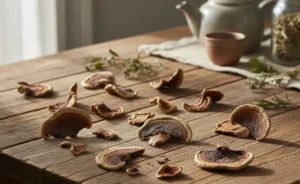
Dried shiitake mushrooms, primarily referred to as 香菇 (xiānggū), are a pantry staple in Chinese kitchens across the globe. The drying process intensifies their already rich umami flavor and aroma, making them a powerful ingredient. Observing where a turkey tail mushroom on tree grows provides insight into its natural habitat and ecological role. Before use, they are typically rehydrated in warm water, and the resulting dark, aromatic soaking liquid is often saved and used as a flavorful broth base for soups and sauces. Dried shiitake lend a profound earthiness and a chewy, satisfying texture to dishes. They are commonly incorporated into braised meats, vegetable stir-fries, dim sum fillings, and various vegetarian stews, where their robust flavor stands out. Their ability to infuse dishes with a savory depth makes them a foundational element for many classic Chinese recipes, including those that showcase the high-quality 花菇 variety.
The journey through the various names, pronunciations, and nuanced distinctions of the shiitake mushroom in Chinese culinary and linguistic contexts reveals the depth of its cultural significance. From the widely recognized 香菇 (Xiānggū) to the prized 花菇 (Huāgū), each term carries specific meanings and implications for quality and usage. Understanding these aspects not only enriches one’s appreciation for Chinese cuisine but also offers a clearer insight into how these fragrant fungi are categorized and celebrated across different regions. Whether for their robust umami or their earthy aroma, shiitake mushrooms continue to be an essential and versatile ingredient, embodying a rich tradition of flavor and culinary excellence.
This material is shared for educational insight, not for clinical decision-making. Information presented is intended for general knowledge and understanding only, and should not be considered a substitute for professional advice or treatment. Always consult with a qualified healthcare provider for any health concerns or before making any decisions related to your health or well-being.
FAQ
— What is the Chinese translation for shiitake mushroom?
The most common and widely recognized translation for shiitake mushroom in Chinese is 香菇 (xiānggū). This term directly translates to “fragrant mushroom,” a fitting name given its distinctive aroma.
— How do you write shiitake mushroom in Chinese characters?
The Chinese characters for shiitake mushroom are 香菇. The first character, 香, signifies “fragrant” or “aromatic,” while the second character, 菇, refers specifically to a mushroom.
— What is the Pinyin for 香菇?
The Pinyin for 香菇 is xiānggū. This phonetic system helps in pronouncing the Mandarin Chinese characters correctly.
— Are 香菇 and 花菇 both types of shiitake mushrooms?
Yes, both 香菇 (xiānggū) and 花菇 (huāgū) refer to types of shiitake mushrooms, with花菇 often considered a premium variety. 花菇, meaning “flower mushroom,” is distinguished by its unique cracked, flower-like pattern on the cap, which typically develops in colder growing conditions.
— What is the meaning of 香菇 in Chinese?
The meaning of 香菇 in Chinese is “fragrant mushroom.” The character 香 (xiāng) directly translates to “fragrant,” “aromatic,” or “perfumed,” while 菇 (gū) is the general term for a mushroom. This name perfectly captures the mushroom’s notable earthy and umami scent.