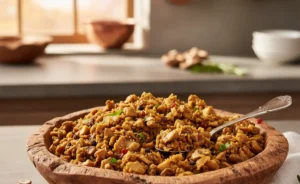
As a seasoned culinary explorer, I understand the intricacies of ingredients that bridge cultures. Shiitake mushrooms are a prime example, deeply rooted in Asian cuisines and celebrated globally for their rich umami and distinct texture. However, navigating their identity, particularly when it comes to their origins, can be a fascinating journey. Understanding the precise terminology and cultural nuances associated with the shiitake mushroom in Chinese culinary traditions is essential for anyone looking to truly appreciate this versatile fungi. This exploration extends beyond mere translation, delving into specific names like xiānggū and huāgū, their unique characteristics, and correct pronunciation, offering a comprehensive guide for enthusiasts and home cooks alike. We’ll unpack the differences that shape their usage and flavor profiles in authentic dishes.
Shiitake Mushroom in Chinese Cooking
The shiitake mushroom holds a revered place in Chinese cuisine, prized not only for its distinct savory taste, often described as umami, but also for its versatile texture. Whether fresh or dried, these edible mushrooms contribute significantly to the depth and complexity of many traditional dishes. They are a fundamental ingredient, lending a robust earthiness that complements a wide array of flavors, from delicate vegetable stir-fries to hearty braised meats. Beyond shiitake, various other fungi are recognized for their culinary and medicinal properties, such as the turkey tail mushroom.
In various regions across China, shiitake mushrooms are incorporated into soups, stews, and stir-fries, serving as a primary flavoring agent or a substantial component of the dish. Their ability to absorb surrounding flavors while imparting their own unique character makes them indispensable. The rich history of using the shiitake mushroom in Chinese cooking underscores its cultural and culinary importance, making it a staple in countless kitchens.
Dried Shiitake Mushrooms (香菇, xiang gu)
Dried shiitake mushrooms, known as 香菇 (xiānggū), are perhaps even more widely used in Chinese cooking than their fresh counterparts. The drying process concentrates their flavor, intensifying their umami notes and creating a more robust aroma. Before use, these dried mushrooms are rehydrated, often in warm water, which then becomes a flavorful stock that can be incorporated into the dish. This practice maximizes the culinary potential of the shiitake, ensuring no part of its rich essence is lost. For general health and dietary advice regarding edible fungi, resources like the NHS provide valuable information.
Rehydrated dried shiitake are particularly valued for their chewy, meaty texture, making them an excellent vegetarian substitute for meat in some recipes. They are commonly featured in slow-cooked dishes like Braised Stuffed Shiitake Mushrooms (红烧香菇酽), where their depth of flavor can fully develop. The use of dried xiānggū is a testament to the ingenuity of Chinese cuisine, transforming a simple fungus into a powerful flavor enhancer. This enhancement highlights the unique shiitake mushroom taste that develops through drying.
Chinese Translations for Shiitake Mushroom
When discussing the shiitake mushroom in Chinese, it’s important to understand that there isn’t a single, monolithic translation. Instead, various terms are used, primarily reflecting different types or preparations of the mushroom, or regional linguistic variations. The most common terms encountered will often distinguish between the general term for shiitake and specific, highly prized varieties.
Understanding these specific terms is crucial for anyone exploring authentic Chinese cuisine or seeking to identify the correct ingredients in markets. The nuances in vocabulary reflect the sophisticated appreciation for this fungus within Chinese culture, highlighting differences in quality, appearance, and culinary application. The concept of the shiitake mushroom in Chinese extends beyond a mere botanical classification to include cultural context.
Shiitake Mushroom: Mandarin Chinese-English Meaning
In Mandarin Chinese, the most common and overarching term for shiitake mushroom is 香菇 (xiānggū), which literally translates to “fragrant mushroom.” This name perfectly captures one of its most defining characteristics: its distinct and pleasant aroma. This term encompasses the general category of shiitake and is widely understood across China. It is the primary vocabulary word one would encounter when referring to this edible mushroom in most contexts.
Beyond 香菇, there are other terms that might be used to describe specific varieties or qualities. For instance, 花菇 (huāgū), or “flower mushroom,” refers to a high-grade shiitake with a distinct crackled cap pattern, which we will explore further. However, for a general reference to the shiitake mushroom in Chinese, 香菇 remains the standard and most recognized term, serving as the direct Mandarin Chinese-English meaning.
Correct Cantonese Word for Shiitake
While Mandarin’s 香菇 (xiānggū) is widely understood, in Cantonese-speaking regions, particularly Hong Kong and Guangdong province, the term for shiitake mushroom largely remains the same: 香菇. However, the pronunciation differs significantly from Mandarin. In Cantonese, 香菇 is pronounced as “heung gwoo.”
Similar to Mandarin, the term 花菇 (huāgū), pronounced “fa gwoo” in Cantonese, is used to refer to the premium “flower mushroom” variety. While the Chinese characters are identical, the phonetic rendering in Cantonese reflects the distinct linguistic traditions of the region. Understanding the correct Cantonese word for shiitake, along with its pronunciation, is essential for clear communication within Cantonese culinary contexts, especially when buying ingredients or discussing recipes.
Nuances of Shiitake: 香菇 (Xiānggū) vs. 花菇 (Huāgū)
Within the world of the shiitake mushroom in Chinese culinary traditions, two terms stand out: 香菇 (xiānggū) and 花菇 (huāgū). While both refer to the same species of edible mushroom, they denote different grades or varieties, each with distinct characteristics and applications. Appreciating these nuances is key to mastering authentic Chinese cuisine and understanding the specific roles these mushrooms play. Fungi, including edible mushrooms, reproduce through various means, often involving the dispersal of turkey tail mushroom spores.
These terms are not merely synonyms but rather indicators of quality, appearance, and sometimes even flavor profile. The distinction between them is well-established in Asian markets and by discerning chefs, reflecting a deep understanding of the fungus and its culinary potential. This differentiation helps cooks select the most appropriate type of shiitake for their desired dish.
Primary Term: 香菇 (Xiānggū)
香菇 (xiānggū) serves as the primary and most general term for the shiitake mushroom in Chinese. It literally translates to “fragrant mushroom,” accurately describing its aromatic quality. This term typically refers to the standard, high-quality shiitake that is widely available in fresh or dried forms. 香菇 generally has a smooth, brown cap and a robust, earthy flavor. These are the workhorse shiitake mushrooms used in everyday cooking across China and beyond.
Whether fresh for quick stir-fries or dried for deeper flavor in slow-cooked dishes, 香菇 offers a consistent and reliable culinary experience. Its widespread availability and versatility make it an essential ingredient in various types of Chinese cuisine, contributing its characteristic umami and texture to countless recipes. The term 香菇 encompasses the broad category of the shiitake mushroom in Chinese markets.
Alternative Term: 花菇 (Huāgū)
花菇 (huāgū), meaning “flower mushroom,” is a highly prized alternative term for a specific, superior grade of shiitake. This variety is distinguished by its unique cap, which develops natural cracks or fissures that resemble a blooming flower, often in contrasting light and dark patterns. These distinctive cracks are a result of specific growing conditions, typically lower temperatures and controlled humidity, which cause the mushroom’s skin to crack as it grows. The turkey tail mushroom size can vary greatly depending on its growing conditions and specific environment.
花菇 is generally thicker, meatier, and has a more intense flavor compared to standard 香菇. Its striking appearance also makes it a favored choice for dishes where presentation is important. Due to its superior quality and specific growing requirements, 花菇 often commands a higher price and is considered a delicacy, particularly when dried.
Distinguishing Between 香菇 and 花菇
The primary way to distinguish between 香菇 (xiānggū) and 花菇 (huāgū) lies in their appearance and perceived quality. 香菇 typically features a smooth, uniformly brown cap. It offers a good balance of flavor and texture and is widely used for general cooking purposes.
In contrast, 花菇 is identifiable by its characteristic cracked or “flowered” cap, which reveals lighter flesh beneath a darker surface, creating a beautiful pattern. Beyond aesthetics, 花菇 usually possesses a thicker, firmer texture and a more concentrated, richer umami flavor. This makes 花菇 particularly desirable for special occasions or dishes where the mushroom is a star ingredient, offering a more luxurious eating experience compared to the standard shiitake mushroom in Chinese dishes.
Common Usage and Contexts of 香菇 and 花菇
Both 香菇 (xiānggū) and 花菇 (huāgū) are integral to Chinese cooking, but their common usage and contexts often differ based on their characteristics and cost. 香菇, being the more common and generally more affordable option, is widely used in everyday stir-fries, soups, and as a flavorful addition to various vegetable and meat dishes. Its versatility makes it suitable for a broad spectrum of recipes where a reliable shiitake mushroom flavor is desired.
花菇, on the other hand, is often reserved for more celebratory or elaborate dishes due to its premium quality and higher price. It’s frequently featured in banquets, slow-braised dishes, and as a visually appealing centerpiece. The robust texture and concentrated flavor of 花菇 shine in preparations where the mushroom’s unique qualities can be fully appreciated. Both forms of the shiitake mushroom in Chinese cuisine are valued, but they cater to different culinary needs and occasions.
Pinyin Pronunciation for Shiitake Mushroom in Chinese
Accurate pronunciation is crucial for effective communication, especially when discussing ingredients like the shiitake mushroom in Chinese culinary and cultural contexts. Pinyin, the official romanization system for Standard Mandarin Chinese, provides a straightforward guide to pronouncing Chinese characters. Mastering the Pinyin for key terms like 香菇 and 花菇 will enhance your understanding and appreciation of these versatile fungi.
Understanding the tones is also essential, as Mandarin is a tonal language where the meaning of a word can change based on the pitch contour. While Pinyin helps with the initial sound, paying attention to the specified tones ensures that you are conveying the intended meaning when referring to the shiitake mushroom in Chinese.
How to Pronounce 香菇 (Xiānggū)
To correctly pronounce 香菇 (xiānggū) in Mandarin Chinese, you need to break it down into its two characters and apply the correct Pinyin tones:
- 香 (xiāng): This character means “fragrant.” The Pinyin “xiāng” is pronounced with the first tone (flat tone). It sounds similar to the “shyang” in “shyang-ri-la” or “see-ang” but with a gentle, level pitch.
- 菇 (gū): This character means “mushroom.” The Pinyin “gū” is also pronounced with the first tone (flat tone). It sounds like “goo” in “goose” but with a level pitch.
When combined, the pronunciation is “shyang-goo,” with both syllables spoken with a consistent, flat tone. Practicing these individual sounds and then combining them will help you accurately pronounce the common term for shiitake mushroom in Chinese.
How to Pronounce 花菇 (Huāgū)
The pronunciation of 花菇 (huāgū) also follows Pinyin rules, again with two characters and specific tones:
- 花 (huā): This character means “flower.” The Pinyin “huā” is pronounced with the first tone (flat tone). It sounds like “hwa” or “fwa,” similar to the “hwa” in “Hwange National Park,” but with a level pitch.
- 菇 (gū): As discussed, this character means “mushroom” and is pronounced with the first tone (flat tone), sounding like “goo” in “goose” with a level pitch.
When spoken together, 花菇 is pronounced “hwa-goo,” with both syllables maintaining a flat, even tone. Proper Pinyin pronunciation for both 香菇 and 花菇 allows for precise communication about these specific varieties of the shiitake mushroom in Chinese culinary and linguistic contexts, ensuring clarity whether discussing ingredients or recipes.
The journey through the Chinese names, pronunciations, and nuances of the shiitake mushroom reveals a rich tapestry of culinary tradition and linguistic precision. From the widely recognized 香菇 (xiānggū) to the premium 花菇 (huāgū), each term carries specific implications regarding quality, appearance, and usage in the vast landscape of Chinese cuisine. Understanding these distinctions not only enhances one’s appreciation for this versatile fungus but also empowers home cooks and culinary enthusiasts to navigate Asian markets and recipes with greater confidence. The deep integration of the shiitake mushroom into Chinese culture highlights its importance beyond a mere ingredient, establishing it as a symbol of flavor, aroma, and culinary artistry.
not applicable
FAQ
— What is the Chinese translation for shiitake mushroom?
The most common way to refer to the shiitake mushroom in Chinese is 香菇 (xiānggū). This term is universally understood across Chinese-speaking regions, directly translating to “fragrant mushroom,” which highlights its well-known aromatic qualities.
— How do you write shiitake mushroom in Chinese characters?
Shiitake mushroom is written as 香菇 in Chinese characters. The first character, 香 (xiāng), means fragrant or aromatic, while the second character, 菇 (gū), is a general term for mushroom. Together, they accurately describe this popular edible fungus.
— What is the Pinyin for 香菇?
The Pinyin for 香菇 is xiānggū. Both syllables are pronounced with the first tone, indicating a high and level pitch. Proper Pinyin pronunciation helps convey the correct intonation for this widely used term.
— Are 香菇 and 花菇 both types of shiitake mushrooms?
Yes, both 香菇 (xiānggū) and 花菇 (huāgū) are indeed types of shiitake mushrooms. 花菇 specifically refers to a premium variety of shiitake known for its characteristic flower-like cracks on the cap, often achieved through specific cultivation and drying processes. This distinctive appearance and superior texture make it highly prized.
— What is the meaning of 香菇 in Chinese?
In Chinese, 香菇 literally translates to “fragrant mushroom.” This name perfectly encapsulates one of the most celebrated attributes of this particular fungus: its rich, earthy aroma. The “fragrant” descriptor emphasizes its culinary value and pleasant scent.