Shiitake mushrooms are celebrated globally for their distinctive flavor and a rich profile of bioactive compounds, leading many to explore the benefits of their concentrated extracts. While often lauded for their immune-modulating properties and nutritional value, it’s natural to wonder about the full spectrum of effects such a potent supplement might have on the body. As with any dietary supplement, understanding the potential impacts is crucial for informed consumption. This article aims to provide a comprehensive overview of shiitake mushroom extract side effects, detailing common reactions, allergic sensitivities, and specific conditions like shiitake dermatitis, to help individuals make educated choices regarding their health regimen. Exploring these aspects can ensure a safer and more effective experience with this popular fungal supplement.
Understanding Shiitake Mushroom Extract Side Effects
While shiitake mushrooms are generally well-tolerated and a staple in many cuisines, the concentrated nature of an extract can sometimes lead to more pronounced reactions in sensitive individuals. Exploring the range of shiitake mushroom extract side effects involves considering both the common, mild responses and the less frequent, more severe adverse effects. These reactions can vary widely depending on individual physiology, purity of the extract, and other concurrent factors, including specific forms like shiitake mushroom extract AHCC. Awareness of these potential impacts allows for a more informed approach to incorporating such supplements into one’s health routine.
What are the potential side effects of shiitake mushroom extract?
The potential side effects associated with shiitake mushroom extract can manifest in several ways, primarily affecting the digestive system, skin, and immune response. While many users experience no adverse effects, some individuals might encounter mild gastrointestinal discomfort, such as an upset stomach. More specific concerns include various allergic reactions, which can range from mild skin irritations to more serious systemic responses. Additionally, a unique dermatological condition known as shiitake dermatitis has been observed, particularly linked to the consumption of raw or undercooked shiitake. Understanding these risks is key to safe consumption.
Common Gastrointestinal Side Effects

For some individuals, the concentrated compounds in shiitake mushroom extract can trigger various gastrointestinal issues. While these reactions are typically mild and transient, they are among the most frequently reported adverse effects. These digestive issues arise as the body processes the extract, and they can be influenced by factors such as an individual’s digestive sensitivity and the presence of other substances in the diet. Recognizing these common shiitake mushroom extract side effects is important for managing expectations and identifying potential intolerances.
Nausea and Vomiting
Nausea and vomiting are occasional gastrointestinal side effects reported by some users of shiitake mushroom extract. This stomach upset may be attributed to the body’s initial reaction to new compounds or a personal sensitivity to certain constituents within the extract. While typically not severe, persistent nausea or vomiting should prompt a re-evaluation of supplement use.
Diarrhea and Abdominal Discomfort
Diarrhea and general abdominal discomfort, including cramping or bloating, are other digestive issues that can arise. These symptoms suggest that the body might be struggling to process the extract efficiently, or that the extract is stimulating the digestive tract in a way that leads to increased bowel activity. Should these symptoms persist or worsen, it may indicate a need to adjust consumption or discontinue use.
Allergic Reactions and Sensitivities
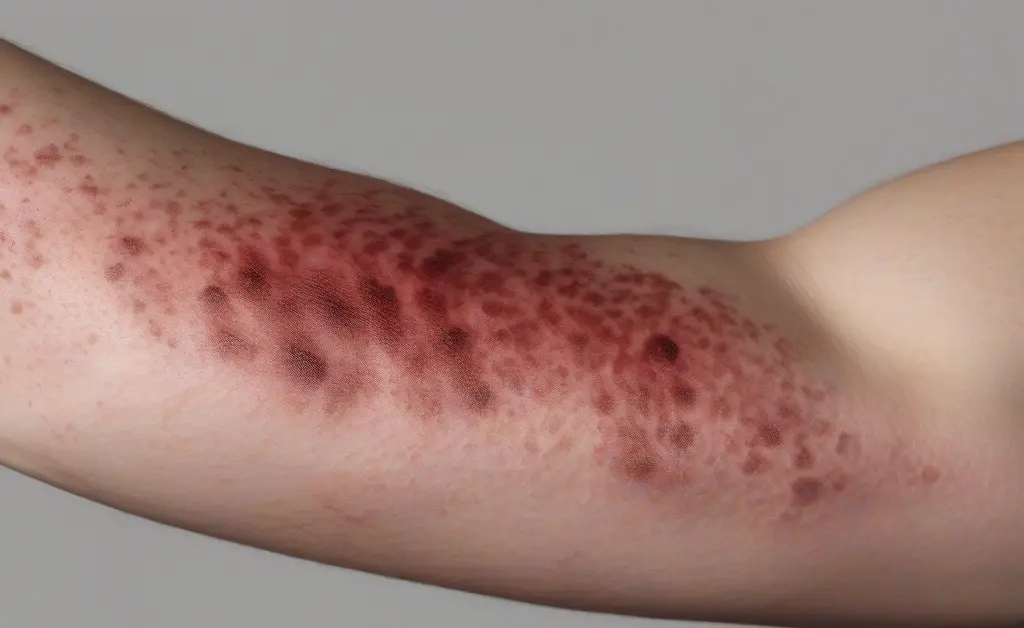
Beyond general digestive upset, some individuals may experience true allergic reactions or heightened sensitivities to shiitake mushroom extract. These responses are mediated by the immune system and can range from mild skin manifestations to more severe systemic reactions. Recognizing the signs of an allergic response is crucial for prompt action and preventing further exposure to the allergen. These types of shiitake mushroom extract side effects can occur even in individuals who have previously consumed shiitake mushrooms without issue, especially with concentrated forms.
Skin Rashes and Hives
Allergic skin reactions, such as the appearance of rashes or hives (urticaria), are common manifestations of sensitivity to shiitake mushroom extract. These can be accompanied by itching and redness, indicating an immune response. The rash may appear as raised, red welts on the skin and can be widespread across the body.
Respiratory Symptoms
In more sensitive individuals, allergic reactions can extend beyond the skin to affect the respiratory system. Symptoms might include sneezing, nasal congestion, a runny nose, or even difficulty breathing and wheezing. These respiratory issues signal a more significant allergic response and warrant careful attention.
Anaphylaxis Risk
While rare, a severe allergic reaction known as anaphylaxis is a potential risk associated with any allergen, including shiitake mushroom extract. Anaphylaxis is a medical emergency characterized by a rapid onset of severe symptoms, which may include widespread hives, swelling of the face, lips, or throat, severe breathing difficulties, a sudden drop in blood pressure, and dizziness. For more comprehensive health information, individuals can consult resources from the NIH. Individuals with known mushroom allergies should exercise extreme caution.
Understanding Shiitake Dermatitis
Shiitake dermatitis, also known as flagellate dermatitis, is a distinct and peculiar cutaneous reaction primarily associated with the consumption of raw or undercooked shiitake mushrooms. While less commonly linked to highly processed extracts, understanding this condition is crucial, as some extract forms may still contain components that could trigger it in susceptible individuals. It is one of the more unique shiitake mushroom extract side effects to be aware of.
Symptoms and Appearance of the Rash
The characteristic symptom of shiitake dermatitis is a distinctive rash that appears as linear, whip-like streaks or flagellate erythema on the trunk, neck, and extremities. The rash is intensely itchy and typically develops within a few hours to several days after consuming the mushroom. The appearance of the rash is quite specific, with red, elevated lines that can sometimes blister or peel.
Causes and Triggers
The primary cause of shiitake dermatitis is believed to be lentinan, a polysaccharide found in shiitake mushrooms. In some individuals, particularly after consuming raw or undercooked shiitake, lentinan can trigger an inflammatory reaction in the skin. Proper cooking is thought to denature or alter this compound, significantly reducing its ability to cause this adverse reaction. The risks are therefore higher with inadequate preparation.
Prevention and Management
The most effective prevention strategy for shiitake dermatitis is ensuring that shiitake mushrooms, whether whole or in extract form, are adequately cooked. Proper cooking practices can help mitigate the risks associated with raw or undercooked shiitake. For those who experience the rash, management typically involves symptomatic relief, such as topical corticosteroids to reduce inflammation and itching. The rash generally resolves on its own within a few weeks without scarring once exposure ceases.
Other Potential Side Effects and Precautions

Beyond gastrointestinal upset, allergic reactions, and shiitake dermatitis, there are other potential shiitake mushroom extract side effects and important precautions to consider. These include possible interactions with medications and specific considerations for different populations, highlighting the importance of a comprehensive understanding of safety aspects.
Drug Interactions
Shiitake mushroom extract may have immunomodulatory properties, which could potentially interact with certain medications. For instance, individuals taking immunosuppressants or those on blood thinners should exercise caution. The extract might also influence blood sugar levels or blood pressure, potentially interacting with medications prescribed for these conditions. Consulting a healthcare professional is advisable before combining shiitake mushroom extract with any ongoing medication regimen to prevent adverse interactions. Many individuals find that exploring shiitake mushroom extract benefits outweighs these potential concerns.
Considerations for Specific Populations
Certain populations may need to take particular precautions when considering shiitake mushroom extract. This includes pregnant or breastfeeding individuals, as there is limited research on the safety of concentrated extracts in these groups. Individuals with autoimmune conditions should also be cautious due to the extract’s potential to modulate the immune system. Similarly, the safety and efficacy of shiitake mushroom extract in children have not been extensively studied, suggesting a need for prudence.
Overconsumption Risks
While generally considered safe, consuming excessively large amounts of shiitake mushroom extract could theoretically lead to an increased likelihood of experiencing adverse effects. Overconsumption might exacerbate gastrointestinal issues or other sensitivities. As with any supplement, adherence to recommended guidelines and awareness of personal tolerance are important to minimize any potential risks associated with high intake.
Shiitake mushroom extract, while offering numerous potential wellness benefits, is not without its considerations. Understanding the spectrum of potential side effects, from common digestive issues to specific allergic reactions like shiitake dermatitis, is crucial for safe and informed use. By being aware of these possibilities, individuals can make educated choices regarding their health regimens, mitigate risks, and consult healthcare professionals when necessary, ensuring a more positive experience with this popular supplement.
This material is shared for educational insight, not for clinical decision-making. Individuals should always consult with a qualified healthcare professional regarding any health concerns, before making any dietary changes, or starting any new supplement regimen. This information is not intended to provide medical advice, diagnosis, or treatment.
FAQ
— What are the potential side effects of shiitake mushroom extract?
While generally well-tolerated, some individuals might experience shiitake mushroom extract side effects such as mild digestive discomfort, skin irritation, or allergic reactions. These occurrences are typically transient and can vary significantly based on individual sensitivity and dosage.
— Can shiitake mushroom extract cause stomach upset?
Yes, some individuals report experiencing mild stomach upset, nausea, or diarrhea when consuming shiitake mushroom extract. This is often linked to individual digestive sensitivity or the concentration of compounds within the extract, particularly if taken on an empty stomach.
— Is it possible to be allergic to shiitake mushroom extract?
Like any food or botanical product, it is possible for some individuals to have an allergic reaction to shiitake mushroom extract. Symptoms of an allergic response can include skin rashes, itching, swelling, or, in rare cases, more severe respiratory issues, highlighting the importance of recognizing personal sensitivities.
— What is shiitake dermatitis, and can mushroom extract cause it?
Shiitake dermatitis is a unique inflammatory skin reaction characterized by a distinctive whip-like rash, known to occur in sensitive individuals after consuming raw or undercooked shiitake mushrooms. While primarily associated with the fresh mushroom due to a specific thermolabile polysaccharide, it is less commonly linked to extracts, which are often processed differently.
— Are there any medications that interact with shiitake mushroom extract?
Shiitake mushroom extract has been studied for its potential effects on the immune system and blood clotting, suggesting a possibility for interactions with certain medications. Individuals taking immunosuppressants, anticoagulants, or antiplatelet drugs should be aware of this potential and exercise caution.
— Who should avoid taking shiitake mushroom extract?
Certain individuals might be advised to exercise caution or avoid shiitake mushroom extract, including those with known mushroom allergies, autoimmune conditions, or individuals currently taking medications that affect blood clotting or immune function. Pregnant or breastfeeding individuals are also generally advised to consult with a healthcare provider due to limited safety data.