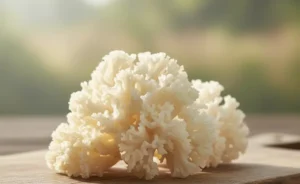


While shiitake mushrooms are celebrated for their distinctive umami flavor and nutritional benefits, can they sometimes trigger unexpected adverse reactions in certain individuals? For most, enjoying these fungi is a delightful culinary experience, yet for a growing number, exposure can lead to symptoms ranging from mild discomfort to more severe allergic responses. Understanding the nuances of a shiitake mushroom allergy is crucial for both consumers and healthcare providers. This guide explores the various ways the body can react to shiitake, detailing common symptoms, underlying causes, and effective strategies for diagnosis and management, ensuring individuals can navigate potential sensitivities with informed care.
Understanding Shiitake Mushroom Allergy
A shiitake mushroom allergy, like other food allergies, occurs when the body’s immune system mistakenly identifies proteins in the mushroom as harmful invaders. In response, it produces antibodies to fight them off, leading to a cascade of reactions when subsequent exposure occurs. This immune response can manifest in various ways, from immediate allergic reactions to more delayed symptoms. Understanding the various shiitake mushroom side effects can help differentiate between true allergies and intolerances. It’s important to distinguish between a true allergy, which involves the immune system, and a food intolerance, which typically involves digestive upset without an immune system response.
Symptoms of Shiitake Mushroom Allergy

The symptoms of a shiitake mushroom allergy can vary widely in severity and presentation. Mild allergic reactions might include itchy skin, hives, or a tingling sensation in the mouth. Some individuals may experience gastrointestinal symptoms such as nausea, vomiting, or diarrhea shortly after consuming shiitake mushrooms. For individuals with specific dietary sensitivities, considering the shiitake mushroom FODMAP content is also important. More severe allergic reactions can involve difficulty breathing, wheezing, swelling of the face or throat, a drop in blood pressure, or a rapid pulse. In rare cases, a life-threatening systemic reaction known as anaphylaxis can occur, which requires immediate medical attention. It is crucial to recognize these signs as they can indicate a serious shiitake mushroom allergic reaction.
Causes and Risk Factors for Shiitake Mushroom Allergy

The precise causes for developing a shiitake mushroom allergy are not always clear, but they generally involve the immune system’s heightened sensitivity to specific proteins found within the mushroom. When these proteins are ingested, or sometimes even through skin contact, the body launches an allergic response. While anyone can potentially develop this sensitivity, individuals with a family history of allergies, particularly to other fungi or molds, may have an increased risk. Exposure to raw mushrooms, or consuming undercooked shiitake, may also play a role in developing specific reaction types. The body’s immune response can be influenced by various genetic and environmental factors, making some individuals more prone to developing a shiitake mushroom allergy.
Diagnosing a Shiitake Mushroom Allergy
If you suspect you have a shiitake mushroom allergy, seeking a professional diagnosis is essential. The diagnostic process typically begins with a detailed review of your medical history, including any previous allergic reactions and the specific circumstances surrounding them. Your healthcare provider may inquire about what you ate, the symptoms you experienced, and how quickly the symptoms appeared. Physical examination can also provide clues. Further diagnostic steps may include skin prick tests, where small amounts of mushroom extract are applied to the skin, or blood tests that measure specific antibodies (IgE) associated with allergic responses. Reputable organizations like the National Institutes of Health (NIH) offer extensive resources on allergies and immune responses. In some cases, an oral food challenge, conducted under strict medical supervision, may be necessary to confirm the diagnosis. Knowing how is a shiitake mushroom allergy diagnosed helps ensure appropriate management and avoidance strategies.
Shiitake Dermatitis: A Unique Reaction
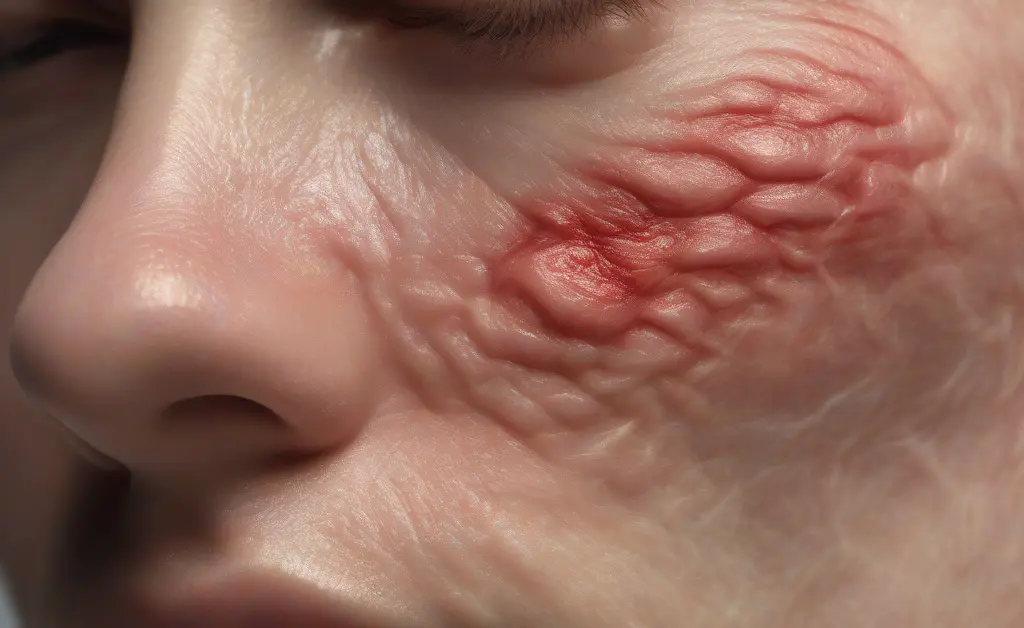
Shiitake dermatitis is a distinct type of skin reaction specifically associated with shiitake mushrooms. Unlike a typical food allergy which can involve systemic symptoms, shiitake dermatitis primarily manifests as a skin condition. It is often a delayed reaction, appearing hours or even days after consumption. This unique reaction is not fully understood but is thought to be a toxic or idiosyncratic reaction rather than a classic IgE-mediated allergy.
Types of Shiitake Dermatitis (e.g., Flagellate Dermatitis)
The most commonly recognized form of shiitake dermatitis is flagellate dermatitis. This condition is characterized by linear streaks or whip-like patterns on the skin, which can be intensely itchy. It is believed to be triggered by a thermolabile polysaccharide called lentinan, which is present in the mushrooms. Consumption of raw mushrooms, or those that are insufficiently cooked, is frequently associated with the development of this particular rash. Other less common skin reactions may also occur, but flagellate dermatitis is the most distinct and well-documented.
Characteristics of the Rash
The characteristic shiitake rash typically presents as reddish-brown, itchy streaks that can appear on the trunk, back, arms, and legs. These lesions often resemble whip marks or scratches, hence the term “flagellate.” The intense itchiness is a hallmark of this condition, and scratching can exacerbate the rash. While it can be visually alarming, the rash is generally benign and tends to resolve on its own over a period of days to weeks, usually without leaving permanent scars.
Is Shiitake Dermatitis Dangerous?
Shiitake dermatitis is generally not considered dangerous or life-threatening. While the rash can be quite uncomfortable due to severe itching and can be distressing visually, it does not typically lead to systemic complications like anaphylaxis, which is associated with more severe food allergies. It is primarily a localized skin reaction. However, in cases of intense itching, scratching can lead to skin breakdown and secondary infections, which would then require medical attention.
How Common is Shiitake Mushroom Dermatitis?
The exact prevalence of shiitake mushroom dermatitis is not precisely known, but it is considered relatively uncommon compared to other types of allergic reactions. It is more frequently reported in regions where shiitake mushrooms are a staple of the diet or where consumption of raw or undercooked shiitake is more common. Healthcare providers and dermatologists are becoming increasingly aware of this unique reaction, aiding in its diagnosis when patients present with the characteristic rash after consuming shiitake mushrooms.
Treatment and Management of Shiitake Mushroom Allergy
The primary treatment and management strategy for a confirmed shiitake mushroom allergy is strict avoidance of shiitake mushrooms and any products containing them. This includes checking food labels carefully and informing restaurant staff about your allergy. For accidental exposure leading to mild reactions, antihistamines may help alleviate symptoms like itching or hives. In cases of more severe reactions, an epinephrine auto-injector may be prescribed, and individuals should be trained on how to use it. Managing acute allergic reactions promptly is crucial. Specific dietary guidance is especially critical for those consuming shiitake mushroom during pregnancy. Always consult a healthcare professional to develop a personalized management plan, as the specific approach will depend on the individual’s reaction type and severity of their shiitake mushroom allergy.
When to Seek Medical Attention for a Shiitake Mushroom Allergy
It is important to seek medical attention if you suspect you have a shiitake mushroom allergy or experience any adverse reactions. Prompt consultation with an allergist or healthcare provider is advised for a proper diagnosis and management plan. You should seek immediate emergency medical care if you experience severe allergic reactions such as difficulty breathing, wheezing, swelling of the face, lips, or throat, a sudden drop in blood pressure, dizziness, or loss of consciousness. These could be signs of anaphylaxis, a life-threatening condition. Even for mild but persistent or recurring symptoms, medical advice is recommended to prevent future, potentially more severe, episodes and to confirm the specific reaction type.
Understanding and managing a shiitake mushroom allergy requires careful attention to diet and an awareness of potential reactions. By recognizing symptoms, seeking appropriate diagnosis, and implementing effective avoidance and treatment strategies, individuals can navigate their sensitivity with confidence and ensure their well-being.
While this article discusses health-related topics, it does not provide medical guidance. This information is intended for educational purposes only and should not be used as a substitute for professional medical advice, diagnosis, or treatment. Always consult with a qualified healthcare provider for any health concerns or before making any decisions related to your health or treatment plan.
FAQ
— What are the common symptoms of a shiitake mushroom allergy?
A reaction to shiitake mushrooms can manifest in various ways, primarily affecting the skin or digestive system. Common symptoms include skin rashes, hives, or itching, alongside gastrointestinal upset such as nausea or abdominal discomfort. In more pronounced instances, respiratory symptoms like wheezing or difficulty breathing may also occur.
— Can you suddenly develop an allergy to shiitake mushrooms?
Yes, it is possible for an individual to develop an allergy to foods, including shiitake mushrooms, at any point in their life, even if they have consumed them previously without issue. Allergies can emerge when the immune system mistakenly identifies a harmless substance as a threat, leading to a sensitized reaction upon subsequent exposure. This process involves the immune system creating specific antibodies to that substance.
— Are shiitake mushroom allergies common?
A true shiitake mushroom allergy is not considered among the most common food allergies when compared to allergens like peanuts or shellfish. However, some individuals may experience a specific delayed skin reaction known as shiitake dermatitis, which is distinct from an immediate allergic response. This unique reaction typically involves a characteristic rash appearing hours or even days after consumption.
— Can a shiitake mushroom allergy be serious?
Like other food allergies, a reaction to shiitake mushrooms has the potential to be serious, particularly if it involves systemic symptoms that affect multiple bodily systems. Severe allergic responses can include difficulty breathing due to airway swelling, a significant drop in blood pressure, or widespread hives accompanied by dizziness. Such reactions indicate an urgent immune system response that requires prompt attention.