
While shiitake mushrooms are celebrated in many cuisines for their rich flavor and potential health benefits, for some individuals, consuming or even handling them can trigger an unwanted immune response. This reaction, often unexpected, can range from mild discomfort to more severe systemic symptoms, making awareness crucial for those who enjoy or prepare these popular fungi. Understanding the complexities of a shiitake mushroom allergy is essential for effective management and prevention. This article will explore the various symptoms associated with this type of allergy, delve into its underlying causes and risk factors, and outline diagnostic approaches. Additionally, we will specifically address shiitake dermatitis, a unique skin reaction, and discuss comprehensive treatment and management strategies to help individuals navigate this condition safely.
Understanding Shiitake Mushroom Allergy
A shiitake mushroom allergy occurs when the body’s immune system mistakenly identifies proteins in shiitake mushrooms (Lentinus edodes) as harmful invaders. In response, it produces antibodies that trigger a cascade of reactions, leading to various allergy symptoms. This differs from a general mushroom intolerance, which typically involves digestive discomfort without an immune system response. An actual allergic reaction can manifest immediately or in a delayed manner, sometimes hours after exposure. Recognizing the distinction between an allergy and an intolerance is crucial for proper diagnosis and management, especially given the potential for severe reactions.
Symptoms of Shiitake Mushroom Allergy
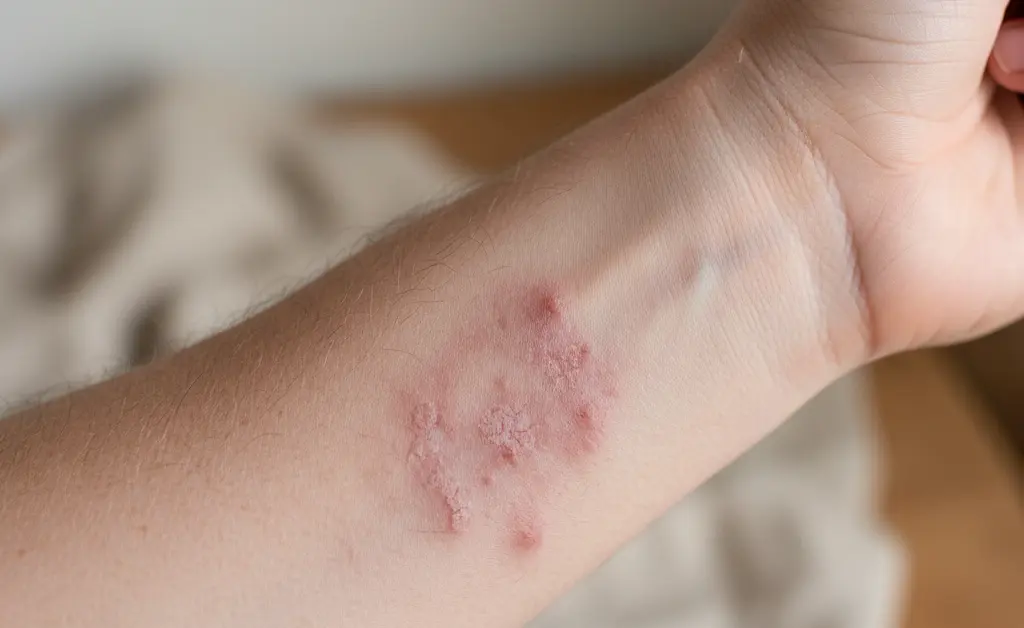
The symptoms of a shiitake mushroom allergy can vary widely in severity and presentation. Individuals may experience mild reactions or, in some cases, severe reactions that require immediate medical attention. What are the first signs of a mushroom allergy? They often appear on the skin, in the digestive system, or in the respiratory tract.
Mild Allergic Reactions
- Skin Manifestations: These commonly include itchy skin, hives (urticaria), or a general feeling of warmth.
- Gastrointestinal Symptoms: Mild stomach upset, such as nausea or mild abdominal discomfort, may occur.
- Oral Symptoms: Itching or tingling sensations in the mouth or throat immediately after consumption are also possible.
Severe Allergic Reactions
More serious shiitake mushroom allergy symptoms can involve multiple body systems and may progress rapidly. These can include:
- Respiratory Distress: Swelling of the throat, wheezing, coughing, or difficulty breathing (breathing trouble).
- Intensified Gastrointestinal Symptoms: Severe nausea, vomiting, diarrhea, and intense abdominal pain.
- Cardiovascular Symptoms: A sudden drop in blood pressure, dizziness, or fainting.
- Anaphylaxis: This is a life-threatening, whole-body reaction that can include a combination of severe symptoms and requires immediate emergency medical attention. Swelling, widespread hives, and significant breathing trouble are hallmark signs of anaphylaxis.
It is important to note that reactions can be delayed, sometimes appearing several hours after consuming raw mushrooms or cooked shiitake.
Causes and Risk Factors for Shiitake Mushroom Allergy

The primary cause of a shiitake mushroom allergy is an overactive immune response to specific proteins found within the mushroom. When a susceptible individual is exposed to these proteins, their immune system produces antibodies, primarily immunoglobulin E (IgE), which then trigger the release of histamines and other chemicals. These chemicals are responsible for the various allergy symptoms experienced.
Risk factors that may increase an individual’s likelihood of developing a food allergy, including a Lentinus edodes allergy, include:
- Genetic Predisposition: A family history of allergies, asthma, or eczema may increase the risk of developing a shiitake mushroom allergy.
- Previous Sensitization: Repeated exposure, even without prior reactions, can sometimes lead to the development of sensitivity over time.
- Cross-Reactivity: In some cases, individuals allergic to other fungi or molds might show cross-reactivity to shiitake mushrooms, meaning their immune system recognizes similar proteins.
- Occupational Exposure: Individuals who frequently handle large quantities of shiitake mushrooms, such as mushroom cultivators or chefs, might have a higher risk of developing contact dermatitis or respiratory sensitization due to repeated exposure to spores or mushroom proteins.
While some people may experience a sudden mushroom intolerance, often related to digestive issues rather than a true immune response, an actual allergy involves the immune system. The question of “Are shiitake high in histamine?” is often raised; while some foods naturally contain histamines or trigger histamine release, the core mechanism of an IgE-mediated shiitake mushroom allergy is distinct from a histamine intolerance, though symptoms can sometimes overlap. For those with specific dietary needs, understanding if shiitake mushroom FODMAP content is low or high can also be important.
Diagnosing a Shiitake Mushroom Allergy
Accurately diagnosing a shiitake mushroom allergy is crucial for managing the condition and preventing future reactions. The diagnostic process typically involves a combination of medical history, physical examination, and specific allergy tests. How is a shiitake mushroom allergy diagnosed?
Initially, a healthcare professional will take a detailed medical history, inquiring about the types of shiitake mushroom side effects experienced, when they occurred, how much mushroom was consumed, and any other relevant factors. It is helpful to record the specific foods eaten before a reaction to help identify potential triggers. This also includes discussing any family history of allergies or other sensitivities.
Following the history, several tests may be used:
- Skin Prick Test: Small amounts of shiitake mushroom extract are applied to the skin, which is then lightly pricked. A raised, red bump (wheal) within a short time indicates a possible allergic reaction.
- Blood Test (Specific IgE Test): This test measures the amount of IgE antibodies in the blood that are specific to shiitake mushroom proteins. Elevated levels suggest an immune response to the mushroom.
- Oral Food Challenge (under medical supervision): In some cases, after other tests, a supervised oral food challenge might be conducted. This involves consuming increasing amounts of the mushroom under strict medical observation to monitor for any reactions. This is considered the gold standard for diagnosis but is only performed in a controlled clinical setting due to the risk of severe reactions.
It is important to differentiate a true allergy from other conditions, such as food intolerance or shiitake mushroom poisoning symptoms, which do not involve the immune system.
Shiitake Dermatitis: A Unique Reaction

Shiitake dermatitis is a distinct and often delayed skin reaction that can occur after consuming raw or undercooked shiitake mushrooms. Unlike immediate IgE-mediated allergic reactions, this form of dermatitis is believed to be a toxic reaction rather than a true immune allergy, although it presents with allergy-like skin manifestations. Understanding if shiitake can be eaten raw is crucial given its potential to trigger conditions like Flagellate Dermatitis.
Types of Shiitake Dermatitis (e.g., Flagellate Dermatitis)
The most recognized type of shiitake dermatitis is Flagellate Dermatitis, also known as shiitake mushroom rash. This condition is characterized by its very specific appearance. It is caused by lentinan, a polysaccharide found in shiitake mushrooms, which is thought to induce a toxic reaction in the skin when ingested without being properly denatured by heat.
Characteristics of the Rash
The characteristic shiitake rash typically appears as linear streaks, resembling whip marks (flagella), on the trunk, neck, and extremities. The rash is intensely itchy and red, often appearing 12 to 72 hours after consuming the mushrooms. It does not commonly involve blistering or scaling but consists of erythematous, linear papules and plaques. The distribution of the rash is highly distinctive, making it identifiable to healthcare professionals familiar with the condition. “Mushroom allergy rash images” or “shiitake mushroom rash picture” searches often display this unique pattern.
Is Shiitake Dermatitis Dangerous?
While intensely itchy and visually concerning, shiitake dermatitis is generally considered benign and self-limiting. It typically resolves on its own within 1 to 3 weeks without specific treatment, although topical corticosteroids or antihistamines may be used to alleviate the intense itching. The “dermatitis danger” is primarily discomfort, not life-threatening systemic illness like anaphylaxis. However, if the rash is widespread or severely irritating, medical consultation is advisable for symptomatic relief and to confirm the diagnosis.
How Common is Shiitake Mushroom Dermatitis?
Shiitake mushroom dermatitis is relatively uncommon, though perhaps underreported due to its delayed onset and potentially misdiagnosed nature. It primarily affects individuals who have consumed raw or insufficiently cooked shiitake mushrooms. Awareness of “Shiitake Dermatitis Alert” has grown within the medical community, leading to more accurate diagnoses. The exact prevalence is not well-established, but it is known to occur globally where shiitake mushrooms are consumed.
Treatment and Management of Shiitake Mushroom Allergy
The cornerstone of treatment and management for a shiitake mushroom allergy is strict avoidance of the allergen. This includes not only fresh or dried shiitake mushrooms but also products that may contain them as ingredients. Individuals with a diagnosed allergy must be diligent in checking food labels and inquiring about ingredients when eating out.
Managing Acute Allergic Reactions
For mild reactions, such as minor hives or stomach upset, over-the-counter antihistamines may provide relief. However, for more severe reactions, such as breathing trouble or widespread swelling, prompt medical intervention is necessary. Individuals with a history of severe reactions, especially anaphylaxis, should always carry an epinephrine auto-injector and know how to use it. Early administration of epinephrine is critical in such emergencies.
Long-Term Avoidance Strategies
Effective avoidance strategies include:
- Dietary Vigilance: Carefully reading ingredient lists on packaged foods, as shiitake mushrooms can be found in various broths, seasonings, and processed dishes.
- Restaurant Awareness: Informing restaurant staff about the allergy to prevent cross-contamination or accidental ingestion.
- Home Cooking: Preparing meals at home provides the most control over ingredients, ensuring no shiitake mushrooms are present.
- Education: Educating family, friends, and caregivers about the allergy and emergency protocols is also vital for safety.
For shiitake dermatitis, while highly uncomfortable, treatment is typically supportive. Antihistamines can help with the intense itching, and topical corticosteroids may be prescribed to reduce inflammation and discomfort. The rash usually resolves on its own within a few weeks. It is always recommended to consult a healthcare provider regarding the consumption of shiitake mushroom during pregnancy.
When to Seek Medical Attention for a Shiitake Mushroom Allergy
Knowing when to seek medical attention for a shiitake mushroom allergy is critical, as reactions can range from mild to life-threatening. While mild reactions may be managed at home with over-the-counter medications, certain symptoms warrant immediate professional evaluation.
You should seek immediate emergency medical attention if you experience any signs of a severe allergic reaction or anaphylaxis, which may include:
- Difficulty breathing, wheezing, or shortness of breath.
- Swelling of the throat, tongue, or lips.
- Dizziness, lightheadedness, or fainting.
- Rapid pulse or a sudden drop in blood pressure.
- Widespread hives or a sudden onset of a generalized rash.
- Severe abdominal pain, repeated vomiting, or diarrhea.
- A feeling of impending doom.
If you have been prescribed an epinephrine auto-injector for a previous severe shiitake mushroom allergic reaction, use it immediately at the first sign of a severe reaction and then call emergency services, even if symptoms improve. What should I do if I have an allergic reaction to shiitake mushrooms? Always err on the side of caution with severe symptoms. For broader health guidelines and information, resources from organizations like the WHO can be valuable.
Even for less severe but persistent symptoms, or if you suspect you have developed a new sensitivity or shiitake mushroom allergy symptoms, it is advisable to consult with an allergist or healthcare provider. They can provide a proper diagnosis, help you understand your specific triggers, and develop a comprehensive management plan to ensure your safety and well-being.
Understanding a shiitake mushroom allergy involves recognizing its varied symptoms, from mild skin rashes to severe systemic reactions. While shiitake dermatitis presents as a unique, often delayed skin rash, classic food allergies can trigger immediate and potentially life-threatening responses. Effective management hinges on careful avoidance of the mushroom and knowing how to respond to accidental exposure, including when to seek urgent medical care. With proper awareness and adherence to medical advice, individuals can successfully navigate this condition and maintain their health.
This article aims to inform, not to replace professional healthcare advice. It is intended for general informational purposes only and does not offer medical diagnoses, treatment, or prescriptions. Always consult with a qualified healthcare professional for any health concerns or before making any decisions related to your health or treatment plans.
FAQ
— What are the common symptoms of a shiitake mushroom allergy?
Common symptoms of an allergic reaction can include skin manifestations such as contact dermatitis, hives, or itching. Some individuals might experience digestive issues like nausea or stomach upset after consumption. In more pronounced cases, respiratory symptoms like wheezing, sneezing, or difficulty breathing have been reported.
— Can you suddenly develop an allergy to shiitake mushrooms?
Yes, it is possible for individuals to develop allergies at any point in their lives, even to foods they have previously consumed without issue. The immune system can become sensitized over time through repeated exposure to a substance. This process involves the body mistakenly identifying a harmless compound as a threat, triggering an immune response.
— Are shiitake mushroom allergies common?
Compared to more widespread food allergies like those to peanuts or shellfish, a shiitake mushroom allergy is considered relatively uncommon. While not frequently reported, certain individuals can develop sensitivity to compounds found within the mushroom. It is linked to specific immune responses in those predisposed to allergies.
— Can a shiitake mushroom allergy be serious?
Allergic reactions to foods, including mushrooms, can vary widely in their severity among individuals. While some reactions might manifest as mild discomfort or localized symptoms, others can escalate to more systemic responses affecting multiple body systems. The potential for serious reactions means it is important to understand individual sensitivities.