Reishi mushroom has been esteemed in Japan for centuries, valued for its extensive health-promoting properties and cultural importance. Its unique bioactive compounds have attracted interest not only from traditional practitioners but also from modern wellness enthusiasts seeking natural ways to support their well-being. In Japan, the approach to harvesting, preparing, and consuming this mushroom reflects a careful balance between tradition and innovation. Exploring the benefits and uses of the reishi mushroom in Japan offers insights into how this remarkable fungus continues to influence health practices, supplement markets, and cultural rituals. This guide delves into the various dimensions of reishi mushroom in Japan, including its health effects, product varieties, and historical context, providing a comprehensive overview for those interested in its role within Japanese health and culture.
Introduction to Reishi Mushroom Japan
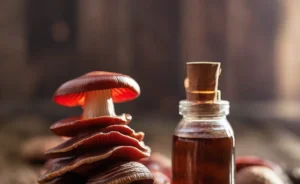
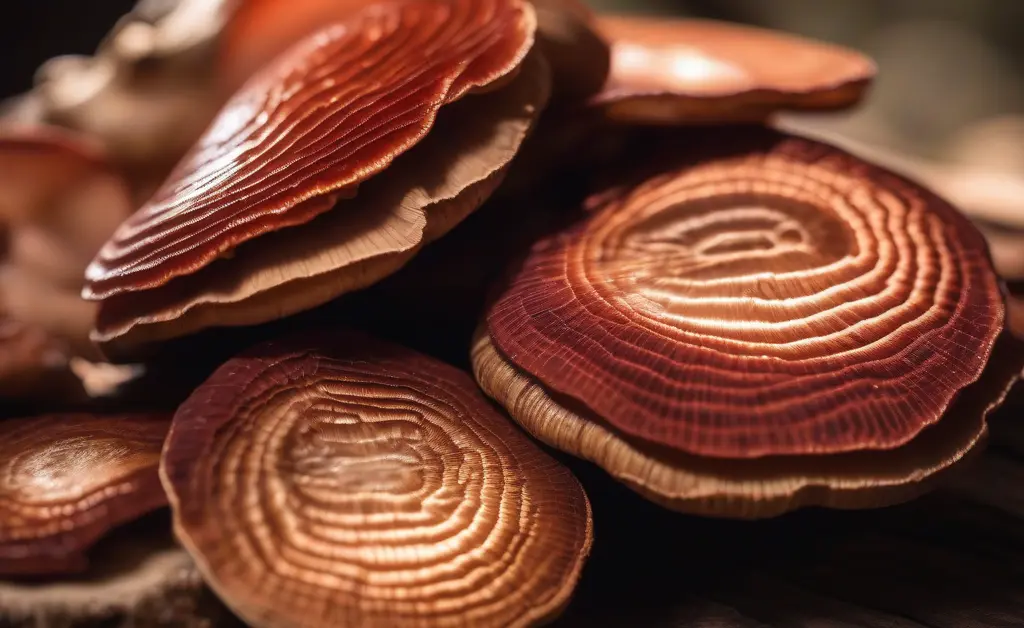
In Japan, the reishi mushroom, often identified with the name Ganoderma lucidum or sometimes Ganoderma sichuanense, holds a revered place in both traditional medicine and modern natural health practices. Known locally as “mannentake,” or the “10,000-year mushroom,” it is celebrated as a longevity herb and a potent adaptogen. The mushroom’s distinctive reddish-brown, glossy cap and woody texture distinguish it from other fungi, including various reishi mushroom look-alikes. Traditionally, it has been used to support immune function and promote overall vitality, reflecting its deep integration into Japanese medicinal fungi usage. The Japanese approach emphasizes purity, often favoring organic cultivation practices and minimal processing to preserve the mushroom’s bioactive compounds, which include triterpenes, polysaccharides, and antioxidants. This introduction sets the stage for understanding the broader cultural and health significance of reishi mushroom within Japan.
Health Benefits of Japanese Reishi Mushroom
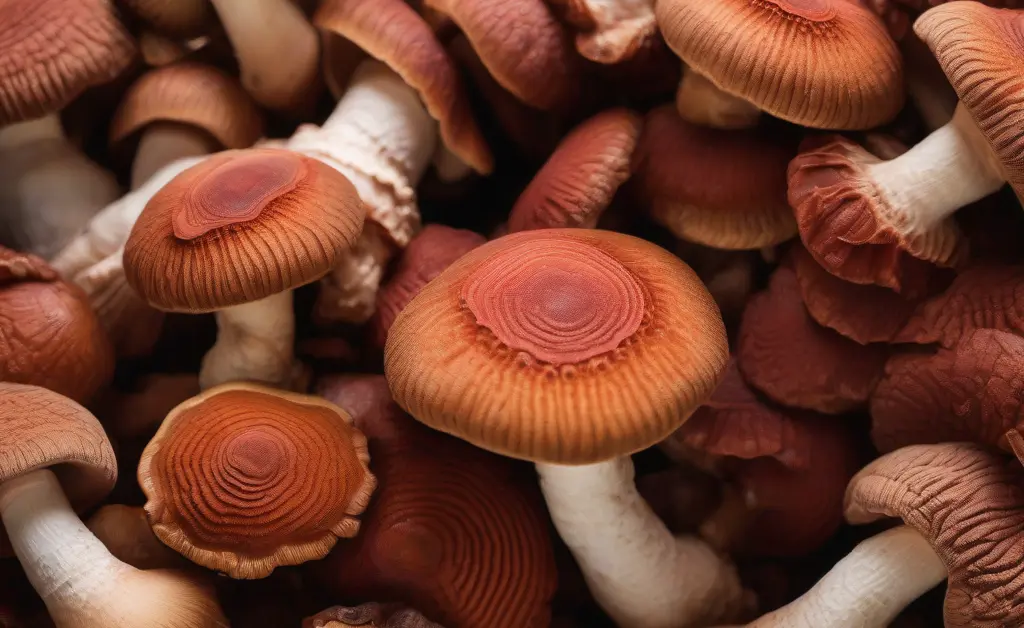
Japanese reishi mushroom is commonly associated with multiple health benefits that have been observed through both traditional use and modern scientific inquiry. A primary area of interest is its potential as an immune system booster. The bioactive compounds found in the mushroom, including specific polysaccharides and triterpenoids, are believed to support immune modulation, helping the body maintain a balanced immune response. In addition to immune support, reishi mushroom has been traditionally used to improve sleep quality, which is highly valued in Japanese health culture for its role in overall wellness and stress reduction. The mushroom’s antioxidant properties contribute to cellular protection, which aligns with its reputation as a longevity herb. Other traditional uses encompass supporting liver function, enhancing stamina, and maintaining cardiovascular health. While ongoing pharmacological studies continue to explore these effects, Japanese reishi mushroom remains a focal point in natural herbal remedies and fungal extract research aimed at promoting holistic well-being.
Japanese Reishi Mushroom Supplements and Products
Types of Japanese Reishi Mushroom Products
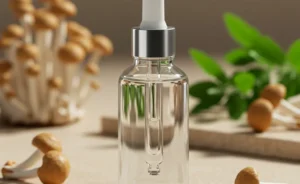
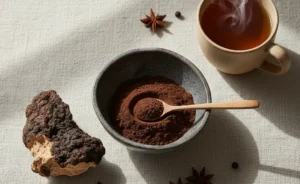
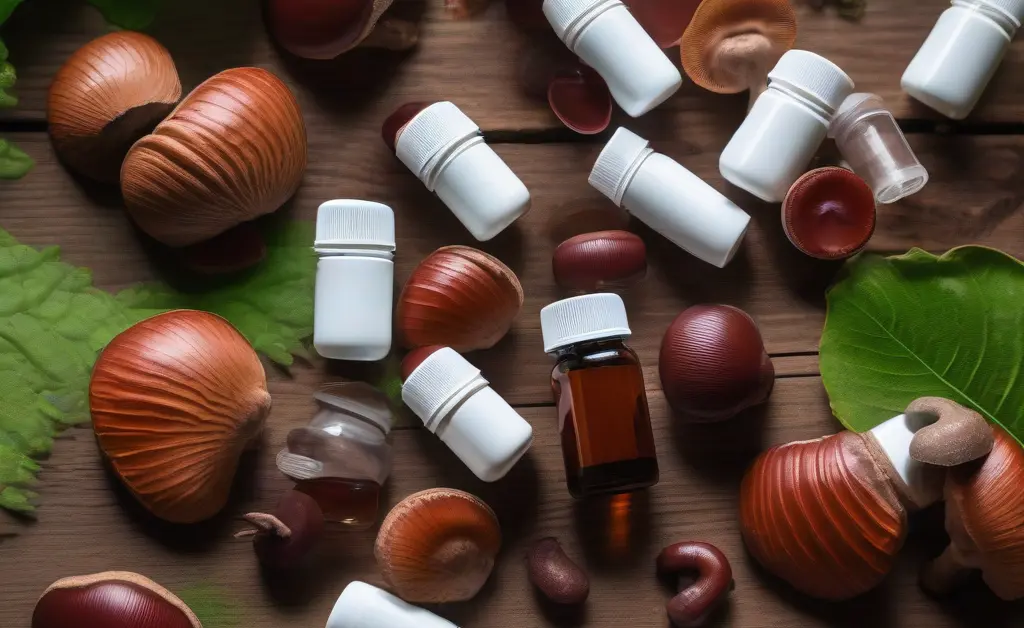
In Japan, reishi mushroom is available in a variety of supplement forms designed to suit different preferences and lifestyles. These include powdered extracts, capsules, spore powders, teas, and tinctures. Powdered forms often come from the whole mushroom or concentrated fungal extracts, providing varying levels of bioactive compounds. Spore powders, which contain the reproductive elements of the mushroom, are prized for their dense concentration of triterpenoids and are considered a potent form. Teas and tinctures offer traditional and convenient consumption methods that preserve much of the mushroom’s natural profile. Many products emphasize organic sourcing and the absence of artificial additives, reflecting consumer demand for purity and authenticity in health supplements. For those interested, detailed information about whole food reishi products can be found at reishi mushroom whole foods.
Popular Japanese Reishi Mushroom Brands
The Japanese market features several reputable brands dedicated to offering high-quality reishi mushroom supplements. These brands typically focus on rigorous quality control, sourcing from trusted cultivators, and transparent production processes. Some are known for incorporating traditional preparation methods alongside modern extraction technologies to optimize the efficacy and bioavailability of their products. Consumer trust in these brands is often built on certifications, positive user feedback, and the integration of scientific research in their formulation processes.
Safety and Quality Certifications in Japan
Safety and quality certifications play a crucial role in the Japanese supplement market, especially for medicinal fungi like reishi mushroom. Products often carry certifications verifying organic cultivation, pesticide-free status, and compliance with stringent purity standards. These certifications assure consumers that the supplements are free from contaminants and meet established benchmarks for bioactive compound content. Additionally, some products undergo third-party testing to confirm the absence of heavy metals and microbial impurities, aligning with Japan’s high regulatory standards for natural health products. Consumers should also be aware of guidelines from authoritative sources such as the FDA to ensure safety standards are met.
Storage Tips for Japanese Reishi Mushroom Products
Proper storage of reishi mushroom products is essential to maintain their potency and prevent degradation of bioactive compounds. In Japan, consumers are advised to store supplements in cool, dry places away from direct sunlight and moisture. Many products come in airtight, opaque containers to protect against oxidation and light exposure. These storage practices help preserve the antioxidants and triterpenoids that contribute to the mushroom’s health benefits, ensuring that the product remains effective throughout its shelf life.
How to Choose Quality Japanese Reishi Mushroom Supplements
Quality Indicators for Japanese Reishi Mushroom
When selecting Japanese reishi mushroom supplements, several quality indicators can guide consumers toward authentic and effective products. A key factor is the presence of standardized extracts that specify the concentration of polysaccharides and triterpenes, the principal bioactive compounds. Certification marks for organic cultivation and safety testing also serve as important markers of quality. Transparency regarding cultivation methods, such as whether the mushroom is wild-harvested or cultivated, provides additional insight into the product’s authenticity. Consumers are often encouraged to look for products free from fillers, artificial additives, and unnecessary excipients, ensuring that the supplement retains the purity associated with traditional Japanese medicinal mushrooms. Those interested in purchasing quality Japanese reishi mushroom supplements can explore options at reishi mushroom buy.
Where to Buy Japanese Reishi Mushroom Supplements
Physical Stores in Japan
In Japan, reishi mushroom supplements can be found in a variety of physical retail locations, ranging from specialized herbal shops to larger health food stores and pharmacies. These outlets often stock a curated selection of high-quality products, allowing consumers to seek advice from knowledgeable staff familiar with traditional Japanese medicine and modern supplement trends. Local markets may also offer artisan-produced varieties, reflecting regional cultivation practices and traditional preparation methods. Physical stores provide the advantage of direct product inspection and personal consultation, which is valued in Japanese consumer culture.
Online Retailers for Japanese Reishi Mushroom
The rise of e-commerce has expanded access to Japanese reishi mushroom supplements beyond physical stores. Numerous reputable online retailers specialize in herbal remedies and medicinal fungi, providing detailed product descriptions, customer reviews, and certification information. Online platforms often feature a broader range of product types, including imported and boutique brands, catering to diverse consumer preferences. The convenience of home delivery paired with transparent sourcing information makes online shopping a popular choice for those seeking authentic Japanese reishi mushroom supplements. For a trusted online source, visit reishi mushroom online.
History and Cultural Significance of Reishi Mushroom in Japan
Traditional Japanese Uses of Reishi Mushroom
Historically, reishi mushroom has been an integral part of traditional Japanese medicine, known as Kampo. It was esteemed as an herbal remedy for enhancing vitality, supporting the immune system, and promoting spiritual well-being. The mushroom’s association with longevity and resilience is reflected in classical texts and folklore, where it is often linked to health preservation and balance. Traditionally, reishi was consumed in decoctions or powdered form, sometimes incorporated into ceremonial rituals to harness its reputed adaptogenic qualities. Its cultural significance extends to art and literature, symbolizing endurance and the harmonious relationship between nature and human health.
Cultivation and Harvesting of Reishi Mushroom in Japan
Differences Between Wild and Cultivated Japanese Reishi Mushroom
In Japan, both wild and cultivated reishi mushrooms are valued, though they differ in their availability, bioactive profiles, and harvesting challenges. Wild reishi mushrooms grow naturally on decaying hardwood trees and are often considered superior in potency due to their exposure to diverse environmental stresses, which may enhance the concentration of certain bioactive compounds. However, wild harvesting is labor-intensive and subject to seasonal variability. Cultivated reishi mushrooms, typically grown on logs or sawdust substrates under controlled conditions, offer more consistent quality and supply. Japanese cultivation methods emphasize organic practices and minimal intervention to preserve the mushroom’s medicinal qualities, aligning with traditional values of natural harmony. For those interested in regional cultivation details, see the market of reishi mushroom Maroc.
Seasonal Availability of Japanese Reishi Mushroom
The seasonal availability of reishi mushroom in Japan reflects its natural growth cycle, with wild specimens typically harvested during specific months when the environmental conditions favor optimal development. This seasonality influences the timing of traditional harvesting practices and impacts the freshness and potency of wild-harvested products. Cultivated reishi mushrooms, however, can be produced year-round under regulated conditions, ensuring a steady supply for supplement production. Understanding these seasonal patterns helps consumers appreciate the nuances between wild and cultivated sources and their respective roles in Japanese reishi mushroom use.
Environmental Impact of Reishi Mushroom Cultivation in Japan
Environmental considerations are increasingly important in the cultivation of reishi mushroom in Japan. Sustainable practices aim to minimize ecological disruption by utilizing renewable resources, such as wood-based substrates from certified forests, and reducing chemical inputs. Compared to wild harvesting, controlled cultivation helps protect native ecosystems while meeting demand. Some Japanese cultivators also implement waste recycling and carbon footprint reduction measures, reflecting a broader cultural commitment to environmental stewardship. These efforts contribute to maintaining the integrity of medicinal fungi populations and ensuring that reishi mushroom remains a viable natural resource for future generations.
Traditional Preparation Methods of Japanese Reishi Mushroom
Processing Techniques for Japanese Reishi Mushroom
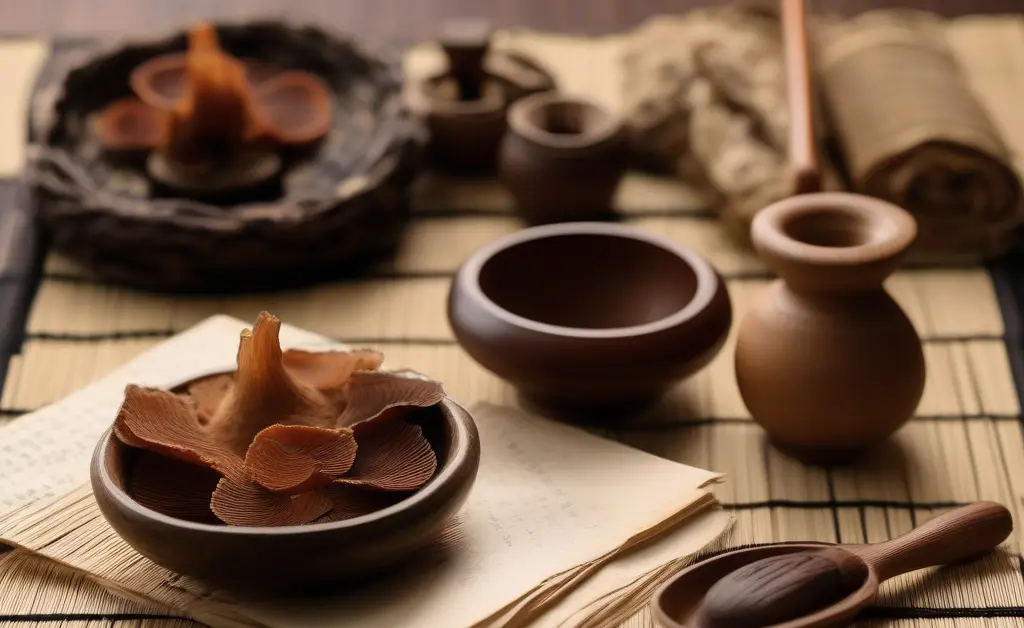
Traditional Japanese preparation of reishi mushroom involves methods designed to maximize extraction of its beneficial compounds while preserving its natural qualities. Common techniques include slow simmering of dried mushroom slices to create decoctions, which release water-soluble polysaccharides and antioxidants. Powdering dried fruiting bodies or spores allows for versatile usage, including incorporation into teas, capsules, or culinary applications. Some traditional processes also involve fermenting or combining reishi with other herbs to enhance its adaptogenic effects. These methods reflect a deep understanding of mycology and pharmacology rooted in Japanese culture, balancing efficacy with respect for the mushroom’s natural properties.
Exploring the role of reishi mushroom in Japan reveals a multifaceted relationship encompassing health benefits, cultural heritage, and environmental mindfulness. The mushroom’s enduring popularity as a herbal remedy and supplement underscores its significance as a natural source of bioactive compounds that may help support immune function and promote longevity. Whether through traditional uses or modern supplement forms, Japanese reishi mushroom remains a valued component of natural wellness practices, bridging ancient knowledge with contemporary health interests.
FAQ
— What are the health benefits of Japanese reishi mushroom?
Japanese reishi mushroom is often associated with supporting immune function and promoting overall wellness. It is traditionally valued for its potential antioxidant properties and its role in helping the body adapt to stress. Research continues to explore its effects on various bodily systems, though definitive conclusions remain under study.
— Are Japanese reishi mushroom supplements safe?
Generally, Japanese reishi mushroom supplements are considered safe for many people when sourced from reputable manufacturers. However, individual reactions can vary, and quality control is crucial to avoid contamination. Consulting healthcare professionals before use is advisable, especially for those with existing health conditions.
— What should I look for when buying Japanese reishi mushroom products?
When selecting Japanese reishi mushroom products, it is important to consider the source, purity, and extraction method. Authentic products often highlight their cultivation practices and include third-party testing for quality assurance. Transparency about ingredients and manufacturing standards can help ensure product reliability.
— Can Japanese reishi mushroom help improve sleep quality?
There is traditional and anecdotal evidence suggesting that Japanese reishi mushroom may promote relaxation and support sleep quality. Some studies have examined its calming effects, which may be linked to its influence on stress-related pathways. Nonetheless, sleep improvement results can vary widely among individuals.
— How is Japanese reishi mushroom traditionally used in Japan?
In Japan, reishi mushroom has been traditionally used as a health tonic, often brewed into teas or incorporated into herbal formulations. It is regarded as a symbol of longevity and spiritual potency, with a history in traditional medicine practices. Its use is typically connected to enhancing vitality and balancing bodily functions.
— Where can I buy authentic Japanese reishi mushroom supplements?
Authentic Japanese reishi mushroom supplements are commonly available through specialized health stores, reputable online retailers, and pharmacies with a focus on herbal products. Verifying the supplier’s credentials and product origin can help in finding genuine items. Consumer reviews and certifications may also provide useful guidance.
— What forms do Japanese reishi mushroom supplements come in?
These supplements are available in several forms, including capsules, powders, extracts, and teas. Each form offers different advantages in terms of convenience, concentration, and preparation methods. Choice of form often depends on personal preference and intended use.
— How is Japanese reishi mushroom cultivated in Japan?
In Japan, reishi mushrooms are typically cultivated on hardwood logs or sawdust substrates under controlled environmental conditions. This method aims to mimic natural growth while optimizing quality and potency. Cultivation practices often emphasize sustainability and traditional techniques to preserve the mushroom’s beneficial properties.