
When a recipe calls for porcini mushroom powder, and it’s not readily available, cooks often face a challenge in replicating its unique depth of flavor. Dishes might feel incomplete, missing that characteristic umami and earthy richness. However, understanding effective alternatives can transform this culinary dilemma into an opportunity to explore new flavor dimensions. This guide delves into various options, demonstrating how the right porcini mushroom powder substitute can seamlessly integrate into your cooking, ensuring your dishes maintain their intended complexity and satisfaction without compromise. From readily available pantry staples to other specialized mushroom products, we’ll explore how to achieve comparable results, elevating your culinary creations even when the primary ingredient is absent.
Best Porcini Mushroom Powder Substitutes
Finding an ideal porcini mushroom powder substitute involves understanding the specific characteristics porcini imparts to a dish. This unique ingredient is celebrated for its deep, earthy, somewhat nutty, and profoundly umami flavor profile, often with subtle woodsy undertones. The best substitutes aim to replicate these qualities, either by using other mushrooms or by combining various flavor enhancers to build a similar sensory experience.
Matching Flavor Profiles
The essence of porcini powder lies in its complex flavor. When seeking a replacement, consider which elements are most crucial for your specific dish. Some substitutes excel at providing robust umami, while others lean more towards the earthy or woodsy notes. For instance, dried shiitake mushrooms are excellent for delivering a strong umami punch, while a blend of common dried mushrooms might offer a broader earthy base. The goal is not always to find an exact match, but to achieve a harmonious blend of flavors that complements the overall recipe. Experimenting with different combinations can help create a customized porcini mushroom powder substitute that truly elevates your culinary creations. For those who prefer to gather their own, understanding porcini mushroom how to identify is a key skill.
Adjusting Quantity and Concentration
The potency of a porcini mushroom powder substitute can vary significantly. Porcini powder itself is highly concentrated, meaning a small amount can impart a considerable depth of flavor. When using alternatives, it’s often necessary to adjust the quantity. Some mushroom powders, like those made from shiitake, can be quite strong and might require a lesser amount than the original porcini specification. Conversely, a powder made from milder mushrooms such as cremini or portobello, or non-mushroom umami enhancers, might need to be used in slightly larger quantities or in combination to achieve a comparable intensity. Always start with a smaller amount and taste as you go, gradually adding more until the desired flavor depth is reached, ensuring the dish doesn’t become unbalanced.
Considerations for Different Recipe Types
The best choice for a porcini mushroom powder substitute often depends on the type of recipe you are preparing. In dishes where the mushroom flavor is central, such as risottos, rich sauces, or gravies, a mushroom-based alternative that closely mimics porcini’s earthy and umami notes will generally be more suitable. For instance, a deeply flavored mushroom stock or a blend of dried mushroom powders could work well. In recipes where porcini powder acts more as a background flavor enhancer, such as in rubs for meats or a subtle seasoning for vegetables, non-mushroom umami boosters like nutritional yeast or a touch of miso paste might suffice. Understanding the role porcini plays in a specific recipe helps in selecting the most effective and harmonious replacement. Commercial production of porcini powder often faces challenges due to the specific conditions required for porcini mushroom cultivation.
Mushroom-Based Alternatives for Porcini Powder
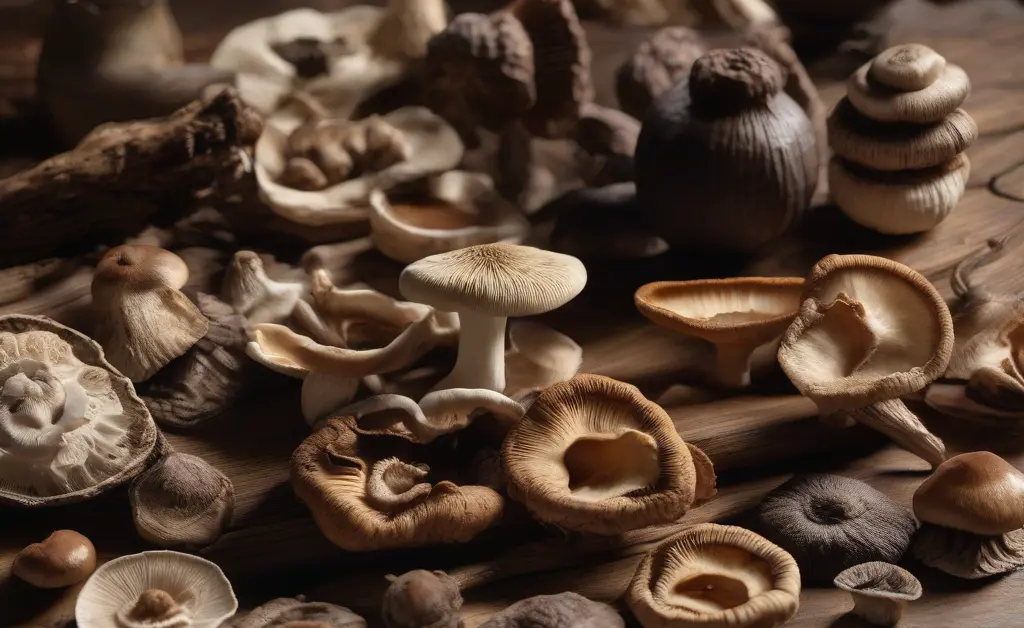
When seeking a porcini mushroom powder substitute, other types of mushrooms, particularly dried ones, often provide the closest approximation to the deep, earthy, and umami characteristics of porcini. The drying process concentrates the flavors, making them potent and suitable for powdering.
Other Dried Mushroom Powders
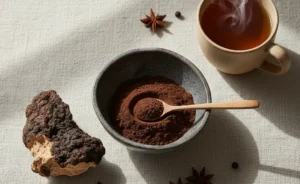
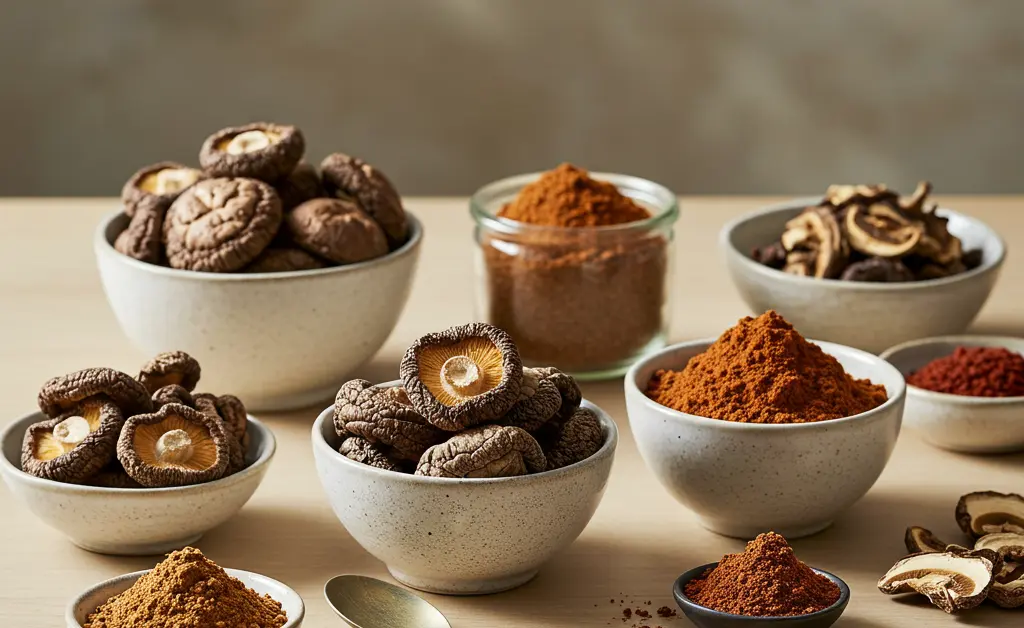
A range of dried mushrooms can be ground into powders to serve as an effective porcini mushroom powder substitute. Dried shiitake mushrooms are perhaps one of the most popular choices due to their intense umami flavor and meaty texture, which translates well into a robust powder. They lend a savory, slightly smoky note that can enrich many dishes. Dried cremini or portobello mushrooms, while milder than porcini, offer a pleasant earthy taste when powdered. They can be particularly good in dishes where a less aggressive mushroom flavor is desired, or when blended with other umami-rich ingredients. Other dried wild mushrooms like morels or chanterelles, if available, can also be powdered, each contributing its own unique aromatic and earthy qualities, though they may be more expensive and harder to find. Using a mix of these dried mushroom powders can often create a more nuanced and complex flavor profile, closer to the multi-layered taste of porcini. Additionally, knowing about porcini mushroom look-alikes is crucial for safe foraging.
Non-Mushroom Options for Umami and Earthy Flavor

When mushroom-based alternatives are not an option, or when aiming to complement existing mushroom flavors, several pantry staples can provide the crucial umami and earthy notes characteristic of porcini. These ingredients often work best when used in conjunction with each other or with other savory elements to build a comprehensive flavor profile that serves as a satisfying porcini mushroom powder substitute.
Umami-Rich Pantry Staples
Several common ingredients found in most kitchens are excellent sources of umami, the savory taste often associated with porcini. Miso paste, particularly a dark or red miso, offers a fermented, salty, and profoundly savory depth. A small amount can be dissolved in liquid and added to sauces, soups, or gravies to enhance their richness. Nutritional yeast provides a cheesy, nutty, and distinctly umami flavor without dairy. It’s often used in vegan cooking to impart savory notes and can be sprinkled directly into dishes or incorporated into broths. Soy sauce, with its fermented soybeans, is another potent source of umami and saltiness, capable of deepening the overall savory profile of a dish. When used judiciously, these ingredients can contribute significantly to the desired umami without necessarily tasting overtly of their individual components, making them valuable components of a porcini mushroom powder substitute. For general health and dietary advice related to food ingredients, refer to resources like the NHS.
Other Savory Flavor Enhancers
Beyond the primary umami staples, there are other ingredients that can contribute to the savory and earthy profile needed for an effective porcini mushroom powder substitute. A rich, concentrated vegetable broth or mushroom stock can provide a foundational layer of savory depth. Reducing the broth further can intensify its flavor. A touch of truffle oil or truffle salt can impart a luxurious, earthy, and somewhat musky aroma that aligns with the woodsy notes sometimes found in porcini, though it should be used sparingly due to its strong flavor. Certain dried herbs like thyme or rosemary can also add subtle earthy undertones, particularly when combined with other umami-rich ingredients. Even finely ground dried seaweed, such as kombu, can lend a delicate umami background when steeped in liquids for sauces or broths. The judicious combination of these elements can help create a complex and satisfying flavor profile in the absence of porcini powder.
Substitutes to Avoid for Porcini Powder
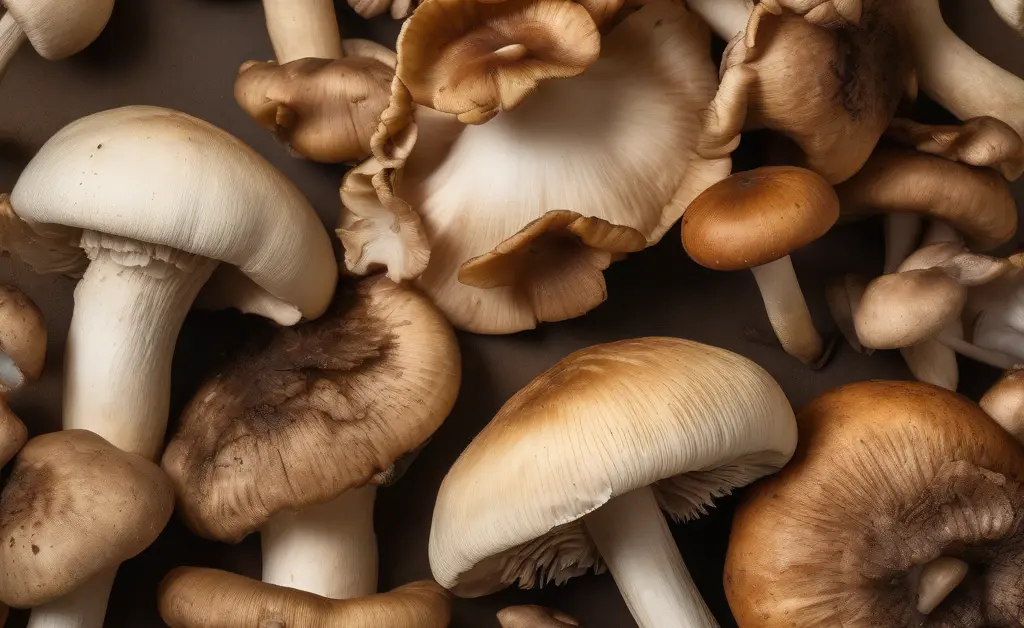
While many ingredients can contribute to umami or earthy flavors, not all make suitable direct replacements for porcini mushroom powder. Some common alternatives may introduce undesirable textures, flavors, or moisture content that can alter the intended outcome of a recipe. For instance, using fresh mushrooms as a direct porcini mushroom powder substitute is generally not recommended. Fresh mushrooms contain a high water content and lack the concentrated flavor of dried porcini, meaning a large volume would be needed to achieve comparable taste, potentially throwing off the liquid balance of the dish. Similarly, while some strong spices might offer earthy notes, they can easily overpower the dish with their own distinct flavors rather than blending seamlessly. The goal is to enhance the existing profile, not to introduce a new dominant taste. Avoiding these less effective substitutes helps ensure the integrity of your culinary creations. It is also important to be aware of potential porcini mushroom side effects when foraging and consuming the fresh mushroom.
Exploring alternatives for porcini mushroom powder opens up a world of culinary creativity, allowing cooks to maintain the desired depth and richness in their dishes even when the primary ingredient is unavailable. By understanding the core flavor attributes of porcini and carefully selecting substitutes that mimic its umami, earthy, and woodsy notes, one can confidently adapt recipes. Whether opting for other dried mushroom powders, leveraging umami-rich pantry staples, or combining various flavor enhancers, the journey of finding the perfect porcini mushroom powder substitute can lead to delicious discoveries and refined cooking techniques. With thoughtful consideration of flavor profiles, concentration, and recipe context, your dishes can continue to deliver exceptional taste and satisfaction.
not applicable
FAQ
— What can I use instead of porcini mushroom powder?
Dried shiitake mushrooms, reishi, or even a mix of common dried culinary mushrooms can offer a similar depth of flavor. For a broader approach, ingredients known for their rich umami notes, such as nutritional yeast or a quality miso paste, can also contribute a comparable savory essence. These alternatives help achieve a desired flavor profile when porcini is unavailable.
— Can I substitute other mushroom powders for porcini?
Absolutely, other mushroom powders can often serve as a porcini mushroom powder substitute, especially those with robust flavor profiles. For instance, dried shiitake powder is a popular choice, known for its deep, earthy, and highly savory notes, making it a very effective stand-in. Powders made from dried cremini or portobello mushrooms also contribute a good level of umami and earthiness, though perhaps with a slightly milder character than porcini.
— What non-mushroom ingredients provide an umami flavor similar to porcini powder?
Several non-mushroom ingredients are excellent for imparting a deep umami character. Nutritional yeast, rich in glutamates, offers a cheesy and savory flavor that can enhance many dishes. Miso paste, particularly darker varieties, provides a complex fermented umami base, while a good quality tomato paste or even concentrated vegetable broth can add significant savory depth.
— How do I use whole dried mushrooms as a substitute for porcini powder?
To utilize whole dried mushrooms, such as shiitake or mixed forest varieties, begin by rehydrating them in warm water for about 20-30 minutes until soft. Once rehydrated, you can finely chop or mince them to incorporate into your dish. Crucially, the flavorful soaking liquid, strained to remove any grit, can be added to further enrich the dish with concentrated mushroom essence.
— What’s the best substitute for porcini powder in a sauce?
For enhancing a sauce, a combination of ingredients often works best to mimic the complex flavor of porcini powder. Consider incorporating a small amount of concentrated tomato paste for depth, alongside a splash of soy sauce or tamari for an umami boost. Alternatively, finely ground dried shiitake mushrooms, combined with a touch of nutritional yeast, can deliver a wonderfully savory and earthy profile that complements many sauce bases.