When foraging for wild mushrooms, the thrill of discovery often comes with a crucial challenge: distinguishing edible delicacies from their less desirable, or even dangerous, counterparts. How can enthusiasts confidently identify the prized porcini mushroom while navigating the complex world of fungi? This question is particularly pertinent given the existence of numerous species that closely resemble it. Understanding the key characteristics that differentiate true porcini from other types is essential for safe and successful foraging. This guide will explore the specific features to look for when encountering porcini mushroom look alikes, providing detailed insights into identification methods to ensure a rewarding and risk-free experience.
Porcini Mushroom Look Alikes: What to Know
The quest for the famed porcini mushroom (often associated with Boletus edulis, also known as King Bolete) is a rewarding endeavor for any amateur mycologist. For those interested in growing their own, porcini mushroom cultivation presents unique challenges. However, several porcini mushroom look alikes exist, some of which are harmless but unpalatable, while others can cause significant distress or even be toxic. Knowing how to differentiate these various species is not just a matter of culinary preference but a critical safety measure. Accurate identification relies on a combination of visual, tactile, and even olfactory clues, requiring careful observation of multiple characteristics.
Distinguishing Cap and Stem Features
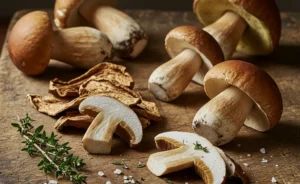
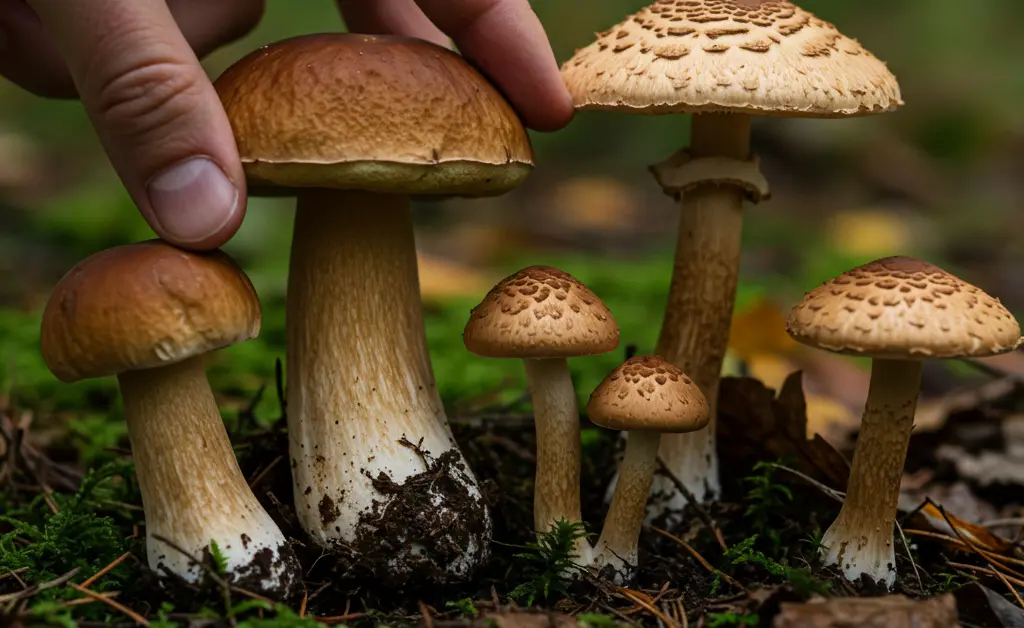
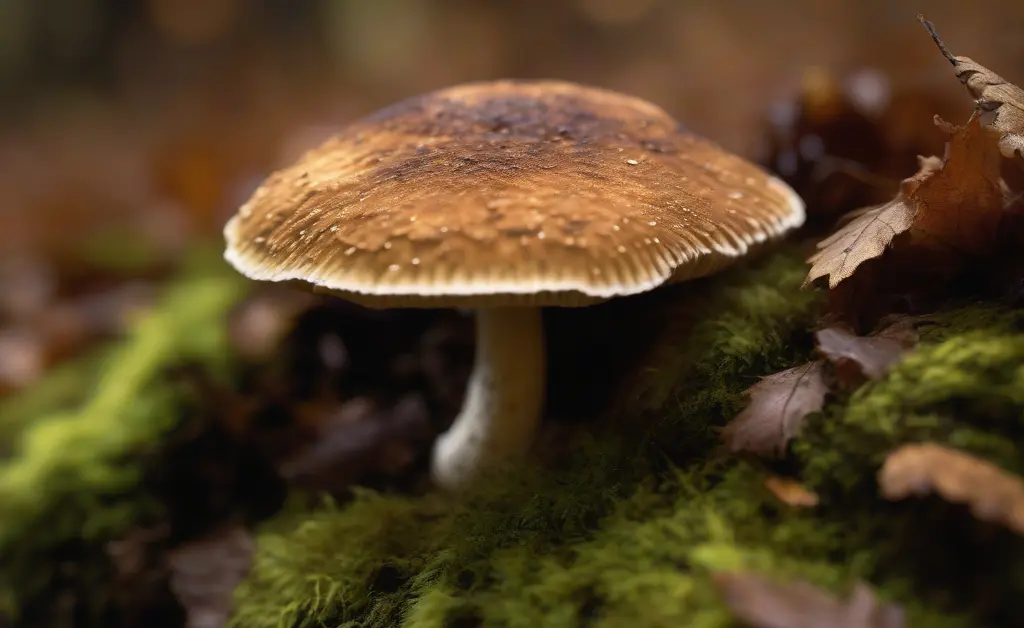
The cap of a true porcini typically presents as hemispherical to convex, often greasy or slightly sticky when moist, and usually dry and smooth when mature. Its color can vary from light tan to reddish-brown, often darker towards the center. In contrast, some porcini mushroom look alikes might have different cap textures, such as velvety or scaly, or distinct color variations that diverge from the classic porcini palette. The stem of a porcini is robust and club-shaped or bulbous, particularly when young, gradually becoming more cylindrical with age. A key identifying feature is the presence of fine white reticulation (a net-like pattern) on the upper part of the stem, sometimes extending further down. Look-alikes may lack this reticulation, have a different color, or display a different stem shape or texture, such as prominent scales or an excessively slender form.
Pore Layer and Bruising Reactions
Beneath the cap, porcini mushrooms have a spongy pore layer instead of gills. These pores are typically white or whitish when young, gradually turning yellowish to olive-green as the mushroom matures and its spores develop. The pores should not noticeably bruise a dark color when handled or damaged. Many porcini mushroom look alikes, particularly those within the broader Bolete family, can be differentiated by their pore characteristics. Some may have pores that are distinctly yellow, red, or orange from a young age, or they may exhibit a strong blue-bruising reaction when the pores or flesh are cut or pressed. Observing the initial pore color and any subsequent color changes upon bruising is a crucial step in identification.
Spore Print Analysis
A spore print is an invaluable tool for identifying mushrooms, offering a definitive characteristic that can help differentiate between similar species. To obtain a spore print, simply place the cap, gill-side down (or pore-side down for boletes), on a piece of white and dark paper, cover it, and leave it for several hours. The porcini mushroom, along with many of its close relatives, produces an olive-brown to brownish-green spore print. If a mushroom resembling a porcini yields a spore print that is distinctly pink, white, rust-brown, or black, it is likely not a true porcini and could be one of the various porcini mushroom look alikes. This test can provide clarity when other features are ambiguous.
Olfactory and Taste Characteristics
The porcini mushroom is renowned for its pleasant, earthy, and sometimes slightly nutty aroma, which translates into a delicious, mild flavor when cooked. For culinary applications, finding a suitable porcini mushroom powder substitute can be useful when fresh porcini are unavailable. When evaluating potential porcini specimens, a gentle sniff can often provide clues. True porcini should not have any off-putting or chemical smells. While tasting raw wild mushrooms is generally discouraged due to safety concerns, experienced foragers sometimes touch a small piece of the cap or stem to the tip of their tongue to discern taste. Porcini should be mild and not bitter. Many porcini mushroom look alikes, particularly those that are inedible or toxic, often possess a distinctly bitter, acrid, or otherwise unpleasant taste or smell. For instance, the Bitter Bolete (Tylopilus felleus) is notorious for its intensely bitter taste, which can ruin an entire dish even in small quantities.
What mushroom is most similar to porcini?
Among the many wild mushrooms, the ones most commonly mistaken for true porcini (Boletus edulis) are other species within the broader Boletaceae family, particularly other members of the Boletus genus or closely related genera. The Bay Bolete (Imleria badia) is frequently considered one of the most similar due to its similar cap shape and brownish coloration, though it typically lacks the distinct stem reticulation and has yellowish pores that may bruise faintly blue. Other members of the Boletus group, such as various species of King Bolete found in different regions, are also very similar, often differing only in subtle habitat preferences or slight variations in coloration or stem texture.
Look-Alikes within the Boletus Genus
Within the Boletus genus itself, several species can be confused with the prized porcini. For example, some subspecies or regional variations of Boletus edulis might have slightly different cap colors or stem characteristics. Other edible boletes, such as the “Summer Bolete” (Boletus aestivalis) or “Oak Bolete” (Boletus reticulatus), share many features with the classic porcini, including a mild taste and olive-brown spore print. Differentiating these often requires careful attention to subtle details in cap texture, stem reticulation, and habitat. While generally edible, distinguishing them from the true porcini can be challenging for the uninitiated.
Mushrooms from Other Genera Resembling Porcini
Beyond the immediate Boletus genus, there are several other mushroom genera whose species might be mistaken for porcini mushroom look alikes. The genus Tylopilus contains the infamous Bitter Bolete (Tylopilus felleus), which is non-toxic but incredibly bitter, making it inedible. It often has a brownish cap, white pores that turn pinkish with age (and produce a pink spore print), and reticulation on the stem, though its pores do not bruise blue. The genus Rubroboletus includes species like Satan’s Bolete (Rubroboletus satanas), which is characterized by a pale cap, red pores, and a stocky stem, often with red reticulation; it is toxic. Another genus, Imleria, contains the Bay Bolete (Imleria badia), which has a brownish cap, yellowish pores that bruise blue, and lacks the strong stem reticulation of a true porcini, but is generally considered edible.
Inedible and Toxic Porcini Mimics
Identifying inedible and toxic porcini mushroom look alikes is perhaps the most crucial aspect of safe foraging. The most common toxic mimic is Satan’s Bolete (Rubroboletus satanas), recognizable by its pale cap, often with olive tints, strikingly red pores that bruise blue, and a very thick, bulbous stem that is usually yellow with a red net-like pattern. Ingestion may lead to severe gastrointestinal upset. The potential porcini mushroom side effects from misidentification include these and other significant health issues. The Bitter Bolete (Tylopilus felleus) is another frequent mimic; while not toxic, its intense bitterness will render any dish inedible. It is typically characterized by a brownish cap, white pores that turn pinkish, and prominent stem reticulation, often bruising pinkish. Awareness of these specific distinguishing features is paramount.
Importance of Positive Identification
Foraging for wild mushrooms, especially for highly prized species like the porcini, carries inherent risks due to the presence of porcini mushroom look alikes. Positive identification means being absolutely certain of a mushroom’s identity by cross-referencing multiple characteristics and consulting reliable field guides. It is not sufficient to identify a mushroom based on just one or two features, as many look-alikes may share some superficial similarities. An amateur mycologist must consider cap shape, color, and texture, stem form and reticulation, pore color and bruising reactions, and spore print color to confidently distinguish the edible from the inedible or dangerous. Mistakes can lead to significant health issues, underscoring the vital need for thorough and diligent identification. For health-related concerns, consulting resources like the NHS can provide valuable information.
The “When in Doubt, Throw it Out” Principle
The fundamental rule of safe mushroom foraging is the “when in doubt, throw it out” principle. This means if there is any uncertainty about the identity of a mushroom, even after careful consideration of all its characteristics and consulting multiple resources, it should not be consumed. For comprehensive guidance, learning how to identify porcini mushroom accurately is an ongoing process. This principle is especially critical when dealing with sought-after species like porcini, which have several potentially harmful porcini mushroom look alikes. Prioritizing safety over the desire for a particular culinary experience is essential for all foragers, regardless of experience level. It is always better to err on the side of caution than to risk illness from misidentification.
Successfully foraging for porcini mushrooms requires a keen eye and a thorough understanding of their distinctive features, as well as the characteristics of their many look-alikes. By meticulously examining cap and stem features, pore layers, bruising reactions, and spore prints, and by being aware of both edible and toxic mimics, foragers can confidently identify their prized quarry. Always remember the paramount importance of positive identification and adhere to the “when in doubt, throw it out” principle to ensure a safe and rewarding experience in the world of wild fungi.
While this article discusses health-related topics, it does not provide medical guidance. The information presented is for educational purposes only and should not be used as a substitute for professional advice. Always consult with qualified experts for specific concerns. The identification of wild mushrooms carries inherent risks, and misidentification can lead to serious health consequences.
FAQ
— What mushrooms look like porcini?
Many mushrooms share a similar robust appearance to porcini, particularly other members of the Boletaceae family. Some common porcini mushroom look alikes include various species of *Tylopilus* (bitter boletes) and other *Boletus* species that are not true porcini. These often have a similar cap shape, thick stalk, and spongy pore layer instead of gills.
— How can you tell a real porcini mushroom?
Identifying a true porcini, like *Boletus edulis*, often involves looking for specific characteristics. Key identifiers include a reddish-brown cap that can be slightly sticky when wet, a reticulated (net-like pattern) stalk, and a firm, white flesh that does not stain blue when cut. The pores underneath the cap are typically whitish, turning yellowish-green with age, and separate easily from the cap.
— Are there poisonous porcini look alikes?
Yes, there are several mushrooms that closely resemble porcini and range from mildly toxic to truly poisonous. Some species, such as certain *Boletus* or *Rubroboletus* types, can cause severe gastrointestinal distress if consumed. It is crucial to accurately identify any wild mushroom before considering it for consumption.
— What is the difference between a porcini and a bitter bolete?
The most significant difference between a true porcini and a bitter bolete (*Tylopilus felleus*) lies in their taste. While porcini are renowned for their nutty, savory flavor, bitter boletes possess an intensely bitter taste that can render an entire dish inedible, even in small amounts. Visually, bitter boletes often have pinkish pores and a prominent net-like pattern on the stalk, which can sometimes be confused with porcini’s reticulation.
— Can you eat all porcini look alikes?
No, it is not safe to assume that all mushrooms resembling porcini are edible. Many look-alikes range from unpalatable due to bitterness, like the bitter bolete, to genuinely toxic species that can cause illness. Proper identification by an experienced individual is essential before consuming any wild mushroom.