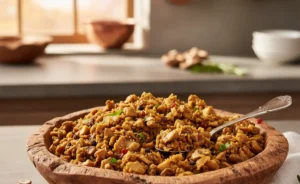

Many home cooks and even some professional chefs might assume that most edible mushrooms are broadly interchangeable, offering similar textures and flavors across the board. However, this generalized perception often overlooks the nuanced differences that elevate certain dishes and culinary experiences. Far from being identical, the choice between varieties can significantly impact a recipe’s outcome. This article delves into the specific characteristics that set them apart, providing a detailed comparison between oyster mushroom vs button mushroom, from their visual appeal and textural profiles to their nutritional content and ideal culinary uses. Understanding these distinctions empowers informed choices in the kitchen.
Oyster Mushroom vs Button Mushroom: A Comprehensive Comparison
While both oyster mushrooms and button mushrooms are widely consumed edible fungi, they represent distinct species with unique attributes. What are Oyster Mushrooms? These are a diverse group of fungi, often recognized by their fan-like or oyster-shell-shaped caps and their growth in shelf-like clusters on wood. They are a staple in various global cuisines, appreciated for their delicate taste and versatility. In contrast, what are Button Mushrooms? These are the immature form of the common white mushroom, scientifically known as Agaricus bisporus. They are arguably the most popular cultivated mushroom globally, characterized by their small, round caps and mild flavor. The fundamental difference between these two lies not just in their appearance but also in their biological characteristics, which ultimately influence their culinary applications and sensory profiles. This detailed examination aims to highlight these specific divergences, helping enthusiasts and chefs alike make informed decisions.
Key Differences: Appearance, Flavor, and Aroma
The visual distinction between an oyster mushroom vs button mushroom is often the first indication of their unique characteristics, followed by their individual flavor and aroma profiles. These differences are crucial for determining their best culinary uses and for appreciating the diverse world of edible mushrooms. Oyster Mushroom Flavor Nuances tend to be more complex, often described as subtly sweet with a hint of seafood-like notes, sometimes with a peppery finish. Their aroma is generally more pronounced, fresh, and slightly woody. Button Mushroom Taste Characteristics, on the other hand, are much milder and earthy, making them a more neutral option that readily absorbs the flavors of other ingredients. Their aroma is equally subtle, a classic mushroom scent without strong distinguishing notes.
Cap Shape and Size
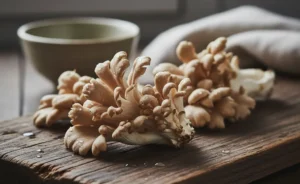
Oyster mushrooms are known for their distinctive cap shape, which typically resembles an oyster shell or a fan. These caps can range significantly in size, from small, delicate structures to larger, more robust specimens, and they often grow in overlapping clusters. The edges of the cap can sometimes be wavy or lobed. Button mushrooms, conversely, are characterized by their uniformly round or dome-shaped caps. They are generally smaller in size compared to mature oyster mushrooms, presenting a neat, compact appearance that is consistent across individual fungi.
Gills and Stem Characteristics
The gills of oyster mushrooms are usually prominent, running down the short or absent stem (decurrent gills) and are often white to cream in color. The stem itself is typically very short, stout, and may be off-center or almost nonexistent, blending into the cap where it attaches to the growing substrate. Button mushrooms, in contrast, have gills that are tightly packed and initially pale, often hidden beneath the cap, eventually darkening with maturity. Their stem is central, thicker, and more substantial, providing a firm base for the cap.
Color Variations
Oyster mushrooms exhibit a wide spectrum of color variations depending on the specific species or variety. Common colors include grey, blue, pink, yellow, and even brown. These vibrant hues can add visual appeal to dishes. Button mushrooms, being the immature form of the common mushroom, typically display a consistent pure white or off-white color. As they mature into cremini or portobello mushrooms, their color deepens to light brown and then a rich, dark brown, respectively.
Texture and Mouthfeel Comparison
The textural properties of mushrooms are just as important as their flavor in defining their culinary role. Oyster mushrooms are often prized for their unique texture, which can vary from delicate and tender to slightly chewy, especially in larger varieties. Chewiness of Oyster Mushrooms is a desirable quality, particularly when sautéed or stir-fried, as they maintain a satisfying bite without becoming overly tough. Their edges can become delightfully crispy when cooked at higher temperatures. Button mushrooms, by virtue of their dense, compact structure, offer a different experience. The Firmness of Button Mushrooms provides a satisfying, somewhat spongy mouthfeel. They tend to retain their shape well during cooking and offer a consistent, meaty texture, which is less fibrous than many oyster mushroom varieties.
Nutritional Value: A Side-by-Side Look
Both oyster mushrooms and button mushrooms contribute valuable nutrients to a balanced diet, making them excellent choices for health-conscious individuals. When considering the oyster mushroom vs button mushroom from a nutritional standpoint, both offer an array of health benefits. They are naturally low in calories and fat, while providing dietary fiber and essential micronutrients. Incorporating edible mushrooms into meals can be a delicious way to enhance nutritional intake.
Vitamins and Minerals Content
Both types of fungi are good sources of various vitamins and minerals. Oyster mushrooms are traditionally associated with B vitamins, including niacin, riboflavin, and pantothenic acid. They also offer minerals such as potassium, phosphorus, and iron. Button mushrooms are also known for their B vitamins, notably riboflavin and niacin, and they are recognized for being a natural source of vitamin D when exposed to ultraviolet light. They further provide selenium and potassium.
Protein and Fiber Comparison
In terms of macronutrients, both mushrooms offer protein and dietary fiber, which are important for satiety and digestive health. Oyster mushroom protein content is often noted as being present in significant amounts for a plant-based food, contributing to their nutritional appeal. They also contain dietary fiber. Button mushroom nutrition likewise includes a good amount of dietary fiber and a notable protein presence, though the exact proportions can vary slightly between the two types and preparation methods.
Calorie and Fat Differences
Both oyster and button mushrooms are remarkably low in calories and fat, making them ideal ingredients for light and healthy meals. Their minimal fat content means they contribute very few dietary fats to dishes. This low-calorie and low-fat profile is a significant advantage for those managing weight or looking for nutrient-dense, yet light, food options.
Benefits of Oyster and Button Mushrooms
Beyond their basic nutritional components, both oyster and button mushrooms are studied for their potential health benefits. They contain antioxidants, which may help combat oxidative stress. Certain compounds in these fungi are also being researched for their potential to support immune function. These health benefits make both varieties valuable additions to a wholesome diet, supporting overall wellness. For general health information and guidance, resources such as the NHS can be highly beneficial.
Which mushroom is healthy, button or oyster?
Both button and oyster mushrooms are considered healthy and nutritious, offering a range of vitamins, minerals, and other beneficial compounds. The “healthiest” choice often depends on specific dietary needs or preferences. Button mushrooms are notable for their vitamin D content, especially when fortified or UV-exposed, and selenium. Oyster mushrooms are often highlighted for their B vitamins and a different profile of antioxidants. Incorporating both into your diet can provide a broader spectrum of nutrients.
Which mushroom is the highest in protein?
While both button and oyster mushrooms contain protein, oyster mushrooms are often cited for having a comparatively higher protein content among common cultivated edible mushrooms. However, the exact protein levels can vary based on the specific species, growing conditions, and preparation. Both types are generally considered good plant-based sources of protein, especially when compared to other vegetables.
Culinary Applications and Best Uses
The distinct characteristics of oyster mushrooms and button mushrooms dictate their optimal culinary applications. Understanding these differences allows cooks to select the best fungus for their desired outcome, whether aiming for a delicate flavor or a robust, earthy base. Ideal Dishes for Oyster Mushrooms often include stir-fries, sautés, and soups, where their unique texture and flavor can shine. Their delicate taste makes them unsuitable for dishes with very strong competing flavors. Optimal Cooking Methods for Button Mushrooms, on the other hand, include sautéeing, roasting, grilling, and using them as a base for sauces and stews, where their mild flavor can absorb other ingredients effectively.
Oyster and button mushroom recipe
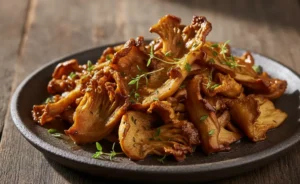
For an oyster mushroom and button mushroom recipe, you might consider a mixed mushroom medley. Oyster mushrooms can be gently sautéed with garlic and herbs until slightly crispy, highlighting their delicate taste and texture. Button mushrooms can be roasted alongside vegetables like bell peppers and onions to bring out their earthy notes and firm texture, making them ideal for a side dish or as a topping for grain bowls. These diverse culinary uses demonstrate how each mushroom excels in different preparations, showcasing the unique contributions of both varieties.
Availability, Storage, and Cost
The availability and cost of mushrooms can vary based on factors like seasonality, cultivation methods, and regional demand. Both oyster and button mushrooms are widely available in most grocery stores and farmers’ markets, thanks to extensive cultivation. Market Presence and Seasonality tend to be consistent year-round for cultivated varieties, offering reliable access. For optimal Shelf Life and Preservation Tips, both types should be stored in a paper bag in the refrigerator, allowing them to breathe and preventing excess moisture buildup, which can lead to spoilage.
Price Point Differences
Generally, button mushrooms tend to be more affordable and readily available than oyster mushrooms. Their widespread cultivation and efficient harvesting contribute to a lower average price point, making them a budget-friendly option for everyday cooking. Oyster mushroom price, while still accessible, can be slightly higher due to different cultivation methods, perceived specialty, and the variety of species available. This price difference can influence consumer choice, especially for those buying in bulk or adhering to a strict food budget.
Which Mushroom Reigns Supreme: Oyster or Button?
Determining which mushroom “reigns supreme” ultimately depends on the specific culinary application and personal preference. There isn’t a single answer, as the choice between oyster mushroom vs button mushroom is dictated by the desired flavor, texture, and visual appeal for a particular dish. If a recipe calls for a delicate, slightly sweet, and unique flavor with a tender-chewy texture, the oyster mushroom is often the superior choice. Its ability to crisp up in certain preparations also adds to its versatility for stir-fries and light sautés. However, if a recipe requires a mild, earthy flavor that can absorb other seasonings, a firm texture that holds up well in longer cooking times, and a universally appealing appearance, the button mushroom is often preferred. Its robust nature makes it an excellent foundation for stews, sauces, and roasted vegetable medleys. Ultimately, both offer distinct advantages and bring unique qualities to the table, making them indispensable components in diverse culinary traditions.
In summary, while both oyster and button mushrooms are valuable additions to any kitchen, their differences in appearance, flavor, texture, and nutritional profiles mean they serve distinct purposes. Oyster mushrooms offer a more nuanced flavor and a delicate, sometimes chewy texture, ideal for specific dishes where their character can truly shine. Button mushrooms, with their mild taste and firm texture, provide a versatile canvas, capable of blending seamlessly into a wide array of recipes. Understanding these individual strengths allows for more creative and effective cooking, ensuring that each mushroom is utilized to its full potential.
The content presented here is not a substitute for professional medical guidance. It is intended for informational purposes only and does not provide medical advice, diagnoses, or prescriptions. Always consult with a qualified healthcare professional regarding any health concerns or before making any decisions related to your health or treatment. The information provided should not be used to self-diagnose or treat any medical condition.
FAQ
— Are oyster mushrooms healthier than button mushrooms?
Both oyster and button mushrooms contribute beneficial nutrients to a balanced diet, including B vitamins and minerals. Oyster mushrooms are particularly known for their rich content of certain antioxidants and compounds like beta-glucans, which are linked to immune support. Button mushrooms, while milder in flavor, also offer various essential micronutrients and are a good source of fiber. The “healthier” aspect often depends on the specific nutritional needs and overall dietary context.
— What is the main difference between oyster and button mushrooms?
The fundamental distinction in the oyster mushroom vs button mushroom comparison lies in their physical characteristics, flavor, and culinary uses. Oyster mushrooms typically have a delicate, fan-like cap and a slightly chewy texture with a more pronounced, earthy-umami flavor. Button mushrooms, conversely, present a classic round cap and short stem, offering a milder, more subtle taste and a firmer texture that easily absorbs other flavors.
— Can I substitute oyster mushrooms for button mushrooms in recipes?
While it’s generally possible to substitute oyster mushrooms for button mushrooms in many recipes, be aware that it will significantly alter the dish’s flavor and texture. Oyster mushrooms have a more distinct, savory taste and a silkier, slightly chewier texture compared to the mild flavor and firmer bite of button mushrooms. For recipes where the mushroom flavor is meant to be subtle, this substitution might introduce a more dominant profile.
— Do oyster mushrooms taste similar to button mushrooms?
Oyster mushrooms and button mushrooms differ notably in their flavor profiles. Button mushrooms offer a very mild, earthy, and somewhat neutral taste that blends easily with other ingredients. In contrast, oyster mushrooms possess a more complex, savory, and subtly sweet flavor, often described as having faint notes of seafood or anise, alongside their earthy undertones.
— Which mushroom is better for cooking, oyster or button?
The suitability of oyster or button mushrooms for cooking truly depends on the desired outcome and the specific dish. Button mushrooms are incredibly versatile, excelling in recipes where a gentle mushroom flavor is preferred or where they need to absorb other culinary notes. Oyster mushrooms, with their richer taste and unique texture, are particularly well-suited for stir-fries, sautés, or dishes where the mushroom itself is a star ingredient.
— Are oyster mushrooms more expensive than button mushrooms?
Generally, oyster mushrooms tend to be slightly more expensive per pound than common button mushrooms. This price difference is often influenced by factors such as cultivation methods, demand, and shelf life. Button mushrooms are widely cultivated on a large scale, contributing to their accessibility and lower cost.