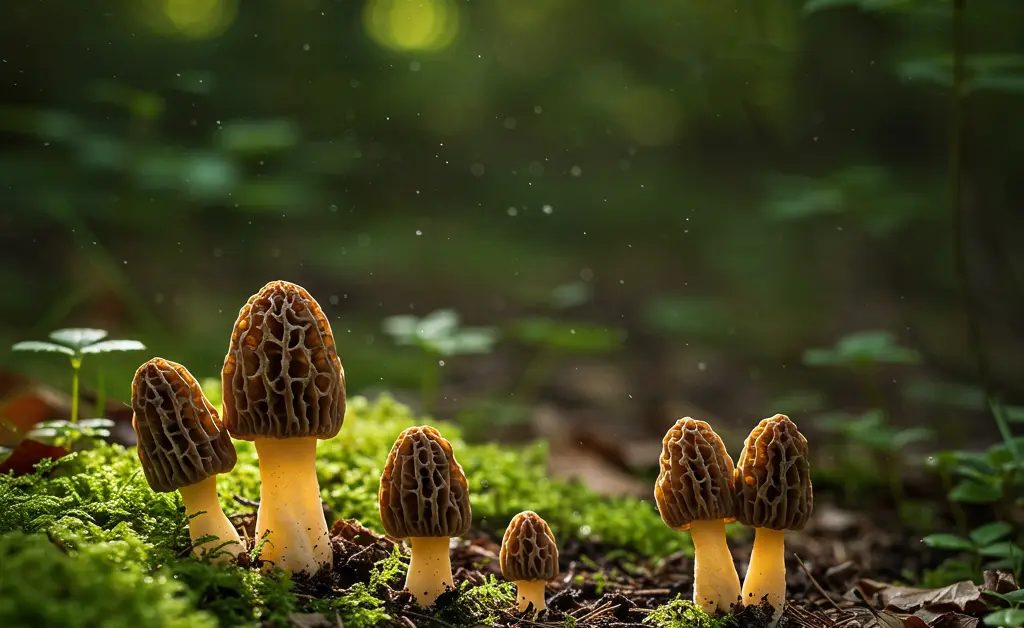
Knowing when and where to look for morels can transform your foraging from a game of chance into a rewarding harvest. The key lies in understanding the specific environmental triggers that signal the start of the season. While a bit of luck is always involved, paying close attention to soil temperatures, recent rainfall, and humidity levels provides a significant advantage. This article explores the ideal morel mushroom weather, offering insights into the patterns that cause these elusive fungi to fruit. By learning to interpret these natural cues, you can time your hunts more effectively, increasing your likelihood of returning with a full basket and minimizing the time spent searching empty woods. We will break down the critical factors, from ground warmth to air moisture, that create the perfect conditions for a bountiful morel season.
Morel Mushroom Weather
The appearance of morel mushrooms is not a random event but a direct response to specific environmental cues. The underground network of the fungus, known as mycelium, remains dormant until a precise combination of warmth and moisture signals that it’s time to produce fruiting bodies. Understanding these triggers is fundamental to successful foraging.
The Importance of Soil Temperature
Of all the environmental factors, soil temperature is perhaps the most critical. It acts as the primary alarm clock for the morel mycelium. Until the ground reaches a consistent and sustained warmth, the fungus will not begin the process of fruiting, regardless of other conditions. Foragers who learn to monitor the soil can gain a significant head start on the season, targeting areas that are likely to become productive first. Understanding morel mushroom ground temp is essential for this.
Soil Temperatures as Predictors for Mushroom Emergence
Experienced hunters often carry a soil thermometer to get precise readings. Mushroom emergence is closely tied to when the ground, several inches below the surface, stabilizes within a particular temperature window. This period of consistent warmth tells the mycelium that winter has passed and the conditions are stable enough to support growth. Tracking this metric is one of the most reliable methods for forecasting the start of the season in your specific location, often more so than just looking at the calendar.
Ideal Air Temperature Ranges
While soil temperature initiates the process, air temperature plays a crucial role in sustaining morel mushroom growth. Once the mushrooms begin to emerge, they need mild air temperatures to develop properly. A pattern of warm days followed by cool, but not freezing, nights is often considered ideal. Extreme heat can cause the mushrooms to dry out and stop growing, while a late-season frost can damage or kill the young fungi, effectively ending the hunt in that area.
Waiting for morels? Keep an eye on air temperature AND …
Simply waiting for the air to feel warm is not enough. A successful forager understands that air temperature is just one piece of a complex puzzle. It must be considered in conjunction with other critical elements, most notably moisture. A warm, dry spell will not encourage morels to grow. The true magic happens when rising temperatures are paired with adequate ground moisture and humidity, creating a perfect incubator for mushroom development.
Understanding Morel Mushroom Weather Patterns
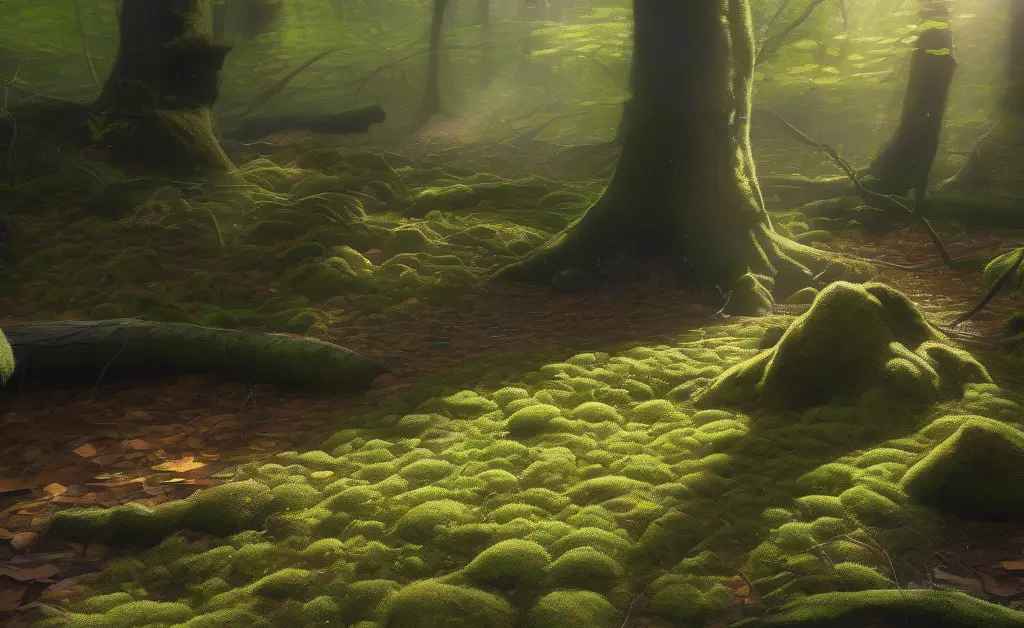
Morels are creatures of habit, responding predictably to changes in the weather. By learning to read these patterns, you can move beyond guessing and begin to anticipate when and where the mushrooms will appear. The interplay between rain, humidity, and sun is what defines a prime hunting window. To enhance your hunting, consider using a specialized morel mushroom knife.
How many days after rain to look for morels?
This is a common question among foragers, and the answer depends on several factors. Morels do not typically pop up overnight. After a good, soaking rain, the mycelium needs time to absorb the moisture and develop the fruiting body. Generally, you can expect to see the first signs of growth a few days following the rain event, provided that temperatures remain favorable. The most productive hunting often occurs in the days that follow, as the mushrooms have time to mature.
The Role of Recent Rainfall
Rain is the essential trigger that hydrates the soil and fuels morel growth. However, not all rain is created equal. A light sprinkle that barely dampens the leaf litter is unlikely to have much effect. What you’re looking for is a significant, ground-saturating rainfall that deeply penetrates the soil, providing a sustained source of moisture for the mycelium. The ideal morel mushroom weather often involves at least one such rain event, which signals the start of a potential fruiting period.
Humidity and Moisture Levels
After the rain, the atmospheric conditions become just as important. High humidity is crucial for preventing the delicate, emerging mushrooms from drying out. A good rain followed by dry, windy days can be detrimental to the harvest. The best conditions involve overcast skies, high humidity, and damp ground in the days following a rain. This sustained moisture allows morels to grow to a good size before they are discovered by foragers or begin to decay.
Sunlight Exposure and Its Impact
Sunlight has a dual effect on morel habitats. On one hand, it is essential for warming the soil, especially on south-facing slopes early in the season, which are often the first places to check. On the other hand, direct and intense sunlight can quickly dry out the ground and the mushrooms themselves. For this reason, many hunters find success in areas with dappled sunlight, such as open woods or along the edges of forests, where the ground receives warmth without being baked by the sun.
Key Weather Factors for Morel Mushroom Growth
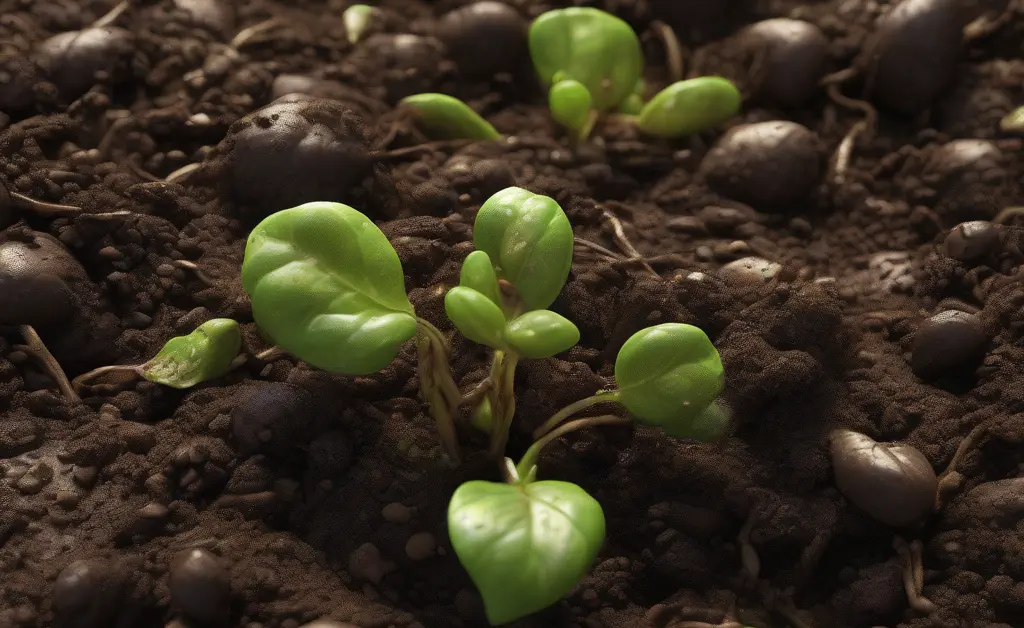
To consistently find morels, it’s necessary to synthesize all the different weather inputs. Growth is not dependent on a single factor but on the synergy of temperature, moisture, and timing. When these elements align, they create the perfect conditions for a widespread and abundant fruiting. Following a comprehensive morel mushroom hunting guide can significantly improve your success. The National Library of Medicine (NLM) offers extensive resources on mycology.
Regional Weather Differences
It is vital to recognize that ideal conditions are relative to your location. The specific weather patterns that trigger morels in the southern United States will differ from those in the Pacific Northwest, the Midwest, or the Appalachian Mountains. For example, the season starts much earlier in the south and gradually moves northward as the ground warms. Elevation also plays a significant role, with higher altitudes warming up later in the season. Understanding these seasonal variations and their influence is key to interpreting the morel mushroom weather for your specific hunting grounds.
When to Hunt Morels Based on Weather Conditions
Identifying prime hunting windows involves becoming a keen observer of nature. The perfect time to head into the woods is typically after a period of favorable weather has aligned. This often looks like a multi-day pattern: the soil temperature has reached a stable warmth, a significant rain has soaked the ground, and the forecast calls for several days of mild, humid conditions without freezing nights. When you see this combination of factors, it’s time to act. This proactive approach, based on interpreting the morel mushroom weather, is far more effective than randomly searching the woods hoping for a lucky find. This approach can contribute to the fastest way to find morel mushrooms.
Predicting Morel Mushroom Season
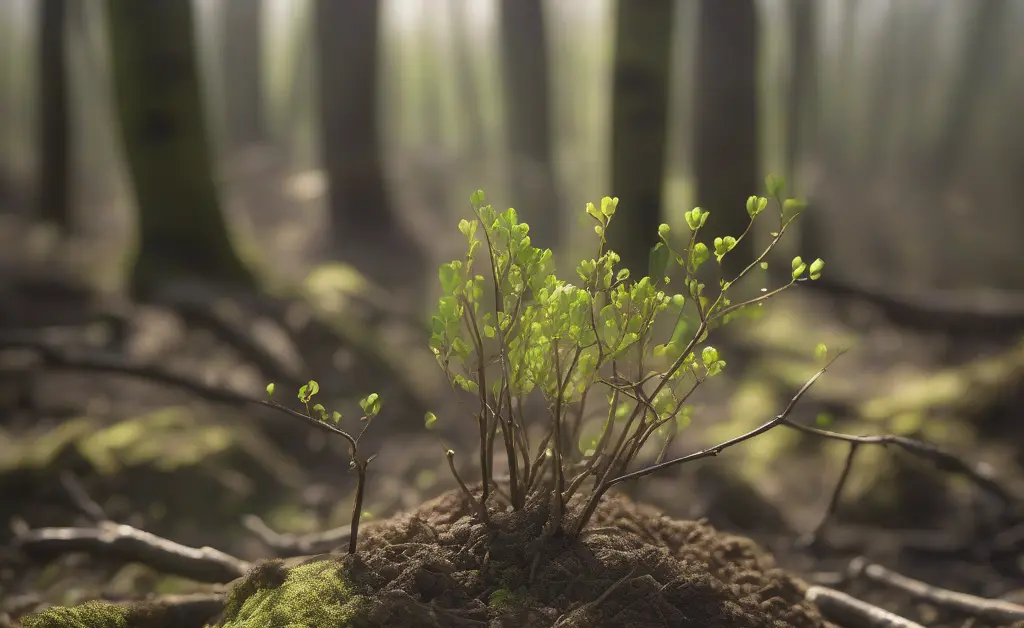
Beyond short-term forecasts, you can predict the broader morel season by observing long-term trends and ecological indicators. Paying attention to the “green-up”—the point in spring when vegetation begins to leaf out—is a classic method. The emergence of certain wildflowers or the budding of specific trees, like elms and ashes, often coincides with the soil temperatures required for morel growth. By combining these natural cues with long-range weather forecasts, you can develop a robust strategy for predicting when the season will start, peak, and end in your area. This holistic view of the morel mushroom weather and local ecology is the hallmark of a seasoned forager.
Ultimately, a successful morel hunt is a rewarding experience that connects you with the rhythms of the natural world. While luck will always play a part, your success rate can dramatically improve by shifting from a hopeful searcher to a knowledgeable observer. By learning to interpret the signs—the warmth of the soil, the timing of the rains, and the feel of the air—you transform foraging from a game of chance into a skill. Start paying attention to these environmental patterns, and you will be better equipped to predict when and where these delicious fungi will make their appearance.
The information presented in this article is educational and not meant as professional medical counsel. This content is for informational purposes only and should not be used as a guide for harvesting or consuming wild fungi. Proper identification of any wild mushroom is critical, as many poisonous species can resemble edible ones. Always consult with a local expert or a reliable field guide before consuming any wild mushroom. Consuming misidentified mushrooms can lead to severe illness or be fatal.
FAQ
What is the ideal temperature for morel mushrooms?
Morel mushrooms typically flourish in cool, moist conditions, and their fruiting is often triggered by specific temperature ranges. Studies have shown a preference for temperatures that encourage the breakdown of organic matter in their environment.
How does rain affect morel mushroom growth?
Adequate rainfall is crucial for the development of morel mushrooms, as moisture is essential for fungal growth and the formation of fruiting bodies. Consistent moisture in the soil and environment supports the mycelial network and provides the hydration needed for morels to emerge.
What soil temperature is needed for morels?
The ideal soil temperature for morels generally falls within a specific range, typically starting to show activity as the soil warms in spring. This warming trend, combined with moisture, signals favorable conditions for mycelial expansion and fruiting.
Will morels grow in 50 degree weather?
Fifty-degree Fahrenheit weather can be conducive to morel mushroom growth, especially when accompanied by ample moisture. This temperature range often signifies the transition from colder periods to warmer ones, which is a common time for morels to appear.
What temperature is too cold for morels?
Temperatures that are consistently too cold can inhibit the metabolic processes necessary for morel mushroom development. While they prefer cooler conditions compared to some other fungi, prolonged freezing temperatures will typically halt their growth and fruiting.