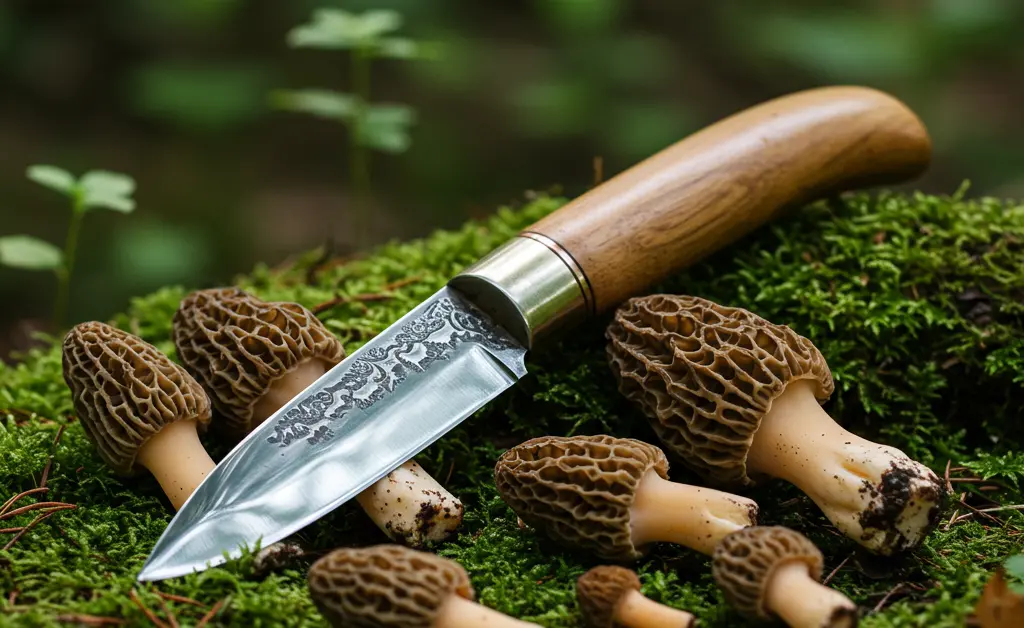
There’s a unique frustration that comes with foraging: finding a perfect patch of morels, only to damage their delicate stems or grind dirt into their honeycombed caps with a clumsy pocket knife. The excitement of the hunt can quickly turn into a tedious cleaning job back home. This common problem highlights the need for a specialized tool designed specifically for the task. A proper morel mushroom knife is engineered not just for cutting but also for cleaning, ensuring your prized fungi are harvested cleanly and efficiently. This guide will walk you through the key features to look for, helping you select the perfect companion for your next foraging adventure.
What is a Morel Mushroom Knife?
A mushroom knife is a specialized tool created with the unique needs of a forager in mind. Unlike a standard pocket knife or kitchen paring knife, its design is purpose-built for the delicate task of harvesting wild fungi like morels. It combines several key functions into one compact and portable device, making it an indispensable part of any forager’s kit.
Defining the Morel Mushroom Knife
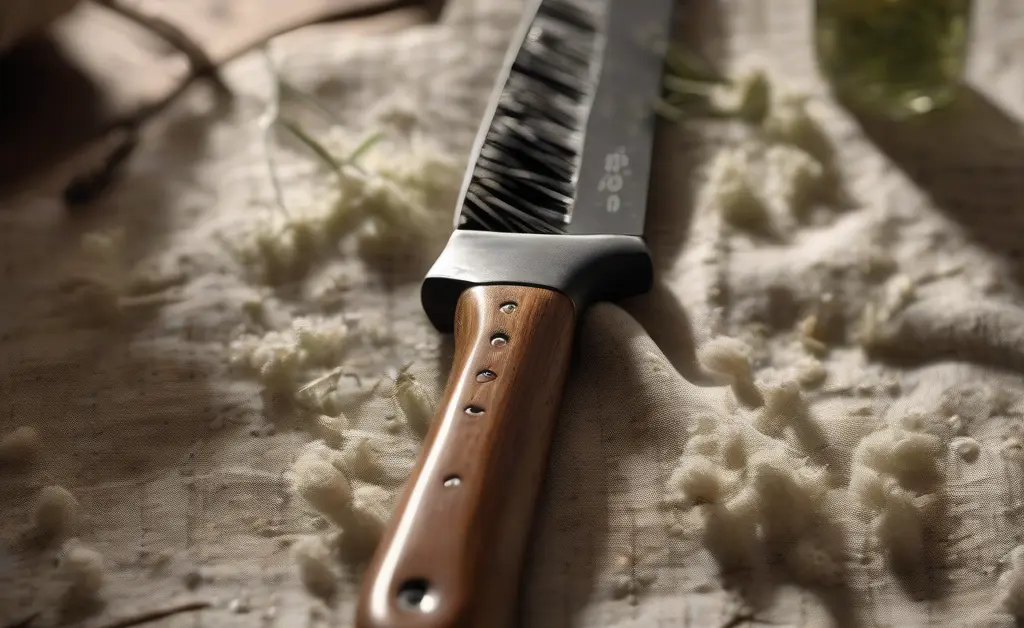
At its core, a dedicated mushroom knife is characterized by three main components: a curved blade, an integrated brush, and an ergonomic handle. The blade is shaped to slice through a mushroom’s stem without tearing it or disturbing the sensitive mycelium network underground. The brush, typically located on the opposite end of the handle, is used to gently whisk away dirt, pine needles, and other debris from the mushroom’s cap and gills right in the field. This immediate cleaning prevents grit from becoming embedded, which is especially important for the intricate, honeycombed structure of a morel. Many models also feature a ruler or measurement marks on the handle, which can be useful for identifying species or adhering to local harvesting regulations. For more on harvesting morels, consult this morel mushroom hunting guide.
Key Features of a Morel Mushroom Knife
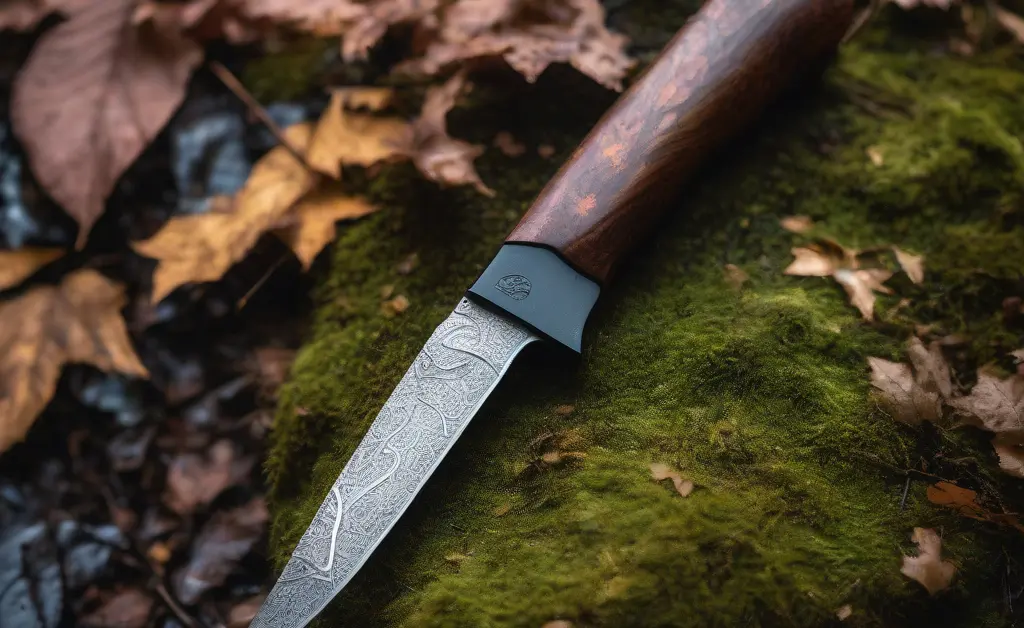
When examining different mushroom knives, several features stand out as crucial for performance and convenience. The blade is arguably the most important element. Most feature a “hawkbill” or crescent shape, which allows you to hook the blade around the mushroom stem and slice it cleanly with a simple pulling motion. Blade material is also a key consideration; stainless steel is common due to its resistance to rust and corrosion, making it low-maintenance and durable for use in damp forest environments. Some purists prefer carbon steel for its ability to hold a sharper edge, though it requires more diligent care to prevent rust.
The handle design directly impacts comfort and safety during use. Handles are often crafted from wood for a traditional feel and secure grip, while others are made from durable plastics or composites that are resistant to moisture and easy to clean. An ergonomic shape that fits well in the hand reduces fatigue during long foraging sessions.
Finally, the integrated cleaning brush is a defining feature. Brushes with soft, natural bristles are prized for their gentleness on delicate mushroom caps, while synthetic bristles can offer more durability and easier cleaning. The combination of these purpose-built features in a single, often foldable, tool highlights its superiority over a simple knife for harvesting mushrooms. Knowing the right time to pick is crucial for a good harvest, and this guide on morel mushroom when to pick can help.
Why Use a Dedicated Morel Mushroom Knife?
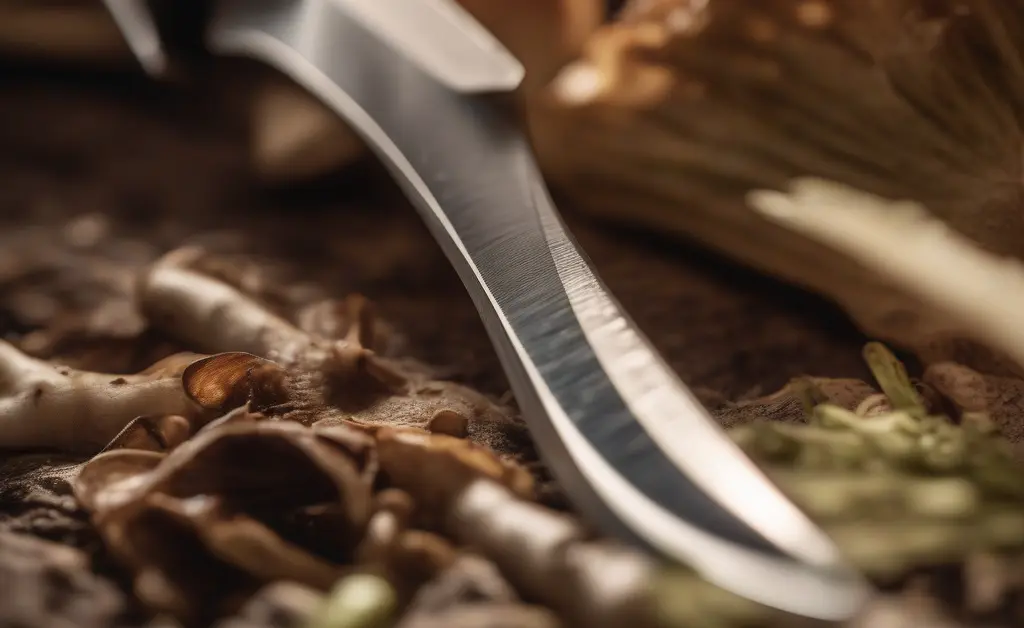
Using a tool specifically designed for a task almost always yields better results, and mushroom foraging is no exception. The primary benefit of a dedicated knife is the efficiency and precision it brings to harvesting. The curved blade allows for a clean cut that minimizes damage to the mushroom itself and, just as importantly, to the mycelial network it grew from. A clean cut can help promote future growth in the same area, whereas pulling or tearing mushrooms can harm the organism.
Another major advantage is hygiene and cleanliness. By using the integrated brush to clean morels as you pick them, you significantly reduce the amount of work required back in the kitchen. Field cleaning prevents dirt from getting ground into the mushroom’s delicate structure, resulting in a cleaner final product. This all-in-one design is also incredibly convenient. Carrying a single, lightweight tool that cuts and cleans is far more practical than juggling a separate knife and brush. For anyone serious about foraging, investing in a proper morel mushroom knife is a small step that makes a significant difference in the quality of the harvest and the overall experience. Knowing the fastest way to find morel mushrooms is also key to a successful hunt.
How to Choose the Best Morel Mushroom Knife
Selecting the right tool depends on your experience level, budget, and personal preferences. For beginners, a simple, budget-friendly option is often the best starting point. These models typically feature a reliable stainless steel blade, a functional brush, and a basic handle. They provide all the necessary functions without a significant investment, allowing new foragers to see the benefits firsthand.
More experienced foragers might look for premium features that enhance durability and performance. High-end choices may include blades made from superior steel that hold an edge longer, handles crafted from fine woods or advanced composites, and more robust folding mechanisms. These knives are built for longevity and can withstand the rigors of frequent use in various conditions.
Ultimately, the best morel mushroom knife is one that feels comfortable and natural in your hand. Consider the size and weight—do you prefer a smaller, lighter knife for your pocket, or a larger, more substantial tool? Pay attention to the handle’s shape and material to ensure a secure grip, even when wearing gloves or in wet conditions. Trying out a few different styles, if possible, can help you find the perfect match for your foraging needs. Understanding the ideal morel mushroom ground temp can also be vital for successful foraging.
Caring for Your Morel Mushroom Knife
Proper maintenance is key to ensuring your knife lasts for many seasons of successful foraging. After each trip, it’s important to clean your tool thoroughly. Use a damp cloth to wipe down the blade and handle, removing all traces of dirt and plant residue. Pay special attention to the brush; gently comb through the bristles to remove any trapped grit or debris. Allow the entire knife, especially the brush and any wooden components, to air dry completely before storage to prevent mold or mildew.
Keeping the blade sharp is crucial for making clean cuts. A dull blade can crush or tear mushroom stems, defeating the purpose of a specialized knife. Depending on the frequency of use, you may need to sharpen your knife periodically using a sharpening stone or a purpose-built knife sharpener suitable for curved blades.
Proper storage will protect your investment. Most folding models are self-contained, but it is still best to store your morel mushroom knife in a dry place to prevent rust on the blade and hardware. If your knife came with a sheath or pouch, use it to protect the blade and keep it from accidentally opening. With just a little care, your knife will remain a reliable companion on all your foraging adventures.
Best morel mushroom knife
Ultimately, the “best” morel mushroom knife is not a single product but rather the one that best fits the individual forager’s needs. The ideal choice is a balance of function, comfort, and durability. A beginner may find that a simple, affordable model with a stainless steel blade and a solid brush is perfectly adequate. An avid enthusiast, on the other hand, might prioritize a knife with premium blade steel for superior edge retention and a handcrafted wooden handle for aesthetic appeal and a comfortable grip.
When making your selection, reflect on the key features discussed: the shape and material of the blade, the quality of the integrated brush, and the ergonomics of the handle. The right tool will feel like an extension of your hand, enabling you to harvest morels cleanly and efficiently while minimizing damage to the fungus and its environment. It transforms the harvest from a simple task into a practice of care and precision, enhancing the overall joy of foraging. For those interested in the scientific aspects of fungi, resources from the National Library of Medicine can provide in-depth information.
This article is written for general understanding and not for medical decision-making. The information provided is intended to guide the selection of a foraging tool and does not constitute advice on the identification, safety, or consumption of wild mushrooms. Always consult with an expert before consuming any foraged fungi. Proper identification is critical to avoid accidental poisoning, as many toxic mushrooms can resemble edible varieties.
FAQ
Can I use a regular pocket knife for morels?
While a regular pocket knife can be used to harvest morels, a specialized morel mushroom knife offers features designed for this purpose. These knives often include a brush to clear away debris and a sharp blade for clean cuts, helping to preserve the delicate mushroom and its habitat. A morel mushroom knife can make the foraging process more efficient and respectful of the environment.