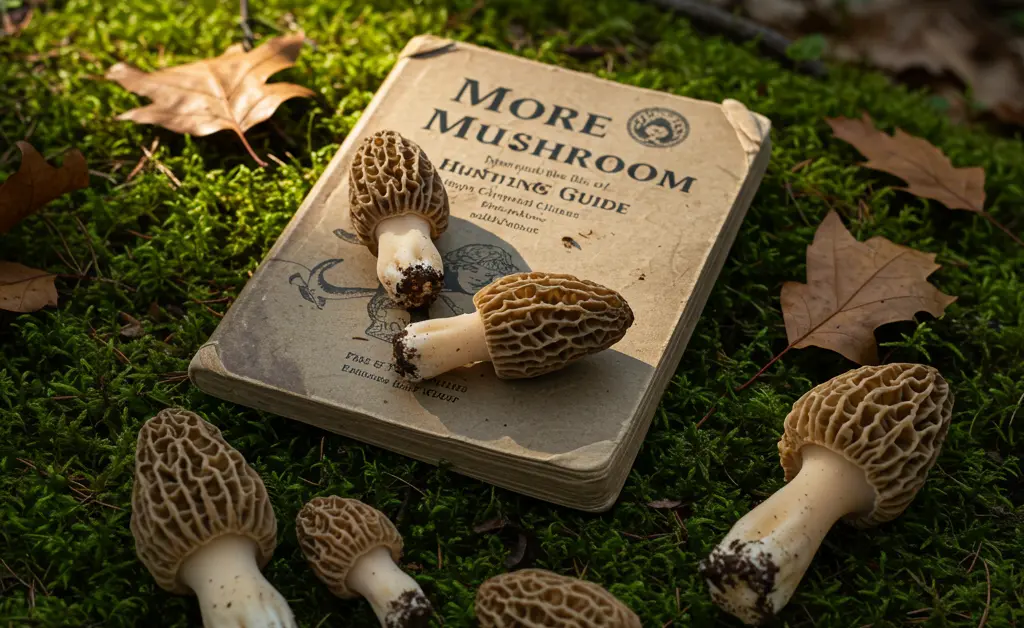
Finding these elusive fungi is a true springtime treasure hunt. It combines patience, knowledge of the local ecosystem, and a keen eye for subtle environmental cues. Success in the field requires more than just luck; it demands a solid Morel Mushroom Hunting Guide to inform your search. From identifying the right tree species to understanding the subtle signs of their presence after a spring rain, every detail matters. This resource will walk you through the essential steps, covering when and where to look, how to safely identify true morels from their toxic look-alikes, and the best practices for a sustainable harvest. By mastering these fundamentals, you can significantly increase your chances of returning from the woods with a basket full of these prized culinary delicacies.
When to Hunt Morels
Timing is arguably the most critical factor in a successful morel hunt. These mushrooms appear for a fleeting period in the spring, and being in the right place at the right time is paramount. The window of opportunity is dictated by a combination of seasonal progression, specific weather patterns, and the fungus’s own biological clock.
Springtime Seasonality
Morels follow the arrival of spring as it moves from south to north. The season can begin in late winter in southern regions and extend into early summer in northern latitudes and higher elevations. Foragers often track the “morel wave” as it progresses across the country. The key is to pay attention to local environmental cues rather than a strict calendar date. The emergence of certain spring plants, like mayapples and trilliums, often coincides with the appearance of morels, serving as reliable natural indicators that the season has begun in your area.
Temperature and Rainfall Indicators
Weather is the primary trigger for morel fruiting. The most important factor is soil temperature; morels typically begin to appear when the ground temperature consistently reaches and stays within a specific moderate range. A soil thermometer can be a valuable tool for dedicated hunters. Additionally, rainfall is essential. A good soaking rain followed by several days of warm, humid weather often creates the perfect conditions for a “flush” of morels. Hunters learn to watch the forecast closely, planning their excursions a day or two after a significant spring rain event when temperatures are on the rise. Understanding morel mushroom weather patterns is key to successful foraging.
Understanding Morel Life Cycles
The morel mushroom you pick is merely the fruiting body of a much larger organism called mycelium, which exists as a vast, web-like network underground. This mycelial network can lay dormant for long periods, waiting for optimal conditions. It forms complex relationships with soil bacteria and the root systems of certain trees. When the combination of moisture, temperature, and nutrients is just right, the mycelium is signaled to produce the mushrooms, which then release spores to create new colonies. Understanding this life cycle helps explain why morels appear in the same general areas year after year, provided the habitat remains intact.
Where to Find Morels
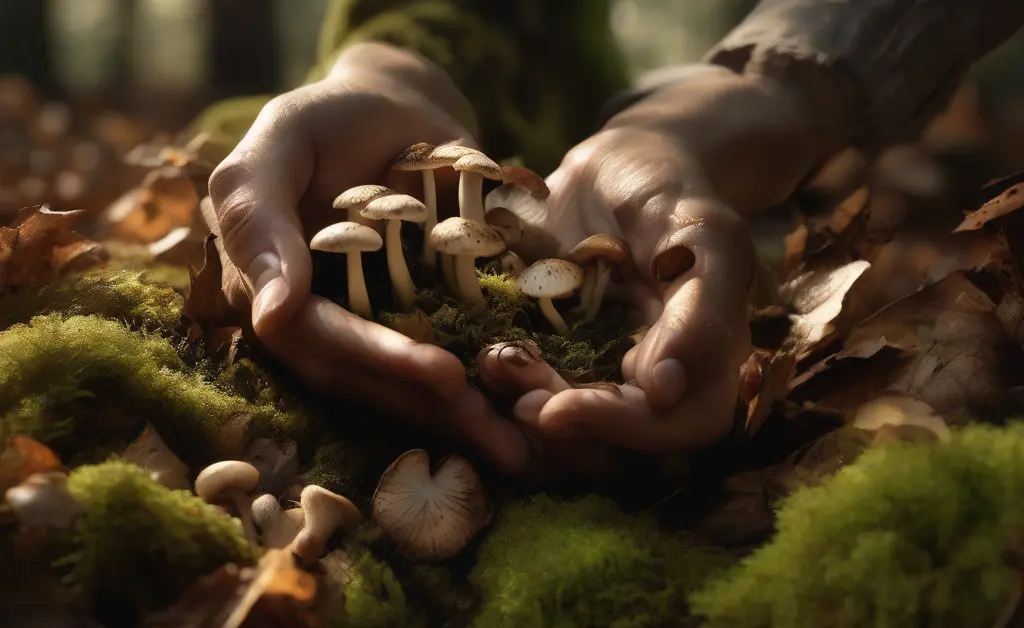
Knowing when to look is only half the battle; you also need to know where. Morels are notoriously picky about their habitat, and learning to read the landscape for promising signs is a skill that develops with experience. Focusing your search on specific types of environments and near certain tree species will dramatically increase your odds of success. A comprehensive `Morel Mushroom Hunting Guide` always emphasizes the importance of habitat recognition.
Habitat Preferences (Deciduous Forests, Riverbanks)
Morels thrive in well-drained soils found in deciduous forests. They are rarely found in coniferous-dominated woods. Look for slopes, particularly those facing south or west early in the season, as they warm up first. As the season progresses, shift your focus to north-facing slopes, which retain moisture longer. Riverbanks and the floodplains of streams and rivers are also classic morel hotspots. The loamy, sandy soil and consistent moisture in these areas create an ideal environment for the mycelium to flourish.
Associated Tree Species (Ash, Elm, Oak, Apple)
Perhaps the most famous tip in morel hunting is to “look for the right trees.” Morels form symbiotic or parasitic relationships with specific tree species. Dying elm trees are legendary producers of morels, often yielding a bounty in the years following the tree’s death. Ash trees are another key associate, as are mature oak and tulip poplar trees. Don’t overlook old apple orchards, where morels frequently grow near the base of aging apple trees. Learning to identify these trees, even in early spring before they have fully leafed out, is a fundamental skill for any morel hunter.
Signs of Disturbed Ground (Fire, Logging)
Morels have a peculiar affinity for disturbed ground. Areas that have experienced recent ecological changes can often produce massive flushes of morels, particularly in the year or two following the event. This includes areas subjected to controlled burns or wildfires, as the fire can stimulate the mycelium or change soil chemistry in its favor. Similarly, selectively logged areas, where the ground has been churned up and trees have been stressed or removed, can become temporary morel bonanzas. When scouting, keep an eye out for these signs of change in the landscape. You can even find morel mushrooms by looking for dandelions and soil temp 50.
Identifying Morels
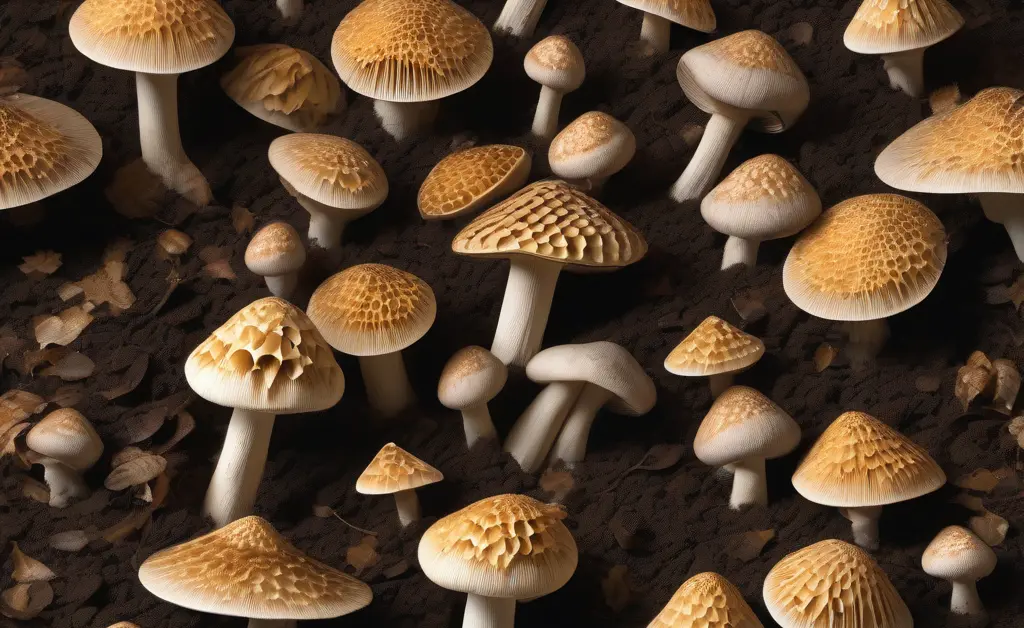
Proper identification is the most important responsibility of any mushroom forager. While morels have a distinctive appearance, there are several “false morel” species that can be toxic if consumed. Learning the key differences is not just helpful—it’s essential for your safety. Following a trusted identification process is the cornerstone of any `Morel Mushroom Hunting Guide`.
Distinguishing True Morels from False Morels
The most reliable way to differentiate a true morel from a false one is by slicing it in half lengthwise. A true morel is completely hollow from the tip of the cap to the bottom of the stem, appearing as a single, continuous hollow chamber. False morels, on the other hand, will have a fibrous, cottony, or chambered interior. Another key sign is the cap attachment. On a true morel, the bottom edge of the cap is fully attached to the stem. On most false morels, the cap hangs freely, like a skirt, with the top of the stem connecting only at the very peak of the cap.
| Feature | True Morel (Edible) | False Morel (Toxic) |
|---|---|---|
| Interior | Completely hollow from top to bottom | Not hollow; filled with cottony fibers or chambered |
| Cap Shape | Uniformly pitted and ridged, like a honeycomb or sponge | Wavy, lobed, or brain-like; more wrinkled than pitted |
| Cap Attachment | The cap is fully attached to the stem at its base | The cap hangs freely around the stem, attached only at the top |
Key Physical Characteristics (Cap, Stem, Pits)
True morels are defined by their unique cap. It is covered in a network of pits and ridges, resembling a natural sponge or a piece of honeycomb. The shape can range from conical to more rounded or bulbous. The color varies, but the overall pattern of defined pits is consistent. The stem is pale, typically whitish or yellowish, and as mentioned, is completely hollow and integrated with the cap. When you find a mushroom you suspect is a morel, performing these simple physical checks is a mandatory step before it goes into your basket.
Common Morel Varieties (Yellow, Black)
While there are many species of morels, they are often grouped into two main categories for foraging purposes: black morels and yellow morels. Black morels are typically the first to appear in the season. They have darker, grayish, or brownish ridges with lighter-colored pits and a more conical shape. They are often found near ash trees and in disturbed areas. Yellow morels, sometimes called gray or white morels, tend to appear later in the season. They are larger, with a more uniform yellowish-tan color and a more rounded cap. They are commonly found near dying elms, old apple trees, and mature oaks.
Morel Hunting Techniques & Tips
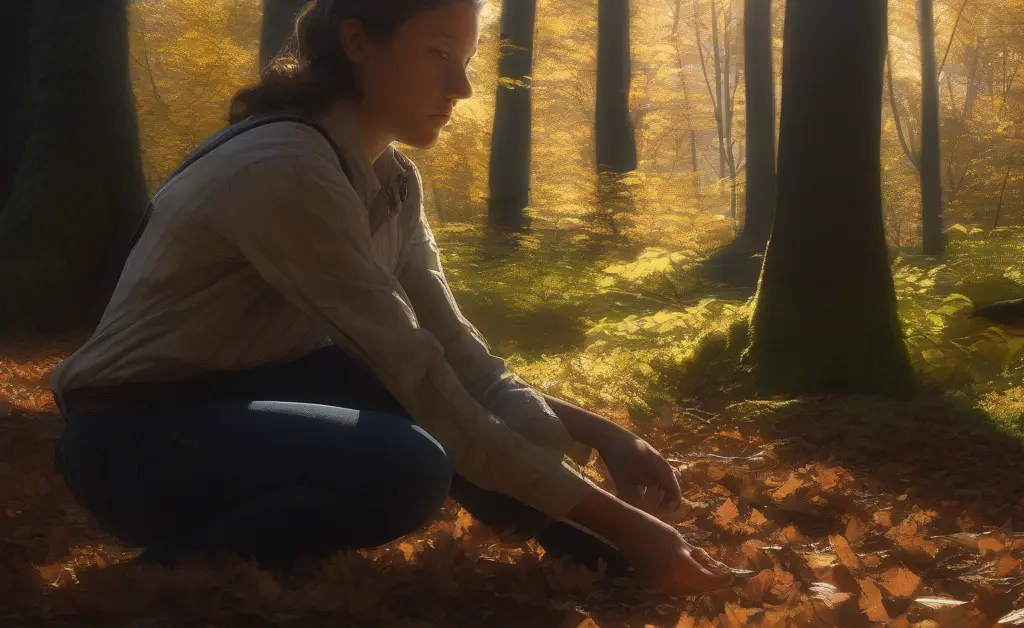
With knowledge of when and where to look, you can refine your technique to improve your efficiency in the woods. Hunting morels is a game of observation and patience, and experienced foragers develop a set of strategies that help them spot these camouflaged treasures. A good `Morel Mushroom Hunting Guide` provides practical advice that turns theory into a successful harvest.
Scouting and Reconnaissance
The hunt begins long before the season starts. Use the off-season to scout potential habitats. Identify stands of associate trees like elm, ash, and old apple orchards. Take note of areas with disturbed ground from logging or past fires. Using satellite imagery and topographic maps can help you locate promising south-facing slopes, river bottoms, and forest tracts you may not have known existed. Having several pre-scouted locations ready will save you valuable time once the conditions are right.
Step-by-Step Hunting Strategy
When you arrive at your spot, move slowly and deliberately. Morels are masters of camouflage and can be incredibly difficult to see against the forest floor. Scan the ground methodically, looking for their distinct pattern rather than a specific color. A common mistake for beginners is to look straight down; instead, scan the area ahead of you from a low angle. When you find your first morel, stop immediately. Morels often grow in groups, so where there is one, there are likely others nearby. Search the immediate vicinity in a circular pattern before moving on.
Using Tools and Gear
You don’t need much gear for morel hunting, but a few key items are essential. The most important is a mesh bag for carrying your harvest. A mesh bag allows spores from the morels to disperse as you walk, helping to seed future generations of mushrooms. A small knife is useful for cleanly slicing the morel at the base of its stem. A walking stick can be helpful for stability on uneven terrain and for gently moving aside leaf litter or spring vegetation to get a better view of the forest floor. Consider carrying a dedicated morel mushroom knife for this purpose.
Dealing with Difficult Terrain
Prime morel habitats are not always easy to access. You may need to navigate steep hillsides, cross small creeks, or push through dense underbrush. Wear sturdy, waterproof boots with good ankle support. Dress in layers, as temperatures can change quickly in the spring woods. Be aware of potential hazards like ticks and thorny plants. Always let someone know where you are going and when you expect to return, especially if you are venturing into a remote or unfamiliar area.
Proper Harvesting Methods
Ethical harvesting ensures the long-term health of the morel patch. When you find a morel, do not pull it out of the ground. Doing so can damage the delicate underground mycelium from which it grew. Instead, use a knife to slice the stem just above the ground. This leaves the “roots” of the fungus intact and able to produce more mushrooms in the future. Gently brush off any loose dirt before placing the mushroom in your mesh bag.
Avoiding Over-Harvesting
Part of ethical foraging is sustainability. If you come across a dense patch of morels, it can be tempting to take them all. However, a good practice is to leave some behind, especially the very small, immature “button” morels and a few mature ones. This allows them to continue growing and release their spores, ensuring the patch will continue to thrive for years to come. The goal is to be a steward of the forest, not just a consumer. A sustainable mindset guarantees that the thrill of the hunt can be enjoyed by you and others in the future.
The journey of learning to hunt morels is as rewarding as the harvest itself. It deepens your connection to the forest and sharpens your observational skills. By understanding the seasonal timing, recognizing the ideal habitats, and mastering positive identification, you transform from a hopeful wanderer into a knowledgeable forager. Each successful trip builds confidence, and with patience and persistence, you’ll be able to enjoy the unparalleled culinary experience that these springtime treasures provide.
This article aims to inform, not to replace professional healthcare advice. The information provided here about identifying wild mushrooms is not a substitute for expert, in-person verification from a mycologist or seasoned forager. Consuming a misidentified fungus can lead to severe illness, organ damage, or death. You are solely responsible for your own safety and decisions; always be 100% certain of a mushroom’s identity before harvesting or consuming it. For general health information, you can consult the WHO.
FAQ
When is the best time to hunt for morel mushrooms?
Morel mushroom hunting is best during springtime when the soil begins to warm up. This typically occurs after the last frost, with optimal conditions usually found when daytime temperatures are consistently in the 60s Fahrenheit and nighttime temperatures remain above 40-50 degrees Fahrenheit. The emergence of morels is closely tied to these temperature cues and soil moisture levels.
Where are morel mushrooms typically found?
Morel mushrooms are often discovered in wooded areas, particularly in forests with a mix of deciduous and coniferous trees. They favor damp, rich soil and can be found near decaying wood, along stream banks, or in areas that have experienced recent disturbances like fires or logging. Their camouflage makes them blend seamlessly with forest floor debris.
How can you identify a true morel mushroom?
True morel mushrooms are characterized by their unique honeycomb-like cap, which is deeply pitted and ridged, and is attached directly to the stem. Unlike their poisonous look-alikes, morels are hollow from the tip of the cap all the way down to the base of the stem. Careful examination of these features is crucial for proper identification.
What are the best tips for successful morel hunting?
Successful morel hunting involves patience, keen observation, and understanding their preferred habitats. Focus your search on areas known to attract morels, such as those with specific tree associations and soil conditions. Looking for them in the early morning or late afternoon, when dew may have settled, can also be beneficial.
What kind of trees do morel mushrooms grow near?
Morel mushrooms have a notable association with certain tree species, often thriving near dying or dead elm, ash, and aspen trees. They can also be found in proximity to oak and maple trees, especially in mixed woodlands. The presence of these specific trees often indicates a suitable environment for morel growth.