
As culinary interest continues to expand beyond conventional ingredients, the maitake mushroom, often revered for its distinctive flavor and robust texture, has emerged as a sought-after staple among chefs and home cooks alike. This remarkable fungi, recognized by its delicate, frilly clusters, is increasingly featured in diverse recipes, reflecting a broader trend towards incorporating wholesome, gourmet components into everyday meals. For those looking to fully unlock its potential, mastering maitake mushroom preparation is key to enhancing its unique earthy and umami notes. This guide provides comprehensive insights, from selection and cleaning to various cooking methods, ensuring that every dish highlights the best qualities of this fascinating mushroom.
Selecting and Preserving Maitake Mushrooms
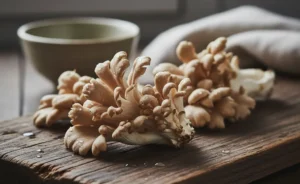
When selecting maitake mushrooms, also known as hen of the woods, look for firm, dry clusters with a fresh appearance. Avoid any mushrooms that show signs of sliminess, mold, or an overly strong, unpleasant odor. The fronds should be intact and not overly bruised or broken. Fresh maitake can typically be stored in a paper bag in the refrigerator for up to a week. Proper maitake mushroom preparation begins even before cooking, ensuring you have the best quality ingredient. Health authorities like the NHS often recommend including a variety of fungi and vegetables as part of a balanced diet.
Dehydrating Maitake for Long-Term Storage
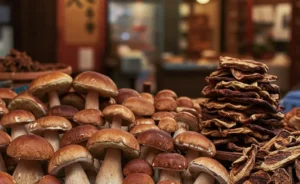
Dehydrating maitake mushrooms is an excellent method for long-term storage, allowing you to enjoy their distinct flavor year-round. To dehydrate, carefully separate the individual fronds and arrange them in a single layer on dehydrator trays. Set the dehydrator to a low temperature and dry until the mushrooms are brittle and completely dry. Once cooled, store the dehydrated maitake in airtight containers in a cool, dark place. Reconstitute them by soaking in warm water or broth before use, which also yields a flavorful liquid that can be incorporated into dishes.
Maitake Mushroom Preparation: Cleaning and Initial Handling
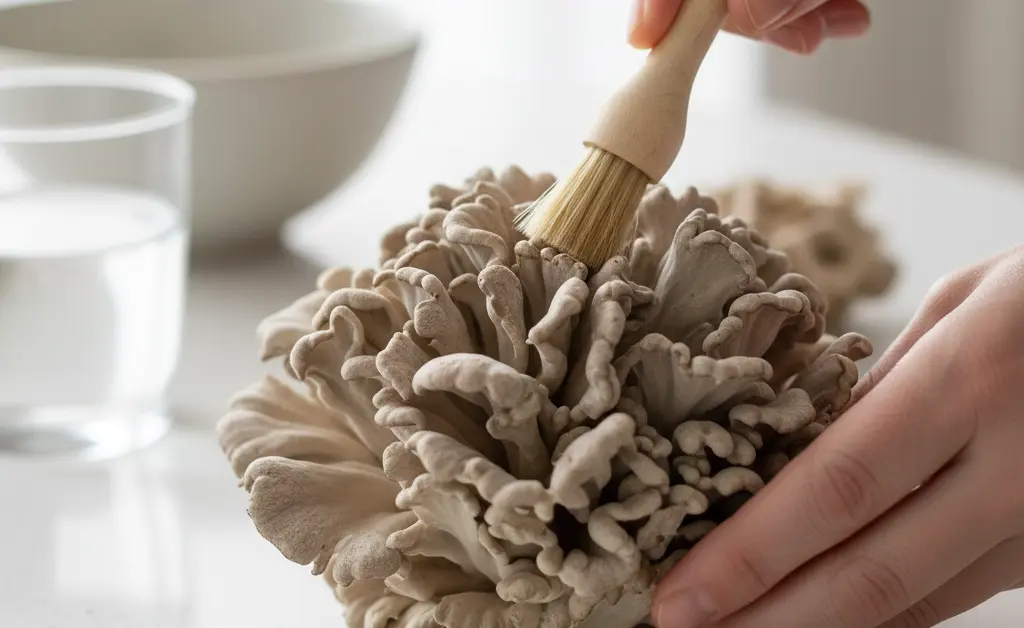
Effective maitake mushroom preparation starts with proper cleaning and handling to ensure the best culinary experience. Unlike some other mushrooms, maitake often grows in a way that minimizes the amount of grit and dirt, but a careful approach is still necessary.
How to Clean Maitake Mushrooms
Maitake mushrooms are delicate, so avoid submerging them in water, which can make them soggy and dilute their flavor. Instead, use a soft brush or a damp cloth to gently wipe away any visible dirt or debris from the fronds. If necessary, you can lightly rinse a specific area under cool, running water, but pat it dry immediately with a paper towel. Pay attention to the crevices within the cluster where dirt might accumulate. The edible parts of maitake include most of the cluster, but the very bottom woody base should be trimmed.
How to Cut or Tear Maitake for Cooking
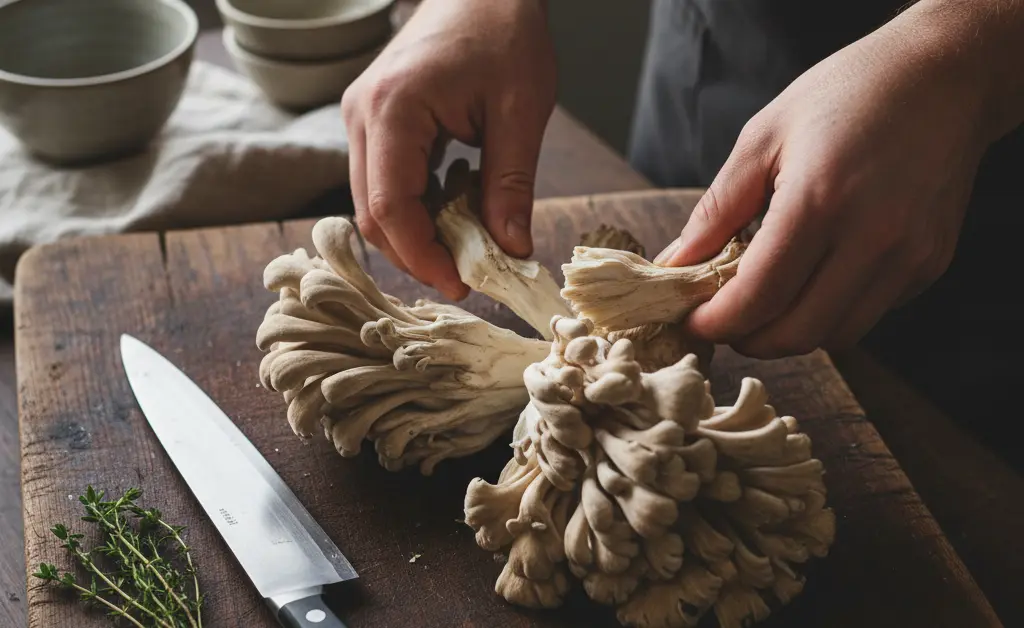
Once cleaned, maitake mushrooms can be prepared by either cutting or tearing. For a rustic look and to preserve their natural texture, gently pull apart the frilly clusters into smaller, bite-sized pieces or individual fronds. This method often allows for more crispy edges when cooked. Alternatively, you can use a knife to slice thicker pieces or dice them, depending on your recipe. Trim off any tough, woody base that may be present at the bottom of the cluster, as this part is less palatable. The versatility in how you tear or cut is a key aspect of maitake mushroom preparation, influencing both texture and presentation.
Popular Cooking Methods for Maitake (Hen of the Woods)
Maitake, also known as hen of the woods, lends itself beautifully to various cooking methods, each bringing out different facets of its earthy flavor and unique texture. Mastering these techniques is essential for delicious maitake mushroom preparation.
Sautéing Maitake Mushrooms
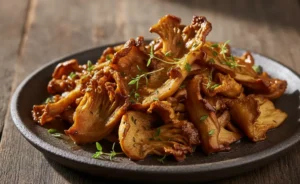
Sautéing is one of the quickest and most flavorful ways to cook maitake mushrooms. Heat a sauté pan over medium-high heat with a neutral oil or butter. Once hot, add the torn or sliced maitake in a single layer, ensuring not to overcrowd the pan. Cook without stirring for a few minutes to allow the mushrooms to brown and develop crispy edges. Then, stir and continue cooking until tender and golden brown. Season with salt, pepper, garlic, and fresh herbs like thyme for an enhanced savory profile. This method highlights the mushroom’s umami richness.
Roasting Maitake Mushrooms
Roasting maitake mushrooms brings out a deep, concentrated flavor and a delightful texture. Toss the cleaned and torn maitake fronds with olive oil, salt, and pepper on a baking sheet. You can also add aromatics like minced garlic or sprigs of rosemary. Roast in a preheated oven until the mushrooms are tender on the inside and have a pleasingly browned, slightly crispy exterior. This method is excellent for a simple side dish or as a component in larger meals. Roasted fronds also make a fantastic topping for a homemade maitake mushroom pizza.
Grilling Maitake
Grilling maitake mushrooms imparts a smoky flavor that complements their earthy notes. For best results, use larger clusters or thicker pieces. Toss them with olive oil, salt, and pepper. Grill over medium heat, turning occasionally, until tender and marked with char. Be mindful not to overcook, as they can become dry. Grilled maitake makes a fantastic addition to salads or as a meat alternative.
Frying Maitake Mushrooms
Deep-frying or pan-frying maitake mushrooms can create an incredibly crispy texture. For pan-frying, dredge maitake fronds in a light batter or seasoned flour mixture. Heat a generous amount of oil in a pan and fry until golden brown and crispy. This method creates a delightful contrast between the crunchy exterior and the tender interior, often enjoyed as a crispy maitake mushroom recipe or a standalone snack.
Best Practices for Cooking Maitake Mushrooms
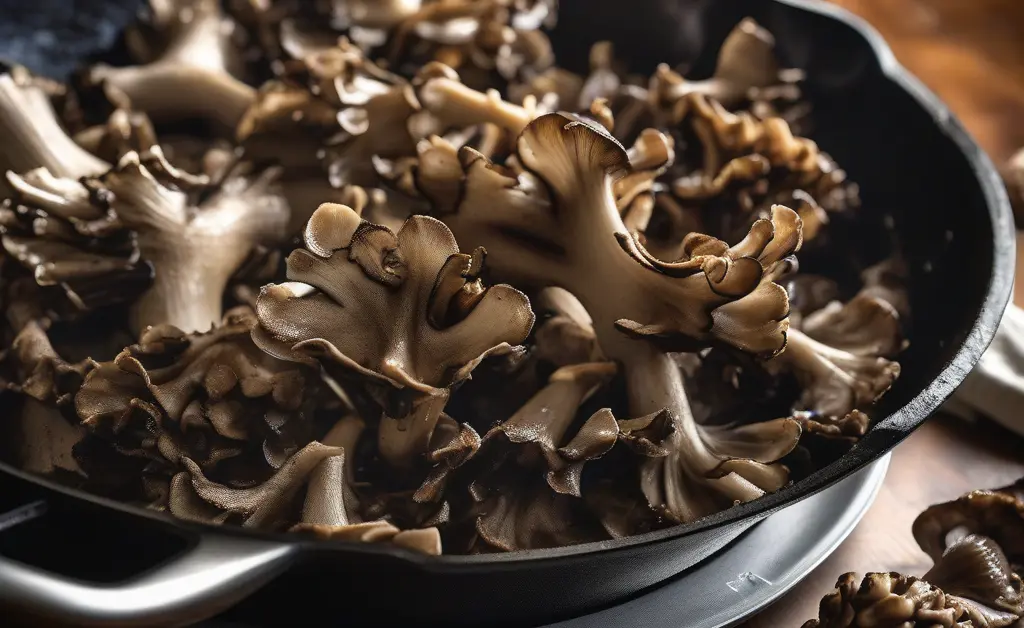
To truly elevate your maitake mushroom dishes, consider a few best practices. Always ensure your pan is hot enough when sautéing or frying to achieve good browning and prevent the mushrooms from steaming. Avoid overcrowding the pan, as this lowers the temperature and can lead to a less desirable texture. Season at the right time: salt can draw out moisture, so adding it towards the end of cooking can help maintain a crispier texture, especially for sautéed or fried preparations. Knowing how long to cook maitake mushroom also plays a crucial role in the final texture. Remember that the goal of maitake mushroom preparation and cooking is to enhance its natural qualities, not mask them.
Simple Maitake Mushroom Recipe Ideas
Maitake mushrooms are incredibly versatile, offering a unique earthy and umami profile that enhances a variety of dishes. From simple sautés to complex main courses, there are many maitake mushroom recipes to explore. Here are some simple recipe ideas to inspire your culinary creations.
Crispy Maitake Mushroom Recipe
For a deliciously crispy maitake mushroom recipe, separate the fronds and toss them lightly with cornstarch or rice flour, salt, and pepper. You can also add a pinch of paprika for color and subtle spice. Shallow-fry in a pan with a neutral oil over medium-high heat until golden brown and irresistibly crunchy. Serve immediately as a snack or a topping for salads and grain bowls.
Classic Garlic and Herb Sauté
A classic garlic and herb sauté perfectly showcases the maitake’s natural flavor. Heat olive oil and a knob of butter in a sauté pan. Add the torn maitake fronds and cook until they begin to brown. Introduce minced garlic and fresh herbs like thyme or rosemary, cooking until fragrant. Finish with a squeeze of lemon juice and a sprinkle of fresh parsley for brightness. This makes an excellent side dish for almost any meal.
Simple Roasted Maitake with Olive Oil
One of the easiest and most effective ways to enjoy maitake is to simply roast it. Toss the cleaned maitake pieces with a good quality olive oil, a generous pinch of salt, and freshly ground black pepper. Spread them in a single layer on a baking sheet and roast in a hot oven until tender and the edges are beautifully browned and slightly crispy. This minimal approach lets the mushroom’s natural flavor shine.
Maitake Mushroom Japanese-style Recipe
In Japanese cuisine, maitake mushrooms (often called “dancing mushrooms”) are prized. A simple Japanese-style recipe might involve sautéing maitake with a splash of soy sauce, a hint of mirin, and perhaps some grated ginger. This preparation highlights the umami of the mushroom and pairs wonderfully with rice or as a component in stir-fries.
Using Maitake in Soups and Broths
Maitake mushrooms lend a profound depth of flavor to soups and broths. Add fresh or rehydrated maitake during the simmering process to infuse the liquid with its rich, earthy notes. They can be included in clear broths, miso soup, ramen, or hearty stews. Their texture holds up well to longer cooking times, making them a fantastic ingredient for comforting, warming dishes.
Flavor Pairings and Serving Suggestions for Maitake
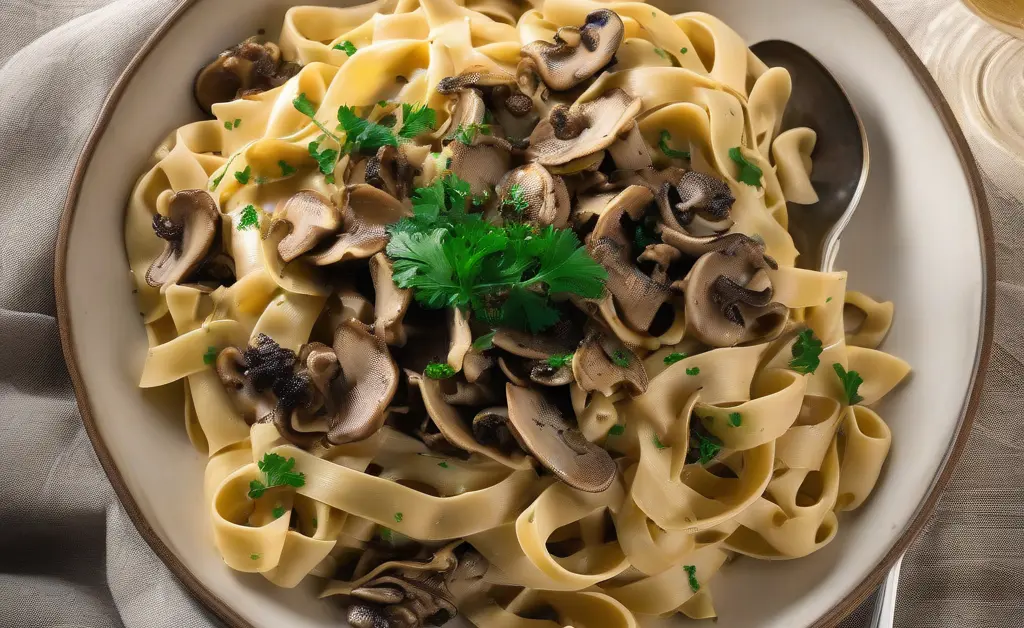
Maitake mushrooms possess a distinctive earthy flavor with a robust umami profile that pairs well with a variety of ingredients. Their unique taste is complemented by garlic, thyme, rosemary, and sage. They also harmonize beautifully with butter, olive oil, and rich cheeses. For serving suggestions, maitake can be a star ingredient in vegetarian dishes, a flavorful side dish to roasted meats or fish, or incorporated into pasta dishes, risottos, and omelets. Its hearty texture makes it an excellent addition to stir-fries or as a topping for pizzas and flatbreads. Its meaty consistency also makes it an excellent choice for a vegetarian maitake mushroom burger. The versatility of maitake mushroom preparation allows it to be featured in everything from elegant gourmet meals to simple, comforting weeknight dinners.
Mastering the selection, cleaning, and various cooking methods for maitake mushrooms truly unlocks their culinary potential. Whether you prefer them sautéed, roasted, or fried, the distinctive earthy flavor and unique texture of maitake make them a versatile and rewarding ingredient for any home cook. With careful attention to maitake mushroom preparation, you can consistently create dishes that highlight this remarkable fungi’s best qualities.
This information should be viewed as educational rather than medical advice. It is not intended to diagnose, treat, cure, or prevent any disease. Always consult with a qualified healthcare professional before making any changes to your diet or health regimen. Individual responses to dietary ingredients can vary.
FAQ
— How do you clean and prepare maitake mushrooms?
Proper maitake mushroom preparation begins by using a soft brush or a dry cloth to gently remove any dirt from the fronds and base. Because they absorb water, soaking is generally avoided, and the clustered structure can be pulled apart by hand into smaller pieces for cooking.
— What is the best way to cook maitake mushrooms?
Cooking methods that apply dry heat, like roasting or sautéing, are excellent for maitake as they help to release moisture. This process concentrates the mushroom’s rich, savory flavor and creates a pleasant, slightly crispy texture on the delicate edges of the fronds.
— Should you wash maitake (hen of the woods) mushrooms before cooking?
Rinsing maitake is generally not recommended because their porous structure readily absorbs moisture, which can lead to a soggy texture when cooked. A gentle wipe with a damp paper towel or a quick brush-off is typically sufficient to clean them without compromising their quality.
— How do you know when maitake mushrooms are fully cooked?
Fully cooked maitake will have a noticeably softened texture and a rich, golden-brown color. As they cook, the mushrooms release their water content, causing them to shrink while their edges often become delightfully crisp.
— What does a cooked maitake mushroom taste like?
Cooked maitake offers a distinctively rich, earthy, and savory flavor profile with deep umami notes. Many people also describe its taste as slightly peppery and woodsy, complemented by a firm, almost chicken-like texture.
— Can maitake mushrooms be eaten raw?
Eating maitake raw is uncommon because their cell walls contain chitin, a fibrous substance that is difficult for humans to digest. Cooking breaks down the chitin, which improves digestibility and helps to release the mushroom’s full flavor and unique compounds.