
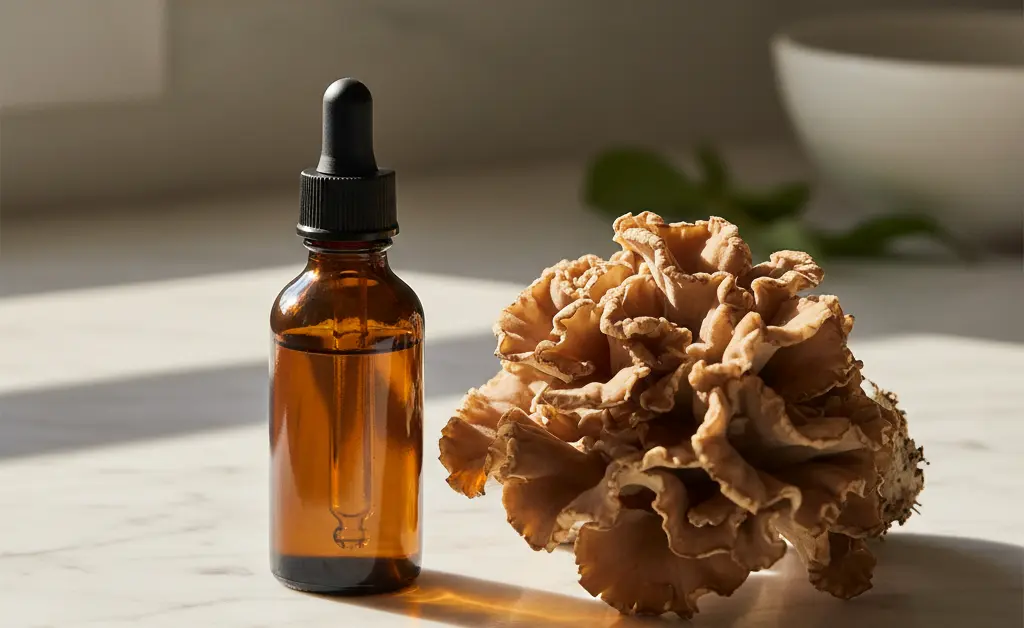
Maitake mushrooms have long been valued for their distinct properties within traditional health practices. As interest in natural wellness solutions grows, the convenience and concentrated nature of liquid extracts have made them increasingly popular. This guide aims to provide a comprehensive, evidence-based understanding of maitake mushroom drops, exploring their composition, potential general wellness applications, and practical considerations for their use. We will delve into what makes these extracts a noteworthy addition to a wellness regimen, from their historical background to the specifics of choosing a high-quality product. This article serves as an informative resource for individuals seeking to understand the benefits and proper integration of this popular fungal supplement.
Maitake Mushroom Drops: Understanding Their Appeal
Maitake mushroom drops represent a modern approach to ancient wellness practices, offering a convenient and concentrated form of this revered fungus. The appeal of liquid mushroom drops, and specifically maitake mushroom drops, stems from their potential for efficient absorption and ease of use. As a liquid extract, they are often considered to offer higher bioavailability compared to other forms, potentially allowing the body to utilize their beneficial compounds more readily. This makes them an attractive option for individuals looking to integrate a maitake mushroom supplement into their daily wellness routine with minimal fuss.
What Is a Maitake Mushroom Tincture?
A maitake mushroom tincture is a concentrated liquid extract derived from the maitake mushroom, scientifically known as Grifola frondosa. This form of herbal supplement is typically created by soaking the mushroom material in a solvent, such as alcohol and/or water, to extract its active compounds. The resulting liquid, often packaged in a dropper bottle, contains a concentrated array of the mushroom’s beneficial constituents, including beta-glucans and polysaccharides, which are believed to contribute to its general wellness properties. The aim of a tincture is to provide a potent and readily accessible form of the mushroom’s essence.
The Extraction Process Explained
The creation of a quality maitake mushroom extract often involves a method known as dual extraction. This process utilizes two primary solvents: alcohol and hot water. Alcohol extraction is typically employed to draw out compounds that are not water-soluble, such as certain triterpenes. Following this, hot water extraction is used to capture water-soluble compounds, most notably the immune-supportive beta-glucans and polysaccharides. By using both methods, a comprehensive spectrum of beneficial compounds from the maitake mushroom’s fruiting body can be fully extracted, ensuring that the final mushroom liquid extract is as potent and complete as possible. This meticulous process helps to maximize the therapeutic potential of the maitake mushroom supplement.
Exploring the General Wellness Properties of Maitake

Maitake mushroom drops are traditionally valued for their contribution to overall general wellness. The mushroom is widely studied for its potential to offer support for a healthy immune system, largely attributed to its rich content of beta-glucans and other polysaccharides. These compounds are believed to interact with the body’s immune cells, potentially promoting balanced immune responses. Beyond immune support, maitake has also been explored for its adaptogenic properties, which may help the body adapt to various stressors and maintain a sense of balance. Additionally, some research suggests a connection to metabolic wellness support and the presence of antioxidants, further enhancing its reputation as a beneficial herbal supplement. When considering how maitake mushroom drops might make one feel, users often report a general sense of improved vitality and balance rather than a dramatic, immediate sensation. Concerns regarding whether maitake mushroom increases estrogen are not widely supported by scientific evidence; its primary wellness associations revolve around immune and metabolic balance. Understanding the full scope of maitake mushroom supplement benefits is key to appreciating its role in traditional wellness.
The Maitake Mushroom: A Profile
The maitake mushroom, known botanically as Grifola frondosa, is a fascinating fungus with a rich history and distinct characteristics. It is a polypore mushroom, meaning it has pores rather than gills on the underside of its cap, and typically grows in large, multi-branched clusters.
Historical and Cultural Significance
Maitake has been celebrated for centuries in East Asian cultures, particularly in Japan and China, where it holds significant historical and cultural importance. Its Japanese name, “maitake,” translates to “dancing mushroom,” a moniker believed to originate from people dancing with joy upon discovering this rare and highly prized edible fungus in the wild. Historically, it was revered not only for its culinary versatility and earthy flavor but also for its profound role in traditional health practices, valued as a tonic for vitality and longevity. This deep cultural reverence underscores its long-standing recognition as a powerful natural resource.
Identifying Maitake in Nature (Hen of the Woods)
In North America and Europe, maitake is commonly known as “Hen of the Woods” due to its distinctive appearance, which resembles a ruffled hen’s feathers. It typically grows in large, layered clusters at the base of oak trees, and occasionally other hardwoods, during the late summer and fall. The caps are usually grayish-brown, wavy, and fan-shaped, with white undersides that mature to a creamy yellow. Identifying maitake in nature requires a keen eye and careful observation of its growth habit and appearance. For consumers, the importance of organic or wild-sourced mushrooms for liquid extract production cannot be overstated, as this ensures purity and potency, free from unwanted contaminants often found in less regulated cultivation environments.
How to Choose a Quality Maitake Liquid Extract
Selecting a high-quality maitake mushroom supplement, especially in liquid form, is crucial for ensuring efficacy and safety. The market offers a range of maitake mushroom drops, and discerning consumers should be aware of key indicators of a reputable product. A quality maitake liquid extract can make a significant difference in the potential wellness support it provides.
Understanding Product Labels and Ingredients
When evaluating maitake mushroom drops, carefully examining the product label is the first step. Look for clear indications of potency, which often refers to the concentration of the mushroom extract. A reputable label will specify that the extract is derived from the fruiting body of the mushroom, rather than mycelium, as the fruiting body is generally considered to contain a higher concentration of beneficial compounds like beta-glucans. This includes specific extracts like the renowned maitake mushroom D-fraction. Furthermore, check for organic maitake certification or information indicating that the mushrooms are wild-harvested, which speaks to the purity and sustainable sourcing. The ingredients list should be straightforward, ideally containing only maitake mushroom extract, water, and a food-grade solvent like alcohol or glycerin. Avoid products with unnecessary fillers or artificial additives.
Checking for Third-Party Testing and Certifications
For any herbal supplement, especially mushroom liquid extracts, third-party testing is a critical assurance of quality and transparency. These tests are performed by independent laboratories to verify the purity, potency, and safety of the product. While these tests focus on product quality, consumers interested in the scientific evidence behind health claims can consult databases like the Cochrane Library for systematic reviews. They can confirm the presence and concentration of active compounds, such as polysaccharides and beta-glucans, and screen for contaminants like heavy metals, pesticides, and microbes. Certifications, such as USDA Organic or non-GMO verification, further attest to the product’s adherence to specific quality standards. Products that voluntarily undergo and display the results of third-party testing demonstrate a commitment to consumer trust and provide confidence in the quality of the maitake mushroom drops.
Incorporating Maitake Drops into a Daily Routine
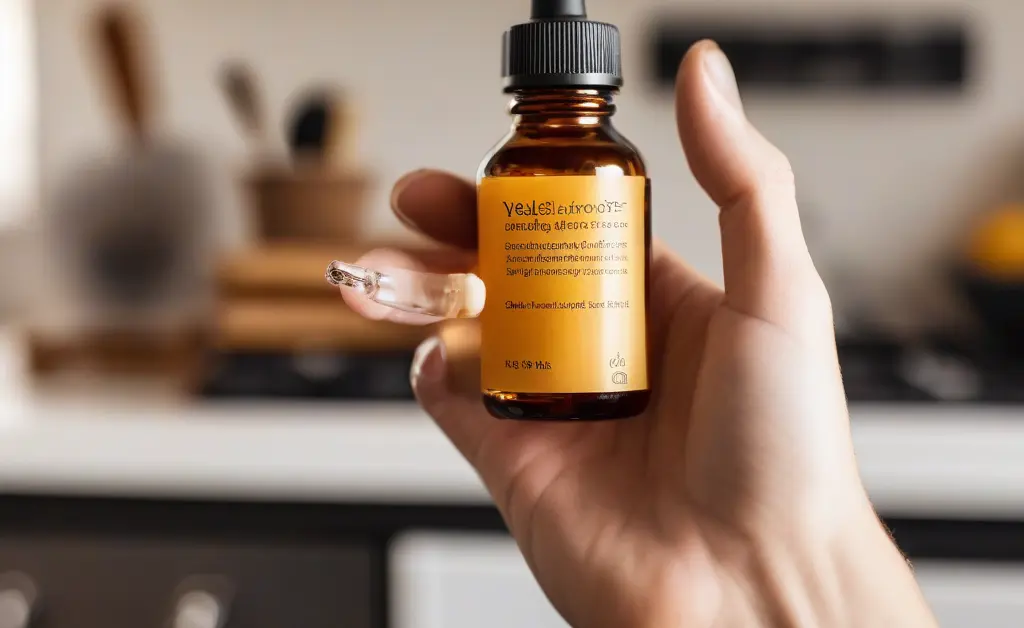
Integrating maitake mushroom drops into one’s daily regimen is a simple and effective way to potentially support overall wellness. Their liquid format offers flexibility and ease, making them a convenient addition to various routines.
General Tips for Consumption
When adding maitake mushroom drops to your daily routine, consistency is often key to experiencing their potential benefits. The liquid extract can typically be consumed directly from the dropper or mixed into a small amount of water, juice, or your favorite beverage. Some individuals prefer to take them in the morning to start their day, while others integrate them into their evening routine. Because they are potent, it is generally recommended to introduce them gradually to allow your body to adjust. Always refer to the product’s specific guidance for general consumption recommendations.
Pairing with Food and Drink
The mild, earthy flavor of maitake mushroom liquid allows for versatile pairing with various foods and drinks without overpowering their taste. You can easily add the drops to smoothies, teas, coffee, or even soups and sauces. For example, a few drops can enhance the nutritional profile of a morning green smoothie or be stirred into a comforting herbal tea. This method allows users to also enjoy the maitake mushroom tea benefits in a warm, soothing beverage. This flexibility makes it easy to integrate the maitake mushroom supplement into meals or beverages you already enjoy, seamlessly blending it into your dietary habits.
Maitake Drops vs. Other Mushroom Formats
The burgeoning market for mushroom supplements offers maitake in various forms, each with unique characteristics and advantages. Understanding these differences can help individuals choose the best format for their needs, whether they opt for maitake mushroom drops or other alternatives.
Drops vs. Capsules and Powders: A Comparison
Maitake mushroom drops, or tinctures, are renowned for their high bioavailability, meaning the body may absorb and utilize their compounds more efficiently due to their liquid form. This format is also convenient for those who have difficulty swallowing pills, and the dropper bottle allows for easy consumption. In contrast, maitake mushroom capsules offer a pre-measured, tasteless option, which is ideal for individuals seeking precise and discreet intake. They are also convenient for travel and have a longer shelf life. Maitake powders provide the greatest versatility; they can be easily mixed into smoothies, coffees, and even used in cooking, allowing for flexible integration into various recipes. While drops may offer quicker absorption, capsules provide convenience, and powders offer culinary flexibility. Each maitake mushroom supplement format caters to different preferences and lifestyles, making the choice dependent on individual priorities regarding absorption speed, taste, and ease of integration.
General Considerations and Precautions
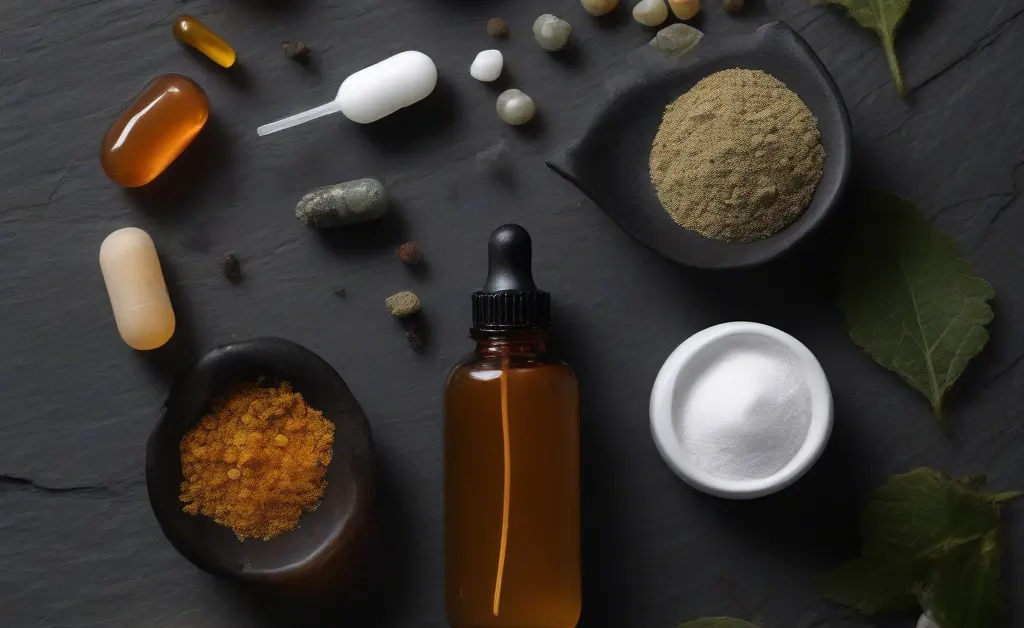
While maitake mushroom drops are generally considered safe for broad use as a general wellness supplement, it is prudent to approach any new herbal supplement with careful consideration. Individual responses can vary, and what works well for one person may not be suitable for another. It is particularly important for individuals with underlying health conditions, those who are pregnant or breastfeeding, or anyone taking prescription medications to consult with a healthcare professional before incorporating maitake mushroom drops or any new supplement into their regimen. This ensures that the supplement is appropriate for their specific health profile and avoids potential interactions or adverse effects.
Maitake mushroom drops offer a convenient and potent way to incorporate the benefits of this esteemed fungus into a daily wellness routine. With careful consideration of quality, sourcing, and personal health circumstances, these liquid extracts can be a valuable addition to a holistic approach to health.
Readers should understand that this article does not offer medical diagnosis or treatment. The information provided is for general knowledge and informational purposes only, and does not constitute medical advice. Always seek the advice of a qualified healthcare professional for any medical concerns or before making any decisions related to your health or starting any new supplement regimen. Individual results may vary, and the efficacy of any supplement is not guaranteed.
FAQ
— What is the general purpose of maitake mushroom drops?
Maitake mushroom drops are a liquid extract created to deliver the mushroom’s bioactive compounds, particularly a complex beta-glucan known as D-Fraction. These compounds have been studied for their role in supporting healthy metabolic function and modulating the immune system. The liquid format allows for easy integration into a daily wellness routine.
— What should I look for when buying maitake drops?
When selecting a maitake extract, it is beneficial to look for products made from the mushroom’s fruiting body, which contains a high concentration of active compounds. A dual-extraction method using both hot water and alcohol is important for capturing the full spectrum of components from the mushroom. Verifying the product’s purity and potency through third-party lab testing also indicates a commitment to quality.
— Are maitake mushroom drops different from maitake powders?
Maitake drops are liquid extracts, meaning the beneficial compounds have been drawn out from the tough cellular walls of the mushroom for better bioavailability. Powders are typically just dried and ground whole mushrooms, which may not have undergone an extraction process. For this reason, extracts are a more concentrated format.
— What does maitake mushroom extract typically taste like?
The flavor profile of maitake mushroom extract is characteristically earthy and savory, often described as having a rich, umami quality. Depending on the extraction method and carrier liquid, there might be a slightly bitter note or the distinct taste of the alcohol base. The overall taste is generally deep and woodsy, reflecting its natural origin.
— Can you add maitake mushroom drops to food or drinks?
The liquid format of maitake extracts makes them very versatile for adding to beverages like coffee, tea, or smoothies. They can also be easily mixed into foods such as soups, broths, or sauces without significantly altering the dish. This allows for simple incorporation into daily meals.
— Where does the maitake mushroom (Grifola frondosa) originate?
The maitake mushroom, also known as Hen of the Woods, is native to the forests of northeastern Japan and parts of North America. It grows in large clusters at the base of hardwood trees, particularly old oak trees. This fungus has a long history of use in traditional Japanese and Chinese wellness practices.







