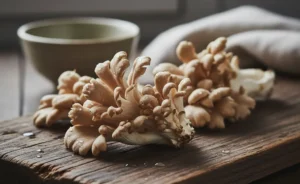

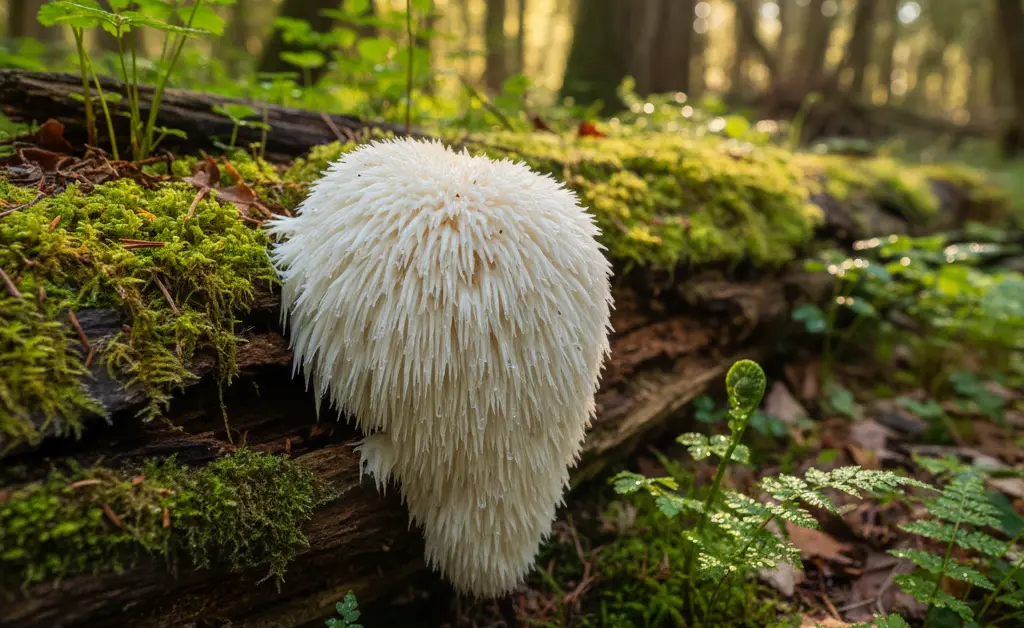
Lion’s Mane mushroom, with its distinctive cascading icicle-like spines, is a fascinating fungus gaining widespread recognition in natural health and culinary circles. While often cultivated, its true essence and optimal growth conditions are rooted in its specific natural environment. This remarkable edible and medicinal mushroom thrives in particular ecological niches, preferring certain types of trees and climatic conditions. Delving into the lion’s mane mushroom habitat reveals not just where to find it in the wild, but also the environmental factors that contribute to its development. Exploring these native settings offers valuable insights into its lifecycle and the broader forest ecosystems it inhabits, providing a deeper connection to this powerful natural resource.
Lion’s Mane Mushroom Habitat: Where to Find This Fungus
Understanding the lion’s mane mushroom habitat is key to appreciating this unique fungus. It is predominantly found in temperate forest environments across various continents, often signaling its presence with its striking white, shaggy appearance on tree trunks or fallen logs. Foraging Lion’s Mane requires knowledge of these specific conditions and the ideal season. This mushroom, also known as Hericium erinaceus, is a saprophytic organism, meaning it obtains its nutrients from dead or decaying wood, which forms a critical part of its natural environment.
Temperate Forest Environments
Temperate forests, characterized by distinct seasons, offer the perfect backdrop for Lion’s Mane to flourish. These woodlands provide the necessary humidity, moisture, and abundance of suitable host trees for the fungus to establish its mycelium. The changing seasons, particularly late summer and autumn (fall), coincide with the mushroom’s peak fruiting season, making these times ideal for wild harvesting or simply observing its growth in its natural setting. The forest floor environment, rich with decaying plant matter, further contributes to the overall health of the ecosystem in which Lion’s Mane thrives.
Geographic Range and Distribution of Lion’s Mane Mushrooms
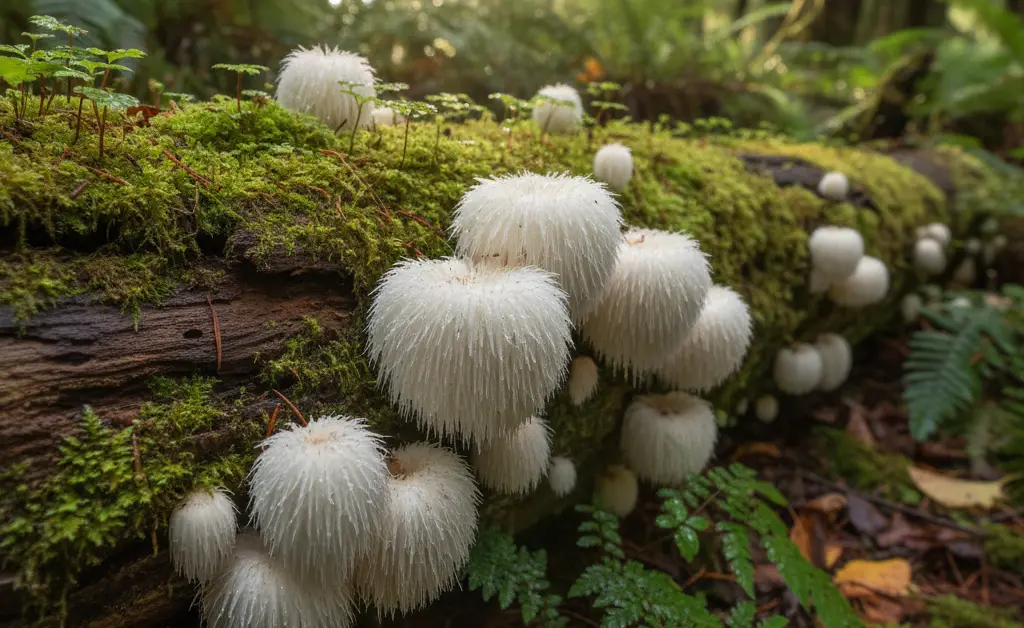
The geographic distribution of Lion’s Mane mushrooms is quite widespread, spanning across several continents, each contributing to the diverse lion’s mane mushroom habitat. This exploration offers insight into the lion’s mane mushroom origin. Its presence is generally limited to regions with temperate climates, where the specific environmental conditions and host tree availability align with its growth requirements. This broad range highlights the mushroom’s adaptability while also underscoring its preference for specific woodland types.
Presence in North America
In North America, Lion’s Mane is found throughout the eastern and central regions, extending from Canada down to the southern United States. It is often discovered in mature hardwood forests, particularly those with a prevalence of oak, maple, and beech trees. Foragers frequently report finding this fungus during the cooler, moister months of late summer and autumn, often after periods of significant rainfall, which helps stimulate its development on dead logs and tree trunks.
European Habitats
European habitats for Lion’s Mane mirror those in North America, with the mushroom thriving in broadleaf deciduous woodlands. It can be found in countries across the continent, from the United Kingdom and France to parts of Central and Eastern Europe. Here too, it favors decaying hardwood, playing a vital role in the decomposition of forest material and the recycling of nutrients within the ecosystem. The identification of this mushroom in European forests is similar to its North American counterparts, requiring a keen eye for its distinctive appearance.
Asian Regions Where It Flourishes
Asia is another significant region for the Lion’s Mane mushroom habitat, especially in countries like China, Japan, and Korea. In these areas, it has a long history of traditional use, both culinary and medicinal. Many people also seek to buy Lion’s Mane mushroom for various uses. The temperate forests of these regions, rich with diverse hardwood species, provide an ideal environment for its growth. Its prevalence in Asian woodlands has led to extensive research into its properties and cultivation techniques, making it a well-recognized entity in local flora.
Impact of Climate and Elevation
Climate and elevation play crucial roles in determining the distribution and viability of Lion’s Mane. It generally prefers elevations that support temperate deciduous forests, avoiding extreme cold or excessive heat. Adequate rainfall and humidity are critical, especially during its fruiting season. The impact of climate change on these delicate ecosystems may influence future distributions, making the study of the lion’s mane mushroom habitat increasingly important for understanding its ecological needs, as supported by research from NCBI.
Ideal Host Trees and Substrate for Lion’s Mane
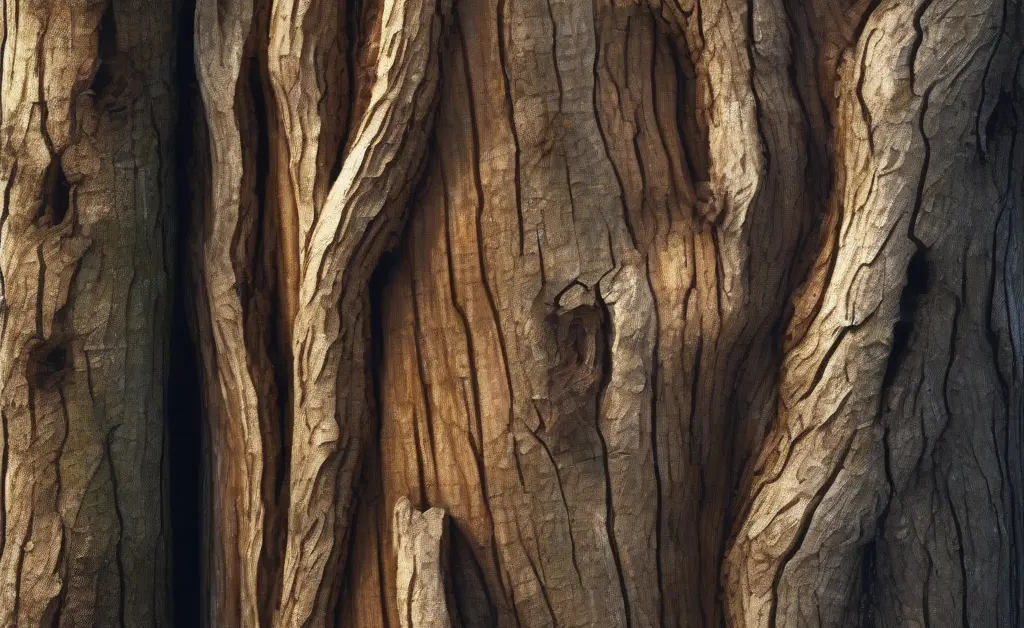
A fundamental aspect of the lion’s mane mushroom habitat is its reliance on specific host trees and substrate. As a saprophytic fungus, it derives its sustenance by breaking down cellulose and lignin in wood. This symbiotic relationship with dead or weakened trees is essential for its life cycle and contributes to the overall health of the forest by facilitating decomposition.
Preference for Dead and Decaying Hardwood
Lion’s Mane exhibits a strong preference for dead and decaying hardwood trees. While it may occasionally be found on living, but weakened trees, its primary role is as a decomposer of dead wood. This preference ensures a steady supply of nutrients, allowing the mycelium to establish itself deeply within the wood and produce fruiting bodies. The process of decay provides the perfect substrate for its growth, demonstrating its vital ecological function.
Commonly Found on Fallen Logs and Trunks
One of the most common places to find Lion’s Mane in the wild is on fallen logs and standing dead tree trunks. These provide an accessible and nutrient-rich substrate for the fungus. The outer bark often protects the interior wood, maintaining suitable moisture levels for the mycelial network to thrive. When foraging, inspecting the sides and undersides of large, decaying hardwood logs is a good strategy for discovering this fungus.
Specific Host Trees: Oak, Maple, Beech, Walnut, Sycamore
Certain tree species are particularly favored hosts within the lion’s mane mushroom habitat. Oak trees are a prominent choice, alongside maple trees, beech trees, walnut, and sycamore. These deciduous trees offer the dense, nutrient-rich wood that Lion’s Mane needs for optimal development. The presence of these specific trees often indicates a promising area for finding wild Lion’s Mane during its season.
Other Deciduous Hardwoods
Beyond the primary host species, Lion’s Mane can also be found on other types of deciduous hardwoods, such as elm trees. The key characteristic is the hardwood nature of the tree, as conifers typically do not provide the necessary substrate for its growth. Any dead or dying deciduous tree in a suitable temperate forest environment could potentially host this fascinating fungus, showcasing the broad array of its natural environment.
Environmental Conditions for Optimal Lion’s Mane Growth
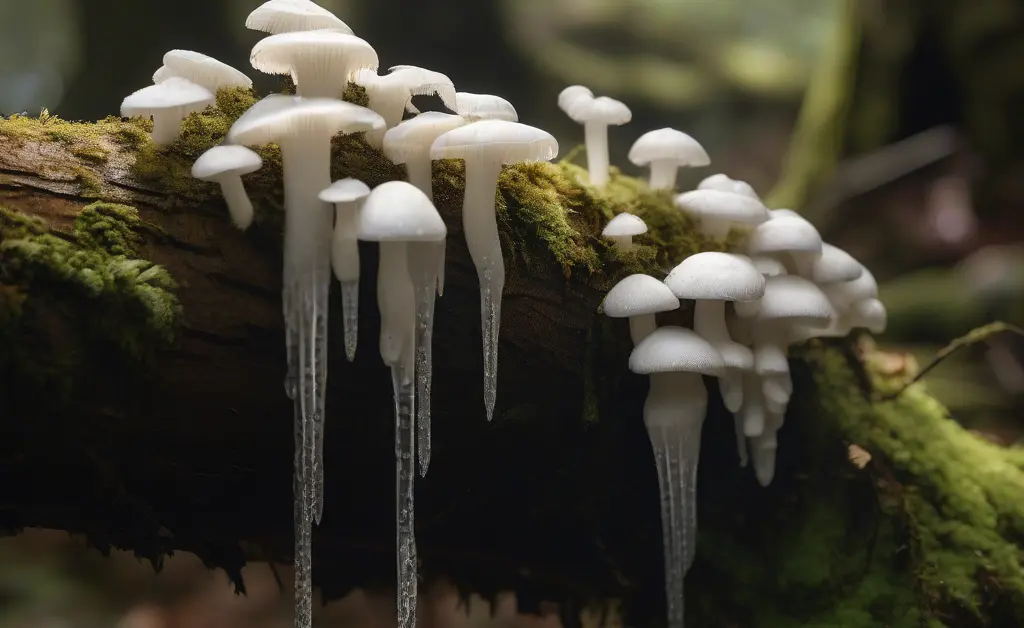
The optimal growth of Lion’s Mane is highly dependent on a specific set of environmental conditions that define its lion’s mane mushroom habitat. These factors collectively create the perfect microclimate for the fungus to develop from its mycelial stage to a mature fruiting body, ready for foraging. Understanding these conditions can also inform successful cultivation practices for those interested in How to Grow Lion’s Mane at Home.
Optimal Humidity and Moisture Levels
Humidity and moisture levels are perhaps the most critical environmental factors for Lion’s Mane. The fungus thrives in consistently moist, humid conditions, which are typical of temperate forest environments, especially during late summer and autumn. Persistent dampness, but not waterlogging, is ideal for the mycelium to spread and for the fruiting bodies to emerge. Heavy rainfall followed by humid days often triggers the peak fruiting season, making these periods prime for observation and wild harvesting. Without adequate moisture, the mushroom may struggle to form or grow to its full potential.
The intricate details of the lion’s mane mushroom habitat paint a vivid picture of its ecological requirements and why it thrives in specific forest settings. From its preference for decaying hardwood trees like oak and maple to its reliance on temperate climates with ample humidity, every aspect of its natural environment contributes to its distinctive growth. This understanding not only aids in locating wild specimens but also deepens our appreciation for this remarkable fungus and its role within forest ecosystems.
The content presented here is not a substitute for professional medical guidance. It is intended for informational purposes only and should not be used for self-diagnosis or self-treatment. Always consult with a qualified healthcare professional before making any decisions about your health or treatment.
FAQ
— Where do lion’s mane mushrooms grow in the wild?
The lion’s mane mushroom habitat spans across various temperate forests in North America, Europe, and Asia. These unique fungi are typically found growing on hardwood trees, often appearing as a single, large, shaggy white mass. They prefer a cool, moist environment, thriving particularly in the late summer and fall seasons.
— What kind of wood does lion’s mane mushroom grow on?
Lion’s mane mushroom exclusively grows on hardwood species. It acts as a saprophytic fungus, meaning it derives nutrients from decaying wood. This preference ensures it has access to the specific compounds necessary for its development.
— Which specific trees are best for finding lion’s mane?
When foraging for lion’s mane, focus on deciduous hardwood trees such as oak, maple, beech, and birch. These specific species provide the ideal substrate and nutritional environment for the mushroom’s growth. Observing these trees, especially after rainfall, can increase your chances of a successful find.
— Does lion’s mane mushroom grow on living trees or dead wood?
Lion’s mane primarily thrives on dead or dying hardwood trees and fallen logs, acting as a decomposer in forest ecosystems. However, it can also occasionally be found growing on live but stressed or injured trees. In either case, it prefers to colonize wood that is already compromised.
— What climate does lion’s mane mushroom prefer for growth?
This mushroom is well-suited to temperate climates, which feature distinct seasons. It flourishes in conditions that offer a good balance of moisture and moderate temperatures, typically during late summer and autumn. Such environments provide the humidity and substrate conditions necessary for its development.