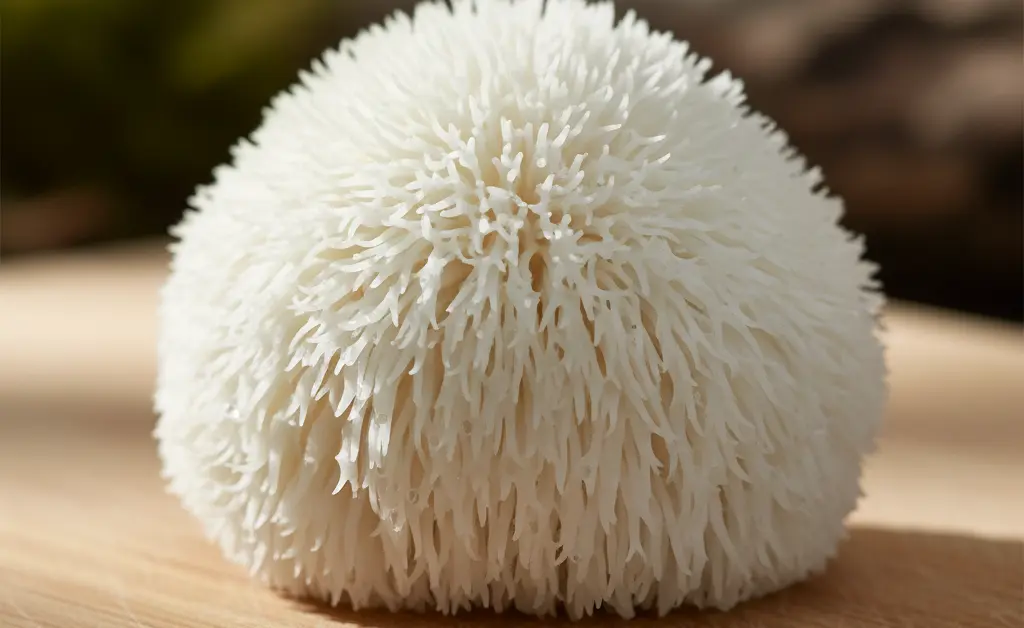
Could a natural fungus offer a promising pathway to repairing damaged nerves? For centuries, traditional medicine systems have utilized various natural compounds for their purported health benefits, and modern science is increasingly exploring these ancient remedies through a contemporary lens. Among them, the lion’s mane mushroom (Hericium erinaceus) has garnered significant attention for its intriguing potential in neurological health. This unique fungus, recognizable by its cascading, shaggy appearance, contains bioactive compounds believed to influence the growth and repair of nerve cells. The burgeoning interest in lion’s mane mushroom for nerve regeneration stems from preclinical research suggesting its capacity to stimulate Nerve Growth Factor (NGF) synthesis and support myelin formation, both crucial processes in maintaining and restoring the nervous system. This article delves into the scientific evidence supporting these claims, exploring the mechanisms by which lion’s mane may contribute to nerve repair and its implications for various neurological conditions.
Lion’s Mane Mushroom for Nerve Regeneration: An Overview
The intricate network of nerves throughout the body is vital for transmitting signals between the brain and every other part, enabling movement, sensation, and thought. When these nerves are damaged, whether due to injury, disease, or aging, the consequences can be debilitating. Traditional approaches to nerve damage often have limitations, prompting a search for alternative or complementary therapies. The lion’s mane mushroom, or Hericium erinaceus, has emerged as a subject of considerable interest in this field. Its unique composition of bioactive compounds suggests a potential to support the body’s natural processes for nerve repair and maintenance. The exploration of lion’s mane mushroom for nerve regeneration offers a glimpse into how natural compounds might contribute to addressing complex neurological challenges. Beyond neurological applications, ongoing research also explores the potential of lion’s mane mushroom for kidney support.
The Role of Lion’s Mane in Nerve Damage
Nerve damage can manifest in various forms, from the severance of peripheral nerves to the gradual degeneration seen in neurodegenerative diseases. This damage disrupts the delicate balance of the nervous system, impairing communication and function. The body possesses inherent repair mechanisms, but these are often insufficient for extensive or chronic damage. Lion’s mane mushroom is believed to play a role by potentially stimulating critical factors involved in nerve repair. Its adaptogenic qualities are also studied for their capacity to help the body adapt to various stressors, which might indirectly support overall nerve health during recovery. Emerging studies also highlight the potential of lion’s mane mushroom for gut health, further expanding its perceived benefits.
How Lion’s Mane Supports Nerve Regeneration
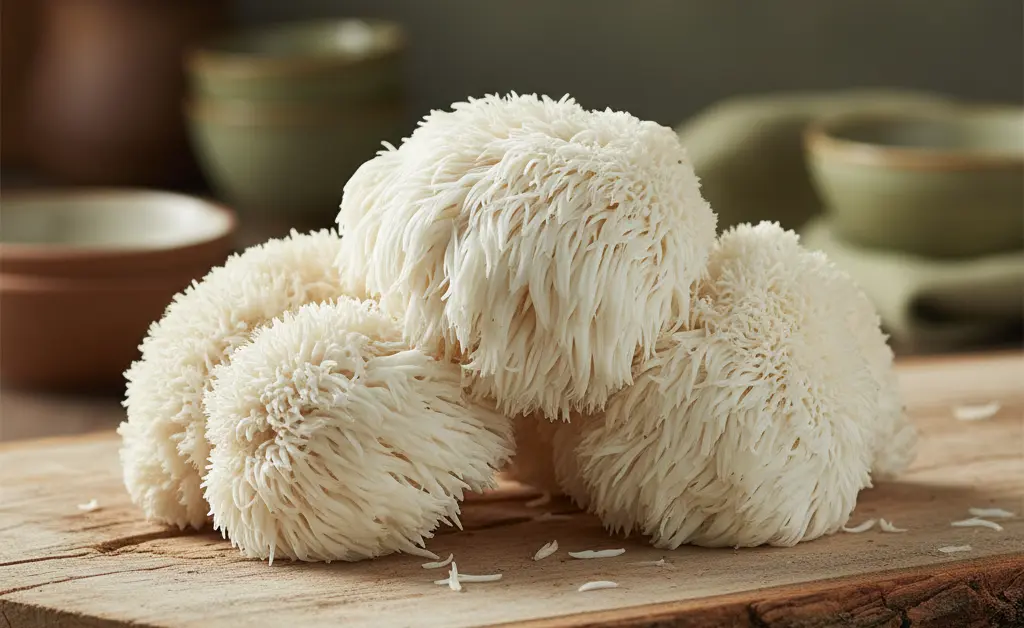
The potential of the lion’s mane mushroom for nerve regeneration is attributed to several proposed mechanisms that interact with the nervous system. These mechanisms primarily involve promoting the health and growth of neurons, which are the fundamental building blocks of nerves. By influencing key biological pathways, lion’s mane may help to create a more favorable environment for nerve cells to repair and reconnect, fostering improved neurological function.
Promoting Nerve Growth Factor (NGF) Production
Nerve Growth Factor (NGF) is a critical protein that plays a pivotal role in the survival, development, and function of neurons. It is essential for the maintenance of both the peripheral and central nervous systems. Studies suggest that certain compounds found in lion’s mane mushroom may help stimulate the brain’s own production of NGF. This increase in NGF could be crucial for encouraging the growth of new neurons and repairing existing ones, thereby potentially enhancing the nervous system’s capacity for self-repair.
Myelination Support
Myelin is a fatty substance that forms an insulating sheath around nerve fibers, known as axons. This myelin sheath is crucial for the efficient transmission of electrical signals along the nerves. Damage to myelin, as seen in conditions like multiple sclerosis, can severely impair neurological function. Research indicates that lion’s mane mushroom may have a role in supporting myelination, the process of forming this protective sheath. By potentially aiding in the maintenance or repair of myelin, lion’s mane could contribute to improved nerve conduction and overall nerve health.
The Science Behind Nerve Regeneration
The intricate processes of nerve regeneration involve a complex interplay of cellular and molecular events. Scientific investigations into the lion’s mane mushroom for nerve regeneration aim to unravel how its bioactive components influence these pathways, offering insights into its potential therapeutic applications. Understanding these mechanisms is key to validating its traditional uses and exploring new possibilities for neurological support.
Impact on Nerve Growth Factor (NGF)
Scientific studies have explored the impact of lion’s mane mushroom extracts on NGF levels and activity. These investigations often focus on how specific compounds within the mushroom can cross the blood-brain barrier and exert their effects on neuronal cells. The enhancement of NGF signaling is believed to facilitate neurite outgrowth, which is the extension of axons and dendrites from a neuron, crucial steps in nerve repair and the formation of new neural connections. This biological action underscores the potential of lion’s mane in supporting neurological health and recovery following damage.
Active Compounds and their Mechanism
Lion’s mane mushroom contains a rich array of bioactive compounds, including polysaccharides, beta-glucans, and unique triterpenes known as hericenones and erinacines. These compounds are thought to be largely responsible for the mushroom’s neurotrophic properties. Their mechanisms of action are diverse, potentially involving antioxidant protection against cellular damage, anti-inflammatory effects that can reduce neural tissue inflammation, and direct stimulation of neurotrophic factors. The diverse actions of these compounds also extend to other areas of interest, including potential lion’s mane mushroom benefits for skin health. Together, these actions create a multifaceted approach to supporting nerve cells and their regenerative capabilities.
Key Compounds in Lion’s Mane for Nerve Health
The therapeutic potential of lion’s mane mushroom for nerve regeneration is largely attributed to its unique composition of bioactive compounds. These specialized molecules interact with various biological pathways involved in neurological function and repair. Isolating and studying these compounds provides a clearer understanding of how the mushroom might exert its beneficial effects on the nervous system.
Hericenones and Erinacines
Among the most researched compounds in lion’s mane are hericenones, found in the fruiting body, and erinacines, primarily found in the mycelium. Both groups of compounds are considered pivotal to the mushroom’s neurotrophic properties. Erinacines, in particular, have been extensively studied for their ability to induce Nerve Growth Factor (NGF) synthesis in brain cells. This ability makes them subjects of significant interest for their potential in promoting neuronal growth and repair. Hericenones also contribute to cognitive and nerve health through mechanisms that may involve antioxidant and anti-inflammatory pathways, further solidifying the mushroom’s reputation as a neuro-supportive agent.
Research and Clinical Studies on Lion’s Mane for Nerve Repair

The scientific community has shown increasing interest in the potential of lion’s mane mushroom for nerve repair, leading to a growing body of research. While promising, it’s important to understand the different stages of this research and their implications.
Preclinical Studies (in vitro, animal models)
Much of the foundational evidence for lion’s mane’s neuroregenerative potential comes from preclinical studies. In vitro (test tube) experiments have shown that extracts of Hericium erinaceus can stimulate neurite outgrowth and protect neurons from damage. Animal models, particularly those involving rodents, have demonstrated similar positive effects. Studies on rats and mice with nerve injuries have indicated that supplementation with lion’s mane mushroom may accelerate the recovery process, improve nerve function, and promote axonal regeneration and remyelination. These findings provide strong mechanistic support but are not directly transferable to human outcomes.
Human Studies and Clinical Trials
While preclinical data is robust, human studies specifically investigating lion’s mane for nerve regeneration are less extensive. Some clinical trials have explored its impact on cognitive function and mild cognitive impairment, with certain studies suggesting modest improvements. However, direct human trials focusing on the repair of significant nerve damage or specific neurodegenerative conditions related to nerve regeneration are still emerging. The existing human research often points to general neurological support rather than specific nerve repair. More large-scale, placebo-controlled human trials are needed to conclusively establish its efficacy and safety for nerve repair in people. Regulatory bodies like EFSA play a crucial role in evaluating the safety of food supplements and their health claims.
Limitations and Future Research Directions
Current research faces several limitations, including the varying quality and standardization of lion’s mane extracts used in studies, the relatively small sample sizes in human trials, and the complexity of nerve regeneration itself. Future research needs to focus on elucidating optimal dosages, identifying the most potent active compounds for specific neurological conditions, and conducting rigorous long-term human clinical trials. Further investigation into its synergistic effects with conventional therapies could also open new avenues for integrated treatment approaches.
Potential Neurological Conditions Benefiting from Lion’s Mane
Given the promising preclinical research, the lion’s mane mushroom is being explored for its potential role in supporting individuals with various neurological conditions where nerve repair and regeneration are critical factors. Its capacity to influence NGF and myelination suggests a broad spectrum of potential applications.
Peripheral Nerve Injuries
Peripheral nerves are the nerves outside of the brain and spinal cord. They are vulnerable to injury from trauma, compression, or disease. Damage to these nerves can lead to pain, numbness, weakness, and loss of function. Preclinical studies suggest that lion’s mane mushroom may support the recovery of peripheral nerve injuries by promoting the growth of new nerve fibers (axonal regeneration) and enhancing the repair of the myelin sheath. This could potentially lead to faster functional recovery and reduced long-term deficits for those experiencing such injuries.
Neurodegenerative Diseases (focusing on nerve repair)
Neurodegenerative diseases, such as Alzheimer’s disease and Parkinson’s disease, involve the progressive loss of neurons and their connections. While lion’s mane is often studied for its cognitive benefits, its potential role in addressing the underlying nerve damage and degeneration is also a focus. By potentially promoting NGF production and providing neuroprotective effects, lion’s mane may help to slow neuronal death or support the existing neuronal networks, thereby potentially mitigating some aspects of neurodegeneration linked to nerve repair and maintenance.
Spinal Cord Injury
Spinal cord injury (SCI) is a severe condition that often results in significant neurological deficits due to damage to the central nervous system. Regeneration in the spinal cord is particularly challenging due to factors like scar tissue formation and the inhibitory environment for nerve growth. While research is still in early stages, some studies have explored whether lion’s mane could play a supportive role in SCI recovery by fostering a more conducive environment for nerve growth and potentially reducing inflammation. Any benefit in this complex area would be a significant step towards improving outcomes for individuals with spinal cord injuries.
Dosage and Safety Considerations for Nerve Regeneration
While the potential benefits of lion’s mane mushroom for nerve regeneration are being explored, it is important to approach its use with careful consideration for safety and appropriate guidance.
Recommended Forms and Dosages
Lion’s mane mushroom is available in various forms, including powdered extracts, capsules, and tinctures. The specific compounds and their concentrations can vary significantly between products, depending on whether they are derived from the fruiting body, mycelium, or a combination. Individuals considering lion’s mane for nerve support should look for high-quality, standardized extracts from reputable sources. Information regarding specific dosages for nerve regeneration is still under scientific investigation and should be approached with caution, as research results do not constitute medical recommendations.
Potential Side Effects and Interactions
Lion’s mane mushroom is generally considered well-tolerated by most individuals. However, as with any supplement, some people may experience mild side effects, such as digestive upset or skin reactions. It is always prudent to start with a smaller amount to assess individual tolerance. There is limited information regarding potential interactions with medications. Individuals taking prescription drugs, particularly those for blood clotting or diabetes, should exercise caution and seek professional advice. Research also extends to understanding the effects of lion’s mane mushroom on liver health.
Consulting Healthcare Professionals
Before incorporating lion’s mane mushroom, especially for specific conditions like nerve regeneration, it is highly recommended to consult with a qualified healthcare professional. They can provide personalized advice based on an individual’s health status, existing medications, and specific needs. A healthcare provider can help determine if lion’s mane is a suitable option, discuss appropriate forms, and monitor for any potential interactions or adverse effects, ensuring a safe and informed approach to supplementation.
The exploration of lion’s mane mushroom for nerve regeneration continues to reveal its fascinating potential. While preclinical studies offer compelling evidence regarding its ability to support nerve growth factor production and myelination, human research is still in its nascent stages. The unique bioactive compounds found in lion’s mane suggest it could be a valuable natural agent in supporting the nervous system’s capacity for repair and maintenance. As science progresses, a clearer picture of its role in nerve health and recovery will emerge, potentially offering new avenues for those seeking natural support for neurological well-being. The ongoing research into lion’s mane mushroom for nerve regeneration holds promise for advancing our understanding of natural compounds in neurological care.
This material is shared for educational insight, not for clinical decision-making. Information presented herein is not intended to diagnose, treat, cure, or prevent any disease, nor should it be used as a substitute for professional medical advice. Always consult with a qualified healthcare provider before making any decisions related to your health or starting any new dietary supplement or treatment regimen. Individual results may vary, and the efficacy of supplements has not always been confirmed by comprehensive clinical trials.
FAQ
— Does lion’s mane help repair damaged nerves?
Lion’s mane has been studied for its potential role in supporting nerve tissue and its ability to maintain healthy nerve function. Research explores how its compounds might contribute to the integrity and normal operation of the nervous system.
— What compounds in lion’s mane support nerve regeneration?
Key compounds identified in lion’s mane are hericenones and erinacines, which are known for their unique properties. These compounds are linked to the production of Nerve Growth Factor (NGF), a protein essential for the growth, maintenance, and survival of neurons.
— Is there scientific evidence for lion’s mane mushroom and nerve growth?
Research has explored the potential of lion’s mane mushroom for nerve regeneration, particularly in preclinical and animal studies. These investigations aim to understand its mechanisms of action on nerve cells and tissues.
— How does lion’s mane promote nerve repair?
Lion’s mane promotes nerve repair primarily through its influence on Nerve Growth Factor (NGF). NGF is crucial for neurogenesis and myelination, processes vital for the repair and maintenance of healthy nerve cells and their protective sheaths.
— Can lion’s mane mushroom help with peripheral neuropathy?
Lion’s mane has been investigated for its role in supporting overall nerve health and function. Its potential impact on nerve tissue is relevant to discussions surrounding conditions like peripheral neuropathy, by contributing to the maintenance of neural pathways.
— What is the recommended dosage of lion’s mane for nerve regeneration?
Specific recommendations for usage or quantities are best discussed with a qualified healthcare professional. They can offer personalized guidance based on individual needs and health considerations.
— Are there side effects of lion’s mane for nerve health?
Lion’s mane is generally considered well-tolerated when consumed appropriately. However, as with any supplement, individual responses can vary, and it is always advisable to consult with a healthcare provider, especially if you have underlying health conditions.