
Have you ever considered natural approaches to support your cognitive function as you navigate the complexities of daily life? As interest in nootropics and brain health continues to grow, many are exploring ancient remedies and modern research for potential benefits. Among these, certain fungi have garnered significant attention for their unique properties. This guide delves into the fascinating world of the lion’s mane mushroom for memory, exploring its traditional uses, scientific understanding, and practical applications. We will examine how this distinctive fungus might contribute to neural health, providing insights into its mechanisms and discussing the best ways to incorporate it into your routine. From understanding different product formulations to culinary ideas, this resource aims to equip you with comprehensive knowledge for informed decisions regarding cognitive wellness.
Lion’s Mane Mushroom for Memory: An Introduction
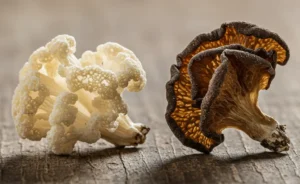
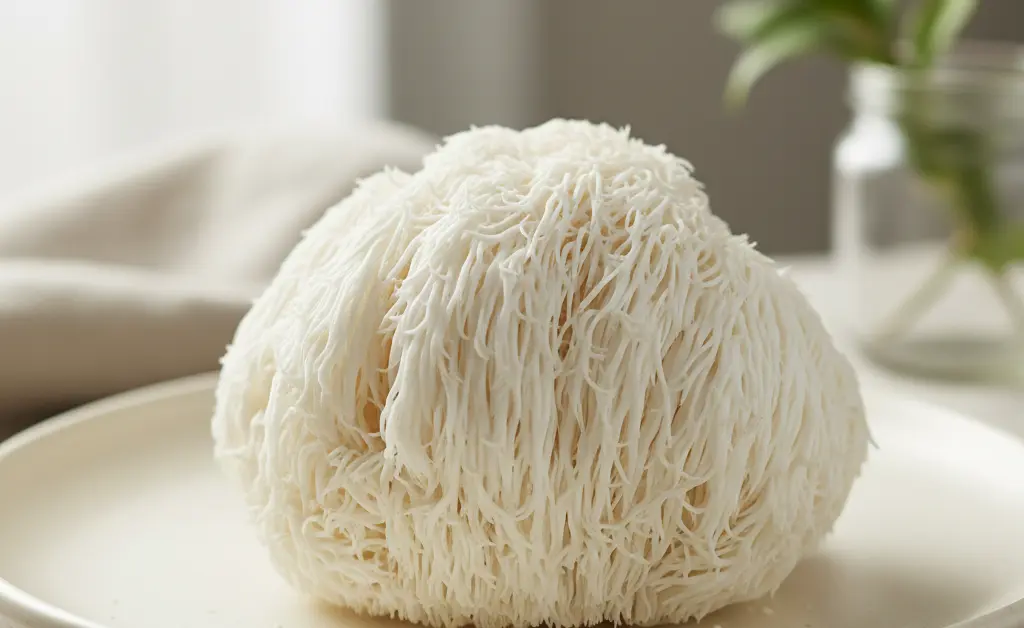
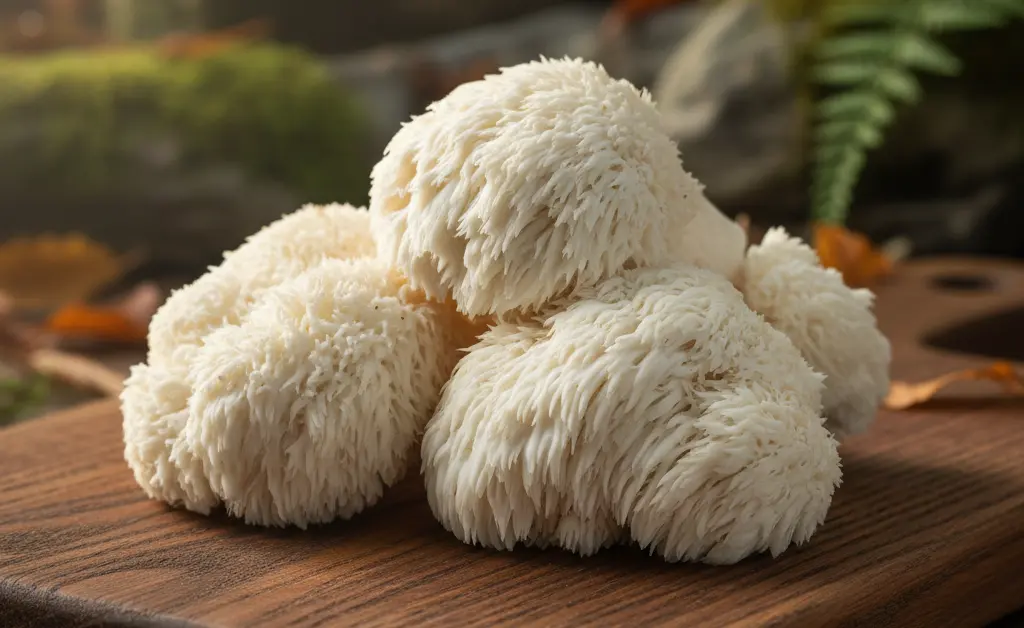
The lion’s mane mushroom, scientifically known as Hericium erinaceus, is a fascinating fungus recognized for its unique appearance, resembling a shaggy white waterfall. Beyond its distinctive look, it has gained considerable interest in the realm of natural health, particularly for its potential association with cognitive well-being. This functional mushroom has been studied for its rich profile of bioactive compounds, which are thought to contribute to its observed effects on the brain. Many individuals exploring natural ways to support mental clarity and focus are turning their attention to the lion’s mane mushroom for memory, hoping to harness its properties for enhanced cognitive function.
How long does it take for a lion’s mane to improve memory?
The timeframe for experiencing potential benefits from lion’s mane mushroom can vary significantly among individuals. Factors such as consistency of intake, individual physiology, age, and overall health status may influence how quickly any effects on cognitive function become noticeable. Some people report subtle changes within weeks, while for others, a longer period of consistent use, often several months, may be suggested before observing more pronounced shifts. It’s generally understood that functional mushrooms, including lion’s mane, tend to work gradually by supporting the body’s natural systems over time, rather than providing immediate, dramatic effects.
Reported Benefits for Mild Cognitive Impairment
Research into the potential of lion’s mane mushroom for cognitive function has explored its role, particularly in relation to age-related cognitive decline and mild cognitive impairment. Findings from Human Clinical Trials have investigated its effects on various aspects of cognition, including memory and focus, often observing improvements in specific cognitive metrics. Insights from Preclinical and Animal Studies have provided a deeper understanding of the potential mechanisms involved, such as supporting nerve growth factor (NGF) synthesis and offering neuroprotective properties.
However, it is important to acknowledge the Limitations of Current Studies. Much of the research is still in its early stages, and larger, more extensive human trials are needed to draw definitive conclusions. Understanding ‘Mixed’ Results in Scientific Literature often involves recognizing that research methodologies vary, participant populations differ, and the specific formulations or extracts of lion’s mane used can influence outcomes. Despite these nuances, the overall body of evidence continues to fuel interest in lion’s mane mushroom good for memory and brain health.
Historical and Traditional Perspectives on Lion’s Mane
The use of lion’s mane mushroom extends far beyond contemporary health trends, rooted deeply in historical and traditional practices. For centuries, this unique fungus has been revered in various cultures, not only for its culinary appeal but also for its perceived health-supporting properties. Ancient texts and traditional healers often cited lion’s mane for its potential to nourish the body and mind, associating it with vitality and mental acuity. These historical perspectives underscore a long-standing appreciation for its contributions to overall well-being, paving the way for modern scientific inquiry into its benefits, including supporting aspects of memory and focus.
Role in Traditional Eastern Medicine
In Traditional Eastern Medicine, particularly Traditional Chinese Medicine (TCM) and Japanese herbalism, lion’s mane mushroom has held a significant place. It was traditionally consumed for its potential to support digestion, fortify the immune system, and, notably, to enhance cognitive function. Practitioners in these systems often recommended it for those seeking to improve memory, concentration, and overall brain health. The mushroom was considered a valuable tonic for the spleen and stomach meridians, which are believed to influence mental clarity and energy in TCM. This long history of use for mental and physical well-being provides a rich cultural backdrop to the contemporary interest in lion’s mane mushroom for memory and cognitive health.
Comparing Lion’s Mane with Other Functional Mushrooms
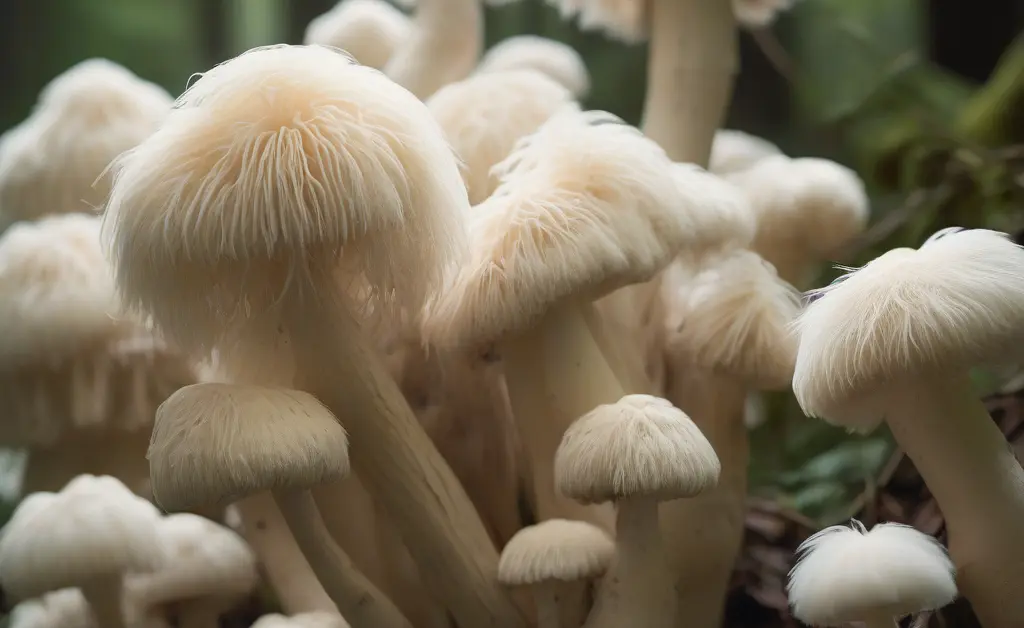
The world of functional mushrooms is diverse, with each species offering a unique array of compounds and potential benefits. While many functional mushrooms contribute to overall wellness, lion’s mane stands out due to its particular affinity for brain health. Its distinct bioactive compounds set it apart, making it a focal point for those specifically interested in cognitive support. When considering the range of functional mushrooms, understanding these unique properties helps clarify why lion’s mane mushroom for memory has garnered such specific attention.
Key Distinctions from Reishi and Cordyceps
While mushrooms like Reishi and Cordyceps are celebrated for their own powerful benefits, their primary functions differ from those attributed to lion’s mane. Reishi (Ganoderma lucidum), often called the “mushroom of immortality,” is primarily recognized for its adaptogenic properties, supporting stress response, and immune modulation. It is frequently used for relaxation and promoting restful sleep. It is always wise to be aware of potential Reishi mushroom side effects when considering its use. Cordyceps (Cordyceps sinensis or Cordyceps militaris), on the other hand, is popular among athletes and those seeking to enhance energy, stamina, and respiratory health.
In contrast, lion’s mane mushroom is uniquely distinguished by its significant focus on neurological support. Its key bioactive compounds, hericenones and erinacines, are studied for their potential to cross the blood-brain barrier and support nerve growth factor (NGF) synthesis, a protein crucial for the growth, maintenance, and survival of neurons. This specific neurotrophic activity is what primarily positions lion’s mane as a leading functional mushroom for supporting brain health and cognitive functions like memory, differentiating it from the broader adaptogenic or energizing roles of Reishi and Cordyceps.
Choosing a Quality Lion’s Mane Product
When seeking to incorporate lion’s mane mushroom into a wellness routine, the quality of the product is paramount. The efficacy of lion’s mane for memory and cognitive support can be significantly influenced by how it is cultivated, processed, and formulated. A high-quality product ensures that you are receiving the active compounds necessary to potentially derive the intended benefits. Understanding the nuances of product selection can help consumers make informed decisions and optimize their experience with this functional mushroom.
Understanding Fruiting Body vs. Mycelium Extracts
A critical distinction when choosing a lion’s mane product is whether it is derived from the fruiting body or the mycelium. The fruiting body is the visible, mushroom-like part that grows above ground, while the mycelium is the root-like network that grows beneath the surface. The Bioactive Compounds: Hericenones and Erinacines, which are largely responsible for the neurological effects of lion’s mane, are found in both, but often in varying concentrations. Hericenones are primarily found in the fruiting body, while erinacines are more concentrated in the mycelium. However, many reputable sources and studies suggest that extracts primarily from the fruiting body, or a combination of both, are often preferred for their comprehensive spectrum of active compounds. Mycelium-only products, especially those grown on grain, may contain a significant amount of grain starch, potentially diluting the concentration of beneficial compounds.
What to Look for on Supplement Labels
To ensure you’re selecting a high-quality lion’s mane product, careful scrutiny of supplement labels is essential. Look for products that clearly state they are made from the fruiting body or a combination of fruiting body and mycelium. Transparency about extract ratios (e.g., 8:1 extract) can indicate potency. Third-party testing for purity, potency, and contaminants (like heavy metals or pesticides) is a strong indicator of a reliable product. Certifications such as organic or non-GMO also speak to the quality of cultivation. Avoid products with excessive fillers, artificial ingredients, or unclear sourcing. Understanding these details on a label helps ensure you are getting a potent and pure lion’s mane mushroom for memory and overall brain health.
How to Incorporate Lion’s Mane into Your Wellness Routine

Integrating lion’s mane mushroom into a daily wellness routine can be a straightforward process, given the variety of product forms available. The key is consistency, as the potential benefits for cognitive function and memory are typically observed over sustained use. Whether you prefer a subtle addition to your morning beverage or a dedicated supplement, finding a method that aligns with your lifestyle can help ensure regular intake and maximize potential effects. This functional mushroom can be a valuable component of a holistic approach to supporting brain health.
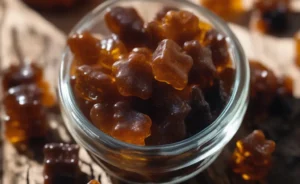
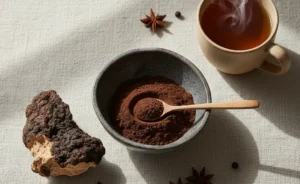
Common Forms: Powders, Capsules, and Tinctures offer flexibility. Powders can be easily blended into smoothies, coffee, tea, or even soups. Capsules provide a convenient, pre-measured option for those on the go. Tinctures, or liquid extracts, allow for quick absorption and can be added to drinks or taken directly. While specific dosage guidelines and recommendations can vary by product and individual needs, it is generally advised to start with a modest amount and adhere to the manufacturer’s suggestions or consult a qualified health professional for personalized advice. For general health guidance, resources from the NHS are often helpful. Consistency, rather than large single doses, is often emphasized for sustained support of the brain with lion’s mane mushroom for memory.
As with any supplement, understanding Potential Side Effects and Safety Profile is important. Lion’s mane is generally considered safe for most individuals, with very few reported adverse effects. These rare instances may include digestive discomfort or skin rash. Individuals with dietary sensitivities may also consider researching maitake mushroom FODMAP information for other fungi. It is always wise to consult with a healthcare provider before starting any new supplement, especially if you have underlying health conditions, are pregnant or breastfeeding, or are taking other medications. This precaution helps ensure that lion’s mane is a suitable addition to your individual wellness regimen.
Culinary Uses of Fresh Lion’s Mane
Beyond its supplemental forms, fresh lion’s mane mushroom offers a delightful culinary experience, allowing you to integrate its potential benefits into your diet in a delicious and natural way. Its unique texture and mild, slightly seafood-like flavor make it a versatile ingredient in various dishes. Enjoying fresh lion’s mane can be a wonderful way to connect with this functional food and potentially support your cognitive well-being while savoring a gourmet touch in your meals.
Simple Preparation and Cooking Ideas
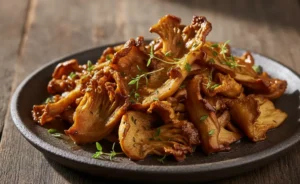
Preparing fresh lion’s mane is relatively simple. It has a fibrous, meaty texture that readily absorbs flavors. To clean it, gently wipe any dirt with a damp cloth; avoid rinsing heavily as it can absorb too much water. The mushroom can be sliced, shredded, or kept in larger chunks, depending on the desired outcome. Its flavor is often described as resembling crab or lobster, making it an excellent plant-based alternative in many recipes. For those exploring different culinary fungi, a delicious maitake mushroom ramen recipe offers another way to enjoy functional mushrooms. For simple cooking, lion’s mane can be sautéed with a little olive oil or butter, garlic, and herbs until golden brown and tender. It browns beautifully and develops a savory umami flavor. It also stands up well to roasting, grilling, or even being deep-fried for a crispy texture. Consider using it as a substitute for crab meat in “crab cakes,” adding it to stir-fries, or incorporating it into pasta dishes. It can also be a star ingredient in vegetarian sandwiches or tacos, offering a satisfying bite and unique flavor. These simple preparation and cooking ideas make it easy to enjoy the fresh form of lion’s mane, contributing to both your culinary enjoyment and overall wellness.
The lion’s mane mushroom continues to emerge as a subject of significant interest for its potential to support cognitive health. From its revered status in traditional medicine to its exploration in contemporary research, this unique fungus offers a fascinating pathway to enhancing mental well-being. By understanding its bioactive compounds, considering quality product selection, and incorporating it thoughtfully into daily routines—whether through supplements or culinary endeavors—individuals may find a valuable ally in the lion’s mane mushroom for memory and overall brain vitality.
This information is provided for educational purposes only. It is not intended to be a substitute for professional medical advice, diagnosis, or treatment. Always seek the advice of your physician or other qualified health provider with any questions you may have regarding a medical condition. Never disregard professional medical advice or delay in seeking it because of something you have read here. Individual results with dietary supplements may vary.
FAQ
— Is there scientific proof that lion’s mane helps with memory?
Research into lion’s mane mushroom for memory has explored its potential to support cognitive functions. Studies have investigated its compounds, such as hericenones and erinacines, which are relevant to nerve growth factor synthesis. These compounds are known to play a role in promoting the health and growth of brain cells, which could underpin cognitive processes.
— Can lion’s mane help with age-related memory decline?
Compounds found in lion’s mane, particularly hericenones and erinacines, are linked to the production of nerve growth factors. These factors are crucial for the maintenance and repair of neurons, which can be particularly relevant in the context of age-related cognitive changes. Preliminary studies suggest a relationship between these biological mechanisms and the potential to support brain health as one ages.
— What does lion’s mane mushroom taste like?
Lion’s mane mushroom has a unique culinary profile, often described as having a delicate, subtly sweet, and savory flavor. Many compare its texture and taste to seafood, particularly crab or lobster, especially when cooked. It readily absorbs the flavors of accompanying ingredients, making it versatile in various dishes.
— Where does lion’s mane mushroom grow naturally?
Lion’s mane mushroom, *Hericium erinaceus*, naturally thrives in temperate forests across North America, Europe, and Asia. It is typically found growing on the trunks of hardwood trees, such as oak, maple, beech, and walnut, often appearing as a single, large, white mass. These fungi prefer dead or dying trees but can also grow on live ones.
— What is the difference between lion’s mane fruiting body and mycelium?
The fruiting body is the visible, above-ground part of the mushroom, characterized by its cascading spines, which is what we typically recognize as lion’s mane. Mycelium, on the other hand, is the root-like network of threads that grows beneath the surface or within its substrate. While both contain beneficial compounds, the fruiting body is generally considered to have a higher concentration of the unique compounds like hericenones that are linked to its specific properties.
— How should lion’s mane supplements be stored?
Lion’s mane supplements are best stored in a cool, dry place, away from direct sunlight and excessive heat. Ensuring the container is tightly sealed helps protect the product from moisture and air exposure, which can degrade its active compounds. Proper storage helps maintain the supplement’s potency and freshness over time.
— Can you grow lion’s mane at home?
Yes, lion’s mane mushrooms can certainly be cultivated at home using various methods. Many individuals successfully grow them indoors on specialized substrates like hardwood sawdust blocks or even logs. It is a rewarding process that allows for fresh access to this unique fungus.