Many people actively seek natural ways to support their cognitive function and overall well-being. Throughout history, various natural remedies have been explored for their potential benefits, and certain fungi have recently garnered significant attention. Among these, a distinctive mushroom known for its shaggy appearance stands out. This particular mushroom has a long history of use in traditional Eastern medicine, where it was often consumed for its purported ability to enhance mental clarity. Modern interest now focuses on the potential for lion’s mane mushroom for brain health, with investigations into how its unique compounds might contribute to memory, focus, and overall neurological support. This growing interest is driven by a desire to understand its mechanisms and incorporate it into daily routines for cognitive enhancement.
Exploring Lion’s Mane Mushroom for Brain Health
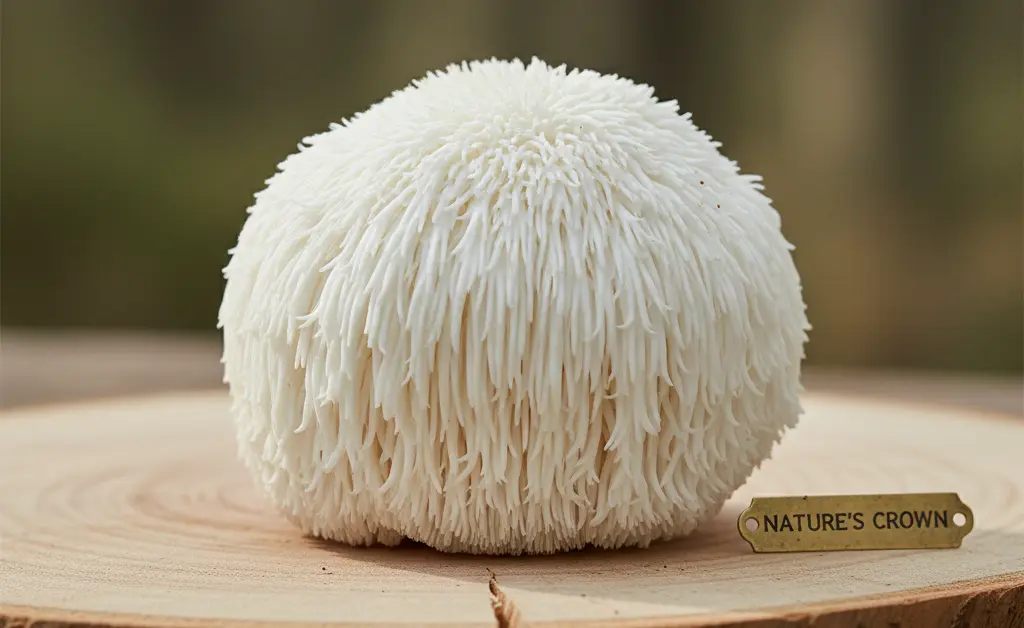
Lion’s Mane Mushroom, scientifically known as Hericium erinaceus, is a unique fungus characterized by its cascading, shaggy spines that resemble a lion’s mane. Beyond its distinctive appearance, this functional mushroom has a rich history steeped in traditional Eastern medicine, particularly in countries like China and Japan. Historically, it has been revered not only for its culinary versatility but also for its perceived health-promoting properties, especially in relation to mental well-being. Modern investigations into lion’s mane mushroom for brain health are exploring its potential to support various aspects of cognitive function, distinguishing it as a significant subject in contemporary wellness discussions. For those interested in sourcing lion’s mane mushroom in New Zealand, specific local suppliers may be available.
Historical Use for Mental Clarity
For centuries, traditional healers and practitioners in Eastern cultures recognized the value of Lion’s Mane. It was often incorporated into diets and herbal preparations with the belief that it could foster a sense of calm, improve concentration, and promote overall mental clarity. Monks, in particular, were thought to consume it to enhance focus during meditation, further solidifying its reputation as a natural aid for cognitive performance. This enduring historical appreciation laid the groundwork for current scientific inquiry into its specific effects on the brain and nervous system.
Understanding the Cognitive Benefits of Lion’s Mane
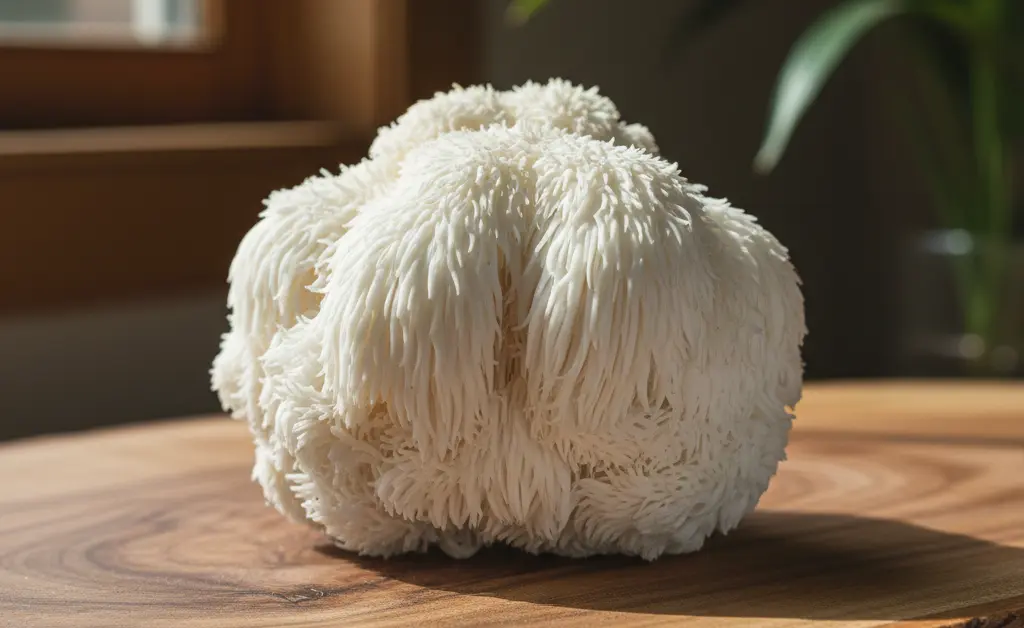
The growing interest in lion’s mane mushroom for brain support stems from its potential to offer a range of cognitive benefits. Many individuals are exploring this functional mushroom as a natural nootropic, seeking to enhance various aspects of their mental performance. From daily focus to long-term neurological health, the purported benefits align with a widespread desire for sustained `cognitive function` and resilience against `cognitive decline`.
Enhancing Memory and Recall
One of the most frequently discussed benefits of Lion’s Mane is its potential to support `memory enhancement`. Research suggests that the mushroom may play a role in supporting neural pathways associated with memory. This could translate to improved ability to form new memories and retrieve existing ones, contributing to better overall `cognitive function`.
Improving Focus and Concentratio
In today’s fast-paced world, maintaining `focus and concentration` can be challenging. Lion’s Mane is studied for its potential to help individuals sustain attention and improve mental clarity, which could lead to enhanced productivity and deeper engagement in tasks. This `lion’s mane effects` on attention may be linked to its ability to support healthy neurological processes.
Addressing Brain Fog
Many people experience periods of `brain fog`, characterized by mental fatigue, difficulty concentrating, and a general feeling of sluggishness. Lion’s Mane is thought to potentially help alleviate these symptoms, promoting a sharper and more alert mental state. By supporting overall `brain health`, it may contribute to reducing the frequency and intensity of `brain fog` episodes.
Supporting Mood and Reducing Anxiety
Beyond direct cognitive improvements, Lion’s Mane may also influence mood and emotional well-being. Some `preclinical studies` suggest a potential link between Lion’s Mane consumption and a reduction in feelings of anxiety and a general uplift in mood. This indirect benefit to `brain health` further highlights its holistic potential as a supportive supplement for mental well-being.
Mechanism of Action: How Lion’s Mane Supports Brain Function
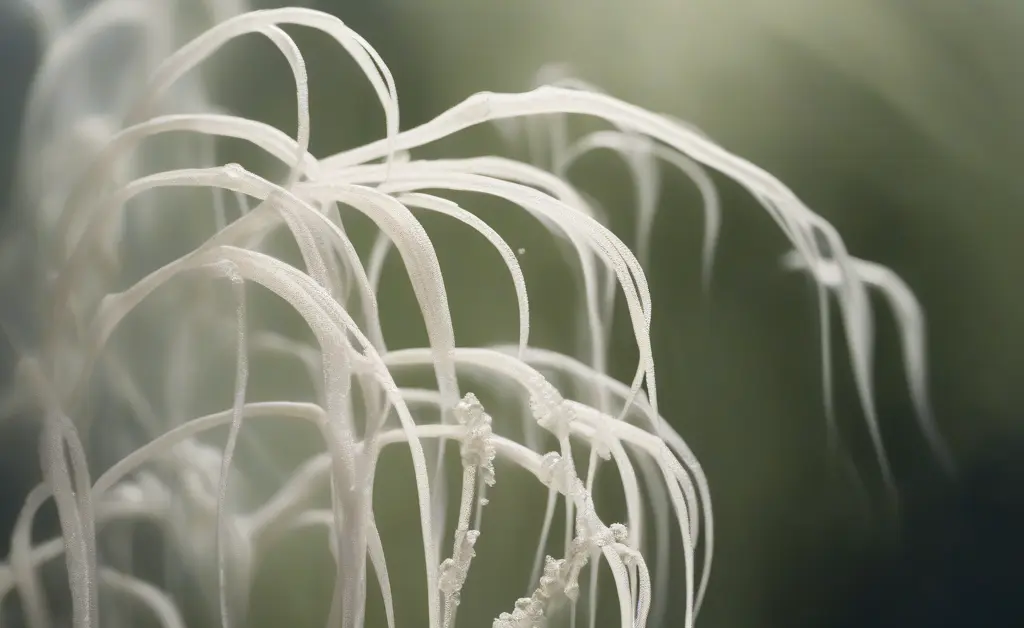
The profound interest in `lion’s mane mushroom for brain` health is largely attributed to its unique `bioactive compounds` and their intricate mechanisms of action within the nervous system. Understanding how these components interact with `neurons` and neurological pathways provides insight into its potential `neuroprotective` and cognitive-enhancing properties.
Key Bioactive Compounds for Brain Support
Lion’s Mane contains a distinct array of `bioactive compounds`, primarily `hericenones` and `erinacines`. These compounds are believed to be instrumental in the mushroom’s neurological `lion’s mane effects`. `Hericenones` are primarily found in the mushroom’s fruiting body, while `erinacines` are more concentrated in its mycelium. Both groups of compounds are subjects of intensive research for their potential roles in supporting `brain plasticity` and overall `brain health`.
Stimulation of Nerve Growth Factor (NGF)
A cornerstone of Lion’s Mane’s proposed benefits is its capacity to stimulate the production of `Nerve Growth Factor (NGF)`. `NGF` is a crucial protein that plays a vital role in the growth, maintenance, and survival of various types of `neurons` in the central and peripheral nervous systems. By potentially enhancing `NGF` levels, Lion’s Mane may support `neurogenesis`, the process of creating new brain cells, particularly in areas like the `hippocampus`, which is critical for learning and memory.
Support for Neuronal Health and Myelination
Beyond `NGF` stimulation, the `bioactive compounds` in Lion’s Mane are thought to contribute to general `neuronal health`. This includes protecting existing `neurons` from damage and supporting the integrity of the `myelin sheath`. The `myelin sheath` is a protective layer around nerve fibers that allows electrical impulses to transmit quickly and efficiently. By potentially supporting `myelination`, Lion’s Mane may contribute to improved nerve signal transmission, essential for optimal `cognitive function` and preventing `neurodegeneration`.
Scientific Research and Evidence for Brain Effects
The exploration of `lion’s mane mushroom for brain` health has moved from traditional use into the realm of modern science, with a growing body of research investigating its potential `neuroprotective` and cognitive-enhancing properties. While much of the definitive research is still in its early stages, particularly regarding human trials, existing `preclinical studies` provide promising insights into its mechanisms and potential applications.
Numerous `preclinical studies`, primarily conducted on animals and in vitro models, have explored the `lion’s mane effects` on various aspects of `cognitive function`. These studies often focus on parameters such as memory, learning, and protection against neuronal damage. Some findings suggest that Lion’s Mane may help mitigate symptoms associated with `mild cognitive impairment` and support recovery after certain neurological events, although human clinical trials are needed to confirm these effects.
Furthermore, research has examined the mushroom’s potential role in addressing conditions related to `neurodegeneration`, such as `Alzheimer’s` and `dementia`. While these studies are largely preliminary, they contribute to the hypothesis that the `bioactive compounds` in Lion’s Mane, particularly `hericenones` and `erinacines`, may offer some level of `neuroprotective` benefits. It is important to note that current research is still unfolding, and robust, large-scale human trials are essential to solidify these findings and provide definitive evidence of its therapeutic efficacy in humans. Organizations such as EFSA provide scientific advice on food safety, which includes assessments of novel foods and food ingredients.
Culinary Uses and Preparation Methods
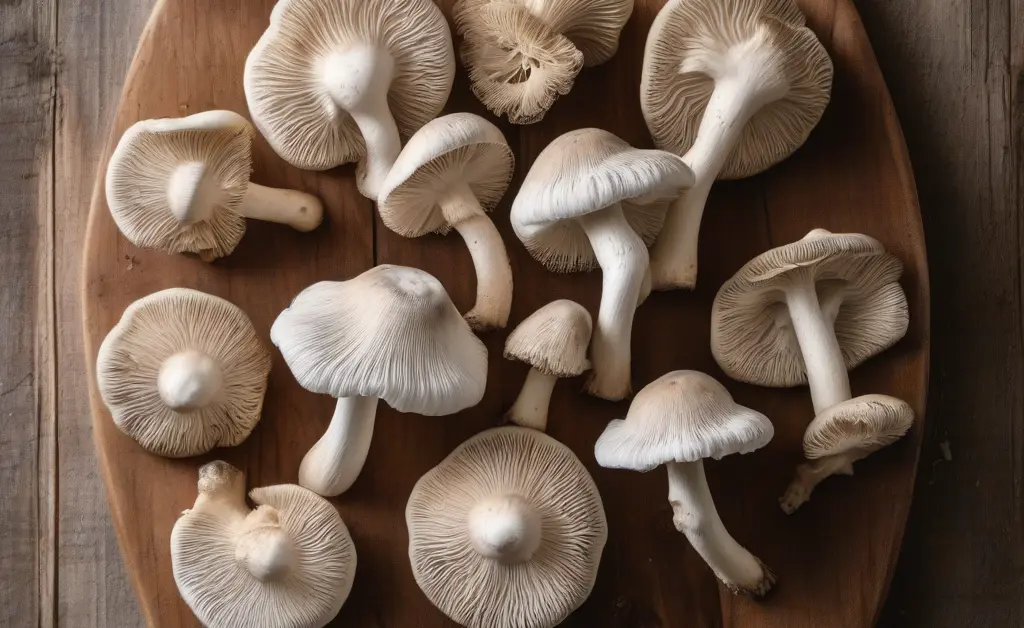
Beyond its potential `cognitive function` benefits, Lion’s Mane Mushroom is also prized for its unique culinary attributes, making it a versatile ingredient in various dishes. Its distinctive texture and mild flavor profile allow it to be incorporated into a wide range of recipes, offering an appealing way to consume this functional mushroom.
Flavor Profile and Texture When Cooked
When cooked, Lion’s Mane develops a remarkable texture often compared to seafood, such as crab or lobster, hence its occasional nickname “lobster mushroom.” It has a firm, meaty, yet tender consistency that absorbs flavors well. The taste is generally mild, slightly sweet, and savory, with subtle umami notes. This makes it a pleasant addition to meals without overpowering other ingredients.
Simple Ways to Incorporate into Meals
Lion’s Mane can be prepared in numerous ways. It can be sliced and pan-fried until golden brown, often seasoned simply with salt, pepper, and herbs, making it a delicious side dish or meat substitute. It also works well in stir-fries, soups, and stews, where it adds body and a unique texture. Another popular method is to shred it and use it in “crab cake” inspired recipes. For those seeking the `lion’s mane effects` without the culinary preparation, `supplementation` in forms like powder or capsules is also available, providing a convenient way to integrate it into a daily routine.
Comparing Lion’s Mane with Other Functional Mushrooms
The world of functional mushrooms is rich and diverse, with each species offering a unique set of `bioactive compounds` and potential health benefits. While Lion’s Mane is highly regarded for its specific `lion’s mane mushroom for brain` support, it’s helpful to understand how it stands apart from other popular functional fungi like Reishi, Chaga, and Cordyceps.
Lion’s Mane is primarily distinguished by its potential to support `Nerve Growth Factor (NGF)` production and overall `cognitive function`, including `memory enhancement` and `focus and concentration`. This `nootropic` quality is a key differentiating factor. Other mushrooms, while offering significant wellness benefits, tend to focus on different aspects of health.
For example, Reishi is often revered for its adaptogenic properties, traditionally used to support stress response and immune balance. Chaga is well-known for its high antioxidant content, beneficial for overall cellular protection. Cordyceps, on the other hand, is frequently associated with energy and stamina support, often popular among athletes. While there can be some overlap in general wellness benefits, the direct and studied `lion’s mane effects` on `neurogenesis` and `neuronal health` position it uniquely as a targeted ally for `brain health`.
When considering functional mushroom `supplementation`, individuals often choose based on their specific health goals. For those primarily focused on cognitive enhancement and neurological support, Lion’s Mane typically takes precedence, while others might opt for a blend or different mushrooms to address broader systemic well-being.
The potential for `lion’s mane mushroom for brain` health has captivated researchers and wellness enthusiasts alike. Its unique `bioactive compounds` such as `hericenones` and `erinacines` are subjects of ongoing scientific inquiry, particularly for their roles in stimulating `Nerve Growth Factor (NGF)` and supporting `neurogenesis`. While `preclinical studies` show promising `lion’s mane effects` on `cognitive function`, memory, and focus, further human trials are essential to fully understand and confirm its benefits. Whether consumed fresh, cooked, or through `supplementation`, Lion’s Mane offers a compelling natural option for those seeking to proactively support their `brain health` and overall mental well-being.
The information in this article is intended for knowledge purposes only. It is not a substitute for professional medical advice, diagnosis, or treatment. Always consult with a qualified healthcare professional before making any decisions about your health, diet, or treatment plans. Individual results may vary, and the efficacy of any natural remedy has not been fully evaluated by all regulatory bodies.
FAQ
— What does lion’s mane mushroom taste like?
Lion’s mane mushroom offers a unique, mild flavor, often described as savory with subtle seafood notes reminiscent of crab or lobster. Its texture is tender and slightly chewy when cooked, making it a versatile ingredient in various culinary applications.
— Can you eat lion’s mane mushroom raw?
While technically edible raw, lion’s mane mushroom is generally cooked to improve its digestibility and enhance the bioavailability of its beneficial compounds. Cooking also helps to soften its unique texture and fully develop its delicate flavor profile.
— What is the historical significance of lion’s mane in Eastern cultures?
In Eastern cultures, lion’s mane mushroom holds a revered place, traditionally used for centuries in both culinary and medicinal practices. It was particularly valued in traditional Chinese medicine for its perceived benefits related to vitality and cognitive function, sometimes referred to as “the mountain priest.”
— How is lion’s mane extract different from whole mushroom powder?
Lion’s mane extract undergoes a specialized process, typically using hot water or alcohol, to concentrate specific beneficial compounds like beta-glucans and hericenones. In contrast, whole mushroom powder is simply dried and ground lion’s mane, containing all components of the mushroom in their natural ratios. The extraction process aims to enhance the potency and bioavailability of particular constituents.
— Are there look-alike mushrooms to be aware of when foraging?
While lion’s mane has a distinctive shaggy, tooth-like appearance, foragers should always exercise caution to avoid misidentification. Related species within the *Hericium* genus, such as Bear’s Head Tooth or Comb Tooth mushrooms, share similar characteristics and are generally also edible. However, careful and accurate identification is paramount when foraging any wild mushroom.
— What part of the lion’s mane mushroom is typically used in preparations?
The part of the lion’s mane mushroom typically used in various preparations and supplements is its distinctive white, shaggy fruiting body. This entire structure is rich in compounds that have been extensively studied, contributing to the growing interest in lion’s mane mushroom for brain health and cognitive support. Its unique appearance and beneficial composition make it highly sought after.