
In recent years, a noticeable shift towards natural health solutions has led many to explore the benefits of functional foods and supplements. Among these, specialty mushrooms have gained considerable attention, finding their way into everything from morning coffees to dietary capsules. This growing integration into daily wellness routines highlights a collective desire for holistic support. One particular fungus, lion’s mane, stands out for its unique appearance and a burgeoning reputation for supporting cognitive health and emotional balance. As more individuals seek gentle ways to navigate daily stressors, understanding the potential role of lion’s mane mushroom anxiety support becomes increasingly relevant, prompting a closer look at its properties and applications.
The Connection Between Lion’s Mane and Emotional Well-being
The intricate relationship between our diet, gut health, and mental state is a topic of increasing scientific and public interest. Lion’s mane mushroom, also known as Hericium erinaceus, has emerged as a subject of discussion within this context, particularly concerning its potential to support emotional well-being. While not a cure for any medical condition, the interest in lion’s mane mushroom anxiety support stems from various anecdotal reports and preliminary studies suggesting it may influence mood regulation and stress responses, offering a natural approach to daily emotional balance.
Reported Effects on Mood and Calmness
Individuals exploring lion’s mane often report a subjective sense of calmness and an uplift in mood after incorporating it into their daily routine. These perceived benefits are frequently linked to the mushroom’s influence on the nervous system and its potential to alleviate mild symptoms of stress. The adaptogenic qualities of lion’s mane are thought to help the body manage stress more effectively, contributing to a more balanced emotional state. Users describe an enhanced feeling of relaxation and mental clarity, which can be particularly beneficial for those navigating the pressures of modern life.
Exploring Potential Mechanisms Behind Lion’s Mane and Mood
The scientific community is actively investigating the biological pathways through which lion’s mane may exert its reported effects on mood and cognitive function. One key area of focus is its potential to stimulate neurogenesis, the growth and development of new brain cells. The compounds responsible for this are believed to be hericenones and erinacines, unique to Hericium erinaceus. These compounds are thought to encourage the production of nerve growth factor (NGF), a protein crucial for the maintenance, survival, and regeneration of neurons in the brain, including those in the hippocampus, a region vital for mood regulation and memory.
Beyond neurogenesis, lion’s mane mushroom is also being studied for its anti-inflammatory properties. Chronic inflammation in the brain and nervous system is increasingly recognized as a factor contributing to mood imbalances and stress. By potentially reducing inflammation, lion’s mane may help create a more favorable environment for brain health and optimal neurotransmitter function. While research is ongoing, these mechanisms provide a plausible basis for the observed benefits related to lion’s mane mushroom anxiety relief and overall mental well-being, potentially influencing levels of neurotransmitters like serotonin and GABA, which are critical for mood stability and relaxation, while also possibly modulating cortisol levels related to stress. Further robust scientific investigations and systematic reviews can be found on reputable sources such as the Cochrane Library.
Comparing Lion’s Mane with Other Functional Mushrooms
While many functional mushrooms offer various health benefits, lion’s mane stands out due to its specific focus on cognitive and neurological support. Mushrooms like reishi are primarily known for their adaptogenic qualities and immune support, while cordyceps is often lauded for energy and athletic performance. Some individuals also consider reishi mushroom for anxiety support, alongside its other adaptogenic qualities. Lion’s mane, however, is particularly recognized for its neuroprotective potential and its influence on brain cell regeneration, making it a unique nootropic. This specialization differentiates lion’s mane as a distinct tool within the broader category of mushroom supplements, particularly for those interested in cognitive function and mood regulation.
Common Forms of Lion’s Mane Products

As the popularity of lion’s mane mushroom anxiety support grows, so does the variety of available products. Consumers can find lion’s mane in many forms, each offering different ways to integrate this functional mushroom into their daily lives. Common presentations include powders, capsules, and liquid tinctures, allowing for flexibility based on personal preference and desired application. These formats are designed to deliver the beneficial compounds of lion’s mane conveniently, whether added to food or taken as a discrete supplement.
What to Look for: Mycelium vs. Fruiting Body Extracts
When selecting a lion’s mane mushroom supplement, understanding the difference between mycelium and fruiting body extracts is crucial. The fruiting body is the visible part of the mushroom, typically rich in hericenones, which are compounds thought to support nerve growth factor production. Mycelium, on the other hand, is the root-like structure of the fungus, and it contains compounds known as erinacines, which also show promise for neurogenesis. High-quality products often specify whether they use the fruiting body, mycelium, or a combination of both, as each component contributes unique bioactive compounds. Looking for products that are clearly labeled and tested for purity and potency can help ensure you receive the intended benefits.
Understanding Product Labels and Servings
Deciphering product labels is essential for making informed choices about lion’s mane supplements. A good label will transparently list the type of extract (fruiting body, mycelium, or whole spectrum), the concentration of active compounds, and any other ingredients. It is important to look for products that are third-party tested to confirm their purity and ensure they are free from contaminants. Understanding the recommended serving information provided by the manufacturer is also important, as this typically reflects the concentration of the mushroom extract and how it should be incorporated into a routine.
Integrating Lion’s Mane into a Wellness Routine
Incorporating lion’s mane mushroom into a daily wellness routine can be a straightforward process, given the wide array of products available. Whether the goal is to enhance cognitive function or support a calm disposition, finding a method that suits personal preferences can make integration seamless. Many choose to add lion’s mane to their diet for its potential benefits, including its emerging role in addressing lion’s mane mushroom anxiety concerns.
Simple Ways to Add Lion’s Mane to Your Diet
One of the most popular ways to consume lion’s mane is by adding its powdered form to beverages. It blends well into morning coffee, tea, or smoothies, often without significantly altering the taste. Some enjoy it as a culinary mushroom, sautéing fresh or dried lion’s mane in stir-fries, soups, or even preparing it as a meat substitute due to its unique, seafood-like texture. Capsules and tinctures offer a convenient, tasteless option for those who prefer not to alter their food or drink. Regardless of the form, consistent daily intake is often suggested to experience the potential cumulative effects of this beneficial fungus.
General Safety and Considerations When Using Lion’s Mane

While lion’s mane mushroom is generally considered safe for most individuals, it is prudent to approach any new supplement with caution. As with any natural product, individual responses can vary. It’s important to be aware of one’s own body and potential sensitivities when considering lion’s mane mushroom anxiety relief or any other benefit. Consulting with a healthcare professional before starting any new supplement, especially if you have underlying health conditions or are taking other medications, is always recommended. This precaution helps ensure the supplement aligns with your overall health needs and avoids potential interactions.
Recognizing Personal Tolerance and Sensitivities
When first introducing lion’s mane into your diet or supplement regimen, it is advisable to start with a modest amount and observe how your body responds. While side effects are rare, some individuals might experience mild digestive upset or skin sensitivities. If any unexpected or uncomfortable reactions occur, it is wise to discontinue use and consult a healthcare provider. Paying attention to personal tolerance allows for a safe and effective integration of lion’s mane into a wellness plan.
Historical and Culinary Uses of Lion’s Mane
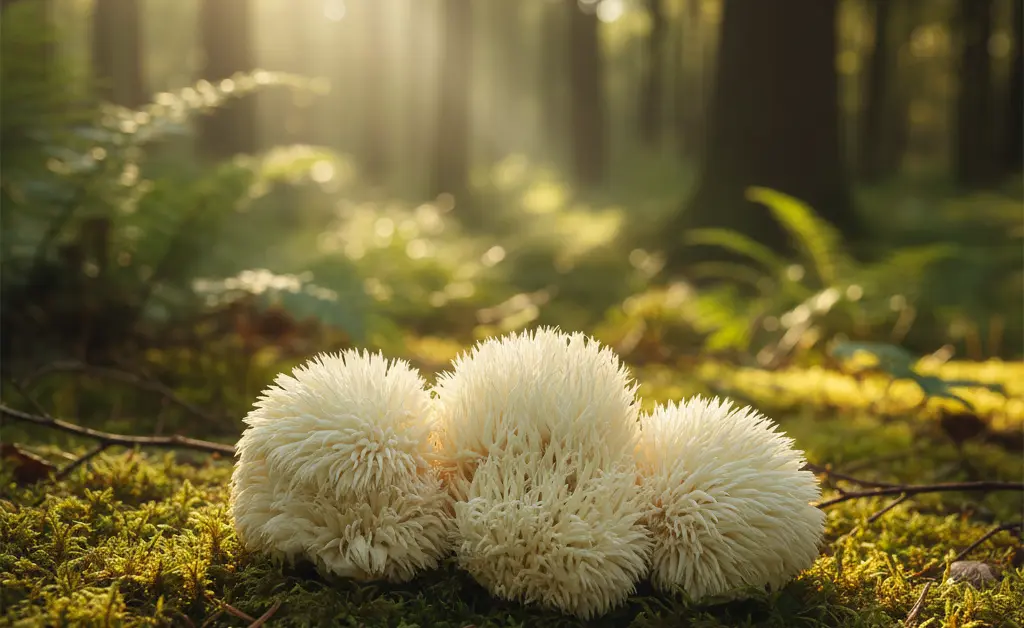
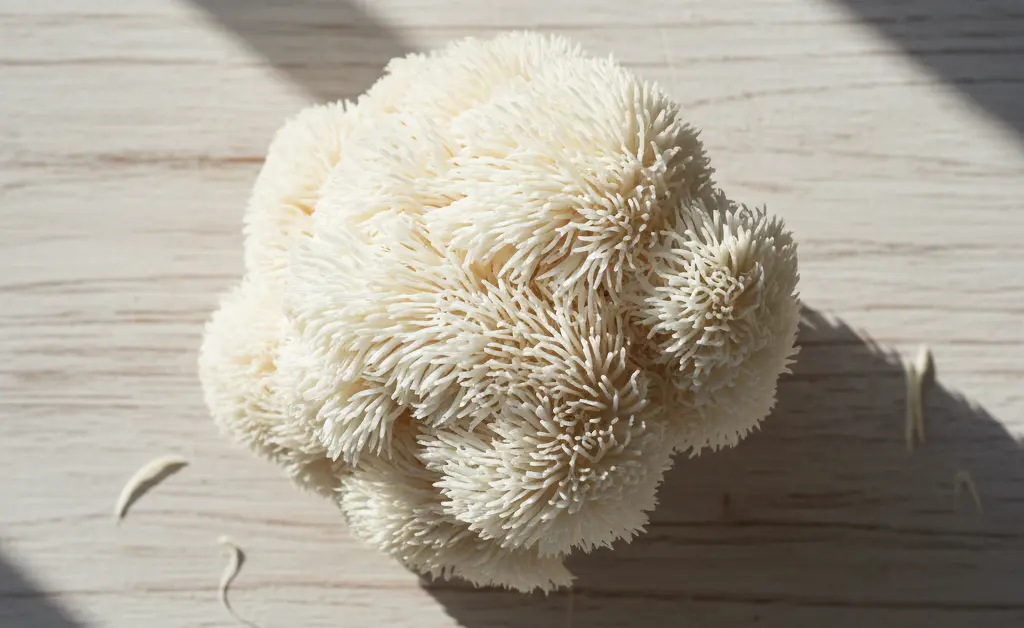
Lion’s mane mushroom, known scientifically as Hericium erinaceus, has a rich history that spans both traditional medicinal practices and gourmet culinary applications, particularly in Asian cultures. For centuries, it has been revered in traditional Chinese medicine for its purported benefits, which include supporting gut health and overall vitality. Beyond its historical uses in wellness, lion’s mane has also been appreciated for its unique texture and flavor in the kitchen. Its appearance, resembling a white, shaggy waterfall, makes it distinctive, and its taste is often described as similar to crab or lobster, making it a prized ingredient among chefs and food enthusiasts.
The growing interest in lion’s mane mushroom anxiety support highlights its versatile potential as a natural adjunct for emotional well-being. Its unique properties, from neurogenesis to anti-inflammatory effects, position it as an intriguing subject for continued research and a valuable addition to holistic health practices. As more people seek gentle, natural ways to foster mental clarity and emotional balance, lion’s mane continues to gain recognition for its diverse benefits.
This article is meant for general informational use and awareness. It is not intended to provide medical advice, diagnosis, or treatment. Always consult with a qualified healthcare professional before making any decisions about your health or starting any new supplement regimen. Individual results may vary, and the information presented should not be used as a substitute for professional medical guidance.
FAQ
— How long might it take to notice potential effects from lion’s mane?
The timeline for observing potential effects from lion’s mane can vary significantly among individuals, as biological responses are unique to each person. Consistency in its use is often emphasized, as the active compounds generally require time to interact with the body’s systems and support cellular processes gradually.
— Is it common for people to incorporate lion’s mane into a daily routine?
Many individuals do integrate lion’s mane into their daily routines, viewing it as a consistent component of their wellness practices. This approach is common because the beneficial compounds are understood to work best when supplied regularly, supporting ongoing cellular health and function rather than offering immediate, acute effects.
— What are the most popular forms of lion’s mane available?
Lion’s mane is widely available in several popular forms, primarily as powdered extracts, capsules, and tinctures. These formats offer convenience and often provide a concentrated source of the mushroom’s beneficial compounds, making them easy to incorporate into daily habits.
— What does lion’s mane mushroom taste like?
When consumed as a whole food, fresh lion’s mane mushroom has a unique culinary profile often described as delicate and slightly sweet, with a texture akin to crab or lobster meat. This makes it a popular ingredient in various gourmet dishes for those who appreciate its distinct qualities.
— Is lion’s mane considered a stimulant like caffeine?
Lion’s mane is not considered a stimulant in the same way caffeine works, as it does not typically provide an immediate energizing jolt. Instead, it is understood to support cognitive functions and a balanced mood through different biological pathways, which is why research into lion’s mane mushroom anxiety reduction and overall neurological well-being is of interest.