Have you ever questioned whether those majestic king oyster mushrooms in your refrigerator are still fresh and safe to eat? Recognizing the subtle — and not so subtle — indicators of spoilage in fresh produce is essential for maintaining both culinary excellence and food safety. King oyster mushrooms, known for their substantial texture and rich flavor, are a prized ingredient, but like all fresh fungi, they have a limited shelf life. Understanding the specific signs that indicate a king oyster mushroom gone bad is paramount. This comprehensive guide will delve into the critical visual cues, olfactory signals, and textural changes that betray spoilage, empowering you to confidently assess their condition and make informed decisions regarding their consumption.
How to Tell if King Oyster Mushrooms Have Gone Bad
Assessing whether your king oyster mushrooms are still good involves a combination of sensory checks. When you suspect a king oyster mushroom gone bad, pay close attention to its appearance, smell, and feel. These indicators collectively provide a reliable assessment of its freshness and edibility, helping you maintain optimal food safety and enjoy the best quality produce. For specific dietary considerations, such as king oyster mushroom for pregnancy, consulting a healthcare professional is always advised.
Visual Clues: Discoloration and Mold Growth
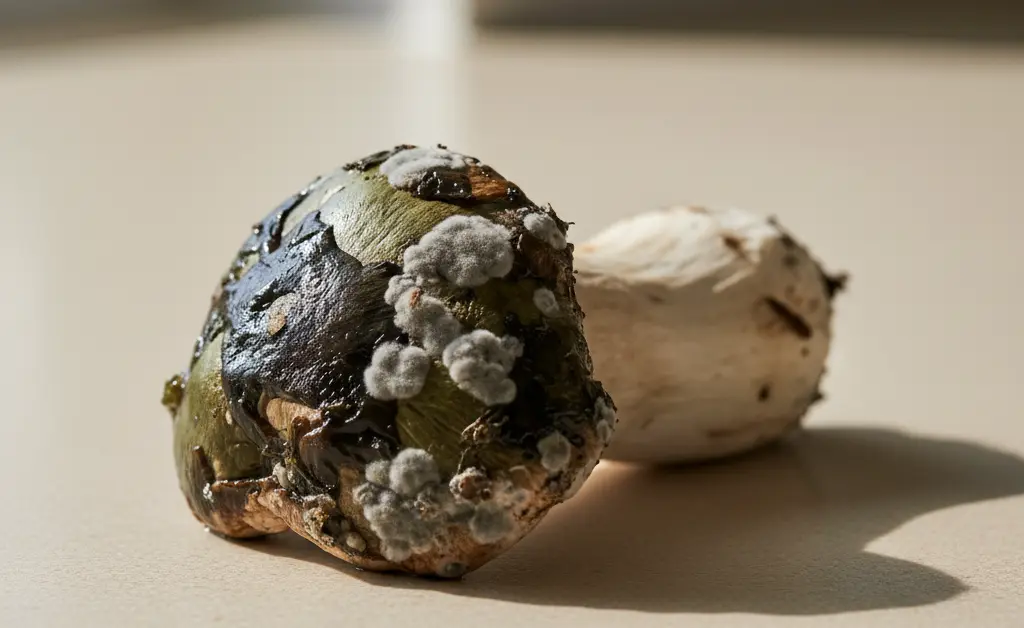
The first step in checking for spoilage is a thorough visual inspection. Fresh king oyster mushrooms typically have a firm, white stem and a slightly tan or light brown cap. Any significant discoloration, such as dark spots, excessive browning, or a general dullness, can be a primary sign of decay. Look for patches of gray, green, or black mold, which are unequivocal indicators that the mushroom is no longer safe to consume. Even small spots of fuzzy mold can rapidly spread, compromising the entire cluster, a concern echoed by health guidelines from the National Institutes of Health (NIH). Healthy king oyster mushrooms should appear vibrant and uniform in color.
The Smell Test: Foul, Sweet, or Sour Odors
A fresh king oyster mushroom should possess a mild, earthy, and pleasant aroma. If you notice any deviation from this natural smell, it’s a strong warning sign. A foul odor, often described as ammonia-like, fishy, or simply putrid, indicates significant decomposition. Similarly, a surprisingly sweet smell can also be a sign of bacterial growth, as bacteria break down sugars. A sour smell, reminiscent of fermentation, is another clear signal that the king oyster mushroom has begun to spoil and should be discarded.
Texture Changes: Slimy or Mushy Feel
The texture of a king oyster mushroom is a crucial indicator of its quality. Fresh mushrooms are firm, dry, and have a pleasant resistance when handled. As they begin to spoil, they often develop a slimy texture on their surface, making them feel wet or greasy. This sliminess is a result of bacterial activity. Beyond sliminess, a king oyster mushroom that feels soft, spongy, or mushy when gently squeezed has likely passed its prime. Any part of the mushroom that feels soggy or overly soft is a strong signal of deterioration.
Identifying Spoilage When Stored in the Refrigerator
Even with optimal storage conditions for king oyster mushrooms, they have a typical shelf life, and signs of spoilage can still emerge, especially if they’ve been stored for a while. Generally, how long do king oyster mushrooms last in the fridge? They can last for approximately 5-7 days when stored correctly in a paper bag or their original packaging in the crisper drawer. Beyond this period, you should be particularly vigilant. Common signs after refrigeration include increased moisture, the development of dark spots, a sticky or slimy film, and any off-putting odors. These are clear indicators that their freshness has declined, and the edibility is compromised.
What Does “Yellowing” Mean for Edibility?
A king oyster mushroom turning yellow is often a sign of age and early decay. While slight yellowing might not immediately render the mushroom inedible if other signs of spoilage are absent, it certainly indicates a decline in quality and freshness. Excessive yellowing, especially when accompanied by softness, a sour smell, or any sliminess, means the mushroom is past its prime and should be avoided. This discoloration is usually a precursor to more advanced decomposition, and it affects both the flavor and texture.
Is “Fuzz” on Oyster Mushrooms Safe to Eat?
The appearance of “fuzz” on oyster mushrooms can be ambiguous. Sometimes, a delicate, white fuzz on the base of the stem or around the mushroom packaging is actually mycelial growth, which is the vegetative part of the fungus itself, and is typically harmless. However, if the fuzz is gray, green, black, or any color other than white, and particularly if it’s accompanied by a foul odor, sliminess, or significant discoloration, it is undoubtedly mold. This king oyster mushroom white fuzz, when it’s truly part of the mushroom’s natural growth, can be safe. But if you see king oyster mushroom mold, or any question the type of fuzz, it’s safer to discard the mushroom to prevent any potential health risks.
Understanding Edibility and Risks of Spoiled King Oyster Mushrooms
Understanding the implications of consuming food past its prime is vital for health. When a king oyster mushroom gone bad is consumed, there are potential risks that outweigh any desire to avoid waste. Always prioritize food safety over extending the life of questionable produce. It’s also worth researching if can you eat king oyster mushroom raw for various culinary uses.
Potential Health Risks of Consuming Spoiled Mushrooms
Consuming rotten mushrooms, including king oyster mushrooms, can lead to various gastrointestinal issues. While typically not life-threatening, the risks of eating rotten king oyster mushrooms include symptoms such as nausea, vomiting, diarrhea, and abdominal cramps. These can be considered potential king oyster mushroom side effects when consumed spoiled. This occurs due to the breakdown products from bacterial or fungal activity, which can irritate the digestive system. In some cases, spoiled food can harbor harmful bacteria that may lead to more severe foodborne illnesses. Therefore, it is always recommended to err on the side of caution when assessing the edibility of mushrooms.
When to Discard Your King Oyster Mushrooms
It’s crucial to know when to discard your king oyster mushrooms to avoid any health concerns. If you observe any of the clear signs of spoilage—such as visible mold (any color other than benign white mycelium), a slimy or mushy texture, a strong foul, sour, or overly sweet odor, or significant discoloration (dark spots, severe browning, or extensive yellowing)—the mushrooms should be thrown out immediately. Don’t attempt to cut off the spoiled parts, as mold and bacteria can spread invisibly throughout the rest of the mushroom. When in doubt, it’s always safest to discard the mushrooms to prevent potential illness and ensure optimal food safety. Maximizing freshness and preventing spoilage through proper storage practices can help extend their usable life, but once decay begins, it’s time to let them go.
King oyster mushrooms, with their unique texture and flavor, are a culinary delight when fresh. By diligently observing visual cues, performing the smell test, and checking for textural changes, you can confidently identify when these valuable fungi have passed their prime. Understanding the subtle indicators of a king oyster mushroom gone bad not only protects your health by preventing the consumption of spoiled food but also ensures you always enjoy them at their best quality. Remember, when there’s any uncertainty about their condition, it’s always the safest choice to discard them. Prioritizing food safety ensures a pleasant and worry-free cooking experience.
While this article discusses health-related topics, it does not provide medical guidance. This content is intended for informational purposes only and should not be used as a substitute for professional medical advice, diagnosis, or treatment. Always consult with a qualified healthcare provider for any health concerns or before making any decisions related to your health or diet. Individual reactions to food can vary, and personal health circumstances should always be considered.
FAQ
— How can you tell if king oyster mushrooms are still good?
Fresh king oyster mushrooms typically have a firm, smooth texture and a clean, off-white to light tan color with no visible blemishes. They should also possess a subtle, earthy aroma that is pleasant and not overpowering, indicating optimal freshness for culinary use.
— What does a bad king oyster mushroom look like?
When a king oyster mushroom gone bad, it will often display clear visual signs such as discoloration, turning yellowish or dark brown, and developing dark spots or patches. The caps and stems may also appear shriveled, dull, or dried out, losing their plump, appealing appearance.
— What does a bad king oyster mushroom smell like?
A spoiled king oyster mushroom will emit a distinctly unpleasant odor, which can range from sour or fishy to a strong ammonia-like smell. This sharp, off-putting scent is a reliable indicator that the mushroom has started to decompose and is no longer suitable for consumption.
— Can you eat king oyster mushrooms that are slimy?
No, mushrooms that feel slimy to the touch are showing a clear sign of bacterial growth and spoilage. The development of a slimy film indicates that the mushroom’s cellular structure has begun to break down, compromising its quality and making it unfit to eat.
— Is it safe to eat king oyster mushrooms with mold?
It is not safe to consume king oyster mushrooms that have visible mold growing on them. Mold signifies significant spoilage and can produce mycotoxins, making the entire mushroom potentially harmful, even if only a small area appears affected.