Consider the growing interest in medicinal mushrooms and their potential applications across various industries. How might a relatively niche agricultural pursuit contribute significantly to economic development and health innovation in a diverse nation? The cultivation of exotic fungi, particularly Cordyceps, has emerged as a promising venture, attracting attention from entrepreneurs and researchers alike. As global demand for natural health products continues to rise, understanding the intricacies of cordyceps mushroom farming in india becomes crucial. This guide delves into the specifics of establishing and managing Cordyceps cultivation, exploring everything from initial setup and environmental controls to harvesting, market potential, and the unique challenges and opportunities within the Indian context. It aims to provide comprehensive insights for anyone looking to venture into this specialized field.
Overview of Cordyceps Mushroom Farming in India
Cordyceps, a genus of parasitic fungi, has gained significant attention globally for its perceived health benefits and unique bio-compounds. Historically found in specific high-altitude regions, its commercial cultivation has opened new avenues for agricultural diversification. In India, the potential for cordyceps mushroom farming is being increasingly recognized as a high-value agricultural activity, driven by both domestic demand and export opportunities. This specialized fungi farming requires precise environmental control, making it distinct from traditional crop cultivation, yet offering potentially higher returns for dedicated farmers.
Why Cultivate Cordyceps in India?
India’s diverse agro-climatic zones, coupled with a growing interest in alternative medicine and natural health products, present a unique environment for Cordyceps cultivation. The relatively high labor availability and increasing scientific research in mycology also contribute to a conducive ecosystem. Furthermore, as global demand for this medicinal mushroom continues to rise, establishing local production capabilities can help meet both domestic market needs and international export requirements, potentially boosting rural economies and creating specialized employment opportunities.
Popular Cordyceps Species for Farming
While several species of Cordyceps exist, Cordyceps militaris is by far the most popular and commercially viable species for cultivation. Unlike its wild counterpart, Cordyceps sinensis, which traditionally grows on insect larvae, C. militaris can be successfully cultivated on artificial substrates in controlled laboratory environments. This makes it a more accessible and sustainable option for cordyceps mushroom farming in India, allowing for consistent production and quality control.
Setting Up and Cultivating Cordyceps Mushrooms
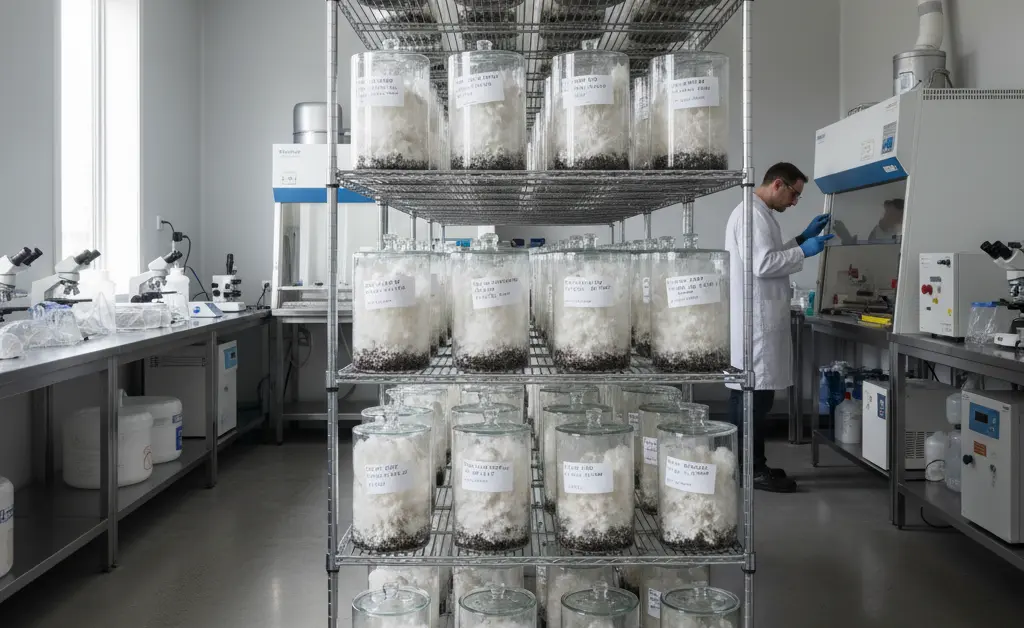
Establishing a successful Cordyceps farm requires careful planning and a significant investment in specialized infrastructure. Unlike traditional agriculture, this form of fungi farming necessitates a highly controlled environment to mimic the specific conditions required for optimal mycelial growth and fruiting body development. Adherence to strict hygiene and sterilization protocols is paramount throughout the cultivation process to prevent contamination and ensure a healthy yield.
Required Infrastructure and Space
A dedicated facility with multiple rooms designed for specific stages of cultivation is essential. This typically includes a clean room for substrate preparation and inoculation, incubation rooms for mycelial growth, and fruiting rooms for the development of the mushroom. Specialized lab facilities equipped with laminar flow hoods, autoclaves, and incubators are crucial for sterile operations. Consideration should also be given to water purification systems, ventilation, and emergency power backups to maintain stable environmental conditions.
How to cultivate cordyceps mushroom in India?
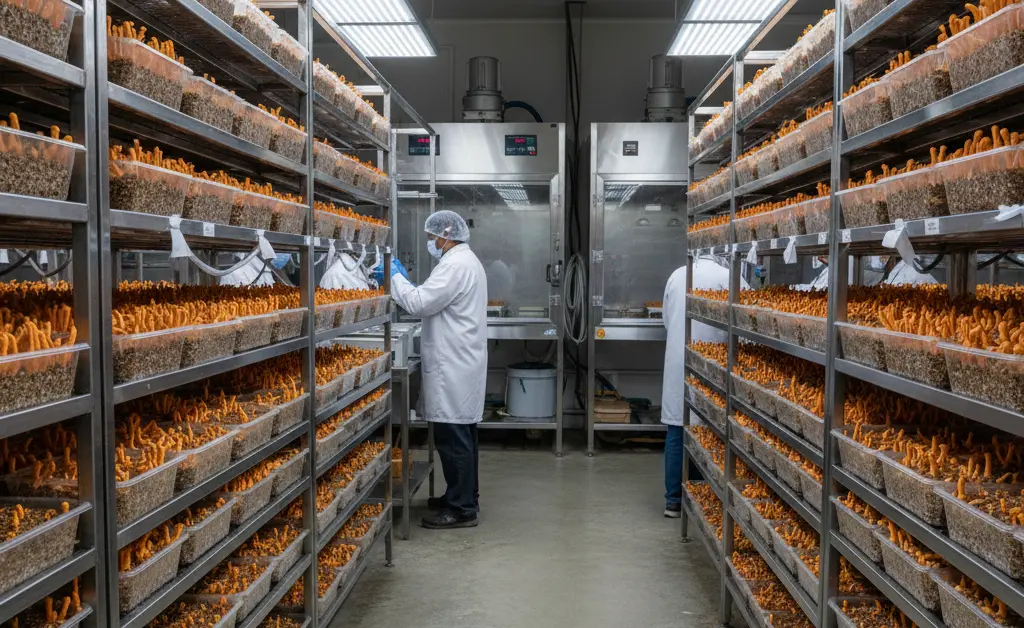
Cultivating Cordyceps in India involves a multi-step process beginning with the preparation of a nutrient-rich substrate, often a blend of grains and supplements. This substrate is sterilized to eliminate competing microorganisms, then inoculated with a pure mycelial culture of the chosen Cordyceps species, typically Cordyceps militaris. The inoculated substrate is then incubated in dark, temperature-controlled conditions to allow for robust mycelial growth. Once the mycelium fully colonizes the substrate, the environmental conditions are adjusted to induce the formation of the mushroom fruiting bodies, a process that requires precise control over light, temperature, and humidity.
How to grow Cordyceps in India?
Growing Cordyceps in India leverages controlled environment agriculture techniques. After successful mycelial colonization, the cultures are moved to a fruiting chamber where specific light cycles, temperature ranges, and humidity levels are meticulously maintained. This stage is critical for the development of the distinctive orange-colored fruiting bodies. Consistent monitoring and adjustments to these parameters are vital to ensure healthy and potent mushroom production. The entire process, from inoculation to harvest, can take several weeks, demanding patience and technical expertise.
Essential Materials, Substrate Preparation, and Inoculation
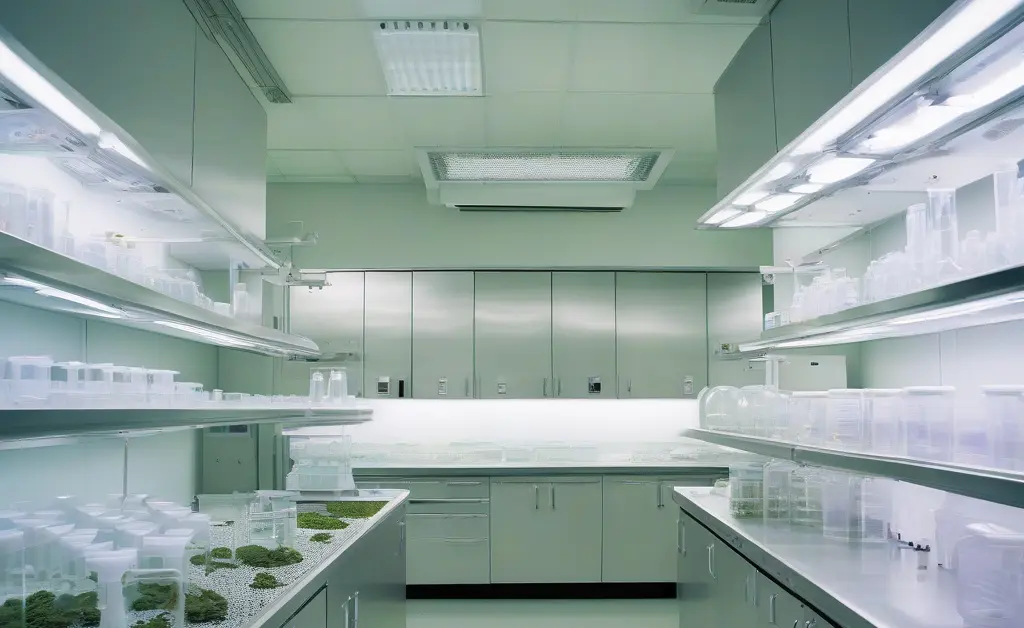
The success of Cordyceps cultivation hinges significantly on the quality of the materials used and the precision applied during substrate preparation and inoculation. These steps are foundational, creating the ideal environment for the mycelium to thrive before it can produce the desired fruiting bodies.
Selecting the Right Substrate Composition
The substrate serves as the nutrient source for the Cordyceps mycelium. A commonly used substrate for Cordyceps militaris is a mixture of brown rice or other grains, supplemented with ingredients like peptone, yeast extract, and various sugars. The precise ratio of these components is crucial for optimal mycelial growth and subsequent mushroom production. Experimentation with different local bio-resources can also be beneficial to optimize cost and availability.
Nutrient Supplementation for Optimal Growth
Beyond the primary carbon source from grains, specific nutrients are essential for robust mycelial growth and the development of high-quality fruiting bodies. Nitrogen sources like peptone or soy protein, along with various trace minerals and vitamins, are often added to the substrate. These supplements support the metabolic processes of the fungus, contributing to its vitality and the concentration of its bioactive compounds.
Sterilizing the Substrate
Sterilization is a critical step to prevent contamination by bacteria, molds, and other fungi that would compete with the Cordyceps mycelium. The prepared substrate, packed into specialized grow bags or jars, is typically sterilized using an autoclave or pressure cooker at high temperatures and pressures for a sufficient duration. This ensures a clean slate for the Cordyceps culture to colonize without interference.
Preparing the Mycelial Culture
A pure and vigorous mycelial culture is the starting point for inoculation. This involves propagating a healthy Cordyceps strain on agar plates or in liquid cultures under sterile laboratory conditions. Maintaining the genetic integrity and health of the spawn is crucial for consistent yields and quality. Regular transfers and quality assurance checks are necessary to prevent degradation or contamination of the master culture.
Inoculation Methods and Techniques
Inoculation is the process of introducing the prepared Cordyceps mycelial culture into the sterilized substrate. This must be performed in a sterile environment, such as within a laminar flow hood in an inoculation chamber, to prevent airborne contaminants. Common methods include transferring agar plugs, liquid culture, or grain spawn into the substrate bags. Proper technique ensures even distribution of the mycelium and minimizes the risk of introducing unwanted microorganisms.
Environmental Control and Growth Conditions
The successful cultivation of Cordyceps mushrooms relies heavily on maintaining a precisely controlled environment throughout their growth cycle. Any deviation from optimal conditions can significantly impact yield and quality, making advanced environmental control systems indispensable for cordyceps mushroom farming in India.
Temperature and Humidity Control Systems
Sophisticated temperature and humidity control systems are at the heart of Cordyceps cultivation. These systems typically involve HVAC units, humidifiers, dehumidifiers, and precise sensors that continuously monitor and adjust the climate within the growth chambers. Automated controls are often employed to ensure stability and reduce the need for constant manual intervention, which also minimizes the risk of contamination.
Maintaining Optimal Temperature Ranges
Cordyceps militaris has distinct temperature requirements for its various growth phases. During the mycelial colonization phase, a slightly higher, stable temperature is often preferred. As the mycelium matures and prepares to fruit, the temperature may need to be lowered gradually to stimulate the formation of the fruiting bodies. Consistent temperature control is vital to prevent thermal shock and promote steady development.
Controlling Humidity Levels
Humidity is another critical environmental factor. High humidity is necessary during both mycelial growth and fruiting body development to prevent the substrate and developing mushrooms from drying out. However, excessively high humidity can also encourage bacterial or mold growth. Precise control, often through automated humidifiers and air circulation, ensures that the air moisture content remains within the optimal range for the Cordyceps without fostering competing organisms.
Sterilization and Hygiene Protocols
Beyond substrate sterilization, maintaining overall hygiene within the cultivation facility is paramount. This includes regular cleaning and disinfection of all surfaces, equipment, and even the air. Air filtration systems (like HEPA filters) are often used to reduce airborne contaminants, and personnel must adhere to strict hygiene protocols, including wearing protective clothing and sanitizing hands, to prevent the introduction of pathogens.
Lighting Requirements and Air Exchange
Unlike many mushrooms, Cordyceps militaris requires specific lighting conditions to stimulate fruiting. While the mycelial phase often thrives in darkness, the fruiting stage benefits from a specific spectrum and duration of light. Additionally, consistent air exchange is crucial to provide fresh oxygen, remove metabolic gases like carbon dioxide, and help regulate humidity. Proper ventilation prevents stale air conditions that can hinder growth and promote contamination.
Harvesting and Post-Harvest Management
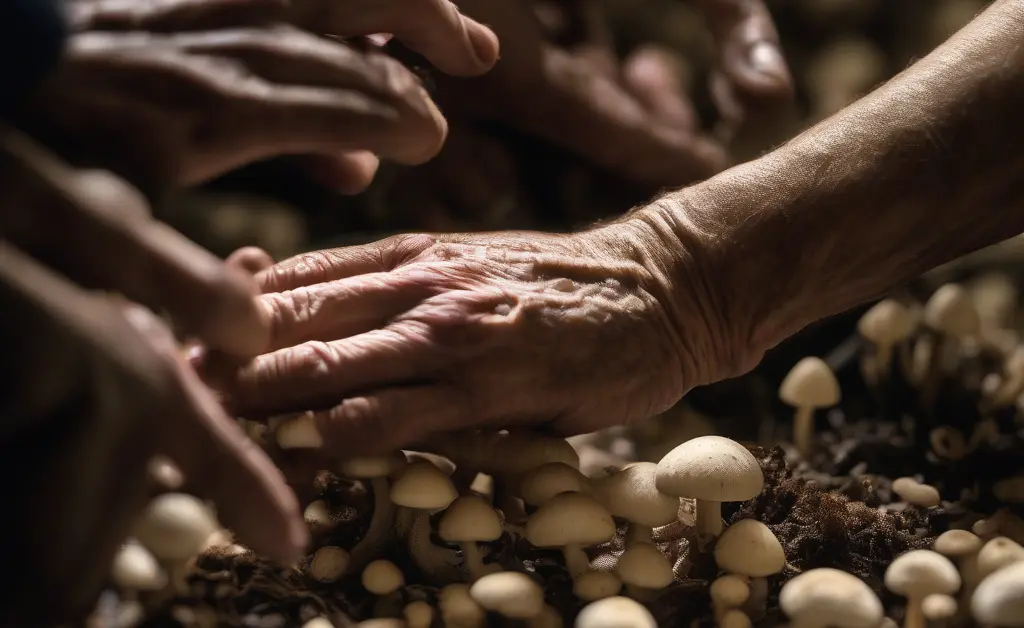
The culmination of diligent cultivation efforts is the harvest of the mature Cordyceps mushrooms. Proper harvesting and post-harvest handling are essential to preserve the quality, potency, and market value of the product.
Identifying Mature Cordyceps for Harvest
Identifying the optimal time for harvest requires a keen eye and experience. Mature Cordyceps militaris typically display a vibrant orange color, and the fruiting bodies reach a specific size and morphology. Over-ripening can lead to spore release and a decline in quality, while harvesting too early might mean lower concentrations of desired compounds. Farmers usually look for a consistent appearance and firmness across the crop.
Proper Harvesting Techniques
Harvesting should be done carefully to avoid damaging the delicate fruiting bodies and to minimize contamination. Often, individual Cordyceps are gently twisted or cut at the base from the substrate. Sterile tools are typically used, and the process is performed in a clean environment. Efficient harvesting also prepares the substrate for potential secondary flushes, if desired.
Drying, Storage, and Packaging
After harvesting, Cordyceps mushrooms must be immediately dried to prevent spoilage and preserve their bioactive compounds. Low-temperature drying methods, such as freeze-drying or dehydration in controlled environments, are preferred to maintain potency. Once dried, they should be stored in airtight, moisture-proof containers in a cool, dark place to protect them from light, heat, and humidity. Proper packaging, often vacuum-sealed, helps extend shelf life and maintain quality during transportation and retail.
Profitability, Market Potential, and Sales Channels
The profitability of cordyceps mushroom farming in India is influenced by several factors, including production costs, market demand, and pricing strategies. Given the high perceived value of Cordyceps as a medicinal mushroom, the profit margins can be attractive compared to traditional agriculture, provided cultivation is scaled efficiently and quality is maintained. The initial investment in controlled environmental infrastructure is substantial, but the premium pricing of the final product can lead to a quick return on investment.
The market potential for Cordyceps in India is growing, driven by an increasing consumer base interested in health supplements, traditional medicine, and natural products. Beyond direct consumer sales, there are significant opportunities in the nutraceutical industry, pharmaceutical research, and export markets. India’s large population and increasing disposable income further fuel domestic demand for such premium health products. Globally, Cordyceps is a sought-after ingredient in dietary supplements, functional foods, and traditional medicines, indicating strong export potential as well.
Sales channels for Cordyceps can be diverse. Farmers can sell directly to consumers through online platforms, local farmers’ markets, or specialized health stores. Establishing partnerships with nutraceutical companies or traditional medicine practitioners can open up bulk sales opportunities. Participation in food and health expos can also help in branding and reaching a wider audience. For those with sufficient scale and quality certifications, exploring export channels to countries with high demand for medicinal mushrooms could significantly expand market reach and profitability.
Challenges and Opportunities for Cordyceps Farmers in India
While cordyceps mushroom farming in India presents a lucrative venture, it is not without its unique set of challenges and opportunities. Navigating these aspects successfully requires strategic planning, technical expertise, and an understanding of the local landscape.
Common Challenges in Cordyceps Cultivation
The primary challenges in Cordyceps cultivation include the high initial investment required for sophisticated controlled environment infrastructure, which can be a barrier for small-scale farmers. Maintaining stringent sterility and hygiene protocols consistently is difficult and critical to prevent contamination, which can lead to significant crop losses. Technical expertise in mycology, substrate preparation, and environmental control is also essential and often requires specialized training. Furthermore, managing the precise environmental parameters (temperature, humidity, light, ventilation) continuously and dealing with potential pests and diseases remain ongoing challenges.
Government Support and Regulatory Landscape
In India, the government’s stance on supporting novel agricultural practices, especially those with high economic potential, presents a significant opportunity. Programs promoting mushroom cultivation training in India or offering subsidies for setting up controlled environment agriculture could greatly benefit Cordyceps farmers. Understanding the regulatory landscape, including food safety standards, export regulations, and any specific permits required for cultivation and sale of medicinal mushrooms, is crucial. Such regulations are often established by government bodies, similar to the standards set by the FDA in the United States. While challenges exist, supportive government policies and an increasing interest in sustainable, high-value agriculture can create a favorable environment for the growth of Cordyceps farming in the country, fostering research, training, and development in this emerging sector.
The journey into cordyceps mushroom farming in India is one that blends traditional understanding with modern agricultural technology. As a high-value crop with significant market potential, it offers a promising path for economic growth and diversification in the agricultural sector. Overcoming the initial investment and technical hurdles through continuous learning and strategic planning can lead to a successful and profitable venture.
The information presented in this article is educational and not meant as professional medical counsel. It is intended to provide general knowledge regarding Cordyceps mushroom cultivation. Readers are advised to consult with relevant agricultural experts or medical professionals for specific advice tailored to their individual circumstances. This content should not be used as a substitute for professional guidance in farming practices or health-related decisions.
FAQ
— How can I start cordyceps cultivation in India?
Starting cordyceps cultivation involves acquiring specialized knowledge in mycology and setting up a sterile, controlled environment. This includes learning about substrate preparation, inoculation techniques, and maintaining precise temperature and humidity levels essential for fungal growth. Success hinges on a deep understanding of the fungus’s lifecycle and rigorous sterile lab practices.
— What is the estimated cost to set up a cordyceps farm in India?
The estimated cost to set up a cordyceps farm varies significantly based on scale, technology used, and location. Initial investments typically include sterile lab equipment, climate control systems, growth chambers, and culture acquisition. Additionally, expenses for ongoing operational costs like substrates, power, and labor need to be considered.
— What are the suitable environmental conditions for growing cordyceps in India?
Cordyceps militaris requires highly specific environmental conditions for optimal growth, typically involving precise temperature and humidity control. Maintaining a consistent temperature range, often cooler than ambient Indian conditions, along with high relative humidity, is crucial. Adequate sterile air exchange and specific light cycles are also vital for successful cultivation.
— What government support is available for mushroom farmers in India?
In India, various government initiatives and agricultural departments offer support for mushroom farming, including training programs, subsidies, and technical guidance relevant to new ventures. These programs aim to promote agricultural diversification and entrepreneurship, which can be beneficial for those interested in cordyceps mushroom farming in India. Aspiring farmers should explore schemes offered by organizations like the National Horticulture Board or state agricultural universities.
— How long does cordyceps militaris take to grow?
The growth cycle of Cordyceps militaris from inoculation to harvest typically ranges from 60 to 90 days. This duration is influenced by environmental consistency, the specific substrate used, and the genetic strain of the mushroom. Maintaining optimal conditions throughout the cultivation period is key to timely and successful development.
— What are the common challenges in cordyceps farming in India?
Common challenges in cordyceps farming include maintaining strict sterile conditions to prevent contamination, which can lead to significant crop failure. Overcoming the initial high setup costs for specialized equipment and managing precise environmental parameters like temperature and humidity are also substantial hurdles. Sourcing quality starter cultures and skilled labor can further add to the complexities of successful cultivation.