Many people are becoming increasingly interested in cultivating specialty mushrooms at home, drawn by their unique benefits and market potential. Among these, the cordyceps mushroom stands out, often perceived as challenging to grow. However, with the right knowledge and techniques, successfully engaging in cordyceps mushroom farming is entirely achievable for both hobbyists and commercial growers. This comprehensive guide will demystify the process, offering insights into everything from selecting the right species and preparing optimal substrates to mastering environmental controls and efficient harvesting methods. Whether you’re a beginner curious about its therapeutic properties or an experienced mycologist looking to expand your cultivation repertoire, understanding the intricacies of growing cordyceps can unlock significant rewards.
Cordyceps Mushroom Farming in the USA
The interest in specialty fungi has grown significantly across the United States, with a particular focus on species like Cordyceps. Engaging in cordyceps mushroom farming in the USA presents unique opportunities and challenges due to diverse climates and regulatory landscapes. Successful cultivation often involves adapting techniques to local conditions and understanding market demands. The legality of growing Cordyceps for personal or commercial use is generally favorable, especially for commonly cultivated species like Cordyceps militaris, though regional agricultural guidelines may apply.
Cordyceps Mushroom Cultivation in the Northeast United States
The Northeast United States, with its distinct seasonal changes and varying humidity levels, offers a specific environment for mushroom cultivation. For those interested in cordyceps mushroom cultivation in this region, indoor growing is typically the most reliable approach. Controlled environments allow growers to manage temperature and humidity, crucial factors that can fluctuate outdoors. Establishing a dedicated lab setup with proper ventilation and environmental controls helps mitigate the impact of external weather patterns, making successful cultivation more predictable.
Cordyceps Mushroom Farming in India
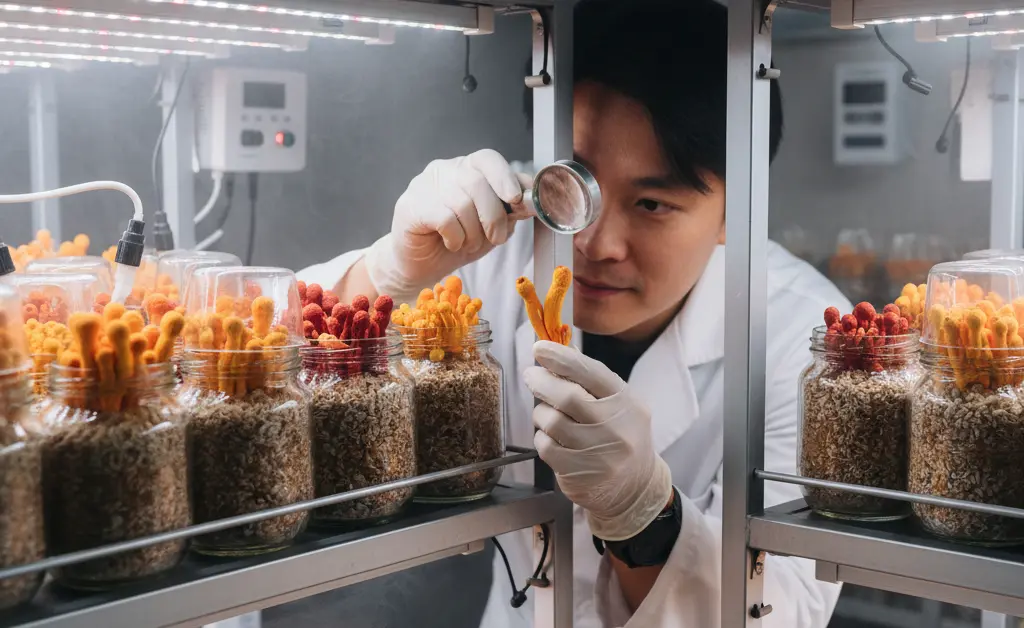
India has emerged as a significant hub for specialty mushroom cultivation, including Cordyceps militaris. The potential for cordyceps mushroom farming in India is vast, driven by both traditional interest and increasing demand for functional foods. Cultivators often adapt advanced indoor growing techniques to suit the local climate, particularly to manage the high temperatures and humidity prevalent in many parts of the country. This has led to the development of specialized cultivation chambers that provide optimal fruiting conditions, contributing to the growing body of knowledge and expertise in Asian mycology.
Cordyceps Mushroom Farming Training & Resources
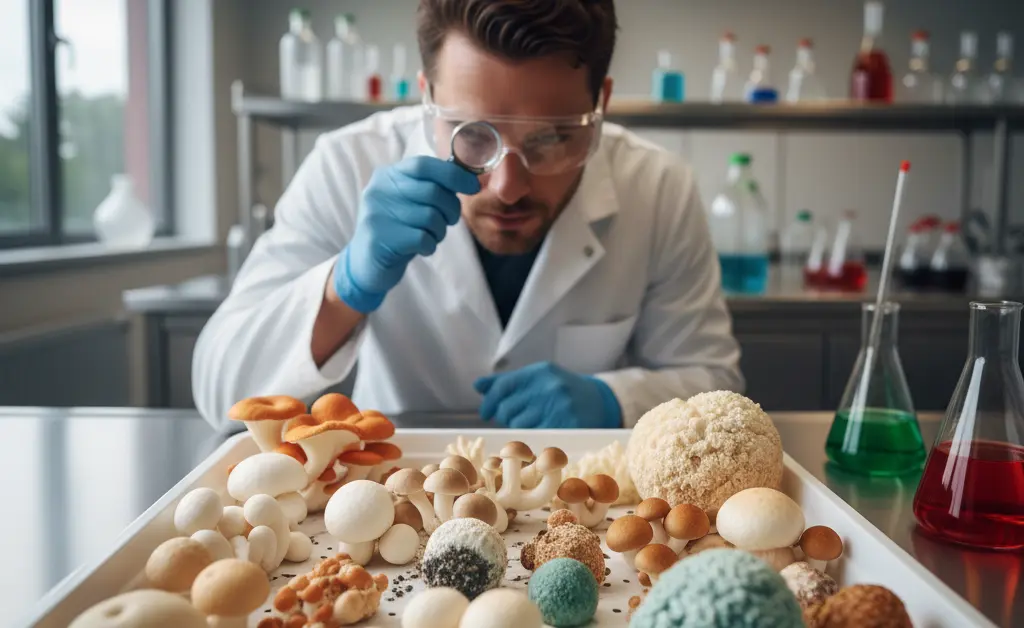
For aspiring growers, accessing the right training and resources is paramount to success in cordyceps mushroom farming. Given the specific requirements of these fungi, specialized knowledge in mycology is often beneficial. Various workshops, online courses, and experienced mentors can provide crucial insights into everything from sterile lab practices to optimizing yield. These resources help both hobbyists and commercial producers navigate the complexities of cultivation, offering practical techniques and problem-solving strategies.
Cordyceps militaris Cultivation Training
Training specific to Cordyceps militaris cultivation typically covers the entire lifecycle of the mushroom, from spore to harvest. Participants learn about species selection, advanced substrate preparation, inoculation methods, and managing the critical incubation and fruiting conditions. Such programs often emphasize practical skills, including aseptic techniques necessary to prevent contamination, and the proper use of equipment like flow hoods and autoclaves. Understanding these foundational elements is crucial for achieving consistent results and high-quality fruiting bodies.
How to Grow Cordyceps Mushrooms with William Padilla-Brown
William Padilla-Brown is a recognized figure in the mycology community, known for his innovative approaches to mushroom cultivation, including Cordyceps militaris. His teachings and resources often focus on accessible and sustainable methods, empowering individuals to undertake home cultivation. Enthusiasts looking for guidance can find a wealth of information through his workshops, online content, and community engagement, which often demystifies complex mycological processes and makes growing specialty fungi more approachable for beginners.
Getting Started with Home Cordyceps Mushroom Farming
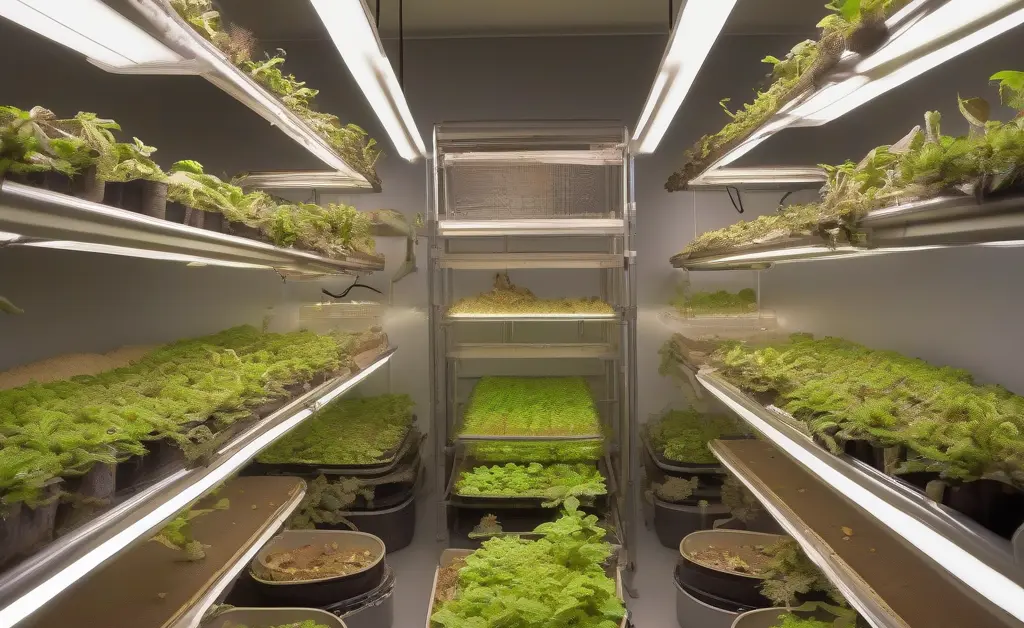
Embarking on home cordyceps mushroom farming can be a rewarding endeavor, offering the satisfaction of producing your own specialty fungi. While it may seem daunting at first, many methods simplify the process for beginners. Starting with a clear understanding of the mushroom’s lifecycle and its environmental needs is crucial. Home growers often begin with smaller setups, gradually expanding as they gain experience and confidence in managing the cultivation environment.
The Easiest Way to Grow Cordyceps Militaris: Uncle Ben’s Method
The “Uncle Ben’s Method” is a popular, simplified approach often adopted by home cultivators for various mushroom species, and it can be adapted for Cordyceps militaris. This method typically involves using pre-sterilized rice pouches as a convenient spawn or growing medium, reducing the need for extensive sterilization equipment. While it simplifies initial steps, growers still need to ensure proper inoculation techniques and maintain sterile conditions to prevent contamination, which is a common challenge in mycology.
3 Simple Ways to Grow Cordyceps
For those new to growing, several simple ways can help get started with Cordyceps militaris. One approach involves using prepared grow bags or jars filled with a suitable substrate and inoculated with a liquid culture or spore syringe. Another method utilizes specialized cordyceps growing kits that provide all necessary components. A third way focuses on adapting existing home equipment to create a basic, controlled environment for incubation and fruiting, minimizing initial investment. Each method requires attention to sterilization and environmental factors like temperature and humidity.
Essential Equipment for Beginners
Setting up for home cultivation requires a few essential pieces of equipment. For beginners, this often includes a pressure cooker or autoclave for substrate sterilization, a still air box or flow hood for aseptic inoculation, and an incubation chamber (which can be a simple container with controlled temperature). Other necessities might include spawn (liquid culture or spore syringe), substrate materials, grow bags or jars, and tools for monitoring temperature and humidity. Investing in quality equipment from the start can significantly improve success rates and prevent common issues like contamination.
Cordyceps Militaris Production: An Overview
The production of Cordyceps militaris involves a precise, multi-stage process that prioritizes sterile conditions and environmental control. Commercial cordyceps mushroom farming operations focus on optimizing each stage to maximize yield and quality. This overview covers the general steps from initial mycelial growth to the development of mature fruiting bodies. Understanding this entire lifecycle is fundamental to successful cultivation, allowing growers to troubleshoot issues and refine their techniques for efficient production.
Selecting Cordyceps Species for Cultivation
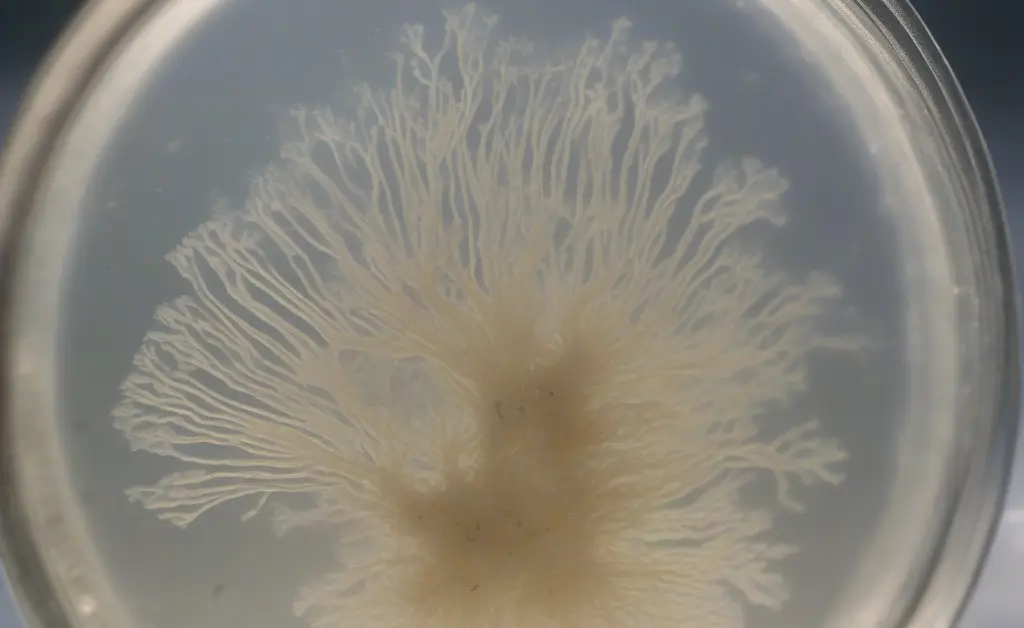
Choosing the right Cordyceps species is a critical first step for any cultivation project. While there are many species in the Cordyceps genus, only a few are commonly cultivated, primarily due to their growth characteristics and market demand. Different species may have distinct requirements for substrate, temperature, and humidity, which directly impact the success of cultivation. Researching and understanding these differences is vital before investing time and resources into a specific strain.
Focusing on Cultivable Species
For most cultivators, especially beginners, focusing on readily cultivable species like Cordyceps militaris is recommended. This species is known for its relatively robust growth in controlled environments and its ability to thrive on various substrates. Other Cordyceps species can be more challenging to grow outside their natural host environments, often requiring specialized techniques or specific insect hosts, making them less suitable for general cultivation projects.
Understanding Species-Specific Needs
Each Cordyceps species, even within cultivable types, has unique needs. For example, some may prefer a higher sugar content in their substrate, while others might thrive with specific protein sources. Temperature and humidity ranges for optimal mycelial colonization and fruiting can also vary significantly. Gaining knowledge about these species-specific needs, perhaps through detailed strain descriptions or scientific literature, allows growers to tailor their cultivation parameters for the best possible growth and yield.
Preparing Your Cordyceps Substrate
The substrate serves as the nutritional foundation for Cordyceps growth, making its proper preparation crucial for a successful harvest. A well-prepared substrate provides the necessary nutrients and moisture while also being free from contaminants. Incorrect substrate composition or insufficient sterilization can lead to stunted growth or complete crop failure, highlighting the importance of this foundational step in the cultivation process.
Common Substrate Materials
For Cordyceps militaris, common substrate materials include brown rice, millet, and other grains, often supplemented with nutritional additives. Many growers also incorporate insect-based components, like silkworm pupae powder, to mimic the mushroom’s natural diet. Other popular additions include potato dextrose, peptone, and various mineral salts, all mixed with water to achieve the optimal moisture content. The specific blend often depends on the grower’s experience and the chosen strain of Cordyceps.
Substrate Sterilization Techniques
Sterilization is a non-negotiable step in Cordyceps cultivation to eliminate competing fungi and bacteria. The most common method involves using a pressure cooker or autoclave to subject the substrate to high temperatures and pressures for a specified duration. This process ensures that the growing medium is clean and ready for inoculation. Proper sanitation practices throughout the lab setup, including sterile gloves and disinfected surfaces, further minimize the risk of contamination after sterilization.
Nutritional Requirements for Cordyceps Growth
Cordyceps species, particularly C. militaris, require a balanced diet of carbohydrates, proteins, and minerals for robust growth. Carbohydrates, often supplied by grains, provide the primary energy source. Proteins, sometimes derived from insect-based powders or plant-based alternatives, are essential for cellular structure and enzyme production. Trace minerals and vitamins contribute to overall mycelial health and the development of vigorous fruiting bodies. Adjusting the pH of the substrate is also important, as Cordyceps typically prefers a slightly acidic environment for optimal colonization.
The Cordyceps Cultivation Process
The overall Cordyceps cultivation process involves several distinct phases, each requiring meticulous attention to detail and environmental control. From the initial inoculation to the final stages of fruiting, understanding and managing each step correctly is key to achieving a successful harvest. This systematic approach ensures that the mycelium develops properly and eventually produces healthy fruiting bodies.
Inoculation Methods
Inoculation is the process of introducing Cordyceps mycelium or spores into the sterilized substrate. Common methods include using a liquid culture syringe, which contains live mycelium suspended in a nutrient solution, or a spore syringe. It is crucial to perform inoculation in a sterile environment, such as within a still air box or under a flow hood, to prevent airborne contaminants from entering the substrate. Proper technique ensures that only the desired fungus begins to colonize the growing medium.
Incubation Phase Management
Following inoculation, the substrate enters the incubation phase, during which the Cordyceps mycelium colonizes the entire growing medium. This phase typically requires a consistent temperature range, often slightly warmer than fruiting temperatures, and a dark environment. Monitoring for contamination during this period is essential, as any foreign mold or bacteria can quickly outcompete the Cordyceps mycelium. Patience and stable environmental conditions are vital for successful colonization.
Fruiting Conditions (Temperature, Humidity, Light)
Once the substrate is fully colonized, environmental conditions are adjusted to induce fruiting. This involves specific parameters for temperature, humidity, and light. Cordyceps militaris generally thrives in cooler temperatures during fruiting, along with high humidity (often above 90%). While light requirements are not as strict as for photosynthetic plants, a consistent, diffused light cycle (e.g., 12 hours on/12 hours off) is often beneficial for primordia formation and healthy fruiting body development. Adequate air exchange is also critical to manage CO2 levels and provide fresh oxygen.
Optimizing Growth and Overcoming Challenges
Even with careful planning, Cordyceps cultivation can present challenges. Optimizing growth involves not only providing ideal conditions but also proactively monitoring the crop and quickly addressing any issues that arise. Continuous learning and adaptation are key to overcoming common hurdles and maximizing the yield and quality of your Cordyceps harvest.
Monitoring for Contamination
Contamination by molds, bacteria, or other fungi is one of the most significant threats to Cordyceps cultivation. Regular monitoring of grow bags or jars is essential to detect any signs of unwanted growth, such as discolored patches, unusual odors, or fuzzy textures different from the Cordyceps mycelium. Prompt isolation and disposal of contaminated batches are necessary to prevent further spread, ensuring the health of the remaining crop. Maintaining strict sanitation protocols remains the best defense. For further information on general health and safety guidelines, resources like the CDC provide valuable insights.
Troubleshooting Common Issues
Growers may encounter various issues, such as slow colonization, stunted fruiting bodies, or a complete lack of pinning. Troubleshooting these problems often involves reviewing environmental parameters like temperature, humidity, and air exchange. For instance, insufficient fresh air exchange can lead to high CO2 levels, inhibiting primordia formation. Adjusting the substrate’s nutritional profile or pH might resolve slow growth. Careful observation and systematic adjustments are critical for overcoming such challenges.
Environmental Control Best Practices
Implementing best practices for environmental control is paramount for consistent Cordyceps growth. This includes using reliable temperature and humidity controllers, ensuring proper air filtration and exchange systems, and providing consistent light cycles. Monitoring CO2 levels and maintaining appropriate airflow are also crucial. A well-designed cultivation chamber, whether a sophisticated lab setup or a modified household enclosure, allows for precise management of these critical factors, leading to higher yields and healthier fruiting bodies.
Harvesting and Post-Harvest Considerations
The final stages of Cordyceps cultivation involve harvesting the mature fruiting bodies and preparing them for storage or use. Proper harvesting techniques and post-harvest handling are essential to preserve the mushroom’s quality and extend its shelf life. Understanding when and how to harvest, as well as appropriate drying and storage methods, ensures that the effort put into cultivation results in a valuable product.
When and How to Harvest Cordyceps
Cordyceps are typically ready for harvest when their fruiting bodies have fully developed their characteristic color and shape, often appearing elongated and vibrant orange or yellow, with the tips becoming slightly more pronounced. The exact timing can vary by strain but generally occurs after several weeks in fruiting conditions. To harvest, gently twist or cut the fruiting bodies at their base, being careful not to damage the underlying mycelium if multiple flushes are desired. Cleanliness during harvest also helps prevent potential spoilage.
Drying and Storage Methods
After harvesting, Cordyceps mushrooms must be dried promptly to prevent spoilage and preserve their integrity. Air drying in a dehydrator at a low temperature is a common and effective method, ensuring thorough removal of moisture without degrading the mushroom’s characteristics. Once completely dry, Cordyceps should be stored in airtight containers, away from direct light and moisture. Proper storage, such as in a cool, dark pantry, can maintain their quality for an extended period, making them ready for future use.
Embarking on the journey of cordyceps mushroom farming can be an incredibly rewarding experience, offering both personal satisfaction and potential economic benefits. By understanding the intricacies of species selection, mastering substrate preparation, diligently controlling environmental factors, and applying best practices for harvesting, growers can achieve consistent success. This comprehensive approach ensures that the unique properties of Cordyceps are preserved, making the cultivation process a truly fulfilling endeavor for both hobbyists and commercial producers alike.
While this article discusses health-related topics, it does not provide medical guidance. The information presented is for general educational purposes and should not be considered a substitute for professional medical advice, diagnosis, or treatment. Always consult with a qualified healthcare provider before making any decisions related to your health or incorporating new practices based on this information. Individual results may vary, and the efficacy of certain practices is not guaranteed.
FAQ
— Can you farm cordyceps mushrooms at home?
Yes, it is possible to farm cordyceps mushrooms at home, but it requires specific conditions and attention to detail. The process can be quite challenging due to the precise growth requirements of these fungi.
— What are the best cordyceps species for home farming?
The most commonly cultivated species for home farming is *Cordyceps militaris*. This species is relatively easier to grow artificially compared to *Cordyceps sinensis*, which is parasitic on ghost moth larvae and much more difficult to cultivate outside of its natural habitat.
— What kind of substrate is used for growing cordyceps?
For *Cordyceps militaris* cultivation, a common substrate consists of a nutrient-rich grain mixture. This typically includes brown rice, supplemented with other ingredients like various proteins and mineral sources, to provide the necessary nourishment for the fungal growth.
— How do you prepare cordyceps substrate?
Preparing the substrate involves accurately measuring and mixing the chosen ingredients, such as brown rice, nutrients, and water, into a homogeneous blend. This mixture then needs sterilization, typically through autoclaving or pressure cooking, to eliminate competing microbes before inoculation with the cordyceps culture.
— What equipment is necessary for cordyceps cultivation?
Essential equipment for successful cordyceps cultivation includes sterile containers or jars for the substrate, a pressure cooker or autoclave for sterilization, and a HEPA-filtered flow hood or still-air box for aseptic inoculation. Maintaining a clean, controlled environment is paramount to prevent contamination.
— What are the ideal growing conditions for cordyceps mushrooms?
Ideal growing conditions for *Cordyceps militaris* involve precise control over temperature, humidity, and light cycles. A cooler temperature range for fruiting body development, combined with high humidity, is crucial for promoting robust growth, while specific light exposure influences development.
— How long does it take to grow cordyceps at home?
Growing cordyceps at home typically takes several weeks to a few months, depending on the specific strain and environmental conditions provided. The initial mycelial colonization phase is followed by the development of the fruiting bodies, which can extend the overall cultivation period significantly. The process of cordyceps mushroom farming requires patience and consistent attention to detail.