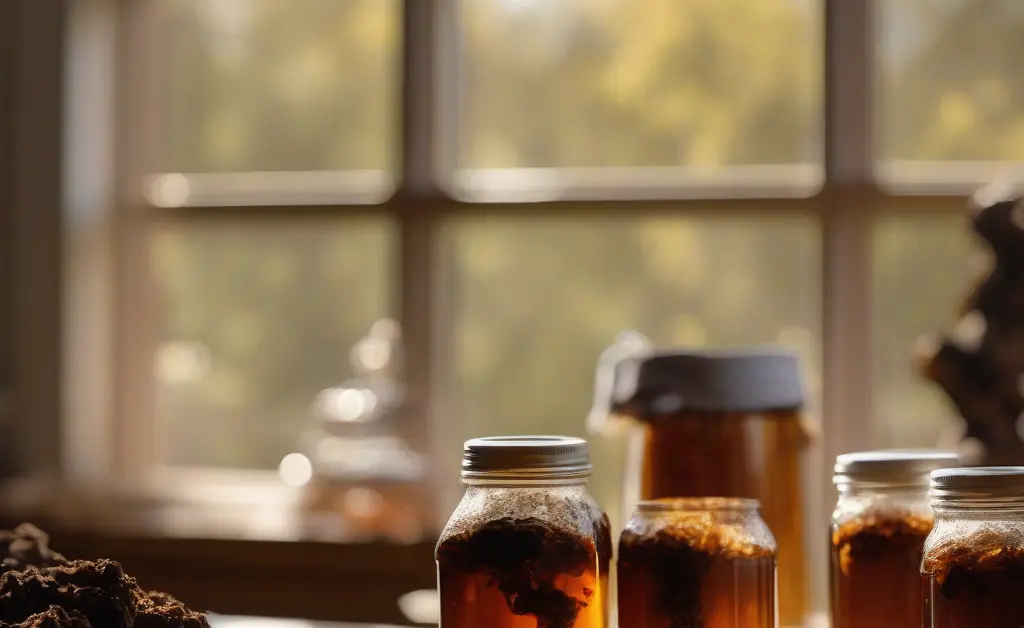
Chaga tea kombucha offers a unique blend of earthy flavors and probiotic benefits, blending the traditional health properties of chaga mushroom with the naturally effervescent qualities of kombucha. This fusion has gained attention not only for its distinctive taste but also for its potential wellness advantages. Understanding how to prepare chaga tea kombucha correctly, from selecting quality ingredients to mastering the fermentation process, is crucial for achieving the best results. Whether you’re a seasoned kombucha brewer or exploring new ways to enjoy chaga, this guide provides comprehensive insights into the preparation, health benefits, and cultural background of this intriguing beverage. By delving into its nuances, you can appreciate both the complexity and accessibility of crafting chaga tea kombucha at home.
Introduction to Chaga Tea Kombucha
Chaga tea kombucha represents a fascinating intersection of two ancient traditions: the use of medicinal mushrooms and the art of fermented tea beverages. Chaga, known for its woody taste and rich antioxidant profile, has been cherished in natural remedies for centuries, particularly across colder climates where it thrives on birch trees. Kombucha, a fermented drink famed for its probiotics and gut health benefits, provides a lively effervescence and tartness that complements the earthiness of chaga. Together, they create a multifaceted beverage that appeals not only to enthusiasts of natural health but also to those interested in unique flavor experiences. The fermentation process underlying kombucha also enhances the bioavailability of some compounds found in chaga, potentially amplifying its immune support qualities.
Complete Recipe and Ingredients for Chaga Tea Kombucha
Choosing Quality Chaga for Kombucha
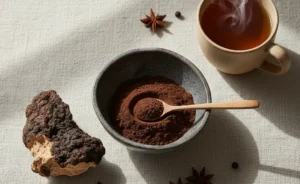
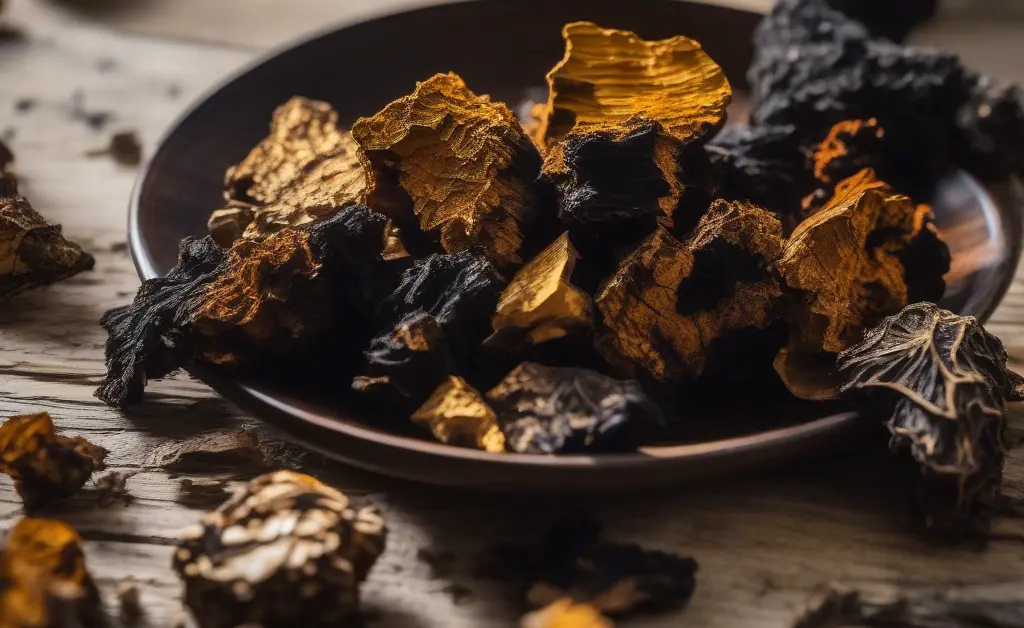
Selecting high-quality chaga is a foundational step in crafting chaga tea kombucha. Authentic chaga is typically harvested from mature birch trees and should exhibit a dense, black crust with a golden-orange interior, indicative of its potent bioactive compounds. Wild-harvested chaga is often preferred due to its richness in antioxidants and medicinal properties, though sustainably sourced or cultivated options are increasingly available. When preparing chaga for kombucha, it is important to ensure it is clean and free from contaminants, as the fermentation process can otherwise be compromised. The particle size of the chaga used can influence extraction efficiency during brewing, with coarsely broken chunks often being ideal to balance flavor extraction with clarity of the tea base. For more information on the chaga mushroom, visit our dedicated page.
Types of Tea Suitable for Kombucha Base
The kombucha base traditionally relies on black or green tea leaves, which provide essential nutrients to support the fermentation process carried out by the symbiotic culture of bacteria and yeast (SCOBY). Black tea is commonly favored for its robust flavor and high tannin content, which contributes to the characteristic kombucha acidity and complexity. Green tea offers a lighter, vegetal profile that can harmonize well with the woody notes of chaga, while white tea and oolong variations also serve as intriguing alternatives, each imparting subtle distinctions in aroma and taste. It is important that the tea used is free from oils or artificial flavorings, as these can inhibit fermentation or affect SCOBY health. The choice of tea will directly influence the kombucha flavoring and overall sensory experience.
Flavor Enhancements and Additives
Enhancing the flavor of chaga tea kombucha can be achieved through natural sweeteners and additional botanical additives. Sweeteners such as honey or unrefined cane sugar not only balance the earthy and tangy flavors but also provide fermentable sugars essential for the SCOBY’s activity. Beyond sweetness, herbs, spices, and fruit infusions are commonly introduced to add depth and complexity. Popular options include ginger, cinnamon, citrus peels, and berries, which complement the antioxidant properties of chaga while contributing to a more dynamic palate. When adding flavorings, it is crucial to consider their impact on fermentation and storage, as certain ingredients may accelerate or inhibit microbial activity. Experimentation with additives allows for personalized variations that can enhance both taste and potential health benefits.
Health Benefits of Chaga Tea Kombucha
Chaga tea kombucha is commonly associated with a range of health-supportive qualities, drawing from both the chaga mushroom’s medicinal reputation and kombucha’s probiotic profile. Chaga is renowned for its high concentration of antioxidants, which may contribute to combating oxidative stress and supporting immune function. When combined with the probiotics generated through the tea fermentation, this beverage offers a synergistic effect that may promote digestive health by fostering a balanced gut microbiome. Many consumers turn to chaga tea kombucha as a natural remedy believed to support immune resilience and enhance overall vitality. While scientific studies continue to explore these effects, the combination of medicinal mushrooms and fermented drink cultures holds promise as a functional beverage within traditional and contemporary wellness practices. For further scientific insight, see the research available on NIH.
Brewing Process, Tips, and Storage for Chaga Tea Kombucha
Brewing and Fermentation Process
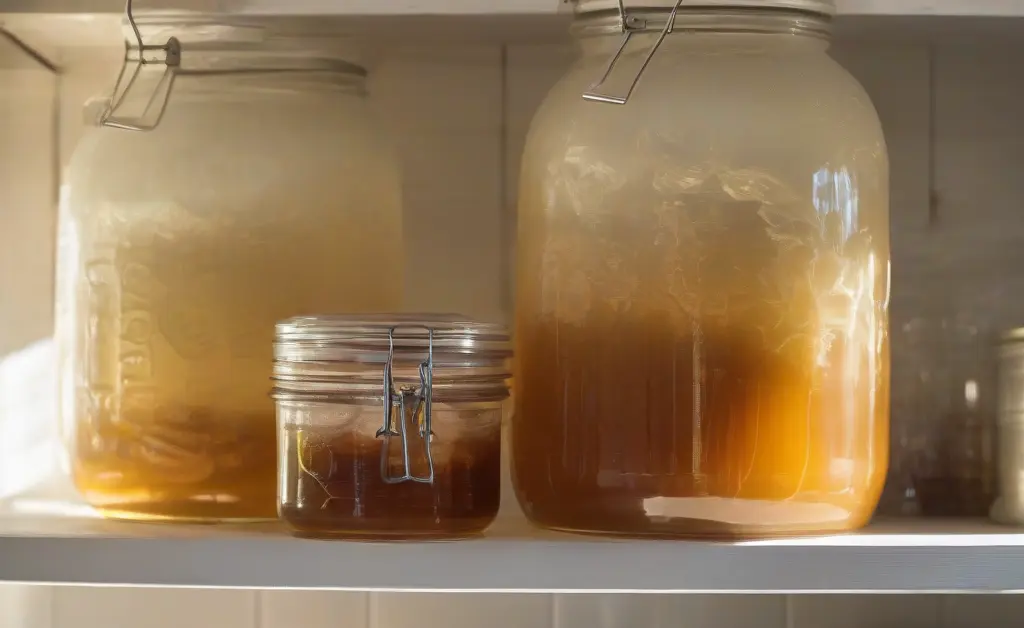
The brewing process of chaga tea kombucha involves first creating a strong chaga infusion, achieved by simmering or steeping the chaga chunks to extract their beneficial compounds and woody flavors. This chaga tea then serves as the liquid base for kombucha fermentation, replacing or supplementing the usual black or green tea. Introducing the SCOBY and starter liquid initiates the fermentation process, during which microorganisms metabolize sugars into organic acids, gases, and probiotics. The fermentation duration and environmental conditions greatly influence the balance between sweetness, acidity, and effervescence. Mastering this process requires attention to detail and patience, as subtle variations can lead to significant flavor differences and impact the beverage’s probiotic content.
Combining Chaga Tea with Kombucha
Integrating chaga tea into kombucha brewing demands careful blending to preserve both the mushroom’s signature woody taste and the kombucha’s lively tang. Some brewers opt to ferment pure chaga tea, while others use a blend of chaga infusion and traditional tea to maintain optimal SCOBY nourishment. The choice often depends on desired flavor intensity and fermentation dynamics. Balancing these components ensures that the chaga’s antioxidant and immune support benefits remain prominent without compromising the fermentation process. This combination leverages the natural properties of both ingredients, resulting in a fermented drink that is both complex and refreshing.
Bottling and Storage Recommendations
After fermentation reaches the desired stage, bottling chaga tea kombucha requires hygienic practices to maintain quality and prevent spoilage. Airtight containers suited for carbonation retention are preferred to preserve effervescence. Storage conditions should be cool and away from direct sunlight to slow fermentation and prolong shelf life. Properly stored, chaga tea kombucha continues to develop flavor nuances over time, although it is best consumed within a timeframe that balances freshness and probiotic viability. Monitoring carbonation levels during bottling is crucial to avoid overpressurization and maintain safety.
Common Brewing Mistakes to Avoid
Brewing chaga tea kombucha involves nuances that can lead to common pitfalls if not carefully managed. Using contaminated or low-quality ingredients may introduce undesirable microbes, affecting flavor and safety. Over-fermentation can result in excessive acidity and loss of beneficial compounds, while under-fermentation might leave the beverage overly sweet and less probiotic-rich. Additionally, exposing the brew to extreme temperatures or improper pH levels can hinder SCOBY activity or encourage spoilage. Awareness of these factors and adherence to best practices help ensure a successful fermentation process and a balanced, enjoyable final product.
Optimal Brewing Conditions
The ideal environment for fermenting chaga tea kombucha balances temperature, oxygen exposure, and hygiene. Temperatures that support active microbial metabolism without encouraging harmful bacteria are essential for effective fermentation. Adequate airflow through breathable covers prevents contamination while allowing excess gases to escape. Maintaining cleanliness in all brewing equipment minimizes the risk of spoilage organisms. These conditions collectively foster a healthy SCOBY environment, resulting in a flavorful kombucha with the desired probiotic qualities.
Adjusting Fermentation Time for Desired Flavor
Fermentation time significantly influences the flavor profile of chaga tea kombucha. Shorter fermentation periods generally yield a sweeter, milder beverage with lower acidity, while extended fermentation produces a tangier, more complex taste with increased carbonation. Adjusting this timing allows brewers to tailor the kombucha to personal preferences, whether favoring the subtle woody notes of chaga or the characteristic tartness of kombucha. Observing the sensory changes throughout fermentation helps in achieving a harmonious balance between the two components.
Effects of Temperature on Fermentation
Temperature plays a critical role in the fermentation process of chaga tea kombucha by affecting microbial activity and metabolic rates. Warmer temperatures accelerate fermentation, often leading to a faster development of acidity and carbonation, but may also increase the risk of off-flavors or spoilage if not monitored closely. Cooler temperatures slow fermentation, resulting in a longer brewing time and potentially smoother flavor outcomes. Understanding and controlling the ambient temperature allows brewers to influence the kombucha’s final taste and probiotic content, ensuring consistency and quality.
Safety Precautions During Brewing
Ensuring safe brewing practices is paramount when producing chaga tea kombucha at home. This includes using sterile equipment, sourcing ingredients free from contaminants, and monitoring for any unusual odors, colors, or textures that may indicate spoilage. Avoiding exposure to harmful molds or bacteria protects both the SCOBY and the consumer. It is also important to be aware of individual sensitivities to fermented products and chaga constituents. Following established guidelines and maintaining cleanliness throughout the process reduces risks and promotes a safe, healthful beverage.
Signs of Spoilage in Chaga Tea Kombucha
Recognizing signs of spoilage is essential to prevent consumption of compromised chaga tea kombucha. Indicators include off-putting smells resembling rotten or moldy odors, unexpected discoloration such as pink or green hues, and the presence of fuzzy mold growth on the surface. Unusual textures or an excessively slimy SCOBY may also signal contamination. Detecting these signs early allows for safe disposal and prevents health risks. Maintaining optimal fermentation conditions and regular inspection helps minimize spoilage occurrences.
Potential Side Effects and Considerations When Consuming Chaga Tea Kombucha
While chaga tea kombucha is embraced for its potential health benefits, some individuals should exercise caution. Chaga mushroom consumption may not be suitable for people with certain health conditions or those taking specific medications due to its bioactive compounds. Similarly, the probiotics and organic acids in kombucha can affect digestive systems differently depending on individual tolerance. Potential side effects such as digestive discomfort or allergic reactions have been reported in sensitive individuals. It is advisable to be aware of these considerations and consult knowledgeable sources when incorporating chaga tea kombucha into one’s routine. Learn more about chaga mushroom side effects and precautions.
History and Cultural Significance of Chaga Tea Kombucha
The cultural roots of chaga tea kombucha reflect a convergence of traditional medicinal practices and fermentation heritage. Chaga mushroom has a long-standing presence in Siberian and Northern European folk medicine, valued for its immune support and restorative properties. Kombucha, with origins traced back to East Asia, has been cherished as a fermented drink for centuries, prized for its digestive benefits and effervescent character. The fusion of these two elements is relatively recent but resonates with a growing interest in natural remedies and fermented foods worldwide. This beverage exemplifies how diverse cultural knowledge can blend to create innovative yet grounded health-supportive drinks. Explore the history of chaga mushroom for more context.
Flavor Profiles and Variations of Chaga Tea Kombucha

Chaga tea kombucha boasts a complex flavor profile characterized by the earthy, woody taste of chaga balanced with the tangy, slightly sweet effervescence of kombucha. Variations arise depending on the tea base used, fermentation time, and added flavorings such as ginger, citrus, or herbs. Some brewers emphasize the mushroom’s deep, resinous notes, while others highlight the bright acidity and probiotic freshness from fermentation. This versatility allows for a wide spectrum of flavor experiences, from mellow and smooth to bold and invigorating. Exploring these variations can deepen appreciation of both chaga mushroom benefits and the art of tea fermentation. Check out various chaga mushroom variations for inspiration.
Chaga tea kombucha remains a compelling beverage for those interested in natural remedies and fermented drinks. Its unique combination of medicinal mushrooms and probiotics offers a distinctive taste and potential health-supportive qualities that continue to attract enthusiasts and home brewers alike.
FAQ
— What does chaga tea kombucha taste like?
Chaga tea kombucha typically offers an earthy, slightly bitter flavor profile with subtle hints of woodiness. The fermentation process may add a tangy, effervescent note, balancing the natural taste of the chaga mushroom. Some drinkers describe it as a unique blend between herbal tea and a mildly sour beverage.
— How do you make chaga tea kombucha at home?
Making chaga tea kombucha at home generally involves brewing chaga tea first, then using it as the base liquid for fermenting with a SCOBY culture. The process requires maintaining appropriate temperature and cleanliness to support fermentation. While the method parallels standard kombucha brewing, the initial tea preparation is crucial.
— Can you use honey to sweeten chaga tea kombucha?
Honey is sometimes discussed as a sweetener for kombucha, but it may impact the fermentation differently compared to traditional sugar. Since honey contains natural antimicrobial properties, it could influence the microbial activity within the SCOBY culture. Careful consideration is recommended when substituting sweeteners.
— How long does it take to ferment chaga tea kombucha?
The fermentation duration for chaga tea kombucha can vary based on factors like temperature and sugar content. It typically requires enough time for the SCOBY culture to metabolize sugars and develop the characteristic tangy flavor. Monitoring the taste and pH can help determine readiness.
— Is chaga tea kombucha safe for everyone to drink?
While many enjoy kombucha beverages, individual reactions can differ, especially with specialized variants like chaga tea kombucha. Those with specific health conditions or sensitivities might want to exercise caution and consult healthcare professionals before consumption. Safety often depends on personal health status and preparation hygiene.
— What are the best teas to use for chaga tea kombucha?
Chaga tea kombucha customarily starts with chaga mushroom tea as the primary infusion, but some brewers blend it with black or green teas to enrich flavor and fermentation quality. The choice of tea can influence both taste and microbial activity during fermentation. Experimentation with tea blends is common to find preferred profiles.
— Can chaga tea kombucha be stored in the refrigerator?
Refrigeration is commonly used to slow down fermentation and preserve kombucha once it reaches the desired flavor. Keeping chaga tea kombucha chilled can help maintain its taste and carbonation for longer periods. However, prolonged storage might alter some sensory characteristics.
— How can I tell if my chaga tea kombucha has fermented properly?
Proper fermentation of chaga tea kombucha is often indicated by a balance of tangy flavor, mild effervescence, and the presence of a healthy SCOBY. Visual cues like the formation of a new SCOBY layer and absence of mold are also important. Sensory evaluation alongside cleanliness during brewing can guide assessment.