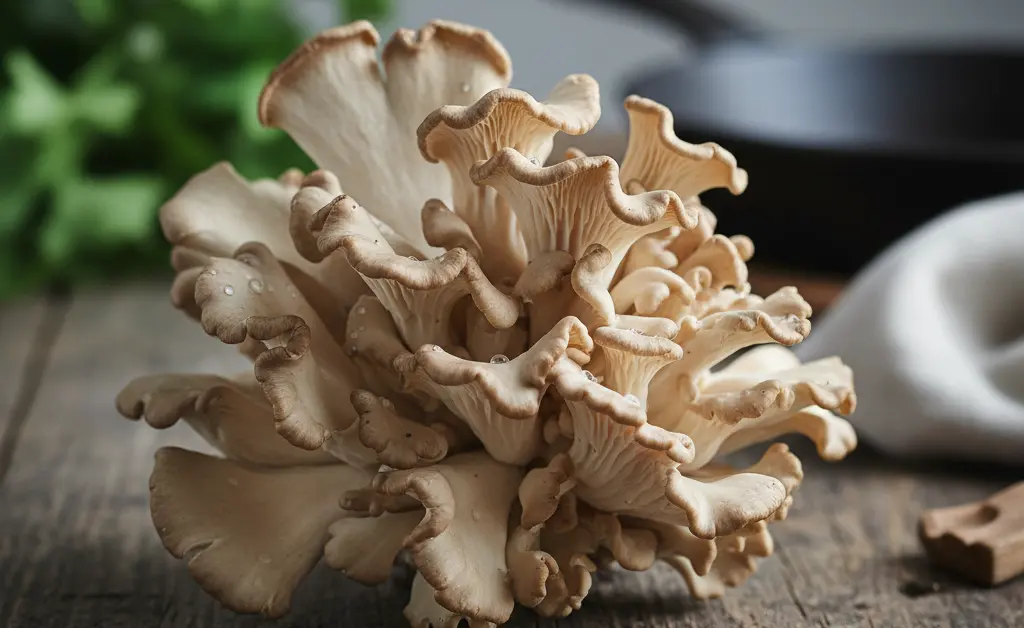
For those encountering the unique maitake mushroom for the first time, a common query arises: what does maitake mushroom taste like? Known scientifically as Grifola frondosa, this revered edible fungus, often called ‘hen of the woods,’ has garnered significant attention in culinary circles not just for its striking appearance but primarily for its distinctive gastronomic appeal. Unlike many of its fungal counterparts, maitake offers a complex and multifaceted flavor profile that can vary subtly depending on preparation methods. This guide aims to thoroughly explore the intricate notes, textures, and culinary applications that define the Maitake mushroom’s unique taste, helping both novice cooks and seasoned food enthusiasts appreciate its depth.
What Does Maitake Mushroom Taste Like?
When trying to pinpoint what does maitake mushroom taste like, one immediately notices a harmonious blend of earthy, savory, and subtly complex notes. Its flavor is often described as deep and satisfying, standing out from more common mushrooms. The unique character of maitake mushroom flavor is why it’s highly sought after by chefs and home cooks alike.
Key Flavor Descriptors: Earthy and Savory Notes
The predominant characteristics of maitake are its profound earthy flavor and savory undertones. It evokes the essence of a forest floor, with a rich, grounding taste that isn’t overpowering. Beyond simple earthiness, there’s a distinct woodsy quality, often accompanied by a peppery finish that adds a gentle warmth to the palate. This aromatic complexity contributes significantly to its appeal, making it a versatile ingredient in various dishes. Its distinctive maitake mushroom smell further enhances its culinary appeal.
The Role of Umami in Maitake’s Taste
A significant component of the maitake mushroom’s rich taste is its strong umami presence. Umami, often referred to as the fifth basic taste, is responsible for the deeply savory, satisfying sensation that makes foods like aged cheese, cured meats, and certain mushrooms so appealing. In maitake, umami provides a profound depth, contributing to its “meaty” quality and making it a popular substitute for meat in vegetarian dishes. This inherent savoriness gives the maitake mushroom flavor profile a robust foundation. Scientific understanding of such flavor profiles is continually advanced through institutions like the NIH.
Does Maitake Taste Good?
For most palates, maitake mushrooms are considered to taste exceptionally good. Their balanced combination of earthy, savory, and umami notes makes them highly palatable and enjoyable. While taste is subjective, the mushroom’s delicate yet rich taste, coupled with its firm texture, generally receives high praise. It lacks the strong, sometimes pungent, flavor that can deter some from other wild mushrooms, offering a more universally appealing profile.
The Influence of Texture on Maitake’s Flavor Profile
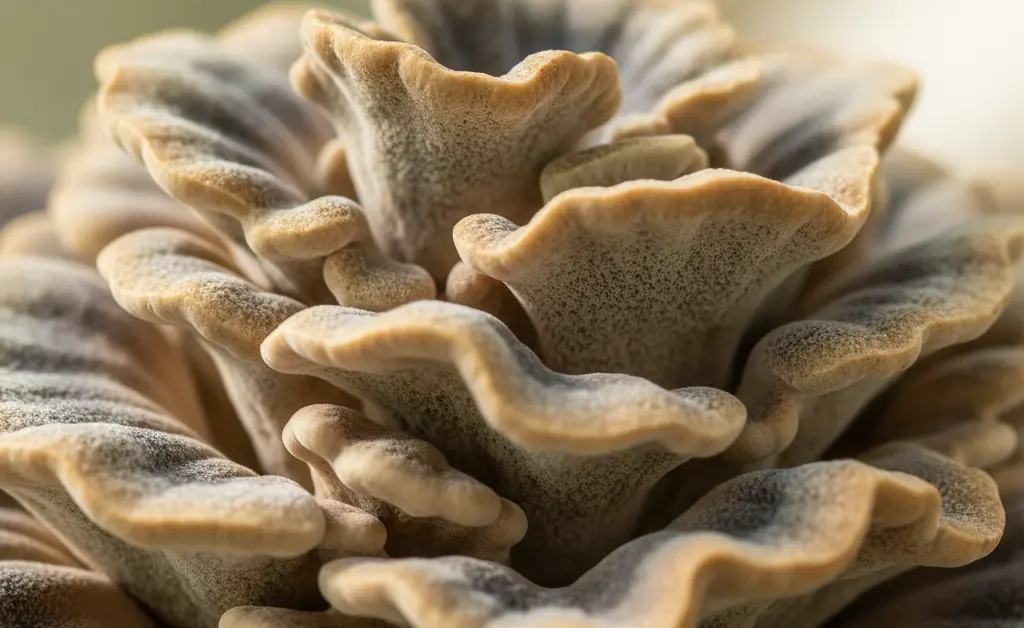
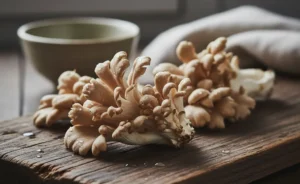
The experience of eating maitake mushrooms is not solely about their taste; their distinctive texture plays an equally crucial role in the overall enjoyment and perception of their flavor profile. Often referred to as hen-of-the-woods due to its ruffled, feather-like appearance, its physical characteristics translate directly into a unique mouthfeel.
The Connection Between Maitake’s Texture and Taste
Maitake mushrooms boast a firm texture that is notably different from the softer, more yielding textures of many other fungi. This distinctive maitake mushroom texture holds up exceptionally well to various cooking methods, preventing it from becoming mushy or rubbery. When cooked, the mushroom’s individual fronds retain a pleasant chewiness at their stems, while the edges can become delightfully crispy, especially when sautéed or roasted. This textural integrity not only provides a satisfying bite but also allows the rich maitake mushroom flavor to be slowly released and savored, complementing its complex taste rather than detracting from it.
Maitake vs. Shiitake: Flavor and Culinary Comparison
Comparing maitake to other popular culinary mushrooms highlights its unique standing. For instance, its profile is quite distinct from that of a reishi mushroom. Understanding what does maitake mushroom taste like in relation to its counterparts can guide culinary choices and flavor expectations.
Comparing Maitake’s Flavor to Other Mushrooms
While many mushrooms share general earthy notes, maitake offers a distinct character. Compared to common button or cremini mushrooms, maitake’s earthy flavor is far more pronounced and complex, often with a hint of pepperiness and a deeper savory undertone. Unlike some wild mushrooms that can be intensely gamey or even slightly bitter, maitake maintains a balanced, aromatic profile that is less aggressive, making it more approachable for varied dishes and palates.
Flavor and Texture Differences Between Maitake and Shiitake
Shiitake mushrooms are renowned for their robust, woodsy, and intensely umami flavor, often with a more pronounced savory depth and sometimes a garlicky nuance. Their texture tends to be chewier, especially the stems, which are frequently removed before cooking. In contrast, the maitake mushroom taste tends to be more delicate, yet still rich, with an earthy and slightly peppery character that is less overtly strong than shiitake. Maitake’s firm texture offers a more tender, almost meaty bite throughout, and its fronds cook to a satisfying crispness, which can differ from the denser, more uniform texture of a shiitake cap. Both are celebrated for their umami, but maitake offers a distinctive nuance in its flavor and textural contribution.
How Cooking Methods Alter Maitake’s Taste
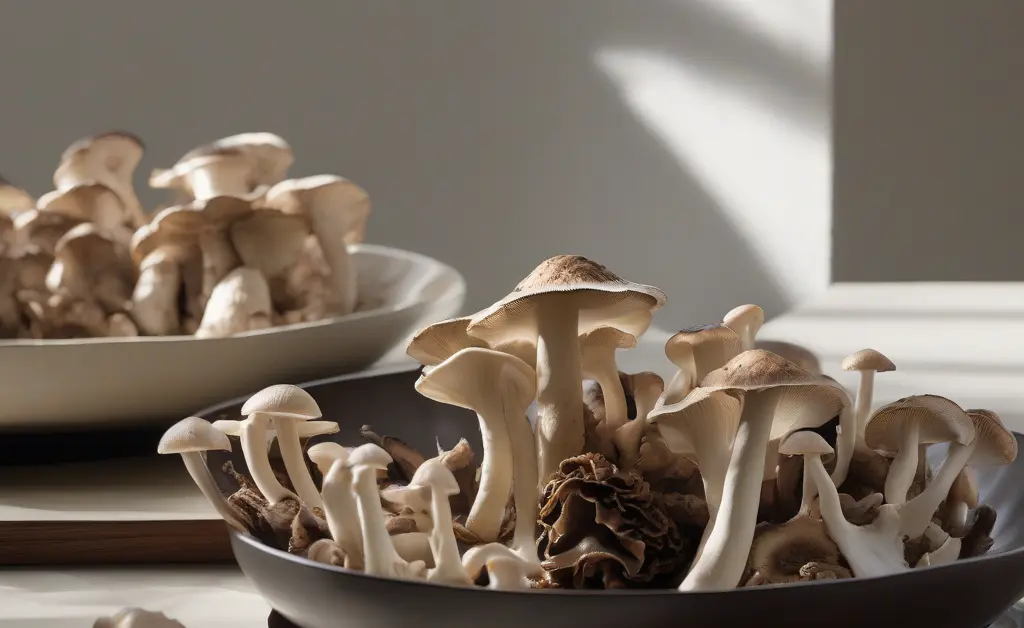
The way maitake mushrooms are prepared profoundly influences their flavor and texture. Different cooking methods bring out various aspects of what does maitake mushroom taste like, showcasing its versatility.
Taste When Sautéed or Fried
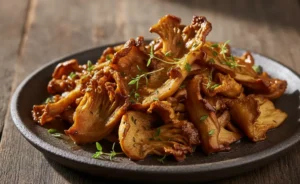
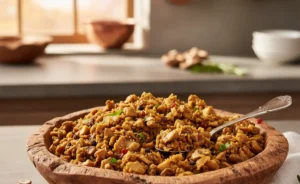
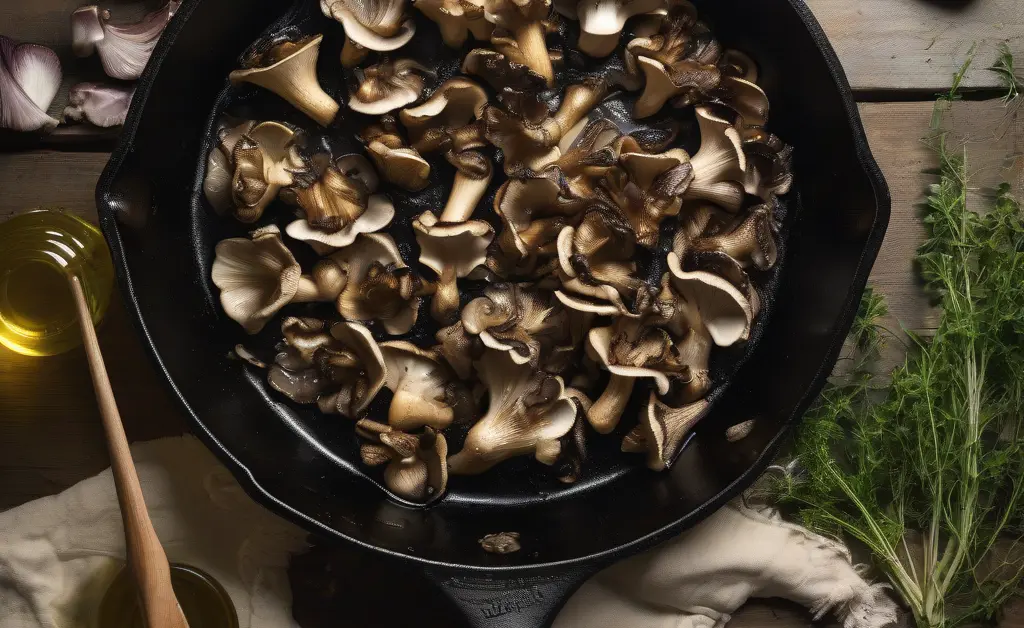
Sautéing or frying maitake mushrooms transforms their raw form into a culinary delight. The direct heat and interaction with fats, such as olive oil or butter, encourage caramelization, intensifying the mushroom’s natural savory and earthy flavor. The edges of the fronds become beautifully crispy, offering a delightful contrast to the tender, meaty interior. Fried maitake develops a more concentrated, rich taste, making it an excellent topping for salads, omelets, or as a stand-alone side dish.
Flavor Profile When Roasted or Grilled
Roasting or grilling maitake mushrooms brings out a deeper, more robust earthy flavor. The dry heat helps to evaporate moisture, concentrating its natural sugars and umami compounds, which can lead to a slightly sweet undertone alongside its woodsy notes. Roasted maitake develops a wonderful tenderness inside with slightly charred, flavorful edges. This method is excellent for highlighting the mushroom’s intrinsic flavor and firm texture, making it a superb accompaniment to roasted meats or vegetables.
Taste in Soups and Stews
When incorporated into maitake soups, broths, or stews, the mushroom imparts its distinct flavor into the liquid, enriching the overall dish. In this application, the maitake mushroom flavor becomes more subtle and diffused, blending with other ingredients to create a complex and savory base. The mushroom itself softens, absorbing the flavors of the broth, resulting in a tender, flavorful addition that contributes depth rather than a dominant taste. Maitake broths are known for their umami-rich character.
Cooking with Maitake Mushrooms: Tips for Maximizing Flavor
To fully appreciate the unique characteristics of maitake, thoughtful preparation and pairing are essential. These tips help enhance the natural deliciousness of the maitake mushroom flavor.
Enhancing Maitake with Herbs and Spices
Maitake mushrooms readily absorb flavors, making them an excellent canvas for herbs and spices. Simple additions like fresh thyme, rosemary, or parsley can complement its earthy and woodsy notes, adding an aromatic lift. A pinch of black pepper can enhance its subtle peppery finish, while a touch of garlic or shallots can deepen its savory profile. For a brighter touch, a squeeze of lemon juice or a dash of vinegar post-cooking can cut through its richness, highlighting the fresh maitake mushroom taste.
Protein Pairings that Highlight Maitake’s Taste
The firm texture and rich umami of maitake make it an ideal partner for a variety of proteins. It pairs exceptionally well with chicken, particularly roasted or grilled poultry, where its meaty texture and savory notes can complement the bird without overpowering it. Game meats, like duck or venison, also find a harmonious match with maitake’s earthy and slightly gamey undertones. For plant-based meals, tofu and tempeh can absorb the mushroom’s flavor, creating a satisfying and wholesome dish. The goal is to choose protein pairings that allow the maitake mushroom taste to shine through as a significant component of the dish.
Pairing Maitake Mushrooms with Complementary Flavors
Beyond main proteins, maitake mushrooms thrive when paired with ingredients that either contrast or complement their intrinsic qualities. Understanding these pairings can elevate your culinary creations featuring the maitake mushroom flavor profile.
Taste Profile Changes After Storage
Like many fresh ingredients, the taste of Maitake mushrooms can evolve after storage. Ideally, Grifola frondosa should be consumed fresh to experience its optimal delicate flavor and aromatic qualities. Over time, particularly if stored improperly, the mushroom may lose some of its vibrant earthy notes and its characteristic firm texture might become less pronounced. While still edible, the nuanced maitake mushroom taste may diminish, becoming less distinct than when freshly harvested. Proper storage, typically in a paper bag in the refrigerator, helps to maintain its quality for a few days, preserving its delightful characteristics for your culinary endeavors.
The journey to discover what does maitake mushroom taste like reveals a complex and rewarding flavor experience. From its earthy and savory foundation to the umami depth and firm, meaty texture, maitake offers a unique contribution to any dish. Its versatility in cooking, adapting to various methods and complementary flavors, makes it a true culinary gem worth exploring.
The information in this article is intended for knowledge purposes only. It is not a substitute for professional advice and should not be used to diagnose, treat, or prevent any health condition. Always consult with a qualified professional for personalized guidance regarding health or dietary matters.
FAQ
— Do maitake mushrooms have a strong flavor?
Maitake mushrooms possess a distinctive, earthy flavor that is considered moderate rather than overpowering. They offer a savory depth, often described as umami-rich, which contributes a pleasant complexity to dishes without dominating other ingredients.
— Are maitake mushrooms bitter?
Maitake mushrooms are not typically bitter. Their flavor profile leans towards a rich earthiness and savoriness, sometimes with a subtle peppery or spicy undertone, but bitterness is not a characteristic associated with them.
— Does maitake mushroom taste similar to chicken of the woods?
While both are highly valued edible fungi, maitake and chicken of the woods have distinct flavor profiles. Chicken of the Woods is often noted for a pronounced lemony, chicken-like taste and texture, whereas maitake provides a deeper, more umami-rich, and earthy flavor without the tangy notes.
— What is the texture of maitake mushrooms like?
Maitake mushrooms are known for their unique and appealing texture, which remains firm yet tender when cooked. They offer a satisfyingly meaty and slightly chewy bite, often with delicate frilly edges that contribute to their pleasant mouthfeel.
— How does the taste of maitake change when cooked?
Cooking significantly enhances the inherent umami and savory qualities of maitake mushrooms. Heat helps to concentrate their earthy notes, deepening their flavor and often bringing out a subtle peppery or nutty finish, while also softening their texture to a tender yet resilient consistency.
— Can you eat maitake mushrooms raw and what do they taste like?
While some mushrooms can be eaten raw, it’s generally recommended to cook maitake mushrooms to fully appreciate what does maitake mushroom taste like. Cooking enhances their digestibility and truly brings out their complex, earthy, and savory notes, which are more subdued when raw.