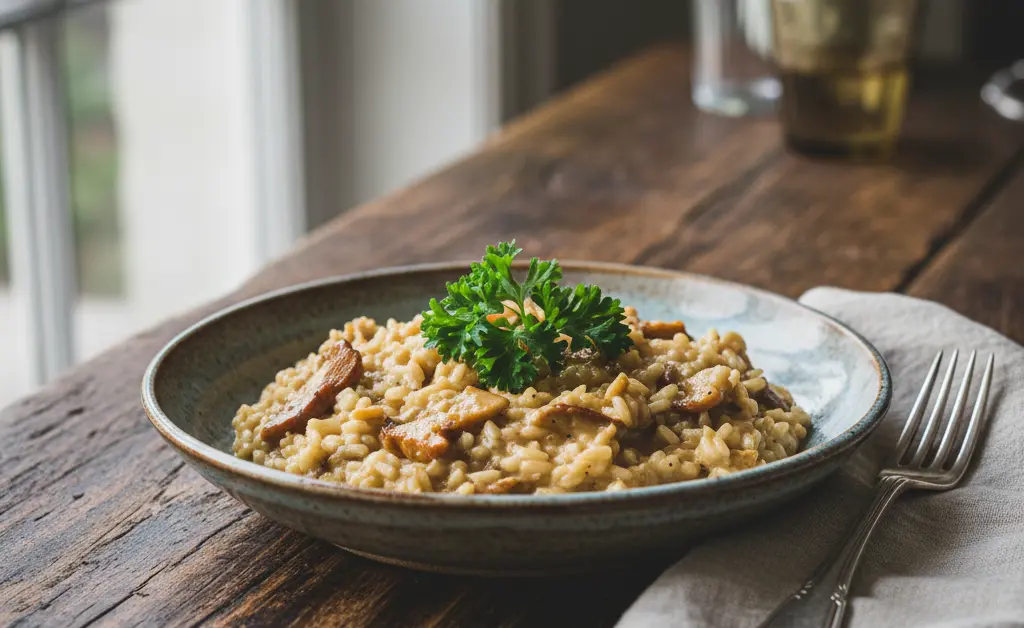
Many home cooks are increasingly seeking dishes that combine gourmet flair with wholesome ingredients. The desire to create restaurant-quality meals at home, using fresh, unique components, is a growing trend. Among the most rewarding culinary pursuits is mastering a truly exceptional risotto, especially when elevated by distinctive fungi. Crafting a perfect maitake mushroom risotto offers a delightful sensory experience, marrying the umami depth of maitake mushrooms with the creamy indulgence of perfectly cooked rice. This dish not only presents a sophisticated option for weeknight dinners or special occasions but also allows for creative exploration in the kitchen, appealing to those who appreciate flavorful, comforting, and nutrient-rich meals. We’ll explore how to achieve this culinary masterpiece, from selecting the best ingredients to mastering the technique.
Why Maitake Mushrooms are Perfect for Risotto
Maitake mushrooms, also known as “Hen-of-the-woods” or Grifola frondosa, bring a distinctive flavor and texture profile that makes them an exceptional choice for risotto. Their taste is often described as earthy, subtly peppery, and intensely umami-rich, with a slightly gamey note that elevates the overall depth of the dish. Unlike some other mushrooms that can become overly soft or watery when cooked, maitake mushrooms retain a pleasant, slightly chewy texture that provides a wonderful contrast to the creamy rice. This inherent structure prevents the mushroom from disappearing into the risotto, ensuring its presence is felt in every bite. When incorporated into a maitake mushroom risotto, these fungi contribute a robust, savory foundation that is both comforting and sophisticated, making them a natural fit for this classic Italian preparation. This versatility makes them suitable for various cooking styles, from Italian risotto to a flavorful maitake mushroom toban yaki.
Selecting Fresh vs. Dried Maitake for Risotto
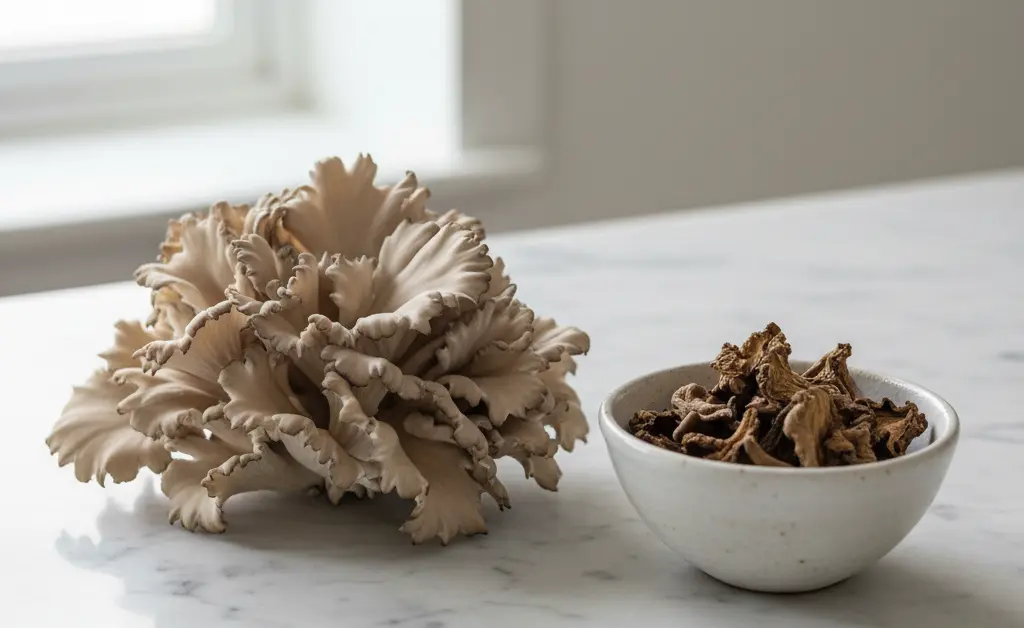
The choice between fresh and dried maitake mushrooms for your risotto depends on availability, desired intensity, and convenience. Fresh maitake offers a more delicate texture and a vibrant, immediate earthy flavor. When selecting fresh maitake, look for firm, clean clusters without signs of sliminess or decay. They should have a pleasant, mild aroma. Fresh maitake excels in dishes where their texture is meant to be a prominent feature, providing a satisfying bite. It’s important to follow safe food handling practices to avoid foodborne illness, as recommended by health authorities like the CDC. Dried maitake, on the other hand, provides a more concentrated flavor profile. The drying process intensifies their umami notes, making them excellent for adding deep savory complexity. Before use, dried maitake must be rehydrated in warm water or broth, and the resulting soaking liquid can be strained and used as an additional flavor booster for your risotto broth. While their texture will be slightly chewier than fresh, their robust flavor can be a significant advantage, especially when fresh maitake is out of season or unavailable.
Preparing Maitake Mushrooms for Your Risotto
Properly Preparing Maitake Mushrooms (Cleaning, Slicing)
Proper preparation of maitake mushrooms is crucial to ensure their best flavor and texture in your risotto. Start by cleaning them gently. Maitake mushrooms are typically grown in controlled environments and may not require extensive washing. Avoid submerging them in water, as they can absorb too much moisture, which can dilute their flavor and make them difficult to brown. Instead, use a soft mushroom brush or a damp cloth to carefully wipe away any visible dirt or debris. Once clean, separate the clusters into individual florets or slices. You can tear larger sections by hand or use a knife to cut them into bite-sized pieces, aiming for relatively uniform sizes to ensure even cooking. These sautéed maitake pieces will form a key textural and flavor component of your delicious maitake mushroom risotto. When prepared correctly, their meaty texture can even be used as a substantial centerpiece, such as in a maitake mushroom burger.
Maitake Mushroom Risotto Recipe: A Step-by-Step Guide
Required Ingredients and Equipment for Maitake Risotto
To embark on crafting a delightful maitake mushroom risotto, gather your core ingredients and essential kitchen tools. Key ingredients typically include a high-quality risotto rice (Arborio or Carnaroli), fresh or rehydrated maitake mushrooms, a flavorful broth (vegetable, mushroom, or chicken broth), finely chopped shallots or onion, minced garlic, dry white wine, unsalted butter, olive oil, and freshly grated Parmigiano-Reggiano cheese. For aromatic enhancements, fresh thyme or parsley are often used, along with salt and freshly ground black pepper to taste. Essential equipment includes a heavy-bottomed pot or Dutch oven, a sturdy wooden spoon for stirring, a ladle for adding broth, and a small saucepan to keep the broth warm.
Choosing the Best Rice Variety (Arborio, Carnaroli)
The foundation of any exceptional risotto lies in the choice of rice. For creamy risotto, Arborio and Carnaroli varieties are paramount due to their high starch content, specifically amylopectin. Arborio rice is widely available and produces a wonderfully creamy texture with a slightly firmer bite. Carnaroli rice, often considered the “king of risotto rice,” has a higher starch content and a firmer grain, making it more forgiving to cook and resulting in an even creamier and more consistent al dente texture. Both varieties release their starch gradually as they cook, creating the characteristic rich and velvety consistency that defines a perfect risotto.
The Role of Toasted Rice and Warm Broth
Two critical steps in achieving a perfect risotto are toasting the rice and using warm broth. Toasted rice is achieved by lightly sautéing the dry rice grains with aromatics like shallots and garlic before adding any liquid. This process helps to seal the outer layer of the rice, allowing it to cook evenly and preventing it from becoming mushy. It also imparts a subtle nutty flavor that enhances the overall depth of the dish. Simultaneously, maintaining a warm broth is essential. Adding cold broth to hot rice will drastically lower the temperature of the pot, halting the cooking process and potentially leading to unevenly cooked or gummy rice. Keeping the vegetable broth, mushroom broth, or chicken broth simmering gently ensures a continuous, even cooking process, allowing the rice to absorb the liquid steadily and release its starches effectively.
Stirring Techniques for Creamy Consistency
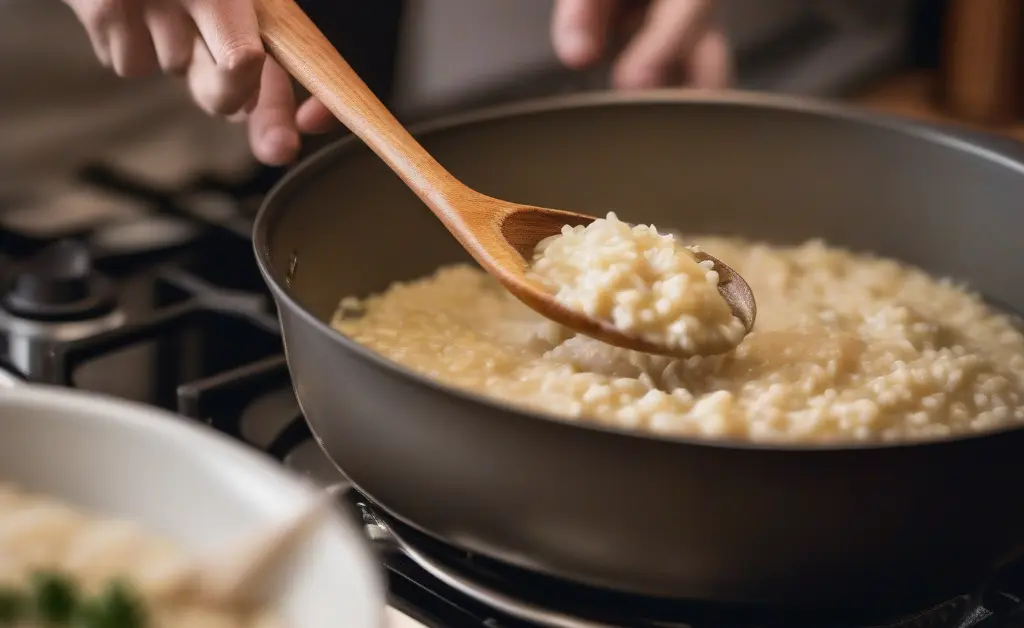
The art of achieving that coveted creamy consistency in risotto relies heavily on consistent and deliberate stirring. As you gradually add warm broth to the toasted rice, stirring gently but continuously helps to abrade the rice grains, encouraging them to release their starches into the cooking liquid. This released starch is what emulsifies with the broth and fats to create the signature velvety texture. While constant stirring is important, avoid overly vigorous stirring, which can break the rice grains. The goal is to ensure the rice cooks evenly, absorbs the liquid, and forms a unified, creamy sauce around individual grains that still retain a slight al dente texture at their core.
Step-by-Step Cooking Instructions for a Perfect Risotto
To prepare a classic maitake mushroom risotto, begin by sautéing your cleaned and sliced maitake mushrooms in olive oil or butter until golden brown and slightly crispy, then set them aside. In the same pot, add more olive oil or butter and gently cook finely diced shallots or onion until softened and translucent, then add minced garlic and cook for another minute until fragrant. Add the risotto rice to the pot and toast it for about two minutes, stirring constantly until the edges of the grains become translucent. Pour in a splash of dry white wine and stir until it’s completely absorbed. Begin adding warm broth, one ladleful at a time, stirring continuously. Wait until each ladleful is almost fully absorbed before adding the next. Continue this process for about 18-20 minutes, or until the rice is creamy yet still firm to the bite (al dente). In the last few minutes of cooking, stir in most of the sautéed maitake mushrooms, a knob of butter, and a generous amount of freshly grated Parmigiano-Reggiano. Stir vigorously for a moment to create a perfectly creamy consistency. This maitake mushroom risotto recipe is designed for ease and flavor.
Flavor Enhancements and Additions (e.g., thyme)
While the earthy flavor of maitake mushrooms and the richness of the rice form a fantastic base, various additions can elevate your risotto. Fresh herbs like thyme or fresh parsley are excellent choices, bringing brightness and aromatic complexity. Thyme, in particular, complements the mushroom’s earthiness beautifully. A grind of fresh black pepper adds a subtle warmth and spice. A squeeze of lemon juice at the very end can cut through the richness and brighten the flavors. For an extra layer of savory depth, a drizzle of high-quality truffle oil or a sprinkle of truffle zest can transform the dish into an even more luxurious experience. These subtle enhancements ensure your maitake mushroom risotto is brimming with nuanced flavors. For those interested in exploring different culinary traditions, a Japanese maitake mushroom recipe might introduce complementary flavors like soy and mirin.
Creative Maitake Risotto Combinations (e.g., with other vegetables)
The versatile nature of maitake mushroom risotto allows for creative combinations to suit various palates and seasons. While delicious on its own, integrating other vegetables can introduce new textures and flavors. Asparagus, peas, or spinach can be added towards the end of the cooking process for a fresh, vibrant contrast. Roasted butternut squash or pumpkin offers a sweet and earthy counterpoint, particularly appealing in autumn. For a heartier meal, consider adding cooked chicken or a vegetarian protein like cannellini beans. A sprinkle of toasted walnuts or hazelnuts can also provide a delightful crunch and nutty flavor, further enhancing the overall sensory experience of your custom risotto. Exploring other maitake mushroom recipes can also inspire new combinations.
Serving Your Maitake Risotto & Storage Tips
Pairing Suggestions for Your Risotto
A well-prepared maitake mushroom risotto is a substantial and flavorful dish that pairs wonderfully with specific accompaniments. For wine, a medium-bodied, earthy red like a Pinot Noir or a light-bodied, crisp white wine such as a dry Sauvignon Blanc or Pinot Grigio can complement its richness without overpowering it. A simple green salad with a light vinaigrette offers a refreshing contrast and helps to cleanse the palate. For a more complete meal, consider serving it alongside a lean protein like pan-seared chicken breast or a delicate grilled white fish. The umami depth of the risotto also pairs well with the bright, herbaceous notes of a pesto-dressed side dish.
Storing and Reheating Leftover Risotto
While risotto is best enjoyed immediately, leftovers can be stored and reheated with proper care. Allow the maitake mushroom risotto to cool completely before transferring it to an airtight container. It can be refrigerated for up to 2-3 days. When reheating, risotto tends to thicken and dry out. To restore its creamy consistency, gently reheat it in a saucepan over low to medium heat, gradually adding small amounts of warm vegetable or chicken broth, or even water, stirring continuously until it reaches your desired texture. Avoid reheating it in the microwave without adding liquid, as this can result in a rubbery texture. A fresh sprinkle of Parmigiano-Reggiano cheese can also help revive its flavor and creaminess.
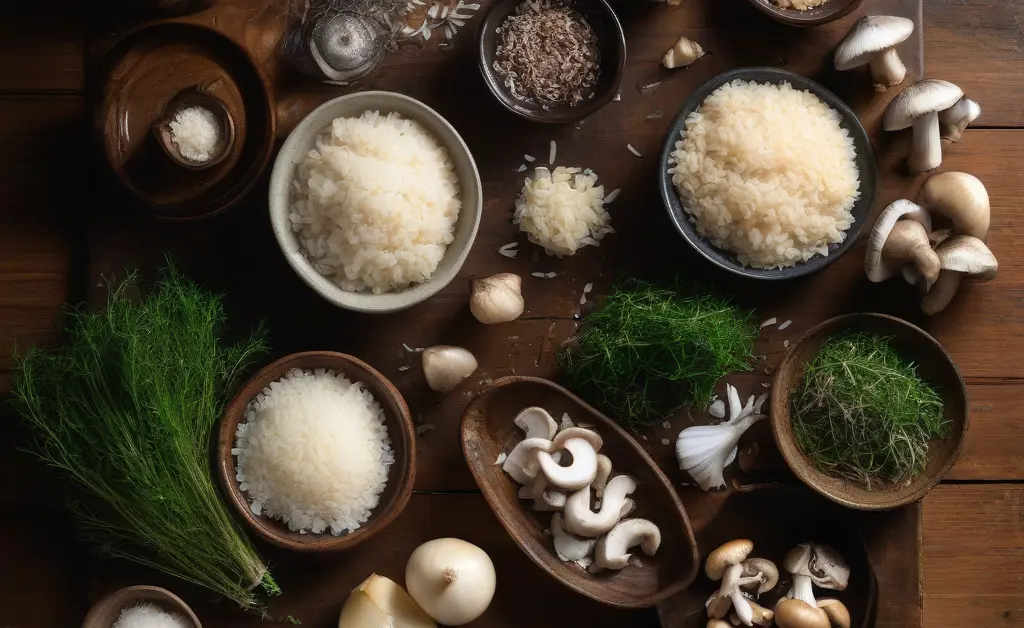
Crafting a maitake mushroom risotto is a rewarding culinary journey that yields a dish of exceptional flavor and comfort. From selecting the finest mushrooms to mastering the rhythmic stirring of the rice, each step contributes to a rich, earthy, and supremely satisfying meal. This classic Italian dish, elevated by the unique character of maitake, promises a delightful experience for any home chef.
The content presented here is not a substitute for professional medical guidance. While many foods, including mushrooms, are recognized for their nutritional value and potential benefits, individual dietary needs and health conditions vary. It is always advisable to consult with a qualified healthcare provider or registered dietitian for personalized advice regarding your diet, health concerns, or before making any significant changes to your nutritional intake. This information is intended for general knowledge and educational purposes only.
FAQ
— What does maitake mushroom risotto taste like?
Maitake mushrooms impart a deep, earthy, and savory flavor with distinct umami notes to the dish. Their texture is firm and almost meaty, which provides a satisfying contrast to the creamy rice. When combined, a classic maitake mushroom risotto offers a rich, complex, and woodsy profile that is both comforting and sophisticated.
— Should maitake mushrooms be washed before cooking?
Because mushrooms are highly porous, they readily absorb water, which can dilute their robust flavor and affect their texture when cooked. For this reason, cleaning them with a soft brush or a damp paper towel is often preferred to preserve their integrity. This gentle approach ensures any debris is removed without making the mushrooms soggy.
— What type of rice is ideal for risotto?
Rice varieties like Arborio, Carnaroli, and Vialone Nano are standard for risotto due to their high starch content. These short-grain rices contain a significant amount of amylopectin, a starch that breaks down and dissolves during the cooking process. As the grains are stirred, this starch is released, creating the signature creamy and velvety sauce that binds the dish together.
— Can dried maitake mushrooms be used in risotto?
Dried maitake mushrooms work beautifully in risotto, offering a more concentrated and intense umami flavor than their fresh counterparts. They simply need to be rehydrated in warm water before being incorporated into the dish. The flavorful soaking liquid can then be strained and used as part of the cooking broth, adding another layer of deep, woodsy essence.
— What is the key to achieving a creamy risotto?
The creaminess in risotto comes from the starch released by the rice grains, not just from adding dairy. Achieving this texture relies on the technique of adding warm broth one ladle at a time and stirring frequently. This constant agitation rubs the starchy outer layers off the rice, which emulsifies with the liquid to create a smooth, velvety sauce.