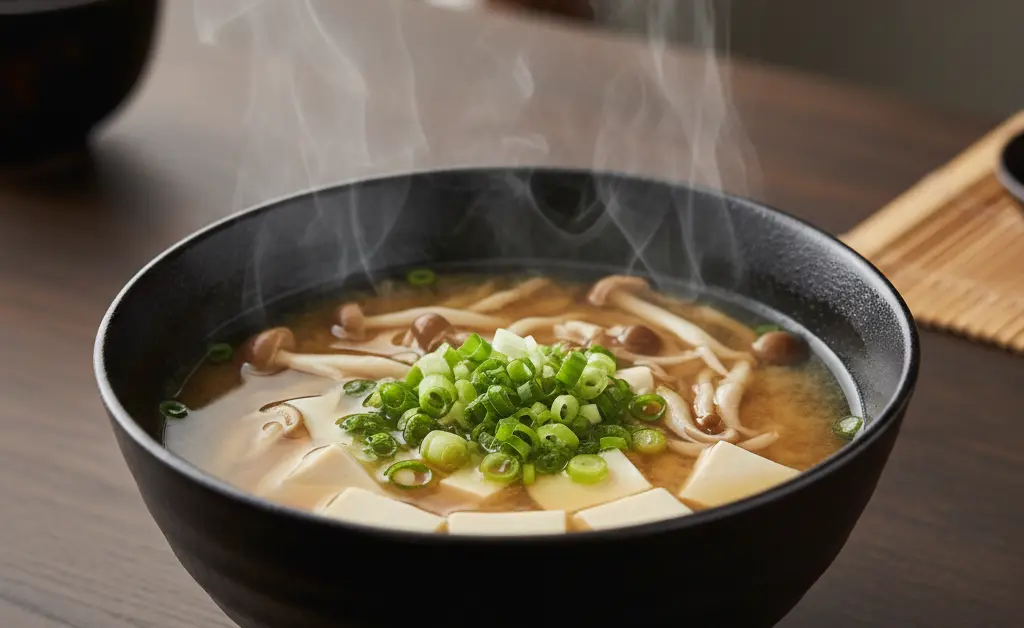
Many home cooks appreciate the simplicity and nourishing qualities of traditional Japanese cuisine. Among its diverse offerings, miso soup stands out as a beloved staple, often customized with various ingredients to suit personal tastes and nutritional needs. While familiar versions might feature tofu and wakame, incorporating unique fungi can elevate both its flavor and health benefits. This guide explores how to prepare a delightful maitake mushroom miso soup, combining the earthy depth of maitake mushrooms with the comforting warmth of a savory broth. This particular rendition offers a robust umami profile and a satisfying texture, making it an excellent choice for a light lunch or a complementary starter to any meal. It’s a testament to how subtle additions can transform a classic into something truly special and nourishing.
Maitake Mushroom Miso Soup Recipe: A Healthy & Delicious Bowl
Preparing a flavorful and nutritious maitake mushroom miso soup is a rewarding experience that brings together simple ingredients to create a complex and satisfying dish. This traditional Japanese soup, elevated by the distinct qualities of maitake, offers a bowl that is both comforting and potentially beneficial for overall well-being. Scientific literature, available on databases like PubMed, often explores the nutritional properties of fungi like maitake. Its inherent versatility means it can be adapted to various dietary preferences, ensuring it remains a staple in many kitchens.
Packed with Earthy and Nutty Flavors
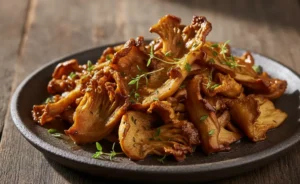
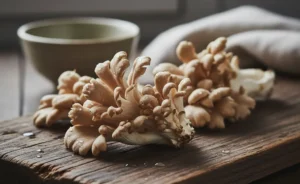
Maitake mushrooms, also known as “Hen of the Woods,” are renowned for their unique texture and profound flavor profile. When incorporated into miso soup, they impart a distinct earthy essence with subtle nutty undertones, enriching the overall taste experience. These qualities harmonize beautifully with the savory depth of miso paste, creating a robust umami flavor that can elevate a simple broth into an extraordinary culinary delight. The tender yet slightly firm texture of the maitake also adds an enjoyable chewiness to each spoonful. This unique texture also makes it a great candidate for dehydration, as seen in a maitake mushroom jerky recipe.
A Simple and Quick Umami-Rich Meal
Despite its sophisticated flavor, a maitake mushroom miso soup is remarkably simple and quick to prepare. It leverages the inherent umami of dashi broth and fermented miso paste, meaning extensive cooking or numerous ingredients are not required to achieve a deeply satisfying taste. This makes it an ideal option for a light lunch, a nourishing breakfast, or a starter course, providing a comforting and wholesome meal that can be ready in a relatively short amount of time, perfect for busy schedules. While excellent in soups, it can also be prepared as a crispy fried maitake mushroom for a different textural experience.
Essential Ingredients for Your Maitake Miso Soup
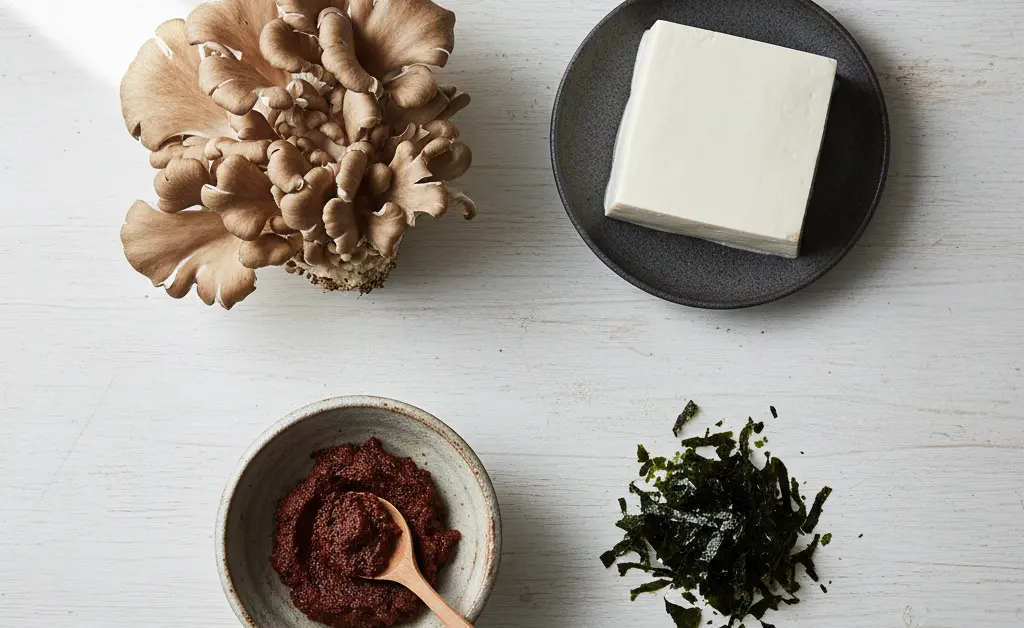
Crafting an authentic and delicious maitake mushroom miso soup begins with selecting high-quality ingredients. Each component plays a vital role in building the layered flavors that define this cherished Japanese dish, from the foundational broth to the star mushrooms and accompanying garnishes. Understanding the purpose of each ingredient helps ensure a balanced and rich final product.
The Dashi or Broth Base
The soul of any miso soup is its dashi, a clear and savory broth that provides the foundational umami flavor. Traditional dashi is often made from kombu (dried kelp) and katsuobushi (dried bonito flakes), which are steeped to extract their delicate yet profound essences. For a plant-based option, dashi can be prepared solely with kombu, sometimes with the addition of dried shiitake mushrooms, offering a rich and savory base without animal products. A well-prepared dashi sets the stage for the distinctive flavors of your maitake mushroom miso soup.
Choosing Your Maitake Mushrooms
When selecting maitake mushrooms for your soup, look for clusters that appear firm, fresh, and free from any significant bruising or sliminess. Their feathery, overlapping caps are characteristic, and they should have a pleasant, mild aroma. To prepare them, gently brush off any dirt or debris; washing with water should be done sparingly to preserve their texture and flavor. Maitake are celebrated for their adaptability in cooking and readily absorb the savory notes of the broth, contributing significantly to the overall depth of the soup. Their meaty structure makes them a popular substitute in various dishes, including a plant-based version of maitake mushroom fried chicken.
Selecting the Right Miso Paste
Miso paste, a fermented soybean paste, is crucial for both flavor and texture in miso soup. There are several types, each offering a distinct flavor profile:
| Miso Type | Characteristics | Flavor Profile |
|---|---|---|
| Shiro Miso (White Miso) | Lighter in color, shorter fermentation | Sweet, mild, slightly savory |
| Aka Miso (Red Miso) | Darker in color, longer fermentation | Robust, salty, deeply savory |
| Awase Miso (Mixed Miso) | Blend of white and red miso | Balanced, versatile, harmonious |
For a maitake mushroom miso soup, many prefer an awase miso for its balanced profile, though shiro miso can offer a milder, sweeter counterpoint to the earthy mushrooms, and aka miso provides a more assertive, deeply savory experience.
Essential Add-ins: Tofu and Scallions
Beyond the primary ingredients, tofu and scallions are classic additions that complete a traditional miso soup. Silken or firm tofu, cut into small cubes, adds a soft texture and a source of plant-based protein, absorbing the flavors of the broth beautifully. Thinly sliced scallions (green onions) are typically added just before serving, providing a fresh, pungent garnish that brightens the soup with a touch of color and a subtle oniony zest. Other traditional add-ins like rehydrated wakame seaweed can also enhance the maritime flavor and add further nutritional elements.
Step-by-Step Cooking Instructions
Preparing a delicious maitake mushroom miso soup involves a few straightforward steps, ensuring each ingredient is integrated thoughtfully to achieve the optimal flavor and consistency. Precision in each stage helps to unlock the full potential of the ingredients, from the initial preparation to the final serving.
Preparing the Mushrooms and Other Ingredients
Begin by gently cleaning your maitake mushrooms to remove any dirt, then tear or slice them into bite-sized pieces. If using tofu, drain it well and cut it into small, uniform cubes. Slice your scallions finely, separating the white and green parts if desired. If including other vegetables like wakame, ensure it is rehydrated according to package instructions and then cut into smaller pieces. Having all your ingredients prepped and ready before you start cooking streamlines the process significantly.
Simmering the Broth
Next, bring your dashi broth to a gentle simmer in a pot over medium heat. It is important not to bring the dashi to a rolling boil, as this can negatively impact its delicate flavor. Once simmering, add your prepared maitake mushrooms to the broth. Allow them to cook gently until they are tender, which typically takes only a few minutes. You can also add other robust vegetables at this stage if you are including them.
How to Properly Dissolve the Miso
This step is crucial for maintaining the delicate flavor and probiotic benefits of the miso. Remove a small amount of the hot broth into a separate bowl. Add your chosen miso paste to this small amount of broth and whisk it thoroughly until it is completely smooth and dissolved. Once dissolved, slowly stir the miso mixture back into the main pot of simmering broth. It is vital to avoid boiling the soup after the miso has been added, as high heat can destroy the beneficial enzymes and diminish the nuanced flavor of the miso.
Combining and Serving
After the miso has been incorporated, add the tofu cubes to the soup and allow them to warm through for a minute or two. Do not let the soup boil. Taste and adjust the seasoning if necessary; remember that miso is naturally salty. Ladle the maitake mushroom miso soup into individual serving bowls. Garnish generously with the fresh scallions and serve immediately. This ensures you enjoy the soup at its best, with the vibrant flavors and comforting warmth perfectly balanced.
Tips, Variations, and Serving Suggestions
While a classic maitake mushroom miso soup is delightful on its own, understanding how to pair it with other dishes, incorporate variations, and handle leftovers can enhance your overall culinary experience. These insights allow for greater flexibility and enjoyment of this versatile Japanese staple.
What to Serve with Your Miso Soup
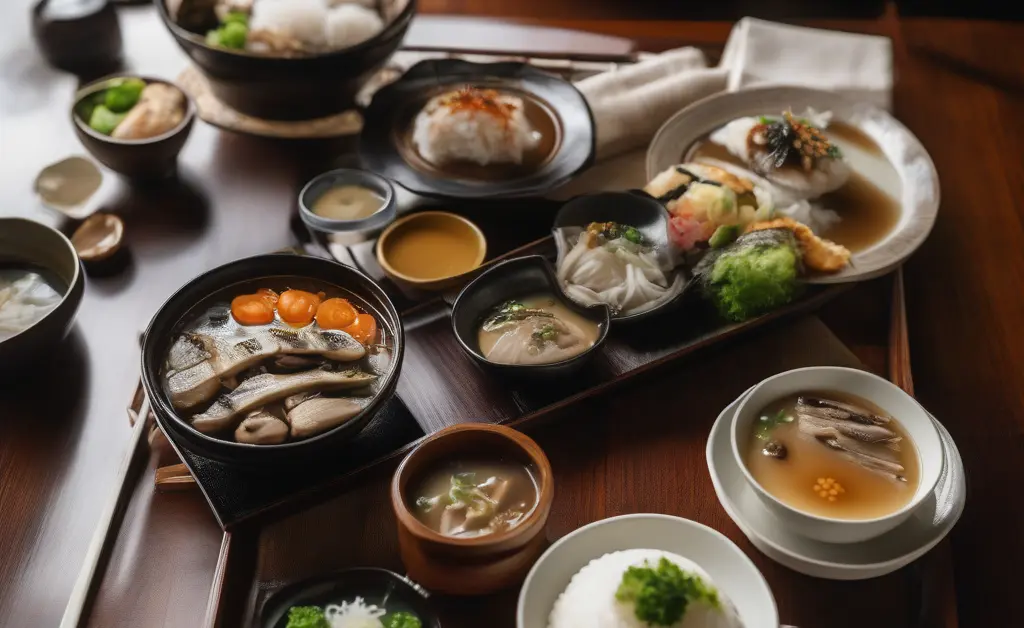
Miso soup is a traditional accompaniment to virtually any Japanese meal. It pairs wonderfully with a bowl of steamed white rice, grilled fish such as salmon or mackerel, or a variety of sushi and sashimi. For a more substantial meal, consider serving it alongside a stir-fry, tempura, or even simple pickles. The warm, savory, and umami-rich flavors of the maitake mushroom miso soup act as a perfect palate cleanser and complement heavier dishes.
Optional Add-ins and Toppings
The beauty of miso soup lies in its adaptability. Beyond tofu and scallions, consider enhancing your soup with various other ingredients. Thinly sliced shiitake mushrooms can add another layer of mushroom flavor, while spinach or Napa cabbage can boost its vegetable content. A touch of grated ginger may add a subtle zest, and a few drops of sesame oil just before serving can impart a nutty aroma. For those who enjoy a little heat, a sprinkle of shichimi togarashi (Japanese seven-spice blend) makes an excellent topping. Exploring various maitake mushroom recipes can also inspire new combinations and flavor profiles.
How to Store and Reheat Leftovers
Leftover maitake mushroom miso soup can be stored in an airtight container in the refrigerator. While it is best enjoyed fresh, it can typically be kept for a couple of days. When reheating, gently warm the soup on the stovetop over low heat, being careful not to bring it to a boil, as this can affect the flavor and beneficial properties of the miso. If you plan to make a large batch, you might consider storing the dissolved miso separately and adding it to individual portions as you reheat, to preserve its freshness and integrity.
Vegan Maitake Miso Soup: A Plant-Based Delight
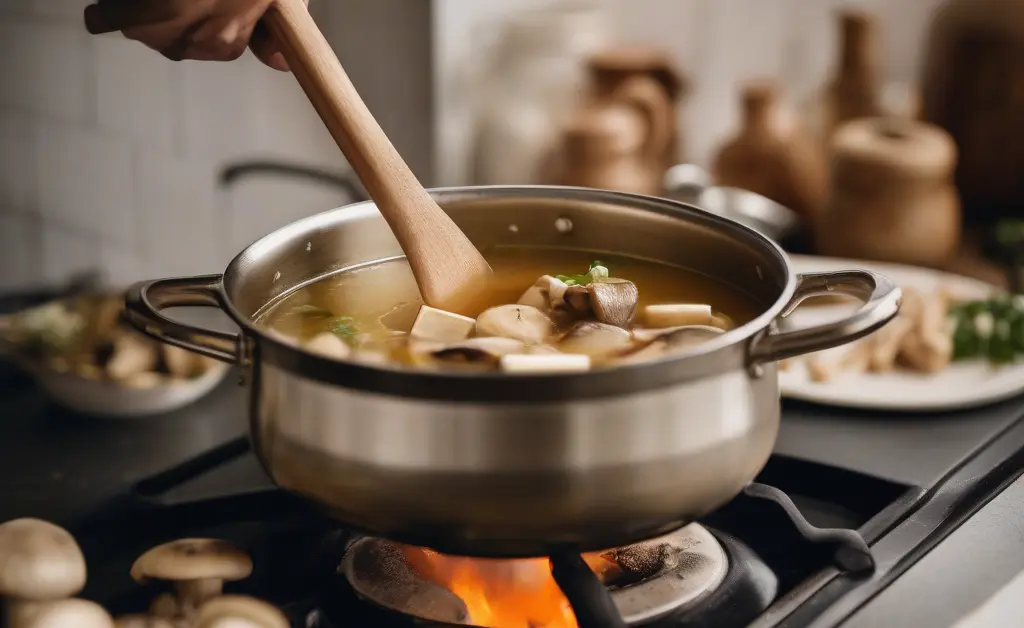
Creating a vegan maitake mushroom miso soup is a simple and satisfying way to enjoy this comforting dish while adhering to plant-based dietary preferences. The core components of miso soup naturally lend themselves well to a vegan preparation, requiring only mindful selection of certain ingredients to ensure no animal products are used.
The primary adjustment for a vegan version is the dashi broth. Instead of using katsuobushi (bonito flakes), which are fish-based, a robust and flavorful plant-based dashi can be made by simply steeping kombu (dried kelp) in hot water. For added depth and umami, incorporating dried shiitake mushrooms into the dashi preparation is highly recommended. These provide a rich, savory base that perfectly complements the earthy notes of the maitake mushrooms.
When selecting miso paste, most varieties are naturally vegan, as they are made from fermented soybeans. However, it is always wise to quickly check labels to ensure no unexpected non-vegan ingredients have been added. Tofu is inherently a plant-based protein, making it an ideal inclusion, and many common vegetable additions such as wakame, spinach, and scallions are also vegan. This thoughtful approach ensures that a vegan maitake mushroom miso soup remains a hearty, nourishing, and deeply satisfying option for all.
The journey through preparing a comforting bowl of maitake mushroom miso soup reveals its unique blend of simplicity, profound flavor, and potential health benefits. By carefully selecting ingredients and following thoughtful preparation methods, one can create a truly exceptional dish that satisfies the palate and nourishes the body. This particular rendition, with its rich umami and tender maitake, stands as a testament to the timeless appeal of Japanese cuisine, inviting a deeper appreciation for wholesome ingredients and traditional culinary practices in every spoonful of maitake mushroom miso soup.
This information is provided for educational purposes only. It is not intended to be a substitute for professional medical advice, diagnosis, or treatment. Always seek the advice of your physician or other qualified health provider with any questions you may have regarding a medical condition or before making any changes to your diet or health regimen. Reliance on any information provided here is solely at your own risk.
FAQ
— What does maitake mushroom taste like in soup?
Maitake mushrooms bring a rich, earthy, and savory flavor to soups, complemented by a distinct peppery finish. They have a firm yet delicate texture that holds up well during cooking. Their unique frilly structure allows them to soak up the surrounding broth, enhancing the overall umami profile of the dish.
— Do you need to cook maitake mushrooms before adding them to soup?
Pre-cooking maitake mushrooms by sautéing or roasting them helps to develop their deep, savory flavors. This step releases moisture and concentrates the mushroom’s natural character, creating a more robust texture. This enhanced flavor then infuses beautifully into the soup broth.
— What kind of miso is best for mushroom soup?
The type of miso used influences the soup’s final flavor profile, from mild to robust. White miso provides a gentler, slightly sweet background, while red miso offers a much deeper, saltier, and more assertive umami flavor. Selecting a miso is about balancing its intensity with the earthy notes of the mushrooms.
— Can you add other vegetables to maitake miso soup?
A classic maitake mushroom miso soup serves as an excellent base for a variety of other ingredients. Root vegetables like carrots or daikon can add a subtle sweetness and heartiness when simmered in the broth. Leafy greens such as spinach or bok choy can be added near the end of cooking for color and texture.
— Why is it important not to boil miso paste in the soup?
Miso paste is a fermented food that contains beneficial live cultures and delicate aromatic compounds. Exposing it to boiling temperatures can damage these sensitive components, diminishing its nuanced aroma and flavor profile. For this reason, miso is typically whisked into the soup off the heat just before serving to preserve its integrity.