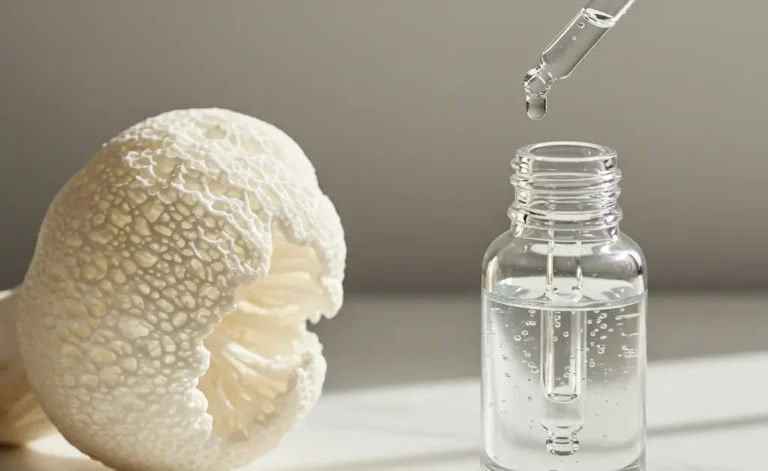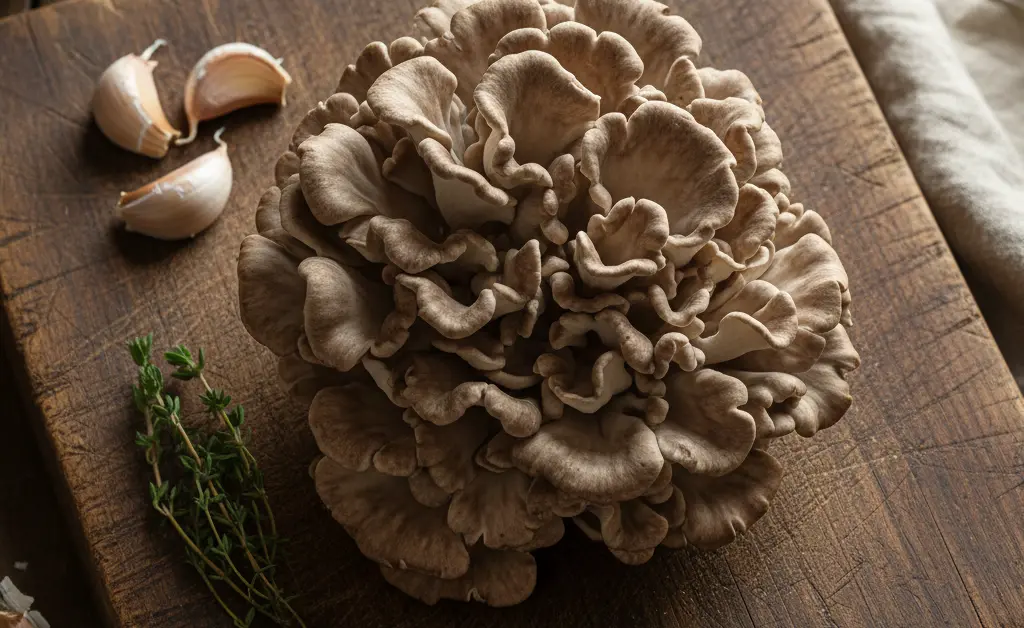
As culinary trends increasingly emphasize both healthful ingredients and gourmet flavors, the maitake mushroom, also known as Hen of the Woods, has emerged as a star. Once a niche item, its unique earthy taste, delicate texture, and purported health benefits have propelled it into mainstream kitchens and restaurant menus alike. This growing popularity reflects a broader consumer interest in diverse, natural food sources that offer both sensory pleasure and nutritional value. For those looking to incorporate this versatile fungus into their diet, understanding how to cook maitake mushroom is essential to unlock its full potential. This guide will explore various techniques, from simple sautéing to more elaborate preparations, ensuring delicious results every time.
Preparing Maitake (Hen of the Woods) for Cooking
Before diving into various cooking methods, proper preparation of maitake mushrooms is key to ensuring their unique flavor and texture shine through. Maitake, or Hen of the Woods, typically grows in clusters, and its fronds can trap debris. Rather than washing, which can make them absorb excess water and hinder browning, it’s generally recommended to clean them with a soft brush or a damp cloth to remove any visible dirt or forest debris. Gently separate the individual fronds or break the cluster into smaller, manageable pieces by hand. The stem can be tough at the very base, so trim and discard any overly woody parts, but the rest of the stem and fronds are edible and delicious. This careful cleaning preserves their delicate structure and concentrated earthy flavor.
How to Cook Maitake Mushrooms
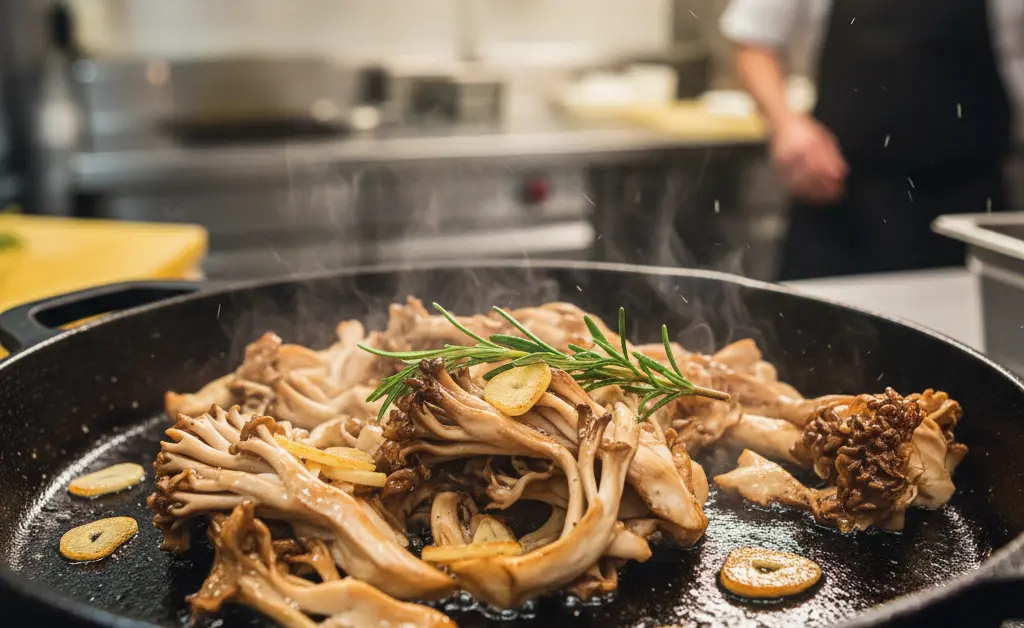
Maitake mushrooms are remarkably versatile, lending themselves to a wide array of cooking applications that bring out their distinct umami and woodsy notes. The best approach often depends on the desired texture and the overall dish you are preparing. Whether you seek a crispy exterior, a tender chew, or a rich, savory addition to a broth, understanding the fundamental techniques will guide you. From quick pan-searing to slow simmering, each method offers a different way to experience this prized foraged mushroom. While exploring these cooking methods, it’s useful to remember that mushrooms are a valuable part of a balanced diet, and for credible health guidance, sources like the NHS offer comprehensive information. Knowing how to cook maitake mushroom effectively allows you to truly appreciate its depth of flavor and unique meaty texture, making it a standout ingredient in any meal.
Sautéing Maitake Mushrooms
How to Sauté Maitake Mushrooms
Sautéing is one of the quickest and most popular methods for cooking maitake mushrooms, as it effectively caramelizes their surfaces and enhances their inherent flavors. To begin, ensure your maitake fronds are cleaned and broken into roughly even-sized pieces. Heat a skillet, preferably a cast iron or heavy-bottomed pan, over medium-high heat. Add a generous amount of fat—such as olive oil or butter, or a combination—until shimmering. Add the maitake in a single layer, ensuring not to overcrowd the pan, which can lead to steaming rather than browning. Cook undisturbed for several minutes until one side is golden brown and crispy, then flip and cook the other side. Season simply with salt and black pepper, or add aromatics like minced garlic or shallots during the final minutes of cooking.
Stir-Fried Maitake Mushrooms with Garlic and Chile Oil
For a quick and flavorful dish, stir-frying maitake mushrooms is an excellent choice, particularly when aiming for a Maitake mushroom recipe Japanese or Asian-inspired profile. After preparing your maitake fronds, heat a wok or large skillet over high heat with a touch of neutral oil. Add the maitake and stir-fry rapidly until they begin to soften and develop a slight char. Introduce minced garlic, a hint of fresh ginger, and a dash of chile oil for a vibrant kick. A splash of soy sauce or tamari can add depth and umami. The intense heat ensures a tender yet firm texture, making this a simple maitake mushroom recipe that works beautifully as a side dish or a topping for rice or noodles.
Tips for Pan-Searing Maitake
- Don’t Overcrowd the Pan: For crispy results, cook maitake in batches if necessary. Overcrowding lowers the pan temperature and causes the mushrooms to steam instead of sear.
- High Heat is Key: Start with medium-high to high heat to encourage browning and a crispy exterior.
- Use Enough Fat: Olive oil, butter, or a combination works well. The fat helps conduct heat and contributes to flavor and crispiness.
- Resist the Urge to Stir: Allow the mushrooms to cook undisturbed for several minutes on each side to develop a deep golden crust.
- Season Simply: Salt and black pepper are often all that’s needed to let the mushroom’s natural umami shine.
Roasting Maitake Mushrooms
How to Roast Maitake Mushrooms
Roasting is another fantastic method to bring out the earthy flavor and achieve a pleasing texture in maitake mushrooms. Begin by preheating your oven to a moderately high temperature. Clean the maitake and break it into large, even-sized fronds. Toss the mushroom pieces with a light coating of olive oil, ensuring each piece is lightly coated but not drenched, which could prevent crisping. Spread the seasoned maitake in a single layer on a baking sheet. Roast for a period, turning halfway through, until the edges are golden brown and slightly crispy, and the interior is tender. Roasting concentrates their flavor, making them an excellent side dish or addition to salads and grain bowls.
Roasted Maitake Mushrooms with Garlic & Herbs
Elevate roasted maitake by infusing them with aromatic garlic and fresh herbs. After tossing the maitake fronds with olive oil, add minced garlic and finely chopped fresh herbs such as thyme, rosemary, or parsley. A squeeze of lemon juice after roasting can brighten the flavors. The herbs release their essential oils during the roasting process, permeating the mushrooms with a fragrant complexity that complements their natural woodsy notes. This preparation transforms the simple maitake into a gourmet side dish that pairs wonderfully with grilled meats, pasta, or as part of a vegetarian entrée. For example, incorporating them into a creamy maitake mushroom risotto is another excellent way to showcase their flavor.
Crispy Roasted Maitake Mushrooms
Achieving crispy roasted maitake mushrooms is a delightful experience, offering a texture akin to savory “mushroom bacon.” The key lies in maintaining a single layer on the baking sheet and ensuring adequate air circulation. Use a higher oven temperature and avoid overcrowding the pan. For extra crispiness, you can lightly dust the mushrooms with a small amount of cornstarch before tossing with oil and seasoning. Roast until the fronds are deeply golden brown and audibly crispy when pressed. These crispy morsels are excellent as a topping for sandwiches, salads, or as a standalone snack. They are also a fantastic addition to a gourmet maitake mushroom pizza, providing a meaty texture and earthy flavor.
Frying Maitake Mushrooms
How to Air Fry Maitake
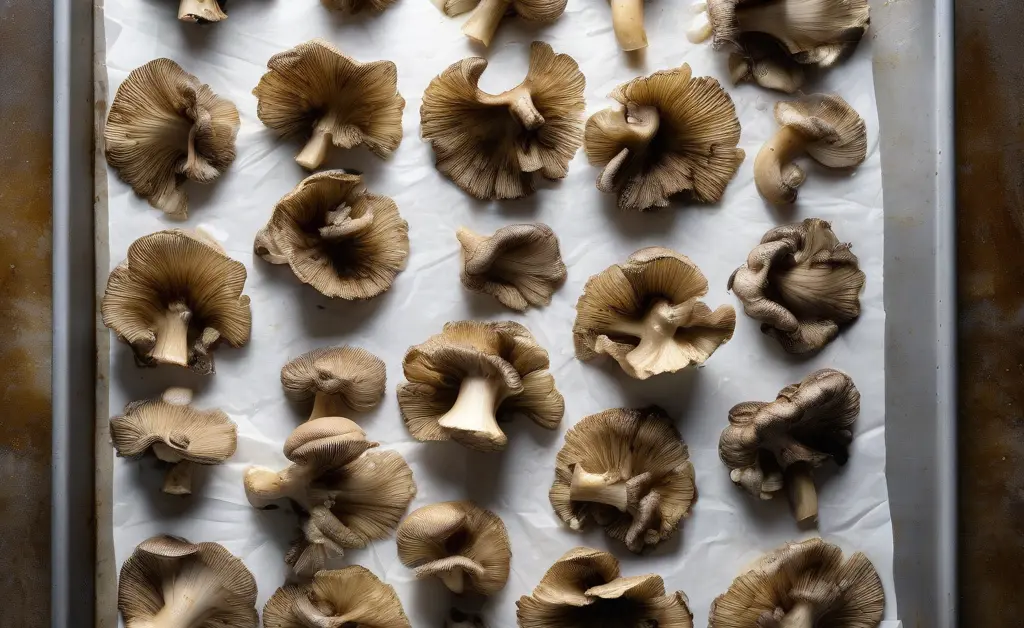
Air frying offers a convenient and less oily method to achieve beautifully crispy maitake mushrooms. After cleaning and separating the maitake fronds, lightly toss them with a small amount of olive oil and your preferred seasonings, such as salt, pepper, and perhaps a pinch of paprika or garlic powder. Arrange the seasoned maitake in a single layer in your air fryer basket, ensuring not to overcrowd it. Air fry at a medium-high temperature for a short duration, shaking the basket halfway through, until the mushrooms are golden brown and wonderfully crispy. This method is quick, efficient, and yields a delightful texture, making it a simple maitake mushroom recipe for a quick snack or side.
Achieving Crispy Maitake Mushrooms
The pursuit of crispy maitake mushrooms is a common goal among cooks, as the crunch adds an appealing textural contrast and enhances their umami profile. Whether you choose to pan-sear, roast, or air fry, several principles apply. First, ensure the mushrooms are as dry as possible before cooking; excess moisture will lead to steaming instead of browning. Second, use sufficient heat and fat; high heat promotes caramelization, and fat helps transfer that heat efficiently. Third, give the mushrooms space; overcrowding leads to steam, while a single layer allows for even heat distribution and crisping. Finally, patience is key; allow them to cook undisturbed on one side until deeply golden before flipping or stirring. These steps collectively contribute to that coveted crispy texture.
Grilling Maitake Mushrooms
Step-by-Step Grilling Technique
Grilling maitake mushrooms imparts a unique smoky flavor and an appealing charred texture that complements their earthy notes. This is an excellent way to prepare larger clusters or thick slices.
- Prepare the Mushrooms: Clean the maitake clusters thoroughly and either leave them whole if they are manageable or break them into large, substantial pieces.
- Season Generously: Toss the maitake with olive oil, salt, and black pepper. You can also add a touch of smoked paprika or garlic powder for extra flavor.
- Preheat the Grill: Heat your grill to a medium-high temperature. For best results, use a grill basket or skewers for smaller pieces to prevent them from falling through the grates.
- Grill Directly: Place the seasoned maitake directly on the preheated grates or in a grill basket. Cook for several minutes per side, turning occasionally, until they develop distinct grill marks and are tender with slightly crispy edges.
- Serve Immediately: Grilled maitake are best enjoyed fresh off the grill, perhaps with a squeeze of lemon juice or a sprinkle of fresh parsley.
Using Maitake in Soups and Stews
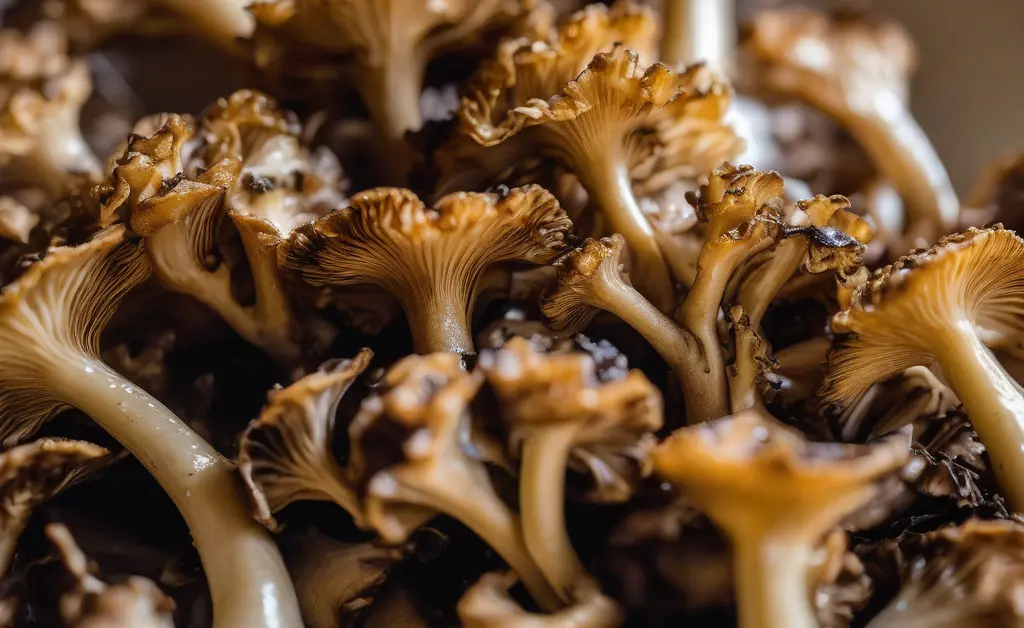
Beyond crispy preparations, maitake mushrooms excel when incorporated into comforting soups and hearty stews. Their robust, woodsy flavor and meaty texture hold up well to longer cooking times, enriching broths and adding a substantial element to liquid-based dishes. When using them in soups, you can either add the cleaned maitake fronds directly to the simmering broth, allowing them to soften and release their umami into the liquid, or you can sauté them first to develop some browning before adding to the pot. This dual approach helps to deepen the overall flavor profile. Maitake can transform a simple vegetable broth into a gourmet experience, making it a popular choice for adding depth to miso soup, ramen, or a rich beef stew. A classic example is a savory maitake mushroom miso soup, where the fungi’s umami complements the fermented soybean paste perfectly. Understanding how to cook maitake mushroom in these applications unlocks a different dimension of its culinary potential.
The maitake mushroom stands out as a culinary treasure, offering a unique blend of earthy flavor, umami depth, and a versatile texture that adapts to a myriad of cooking methods. From the satisfying crunch of a pan-seared frond to the tender richness it imparts to a savory stew, this “Hen of the Woods” enriches any dish it graces. Mastering the various techniques explored in this guide ensures that you can confidently bring out its best qualities, whether you are aiming for a simple side dish or a gourmet centerpiece. With these insights, you now have the tools to expertly cook maitake mushroom and integrate its exceptional character into your everyday meals.
The information in this article is intended for knowledge purposes only. It is not a substitute for professional medical advice, diagnosis, or treatment. Always seek the advice of your physician or other qualified health provider with any questions you may have regarding a medical condition. Never disregard professional medical advice or delay in seeking it because of something you have read in this article.
FAQ
— What is the best way to cook maitake mushrooms?
Roasting or pan-searing maitake highlights its rich, umami flavor and creates a wonderful texture. High heat helps evaporate water quickly, which concentrates their taste and allows the edges to get deliciously browned and crisp. This approach contrasts the tender, meaty core with the delicate, fan-like fronds.
— How do you get maitake mushrooms crispy?
Achieving a crispy texture involves cooking maitake in a single layer over high heat, which allows moisture to escape rapidly rather than steam the mushroom. Tearing the mushroom into smaller clusters instead of slicing increases the surface area for browning and crisping. Using a hot pan with sufficient fat and avoiding overcrowding are key principles for promoting this desirable texture.
— What is the texture of cooked maitake mushroom like?
Cooked maitake offers a uniquely complex texture, combining a firm, succulent, and almost meaty core with delicate, feathery fronds. Depending on the preparation, the frilly edges can become wonderfully crispy and light, providing a pleasant contrast to the tender base.
— How do you know when maitake mushrooms are fully cooked?
Maitake mushrooms are generally considered cooked when they have released their moisture, shrunk in size, and developed a deep golden-brown color. The frilly tips will appear visibly crisped and dry, while the thicker core will feel tender when pierced. A rich, savory aroma is also a reliable indicator that they are ready.
— Why are maitake mushrooms called ‘Hen of the Woods’?
The name ‘Hen of the Woods’ comes from the mushroom’s appearance, as its large, ruffled, and layered cluster resembles the fluffed tail feathers of a nesting hen. This descriptive name helps foragers identify the fungus, which typically grows in a feathery clump at the base of oak trees. Beyond identification and questions about how to cook maitake mushroom, its unique form contributes to its sought-after culinary texture.
— Can you cook maitake mushrooms from frozen?
Cooking maitake directly from a frozen state is entirely possible and often preferred to thawing them first. Placing the frozen pieces directly into a hot pan helps the ice turn to steam and evaporate quickly, preventing the mushroom from becoming waterlogged and mushy. This method helps preserve a firm texture that would be lost if the mushroom were allowed to thaw and release its water content slowly.