

Navigating dietary choices during pregnancy is a critical aspect of maternal health, prompting expectant mothers to carefully evaluate every food and supplement for its potential impact. The maitake mushroom, celebrated for its unique flavor and purported health benefits, often raises questions regarding its suitability during this sensitive period. While general consumption of culinary mushrooms is typically considered safe, specific concerns arise when considering a particular fungi like maitake mushroom while pregnant. This article aims to provide a comprehensive overview of the current understanding, scientific evidence, and expert recommendations concerning the consumption of maitake mushrooms during pregnancy, helping individuals make informed decisions in consultation with their healthcare providers.
Maitake Mushroom While Pregnant: Safety & Considerations
The consumption of maitake mushroom while pregnant is a topic that requires careful consideration due to the unique physiological changes and vulnerabilities during gestation. While maitake mushrooms (Grifola frondosa), also known as “hen of the woods,” are valued for their nutritional content and potential immune-modulating properties in the general population, specific research on their safety during pregnancy is notably limited. Expecting mothers are often advised to exercise the precautionary principle, meaning that without clear evidence of safety, it is generally prudent to approach new foods or supplements with caution. The focus shifts to ensuring no potential harm to either the mother or the developing fetus, and this necessitates a thorough understanding of all available, albeit scarce, information.
Maitake mushroom while pregnant first trimester
The first trimester is a critical period of fetal organ development, making it a time of heightened sensitivity to external factors, including diet. During these initial weeks, the foundations for all major organ systems are laid, and exposure to substances that might disrupt this delicate process is a significant concern. Due to the lack of specific human studies on maitake mushroom consumption during the first trimester, healthcare providers typically recommend erring on the side of caution. Any potential effects, even minor ones, on early fetal development are largely unknown, leading many to suggest avoiding maitake or any new functional food in concentrated forms during this sensitive stage.
Maitake mushroom while pregnant second trimester
As pregnancy progresses into the second trimester, some of the initial developmental hurdles have been cleared, and the risk of major congenital anomalies from external exposures generally decreases compared to the first trimester. However, rapid fetal growth and maturation of various systems continue. While the urgency of avoiding certain substances might lessen slightly, the absence of dedicated research on maitake mushroom while pregnant in the second trimester still warrants a cautious approach. The body continues to adapt, and the fetus is still highly dependent on maternal intake, making informed decisions crucial even in this stage.
Maitake mushroom while pregnant third trimester
In the third trimester, the fetus is growing rapidly in preparation for birth, and maternal systems are under increased demand. While some aspects of dietary intake might be less critical than in the first trimester, considerations such as potential effects on maternal blood pressure, blood sugar regulation, or digestive comfort become more relevant. Maitake mushrooms are sometimes noted for their potential impact on blood glucose levels. Without specific data confirming safety or discussing potential effects on labor or delivery, pregnant individuals in their third trimester are advised to continue exercising prudence regarding maitake mushroom consumption. Always consult a healthcare provider for personalized advice.
Consulting Your Healthcare Provider About Maitake

Given the nuanced nature of dietary choices during pregnancy, consulting a healthcare provider is an indispensable step when considering the consumption of maitake mushroom while pregnant. Each pregnancy is unique, influenced by individual health conditions, existing medications, and specific risk factors. They can review your current medications to avoid potential maitake mushroom drug interactions. A doctor or registered dietitian specializing in prenatal care can offer personalized guidance based on a comprehensive understanding of your medical history and current health status. They can discuss the potential benefits and theoretical risks, weigh them against the lack of specific safety data, and help you make an informed decision that prioritizes both maternal and fetal well-being. This proactive discussion is crucial, especially before introducing any functional foods or supplements into your regimen.
Scientific Research and Current Knowledge Gaps
Maitake mushrooms have been the subject of various scientific studies exploring their potential health benefits, primarily in non-pregnant populations. Research has focused on compounds such as beta-glucans, which are thought to support immune function, and other constituents that may influence metabolic health. Many of these studies are indexed in databases like the National Library of Medicine. However, when it comes to the specific context of maitake mushroom while pregnant, there is a significant void in scientific literature. The existing body of evidence does not provide comprehensive data to confidently assert the safety or identify specific risks associated with its consumption during human gestation. This knowledge gap underscores the need for a cautious approach, leaning on professional medical advice rather than general assumptions.
Current State of Scientific Research on Maitake and Pregnancy
Currently, scientific research specifically investigating the effects of maitake mushrooms on human pregnancy outcomes is extremely limited, if not entirely absent. Most studies on maitake’s biological activities have been conducted in vitro (in lab dishes), on animal models, or in non-pregnant human adults. While these studies may highlight general properties of the mushroom, their findings cannot be directly extrapolated to pregnant individuals due to fundamental physiological differences and the unique sensitivities of fetal development. There are no large-scale clinical trials or epidemiological studies that have assessed the safety of maitake mushroom consumption throughout the different trimesters of pregnancy. This lack of direct evidence means that any recommendation must be made with an abundance of caution.
Why Reliable Scientific Information is Lacking
The scarcity of reliable scientific information regarding maitake mushrooms and pregnancy is largely due to ethical and practical challenges inherent in conducting research on pregnant populations. Clinical trials involving pregnant women often face stringent ethical guidelines to protect both the mother and the developing fetus, making it difficult to conduct studies on new or unproven substances. Furthermore, the complexities of pregnancy, including hormonal changes and individual variability, make it challenging to isolate the effects of a single dietary component. Researchers often rely on observational studies or animal models, which provide preliminary insights but are not definitive for human safety during pregnancy. This leads to a situation where a precautionary approach becomes paramount, as the absence of evidence of harm does not equate to evidence of safety.
Potential Side Effects and Precautions for Maitake

While generally well-tolerated in the broader population, maitake mushrooms, like any functional food or supplement, carry potential side effects and necessitate certain precautions. Some individuals may experience mild gastrointestinal upset, such as bloating or diarrhea, particularly with higher doses. Allergic reactions, though rare, are also possible. Of particular relevance, maitake is sometimes studied for its potential to affect blood sugar levels, which could be a concern for individuals with gestational diabetes or those prone to hypoglycemia. Given these known effects in non-pregnant individuals, and the increased physiological demands of gestation, exercising caution regarding maitake mushroom while pregnant is strongly advised. Any existing health conditions or medications should be discussed with a healthcare provider before considering consumption.
Culinary vs. Supplemental Maitake During Pregnancy
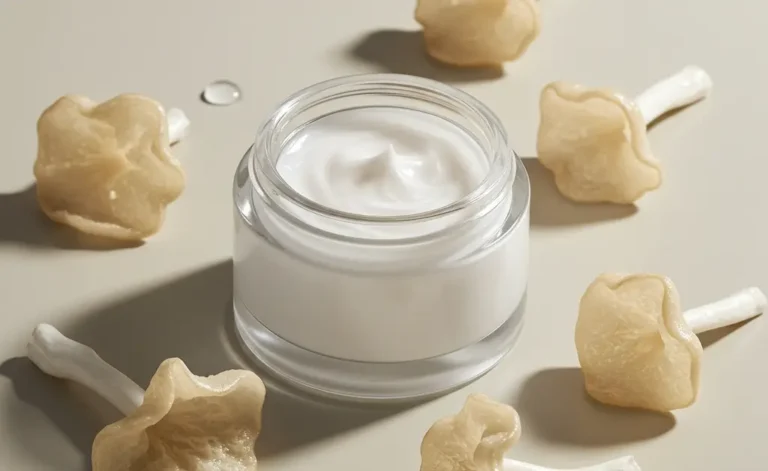
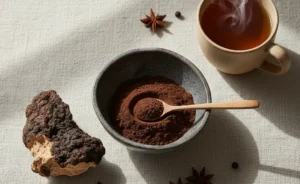
There is a significant distinction between consuming maitake mushrooms as a culinary ingredient and taking them in supplemental forms during pregnancy. Culinary use typically involves eating a moderate amount of cooked mushrooms as part of a meal. The concentration of active compounds in a serving of fresh or dried culinary maitake is generally much lower than in an extracted supplement. Many healthcare professionals adopt a more conservative stance on supplements during pregnancy, even for well-known herbs, due to the higher potency and lack of standardized regulation. Maitake supplements, such as powders, capsules, or tinctures, deliver concentrated doses of the mushroom’s compounds, which may exert more pronounced physiological effects. These concentrated forms could also increase the risk of a maitake mushroom allergy in sensitive individuals. Without specific safety data for these concentrated forms during gestation, the precautionary principle applies even more strongly to supplemental maitake than to its culinary counterpart. It is always critical to discuss any supplement use with a healthcare provider.
General Guidelines for Sourcing and Preparing Maitake
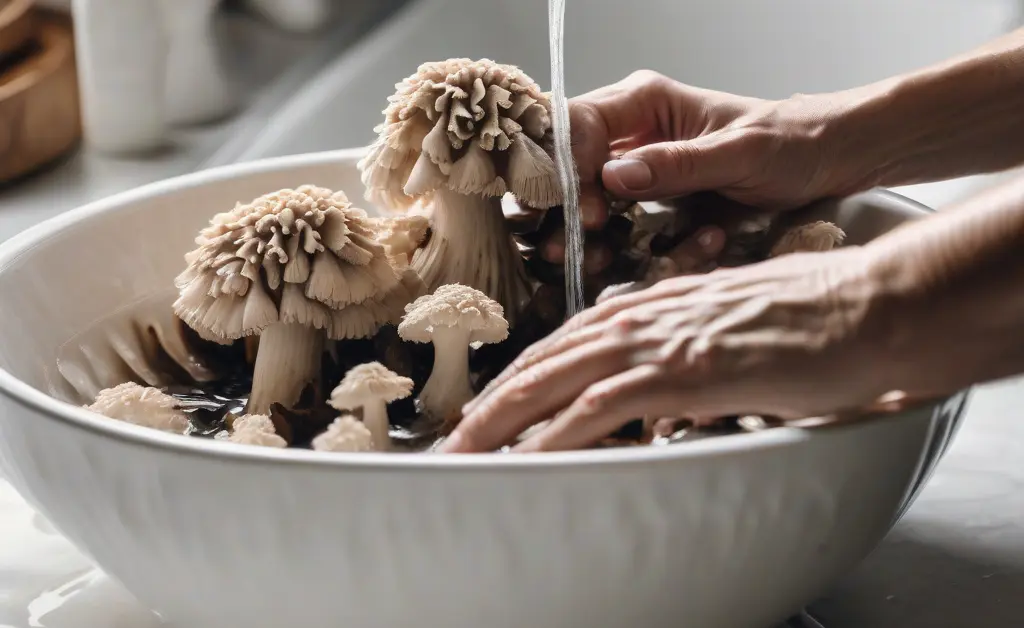
If, after consulting with a healthcare provider, the consumption of culinary maitake mushrooms is deemed appropriate, adhering to general food safety guidelines for sourcing and preparation is essential. These guidelines help to minimize the risk of foodborne illnesses and ensure the mushrooms are consumed safely. Proper handling and cooking are fundamental steps to ensure that any potential contaminants are removed and the mushrooms are palatable and digestible.
Identifying Reputable Sources for Culinary Mushrooms
When sourcing maitake mushrooms, prioritize reputable and trusted vendors. This includes established grocery stores, certified organic markets, or specialty food suppliers that obtain their mushrooms from licensed and inspected growers. Avoid foraging for wild mushrooms unless you are an expert mycologist, as misidentification can lead to consuming toxic varieties. Reputable sources ensure that the mushrooms have been cultivated and harvested under controlled conditions, minimizing exposure to pesticides, heavy metals, or other environmental contaminants that could be concerning during pregnancy.
Choosing Fresh vs. Dried Maitake Mushrooms
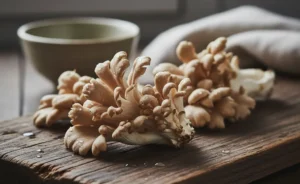
Both fresh and dried maitake mushrooms can be suitable for culinary use, provided they are handled correctly. When selecting fresh maitake, look for firm, clean clusters with no signs of sliminess, mold, or decay. They should have an earthy aroma, not an off-odor. Store fresh mushrooms in a paper bag in the refrigerator to allow air circulation and prevent moisture buildup. Dried maitake mushrooms are a convenient option with a longer shelf life. Ensure dried mushrooms are purchased from reputable brands and are stored in an airtight container in a cool, dark place. Before use, dried maitake should be rehydrated in warm water, and the soaking liquid can often be used in recipes for added flavor, after ensuring it is clean.
Proper Cleaning and Cooking Methods for Maitake
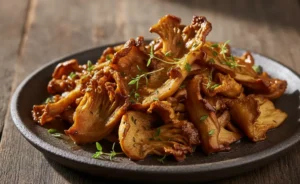
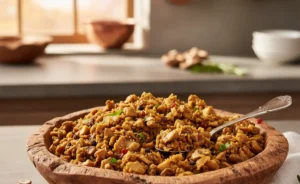
Thorough cleaning and cooking are crucial for any mushroom, including maitake, especially during pregnancy. Gently brush off any dirt or debris from fresh maitake with a soft brush or a damp cloth; avoid excessive washing that can make them waterlogged. If the mushrooms are particularly dirty, a quick rinse under cool water followed by thorough drying with a paper towel is acceptable. All mushrooms, whether fresh or rehydrated, must be cooked thoroughly. This is important to remember, as questions about whether one can eat raw maitake mushroom often arise. Raw mushrooms can be difficult to digest and may contain compounds that are broken down by heat. Cook maitake until it is tender and cooked through, typically by sautéing, roasting, or incorporating it into soups and stews. Proper cooking temperatures help to eliminate any potential bacteria or other pathogens that might be present on the surface of the mushrooms, ensuring they are safe for consumption.
In conclusion, while maitake mushrooms are celebrated for their nutritional value and potential health benefits in the general population, scientific research specifically on the safety of maitake mushroom while pregnant is extremely limited. Expecting mothers are encouraged to adopt a precautionary approach, especially concerning concentrated supplemental forms. Prioritizing open and honest communication with a healthcare provider is essential for making informed decisions tailored to individual health circumstances, ensuring the well-being of both mother and baby throughout pregnancy.
Disclaimer: The information provided in this article is for general knowledge and informational purposes only, and does not constitute medical advice. It is not a substitute for professional medical advice, diagnosis, or treatment. Always seek the advice of your physician or other qualified health provider with any questions you may have regarding a medical condition or before making any dietary changes or starting any new supplement regimen, particularly during pregnancy.
FAQ
— Is it safe to eat maitake mushrooms during pregnancy?
Maitake is a popular culinary mushroom enjoyed for its rich flavor and texture. When considering any new food during pregnancy, it is standard practice to consult with a healthcare provider who understands your individual health profile. As with all edible fungi, thorough cooking is essential for proper digestion and safety.
— What are the potential risks of maitake mushroom supplements during pregnancy?
The primary concern with concentrated mushroom supplements is the lack of specific safety research for this life stage. Highly concentrated extracts are functionally distinct from the whole culinary mushroom, and their physiological effects are stronger. The potential impact of taking a maitake mushroom while pregnant in a supplement form is not well-documented, which is why medical guidance is recommended.
— Are there scientific studies on maitake mushroom (Grifola frondosa) and pregnancy?
While *Grifola frondosa* has been the subject of research for its immune-modulating and metabolic properties, specific studies on its use during human pregnancy are scarce. The existing scientific literature does not provide sufficient clinical data to establish its safety profile for expectant mothers or fetal development. This gap in research is a key reason for the standard recommendation to consult a physician.
— How does culinary maitake differ from maitake supplements?
Culinary maitake is the whole fruiting body of the fungus, consumed as a food with its full spectrum of nutrients and fiber. Supplements, in contrast, are concentrated extracts designed to isolate and amplify specific bioactive compounds like beta-glucans. This process results in a product with a significantly higher potency and a different biological impact than the mushroom in its natural, whole-food form.
— What should I look for when buying fresh maitake mushrooms at the store?
When selecting fresh maitake, look for a cluster that feels firm, dense, and dry to the touch, avoiding any that appear slimy or waterlogged. The frilly, petal-like caps should be plump with a uniform grayish-brown color. Any signs of dark, soft spots or an off-putting odor indicate that the mushroom is past its prime.