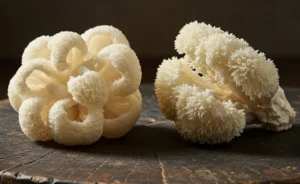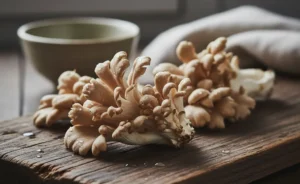
A maitake mushroom allergy is an uncommon but possible immune reaction that occurs when the body mistakenly identifies proteins in maitake mushrooms as harmful. While maitake is widely appreciated for its culinary flavor and potential health benefits, some individuals may experience allergic symptoms after consuming or coming into contact with it. These reactions can range from mild issues such as itching, skin irritation, or digestive discomfort to more serious immune responses in sensitive individuals. Understanding the symptoms, causes, diagnosis, and prevention of maitake mushroom allergy can help people recognize reactions early and make safer dietary decisions.
Understanding Maitake Mushroom Allergy
What is a Maitake Mushroom Allergy?
A maitake mushroom allergy represents an adverse immune system response to specific proteins found within the maitake mushroom, scientifically known as Grifola frondosa, or hen-of-the-woods. When an individual with this allergy consumes or comes into contact with maitake, their immune system mistakenly identifies these proteins as harmful invaders. In response, it produces antibodies, primarily Immunoglobulin E (IgE), which then trigger the release of chemicals like histamine, leading to a range of allergic reaction symptoms. The method of preparation does not negate the allergenic proteins, so considering if eating raw maitake mushroom is safe is irrelevant for those with a known allergy. This immune overreaction is what characterizes a true maitake mushroom allergy, distinguishing it from other types of adverse reactions.
How Common Are Allergic Reactions to Maitake?
Allergic reactions to mushrooms, including maitake, are generally considered less common than allergies to major food groups like nuts or dairy. However, their perceived rarity does not negate the potential for severe reactions in susceptible individuals. While specific prevalence data for maitake mushroom allergy is not widely available, it is understood that any food containing proteins has the potential to act as an allergen. According to research bodies like the NIH, while specific data on maitake is scarce, the mechanisms of food allergies are well-documented. As the consumption of diverse fungi increases, awareness and recognition of less common food allergies, such as those to maitake, become increasingly important.
Maitake Intolerance vs. True Allergy
It is crucial to distinguish between a true maitake mushroom allergy and a maitake intolerance. A true allergy involves the immune system, leading to a rapid and potentially life-threatening reaction, as described above. Symptoms of an allergic reaction can affect multiple body systems and are consistent each time the allergen is encountered. In contrast, a mushroom intolerance primarily involves the digestive system and typically does not trigger an immune response. Symptoms of intolerance, such as bloating, gas, or stomach upset, are generally less severe and not life-threatening. They are often dose-dependent, meaning a small amount may be tolerated, while a larger quantity causes discomfort. Understanding this distinction is vital for accurate diagnosis and effective management, as the approaches for a true allergy and an intolerance differ significantly.
Can You Suddenly Develop Maitake Sensitivity?
Yes, it is possible to develop a new sensitivity or allergy to maitake mushrooms, or any food, at any point in life, even if you have consumed them without issue in the past. The immune system can change over time due to various factors, including genetics, environmental exposures, and other health conditions. A sudden development of maitake sensitivity might manifest as new allergic reaction symptoms upon exposure. This highlights the importance of paying attention to how your body reacts to foods, even those that were previously considered safe, and seeking medical advice if new or concerning symptoms arise.
Recognizing Maitake Mushroom Allergy Symptoms

First Signs of an Allergic Reaction
The initial indicators of a maitake mushroom allergy often appear rapidly after consumption or contact. These first signs can be subtle but should not be ignored. Common early symptoms may include an itchy sensation in the mouth or throat, tingling lips, or a sudden onset of skin rash and hives, which are red, itchy welts that can appear anywhere on the body. A mild itching or redness of the skin, often in areas that came into direct contact with the mushroom, could also be among the earliest alerts of an immune system response to the allergen.
Mild to Moderate Symptoms of Maitake Allergy
Beyond the initial signs, mild to moderate maitake mushroom allergy symptoms can escalate and involve various body systems. These may include persistent itching, more widespread hives, or swelling of the lips, face, tongue, or throat. Gastrointestinal issues such as nausea, vomiting, abdominal pain, and diarrhea are also common. Some individuals might experience respiratory symptoms like nasal congestion, sneezing, or a runny nose. While these symptoms are generally not immediately life-threatening, they indicate a significant allergic response and warrant attention. The experience of these symptoms suggests the immune system is actively reacting to the mushroom’s components.
Severe Allergic Reactions and Anaphylaxis
A severe allergic reaction to maitake mushrooms, known as anaphylaxis, is a medical emergency that can be life-threatening. Anaphylaxis involves a rapid, systemic immune response affecting multiple bodily systems simultaneously. Symptoms can include severe breathing difficulties, such as wheezing, shortness of breath, or a constricted feeling in the throat, potentially leading to airway obstruction. Other signs may involve a sudden drop in blood pressure, dizziness, lightheadedness, or loss of consciousness. A weak, rapid pulse, along with widespread hives and swelling, are also indicators. The swift onset and potential for rapid deterioration make anaphylaxis a critical concern for anyone with a known severe maitake mushroom allergy.
When to Seek Emergency Medical Attention
Immediate emergency medical attention is necessary if any signs of a severe allergic reaction or anaphylaxis occur after consuming or coming into contact with maitake mushrooms. This includes any difficulty breathing, persistent coughing, wheezing, swelling of the throat or tongue, dizziness, fainting, a rapid or weak pulse, or widespread hives accompanied by other severe symptoms. Even if the symptoms seem to improve, it’s crucial to seek medical help as a biphasic reaction, where symptoms return hours later, can occur. If an individual has been prescribed an epinephrine auto-injector for known severe allergies, it should be administered without delay as per medical instructions, and emergency services should be called immediately afterwards.
Diagnosing a Maitake Mushroom Allergy
Distinguishing Side Effects from Allergic Reactions
When assessing a reaction to maitake mushrooms, it is crucial to differentiate between general maitake mushroom side effects and a true allergic reaction. General side effects, often linked to the active ingredients in maitake or its beta-glucans, might include mild gastrointestinal upset, changes in blood sugar, or interactions with certain medications. These effects are typically predictable responses to pharmacological properties and do not involve the immune system. In contrast, an allergic reaction is an immune system response, characterized by the body’s recognition of maitake proteins as allergens and the subsequent release of histamine and other inflammatory mediators. If you are comparing reactions across different medicinal mushrooms, you may also find it helpful to review our detailed guide on Reishi mushroom side effects, which outlines non-allergic adverse reactions and safety considerations.
How Doctors Diagnose Mushroom Allergies
Diagnosing a mushroom allergy, including a maitake mushroom allergy, typically begins with a thorough medical history. The doctor will inquire about the specific symptoms experienced, their onset, duration, severity, and any correlation with mushroom consumption. Details about previous exposures, family history of allergies, and existing medical conditions are also pertinent. Following this, a physical examination may be conducted to look for signs of allergic reactions. Based on this initial assessment, the doctor may then recommend specific allergy tests to confirm the presence of an immune response to maitake proteins.
Tests for Maitake Sensitivity
To confirm maitake sensitivity and differentiate it from other reactions, several diagnostic tests may be employed. A common method is the skin prick test, where a small amount of maitake extract is applied to the skin, and the skin is then lightly pricked. A positive reaction, indicated by a raised bump (wheal) surrounded by redness, suggests an IgE-mediated immune response. Blood tests, specifically those measuring IgE antibodies to mushroom proteins, can also be performed. These tests detect the presence of specific antibodies that the immune system produces when it encounters an allergen. In some cases, an oral food challenge, conducted under strict medical supervision, may be considered if other tests are inconclusive, to definitively confirm or rule out a maitake mushroom allergy.
Treating and Managing Maitake Mushroom Allergy

Immediate First Aid Steps
In the event of an allergic reaction to maitake mushrooms, immediate first aid steps are crucial. For mild symptoms such as itching or localized hives, over-the-counter antihistamines may provide relief. However, if symptoms include swelling, widespread rash, or any breathing difficulties, it is imperative to seek emergency medical help without delay. For individuals with a known severe maitake mushroom allergy, an epinephrine auto-injector (EpiPen) may have been prescribed. Administering epinephrine as instructed is the first and most critical step for anaphylaxis, followed by calling emergency services immediately. These actions can be life-saving and should not be postponed.
Medical Treatments and Medications
Beyond immediate first aid, medical treatments and medications play a vital role in managing maitake mushroom allergy. For mild to moderate symptoms, healthcare providers may recommend prescription-strength antihistamines to block histamine production and alleviate symptoms like itching, hives, and mild swelling. Corticosteroids may also be prescribed for more persistent or severe skin reactions. In cases of anaphylaxis, epinephrine remains the primary treatment. Following an anaphylactic event, individuals are typically advised to carry two epinephrine auto-injectors at all times. Long-term management often involves discussions with an allergist about desensitization or other emerging therapies, though allergen avoidance is typically the cornerstone.
Long-Term Management Strategies
Effective long-term management of a maitake mushroom allergy centers on strict avoidance of the allergen. This involves carefully checking food labels, being vigilant about ingredients in restaurant meals, and informing others about the allergy. Individuals should also educate themselves on cross-reactivity with other fungi or molds if applicable. Carrying prescribed medications, such as an epinephrine auto-injector, is a non-negotiable part of a safety plan for those at risk of severe reactions. Regular follow-ups with an allergist are recommended to review the allergy action plan, discuss any new symptoms, and explore ongoing research or potential treatments. Special consideration is also needed during different life stages, so it’s wise to research the safety of eating maitake mushroom while pregnant. Living with a maitake mushroom allergy requires constant vigilance and proactive strategies to ensure safety and well-being.
Preventing Maitake Mushroom Allergic Reactions
Foods and Supplements to Avoid
To prevent a maitake mushroom allergic reaction, strict avoidance of all foods and supplements containing maitake is paramount. This includes fresh, dried, powdered, or extracted forms of the mushroom. Maitake, also known as hen-of-the-woods or Grifola frondosa, can be found in various culinary dishes, health supplements, and even some cosmetic products due to its active ingredient in maitake. Individuals with an allergy should also be aware of potential cross-reactivity with other fungi. While not universally applicable, some individuals with an allergy to one type of mushroom may also react to others, or even to molds. For instance, some people with a severe allergy to shiitake may also need to exercise caution with maitake, or vice versa, although specific cross-reactivity is individual. Always consult with a healthcare professional regarding specific avoidance recommendations and potential cross-reactors, such as other common edible mushrooms.
Checking Labels for Maitake and Related Ingredients
Diligent label checking is a critical practice for individuals with a maitake mushroom allergy. Maitake may not always be listed explicitly as “maitake mushroom” on ingredient lists. It might appear under its scientific name, Grifola frondosa, or its common name, “hen-of-the-woods.” Furthermore, it can be present in ingredient blends, proprietary formulas, or as a component of mushroom extracts, functional food ingredients, or traditional herbal supplements. Always scrutinize ingredient lists for any mention of mushrooms, fungi, or extracts that could contain maitake. When in doubt, it is always best to contact the manufacturer directly for clarification or err on the side of caution and avoid the product. This proactive approach significantly reduces the risk of accidental exposure and allergic reactions.
Safe Kitchen Practices to Avoid Maitake Cross-Contamination
Preventing cross-contamination in the kitchen is important for individuals with a maitake mushroom allergy. Use separate cutting boards, utensils, and cooking surfaces when preparing maitake and allergen-free foods. Always wash hands, knives, and countertops thoroughly after handling mushrooms. Storing maitake separately from other ingredients can also reduce the risk of accidental exposure.
The purpose of this content is to educate, not to diagnose or treat. This information should not be used as a substitute for professional medical advice, diagnosis, or treatment. Always consult with a qualified healthcare provider for any health concerns or before making any decisions related to your health or medical care. Individual responses to substances can vary greatly, and professional guidance is essential.
FAQ
— What are the common signs of a Maitake mushroom allergy?
An allergic reaction to Maitake involves the immune system identifying proteins in the mushroom as harmful, triggering a defensive response. This can manifest in various ways, including skin reactions like hives or itching, respiratory symptoms such as sneezing or congestion, and gastrointestinal discomfort. The severity and combination of these signs can differ from person to person.
— Can you suddenly become allergic to Maitake mushrooms?
It is possible to develop an allergy to any food, including Maitake, at any stage of life, even after consuming it previously without any problems. The immune system can become sensitized to specific proteins over time through exposure. A subsequent exposure can then trigger an allergic reaction where none existed before.
— How is a Maitake mushroom allergy treated?
Managing any food allergy centers on strict avoidance of the allergen to prevent an immune response. Identifying and eliminating the source from one’s diet is the fundamental step in preventing reactions. For personalized management strategies and diagnostic confirmation, it is essential to consult with a qualified healthcare professional.
— Is Maitake mushroom a common allergen?
While not listed among the most prevalent major food allergens, such as peanuts or shellfish, any food containing protein has the potential to be an allergen. A maitake mushroom allergy is considered relatively uncommon compared to reactions from more widely recognized allergenic foods. However, individual sensitivities vary, and any specific food can trigger a reaction in certain people.
— What is the difference between a Maitake allergy and an intolerance?
The key distinction lies in the body system involved in the reaction. A true food allergy is an immune system response where the body mistakenly attacks food proteins, which can affect multiple organ systems. In contrast, a food intolerance primarily involves the digestive system and its inability to properly break down certain food components, leading to symptoms like bloating or gas.
— If I’m allergic to mold, am I more likely to be allergic to Maitake mushrooms?
Mushrooms and molds both belong to the fungi kingdom and can share similar proteins, which creates a potential for cross-reactivity. This means the immune system of a mold-allergic person might recognize and react to proteins in mushrooms. However, having a mold allergy does not automatically mean an individual will also be allergic to Maitake, as the specific allergenic proteins can differ.