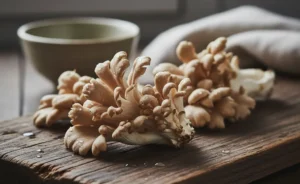


Contrary to the widespread belief that all natural supplements are inherently safe and incapable of interacting with conventional medications, the reality is considerably more complex. While the maitake mushroom (Grifola frondosa) is widely celebrated for its immune-modulating and health-promoting properties, its bioactive compounds can indeed influence physiological processes, raising important considerations for those concurrently taking prescription drugs. It is imperative for consumers and healthcare professionals alike to be aware of potential maitake mushroom drug interactions to prevent adverse effects or reduced medication efficacy. This comprehensive guide aims to shed light on these interactions, offering crucial information to ensure the safe integration of maitake into health regimens, thereby promoting well-being without compromising existing medical treatments.
Maitake Mushroom Drug Interactions: What You Need to Know
Understanding potential maitake mushroom drug interactions is a critical aspect of responsible supplement use. While maitake is generally considered safe, its potent biological activities mean it can interact with certain medications, altering their effectiveness or potentially leading to unwanted side effects. Understanding potential maitake mushroom side effects is also a key part of safe consumption. These interactions are not unique to maitake; many botanicals possess compounds that can influence the body’s systems, including drug metabolism pathways. Being informed allows individuals to make educated decisions about their health regimens and to discuss any concerns proactively with their healthcare provider. It emphasizes the need for caution and professional guidance, rather than assuming all natural products are benign when combined with pharmaceuticals.
Understanding Maitake Mushroom’s Interaction Potential
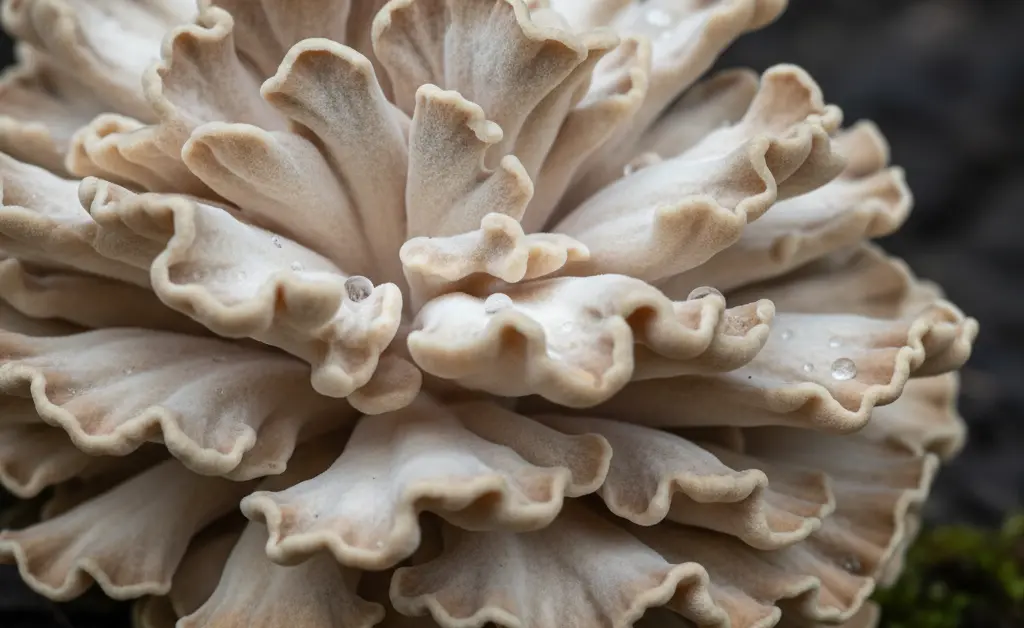
The interaction potential of maitake mushroom stems from its rich profile of bioactive compounds, predominantly polysaccharides like beta-glucans. The method of consumption, such as whether you eat raw maitake mushroom or a cooked extract, can influence the availability of these compounds. These compounds are known to influence various physiological systems, including the immune system, metabolic processes, and potentially cardiovascular function. When consumed, these active constituents can engage with the body in ways that might overlap with or alter the actions of prescription medications. For instance, some natural compounds can influence liver enzymes, particularly the cytochrome P450 system, which is responsible for metabolizing a vast array of drugs. If maitake components affect these enzymes, they could either speed up or slow down the breakdown of other medications, leading to altered drug levels in the bloodstream and potentially affecting treatment outcomes or increasing the risk of adverse effects.
Interaction with Medications Affecting Liver Metabolism
The liver plays a central role in drug metabolism, breaking down medications into forms that can be more easily eliminated from the body. Enzymes within the liver, such as the cytochrome P450 (CYP450) enzymes, are crucial for this process. The NIH provides extensive research on how various substances affect these enzyme systems. It is theorized that certain compounds within the maitake mushroom may interact with these enzymes, potentially altering their activity. If maitake enhances the activity of these enzymes, it could lead to faster drug breakdown, reducing the medication’s efficacy. Conversely, if maitake inhibits these enzymes, it could slow down drug breakdown, leading to higher-than-intended levels of the medication in the body, which could increase the risk of side effects. While specific clinical data on maitake’s direct impact on human CYP450 enzymes is still emerging, the theoretical possibility warrants caution and discussion with a healthcare professional, especially for individuals taking medications with a narrow therapeutic window.
Specific Maitake Interactions by Medication Class
Delving into specific maitake mushroom drug interactions by medication class provides a clearer picture of where caution may be particularly necessary. The bioactive compounds in maitake, while beneficial, can exert effects that may be additive or counteractive to certain pharmaceutical actions. Awareness of these potential overlaps is crucial for maintaining the safety and efficacy of concurrent medical treatments.
Anticoagulant and Antiplatelet Drugs (Blood Thinners)
Maitake mushroom has been studied for its potential effects on cardiovascular health, including properties that may influence blood circulation. For individuals taking anticoagulant or antiplatelet drugs, commonly known as blood thinners (such as warfarin or aspirin), there is a theoretical concern for an additive effect. If maitake independently possesses mild blood-thinning properties, combining it with prescription blood thinners could potentially increase the risk of bleeding. While not definitively established in human clinical trials, the possibility of enhanced anticoagulant effects or an increased bleeding risk warrants careful consideration. Individuals on these medications should always consult their healthcare provider before incorporating maitake into their regimen to monitor for any unusual bruising or bleeding.
Antidiabetes Medications
Maitake mushroom has traditionally been investigated for its potential role in supporting healthy blood sugar levels. Due to these potential effects, there is a theoretical concern for interactions with antidiabetes medications, including oral hypoglycemics and insulin. If maitake contributes to lowering blood sugar levels, combining it with prescription diabetes medication could lead to an excessive reduction in blood glucose, potentially resulting in hypoglycemia (low blood sugar). Symptoms of hypoglycemia can include dizziness, sweating, confusion, and weakness. Individuals managing diabetes should closely monitor their blood sugar levels if considering maitake and discuss this with their endocrinologist or primary care physician to adjust medication as necessary and prevent adverse events.
Antihypertensive Drugs (Blood Pressure Medication)
Similar to its potential influence on blood sugar, maitake has been explored for its effects on blood pressure. Some research suggests a potential for maitake to support healthy blood pressure within normal ranges. Consequently, for individuals taking antihypertensive drugs to manage high blood pressure, there is a theoretical potential for an additive effect. Combining maitake with blood pressure medication could, in some cases, lead to blood pressure dropping too low (hypotension). Symptoms of hypotension include dizziness, lightheadedness, and fainting. It is advisable for anyone on blood pressure medication to consult their healthcare provider before using maitake, allowing for appropriate monitoring of blood pressure and necessary medication adjustments.
Immunosuppressants
One of the most well-documented properties of maitake mushroom is its immune-modulating activity, largely attributed to its beta-glucan content. Maitake is often valued for its ability to support and potentially enhance immune function. This beneficial property, however, raises a significant consideration for individuals taking immunosuppressant drugs, such as those prescribed after organ transplantation or for autoimmune conditions. The primary goal of immunosuppressants is to suppress or reduce the activity of the immune system to prevent rejection or manage autoimmune responses. Theoretically, maitake’s immune-enhancing effects could counteract the action of these medications, potentially reducing their efficacy and compromising the desired therapeutic effect. Therefore, individuals on immunosuppressants should generally avoid maitake or use it only under strict medical supervision, with careful monitoring of immune markers.
Factors Influencing Maitake’s Interaction Potential
Several factors can influence the likelihood and severity of maitake mushroom drug interactions. Individual variability plays a significant role, as each person’s metabolism, genetic makeup, and overall health status can affect how they process both maitake and medications. The form of maitake consumed is also relevant; extracts, which are often concentrated, may have a more pronounced effect than whole, dried mushroom powder. For instance, knowing if you can eat raw maitake mushroom is important as the preparation method can alter its bioactive profile. The quantity of maitake used and the duration of its use can also impact its interaction potential. Additionally, the specific timing of mait maitake consumption relative to medication intake might play a role in how interactions manifest. It is essential to consider these variables when evaluating the overall risk of interactions and to adopt a personalized approach.
General Safety Principles When Considering Maitake
When considering the integration of maitake into any health regimen, especially alongside prescription medications, adhering to general safety principles is paramount to mitigate potential maitake mushroom drug interactions. The most crucial step is to always consult a healthcare provider before starting any new supplement. This includes informing them about all medications, supplements, and herbal remedies currently being used. A healthcare professional can assess individual health status, potential risks, and provide personalized guidance. It is also important to choose high-quality maitake products from reputable sources to ensure purity and consistent potency. Individuals should also monitor for any unexpected or adverse effects upon starting maitake and report them promptly. This includes being aware of the signs of a potential maitake mushroom allergy. Open and honest communication with medical professionals fosters a safer approach to health and wellness, ensuring that maitake can be enjoyed for its benefits without compromising existing treatments.
In navigating the landscape of health supplements, understanding potential maitake mushroom drug interactions is a cornerstone of responsible self-care. While maitake offers numerous traditional benefits, its bioactive compounds necessitate careful consideration, especially for individuals on existing medications. Prioritizing open communication with a healthcare provider and exercising informed caution ensures that the pursuit of well-being through natural remedies complements, rather than compromises, overall health management.
This information should be viewed as educational rather than medical advice. It is not intended to diagnose, treat, cure, or prevent any disease. Always consult with a qualified healthcare professional before making any decisions about your health, starting any new supplement, or making changes to your medication regimen. Individual responses to supplements can vary, and this content does not substitute for professional medical guidance.

FAQ
— What medications should not be taken with maitake?
Maitake has been studied for its influence on blood sugar and blood pressure levels. Because of these properties, it could potentially amplify the effects of medications designed for diabetes or hypertension. This highlights the need for caution and professional consultation when considering its use alongside such prescriptions.
— Can you take maitake mushrooms with blood thinners like Warfarin?
Maitake’s biological activity is an area of ongoing research, including its potential effects on the body’s blood-clotting mechanisms. Combining it with anticoagulant or antiplatelet medications like Warfarin could lead to an additive effect, theoretically increasing the risk of bleeding. For this reason, discussing its use with a healthcare provider is essential for anyone taking blood-thinning drugs.
— Does maitake interfere with blood pressure medication?
Certain compounds within maitake have been studied for their role in supporting cardiovascular health, including blood pressure regulation. When taken with antihypertensive medications, there is a theoretical potential for these effects to combine, possibly causing blood pressure to drop too low. This interaction underscores why medical supervision is important in this context.
— Is it safe to take maitake if you are on diabetes medication?
Maitake is recognized for its compounds that are linked to the body’s glucose metabolism and insulin sensitivity. An additive effect could occur when combined with diabetes medications, potentially leading to hypoglycemia, or excessively low blood sugar. Close monitoring and professional consultation are therefore crucial to manage this potential interaction safely.
— Why is professional guidance important when combining maitake with medications?
A healthcare professional possesses a comprehensive understanding of your unique health profile and the specific actions of your prescribed medications. They are equipped to evaluate potential maitake mushroom drug interactions by considering the mushroom’s known biological activities alongside the pharmacology of your treatment. This expert oversight is essential for ensuring that any additions to your wellness routine are both appropriate and safe.