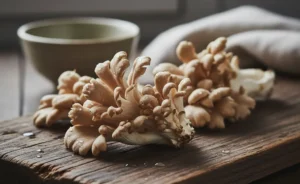
Acne remains a pervasive skin concern affecting individuals across various age groups, often leading to significant distress and a search for effective solutions. While countless conventional treatments exist, there’s a growing interest in natural alternatives that offer a holistic approach to skin wellness. Among these emerging remedies, chaga mushroom has garnered attention for its potential dermatological benefits. This article delves into how **chaga mushroom for acne** works, exploring its rich antioxidant profile, anti-inflammatory properties, and effects on skin hydration and texture. We will examine the scientific basis behind its purported benefits, discuss various application methods, and provide practical guidance on incorporating chaga into a skincare routine. Furthermore, we will address potential side effects and compare chaga with other natural remedies to offer a comprehensive understanding of its place in acne management.
Chaga Mushroom Benefits for Skin
Antioxidant Properties of Chaga Mushroom
Chaga mushroom is renowned for its exceptional antioxidant capacity, largely attributed to its abundance of polyphenols, triterpenes, and melanin. These compounds are potent scavengers of free radicals, unstable molecules that can cause oxidative stress and cellular damage within the skin. Oxidative stress is a significant contributor to various skin issues, including premature aging, inflammation, and the exacerbation of acne. By neutralizing these harmful free radicals, chaga helps protect skin cells, reduce cellular damage, and support overall skin health. These are some of the key chaga mushroom benefits for maintaining a healthy complexion. This protective action is crucial for maintaining skin integrity and resilience, making the use of chaga mushroom for acne a focus for those seeking to combat environmental stressors and internal imbalances that impact their complexion.
Chaga Mushroom and Skin Hydration
Proper skin hydration is fundamental for a healthy complexion and plays a vital role in preventing and managing acne. Dehydrated skin can compromise the skin barrier, leading to increased sensitivity, inflammation, and a tendency for oil glands to overcompensate, potentially worsening acne. Chaga mushroom contains polysaccharides and other compounds that may support the skin’s natural barrier function. By potentially improving the skin’s ability to retain moisture, chaga can contribute to a more hydrated, supple, and resilient skin surface. This improved hydration helps maintain a balanced skin environment, which is less prone to irritation and breakouts.
Chaga Mushroom’s Effect on Skin Texture
Beyond its antioxidant and hydrating benefits, chaga mushroom may also contribute to a smoother and more even skin texture. Its anti-inflammatory properties can help reduce the redness and swelling associated with active acne lesions, diminishing their prominence. Additionally, by supporting cellular regeneration and overall skin health, chaga can assist in the healing process of blemishes and minor imperfections. Over time, consistent application or consumption of chaga may help improve the skin’s overall appearance, fostering a more refined and consistent texture.
Understanding Chaga Mushroom’s Role in Acne Treatment
Inflammation and Acne Connection
Inflammation is a central and often overlooked component in the development and persistence of acne. While acne is primarily associated with clogged pores, excess oil production, and bacterial proliferation (specifically *P. acnes*), inflammation is what transforms a simple clogged pore into a red, swollen, and painful lesion. This inflammatory response can be triggered by various factors, including genetic predispositions, hormonal fluctuations, dietary choices, and environmental stressors. Persistent inflammation not only worsens active breakouts but can also contribute to post-inflammatory hyperpigmentation (dark spots) and scarring. Many individuals also explore chaga mushroom for stress management, as stress can exacerbate skin conditions. Addressing skin inflammation is therefore a key strategy in effective acne management.
Chaga’s Role in Reducing Acne Inflammation
Chaga mushroom possesses significant anti-inflammatory properties, primarily due to compounds like triterpenes, polysaccharides, and betulinic acid. These bioactive constituents work to modulate the body’s inflammatory pathways, helping to calm irritated skin and reduce the visible signs of inflammation. When applied topically or consumed, chaga may help mitigate the redness, swelling, and discomfort associated with acne lesions. By reducing this underlying inflammation, chaga can assist in creating a more balanced skin environment, potentially preventing new breakouts and supporting the healing of existing ones. This makes chaga a compelling natural ingredient for those looking to address the inflammatory aspects of acne.
Scientific Insights on Chaga Mushroom for Acne
While traditional use and anecdotal evidence abound, scientific research specifically on chaga mushroom for acne is an evolving field. Studies have largely focused on the individual bioactive compounds found in chaga and their known effects, such as powerful antioxidant activity, immune modulation, and anti-inflammatory properties. For example, research highlights chaga’s ability to reduce oxidative stress and inhibit inflammatory markers, which are both critical factors in acne pathogenesis. More detailed studies can often be found on platforms like NCBI. While direct large-scale clinical trials on humans specifically evaluating chaga mushroom for acne are still limited, the understanding of its constituent compounds provides a strong scientific basis for its potential dermatological benefits. This growing body of knowledge suggests that chaga may offer a supportive role in managing acne-prone skin by addressing underlying inflammatory and oxidative processes.
User Experiences with Chaga Mushroom for Acne
Many individuals who have incorporated chaga mushroom into their skincare or wellness routines report positive changes in their skin, particularly regarding acne. User experiences often describe a reduction in redness and inflammation, leading to less noticeable breakouts. Some report improvements in overall skin clarity, a more even skin tone, and a reduction in the frequency or severity of acne flare-ups. While these accounts are anecdotal and vary from person to person, they often highlight chaga’s perceived ability to calm and soothe irritated skin, suggesting its potential as a complementary approach for those seeking natural remedies for their complexion concerns. As with any natural remedy, individual results can differ, and consistency is often cited as key.
How to Use Chaga Mushroom for Acne and Skincare
Incorporating chaga mushroom into an acne and skincare regimen can be approached from both internal and external perspectives, leveraging its systemic and topical benefits.
Forms of Chaga for Acne (Tea, Extracts, Topicals)
Chaga is available in several forms, each offering distinct advantages for skincare:
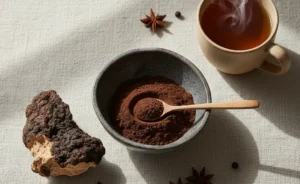
- Tea: Traditionally, chaga is consumed as a tea, often brewed from dried chunks or powdered forms. Drinking chaga tea can provide systemic benefits, delivering its antioxidants and anti-inflammatory compounds throughout the body, which may positively impact skin health from within. Chaga is also explored for various other health applications, including its potential use as chaga mushroom for blood pressure support.
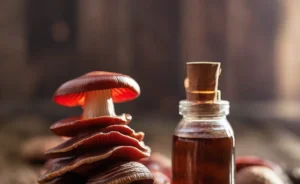
- Extracts: Concentrated extracts, such as tinctures or powders, offer a more potent dose of chaga’s beneficial compounds. These can be ingested by mixing with water or other beverages, or, in some cases, a small amount of liquid extract can be added to existing skincare products or used as a base for DIY facial masks.
- Topicals: A growing number of skincare products, including serums, creams, and masks, now contain chaga mushroom extract. These topical formulations are designed for direct application to the skin, targeting specific concerns like inflammation and oxidative stress directly at the source.
Application Methods
The method of application depends on the form of chaga chosen:
- Internal Consumption: Chaga tea or extracts can be consumed regularly as part of a daily wellness routine. Consistency is often key to observing potential systemic benefits for skin health.
- Direct Topical Application: Chaga-infused serums, creams, or masks are applied directly to clean skin. Follow the product instructions for best results, typically involving gentle massage onto affected areas or the entire face.
- DIY Topical Blends: For powdered extracts or tinctures, some users mix small amounts into their existing facial cleansers, moisturizers, or create homemade masks with ingredients like honey or clay. Always perform a patch test when trying new DIY formulations.
Combining Chaga with Other Acne Treatments
Chaga mushroom can be considered a complementary addition to an existing acne treatment regimen. It may be used alongside traditional topical treatments (e.g., salicylic acid, benzoyl peroxide) or other natural remedies. When combining, it’s advisable to introduce chaga products gradually and observe how the skin responds. If using prescriptive acne medications, consulting with a dermatologist is always recommended before adding new products to ensure compatibility and avoid potential interactions. Patch testing any new product, especially when combining, is a crucial step to prevent adverse reactions.
Storage and Shelf Life of Chaga Products
Proper storage is essential to maintain the efficacy and extend the shelf life of chaga products. Generally, chaga tea, powders, and extracts should be stored in a cool, dark, and dry place, away from direct sunlight and moisture. Airtight containers are recommended to prevent degradation and contamination. Finished topical products containing chaga should be stored according to the manufacturer’s instructions, often in a cool, dry place. Always check the product packaging for specific expiration dates and discard any product that shows signs of spoilage, such as changes in color, odor, or texture.
Potential Side Effects of Chaga Mushroom on Skin
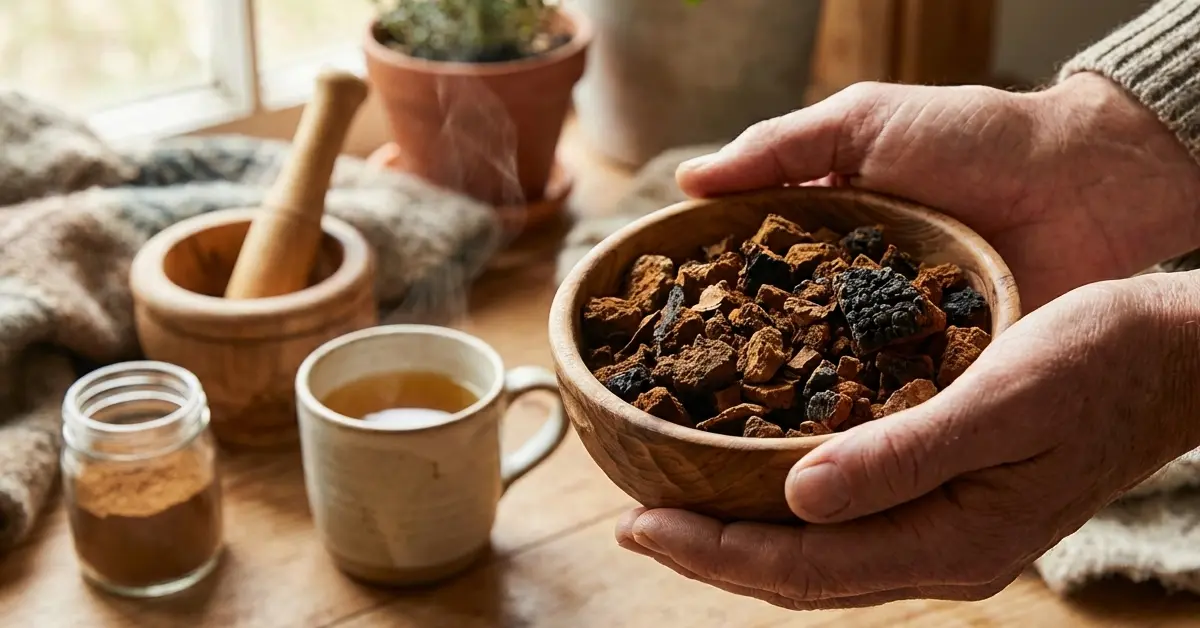
While chaga mushroom is generally considered safe for most people when consumed or applied topically, it’s important to be aware of potential side effects, especially concerning skin application. For topical products containing chaga, some individuals with sensitive skin might experience mild irritation, redness, or itching, particularly upon initial use. It is always advisable to perform a patch test on a small, inconspicuous area of skin (like behind the ear or on the inner forearm) before applying any new chaga-infused product to the entire face. This helps identify any potential sensitivities or allergic reactions. If any adverse reactions occur, discontinue use immediately. When consuming chaga internally, potential side effects can be more varied and are generally unrelated to skin issues, but it’s important to be mindful of individual health conditions and consult with a healthcare professional, especially if taking medications or having pre-existing health concerns.
Comparing Chaga Mushroom with Other Natural Acne Remedies
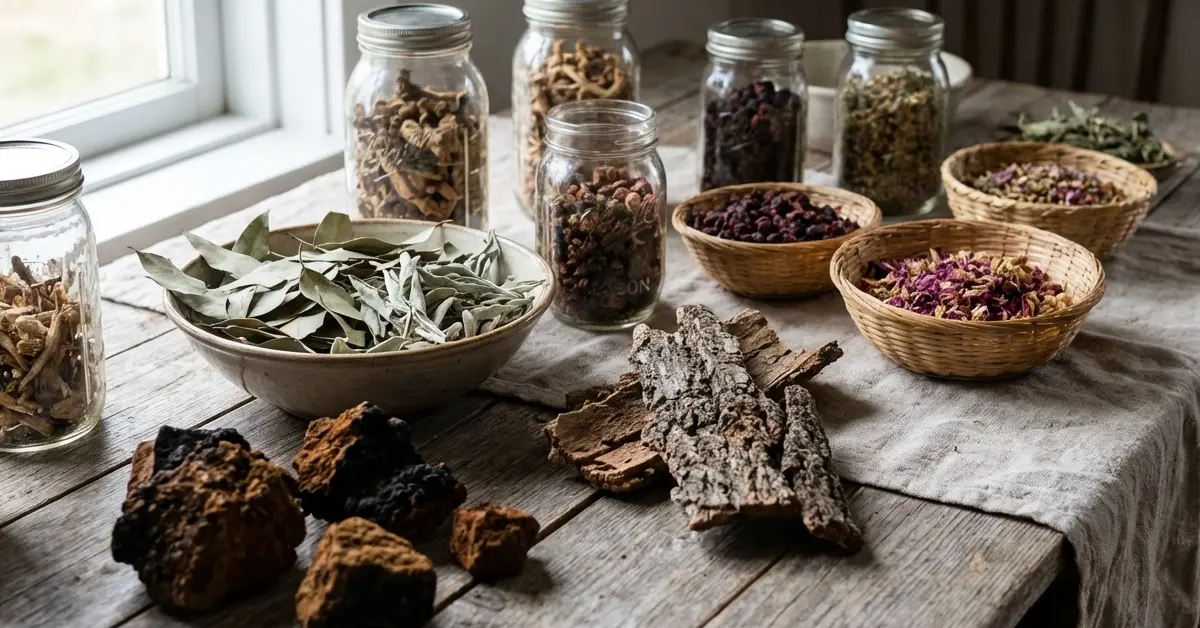
The landscape of natural acne remedies is vast, with many botanicals and compounds touted for their skin-clearing properties. Chaga mushroom stands out due to its distinctive combination of potent antioxidants, robust anti-inflammatory compounds, and adaptogenic qualities. Unlike some remedies that primarily target bacterial overgrowth or oil production, chaga offers a holistic approach by addressing underlying systemic factors like oxidative stress and chronic inflammation, which are significant drivers of acne. For instance, while tea tree oil is well-known for its antimicrobial action, and witch hazel for its astringent properties, chaga works more broadly to support skin health at a cellular level, potentially improving the skin’s resilience and healing capacity. This comprehensive action makes **chaga mushroom for acne** a compelling option for those seeking a multifaceted natural solution.
Differences Between Chaga and Other Mushrooms for Acne
While many medicinal mushrooms offer health benefits, their specific profiles and traditional uses can differ significantly, particularly when considering their impact on acne. Reishi mushroom, for example, is highly regarded for its immune-modulating and adaptogenic properties, which can indirectly support skin health by reducing stress. Cordyceps is often associated with energy and athletic performance, while Lion’s Mane is celebrated for its cognitive benefits. Chaga, however, distinguishes itself with its exceptionally high concentration of melanin and triterpenes, which give it superior antioxidant and anti-inflammatory capabilities specifically beneficial for skin concerns like acne. Its unique ability to combat free radical damage and reduce inflammation directly positions it as a more targeted choice for addressing the root causes of acne compared to other functional mushrooms, which might offer more general wellness support.
In summary, chaga mushroom presents an intriguing natural option for individuals navigating the challenges of acne. Its rich profile of antioxidants and potent anti-inflammatory compounds offers a holistic approach to managing breakouts by addressing underlying cellular stress and inflammation. Whether integrated through internal consumption as a tea or extract, or applied topically in skincare formulations, **chaga mushroom for acne** works to support overall skin health, potentially leading to a clearer, calmer, and more resilient complexion. While individual results may vary, its unique properties position it as a valuable consideration in a comprehensive skincare regimen.
Disclaimer
This article is intended for informational and educational purposes only and does not constitute medical advice. The information provided should not be used for diagnosing or treating a health problem or disease, and it is not a substitute for professional medical care. If you have or suspect you have a health problem, you should consult your healthcare provider. Always consult with a qualified healthcare professional before making any changes to your diet, supplements, or medical treatment plan.
FAQ
— How does chaga mushroom help with acne?
Chaga mushroom is often discussed for its potential antioxidant properties, which may support overall skin health and resilience. Its traditional uses sometimes reference aspects related to skin balance, contributing to the understanding of how chaga mushroom for acne might be considered.
— Can chaga mushroom reduce skin inflammation?
Extracts of chaga mushroom are commonly studied for compounds that may be associated with supporting the body’s natural response to inflammation. This traditional perspective suggests a potential role in helping to soothe irritated skin, offering a natural approach to addressing certain skin concerns.
— What is the best way to use chaga mushroom for acne?
Individuals often explore various available forms, such as topical preparations or dietary supplements.
— Are there any side effects of using chaga mushroom on the skin?
As with any new topical application, some individuals may experience skin sensitivities or localized reactions. It is generally advisable to perform a patch test on a small, inconspicuous area of skin before broader use to gauge individual tolerance.
— How long does it take to see results from chaga mushroom for acne?
The experience of individuals using natural substances can vary significantly, as each person’s physiological response is unique. Factors such as individual body chemistry and consistent application or intake may influence personal outcomes.
— Is chaga mushroom safe for all skin types?
While often considered a gentle ingredient, individual skin responses can genuinely differ. Those with particularly sensitive or reactive skin might find it beneficial to conduct a preliminary patch test to assess compatibility before widespread application.
— Can chaga mushroom be combined with other acne treatments?
It is prudent to discuss the integration of any new supplement or topical agent with a qualified healthcare professional, especially when currently undergoing other therapeutic approaches. This ensures compatibility and helps in making informed, holistic decisions for comprehensive skin care.
— What forms of chaga mushroom are most effective for acne?
Different preparations of chaga mushroom are explored, including powdered extracts, tinctures, and topical creams. The choice of form often depends on individual preference and the intended application, with research ongoing into the bioavailability and efficacy of each. It is important to consider how the form might influence absorption and interaction with the skin, as well as personal comfort.