


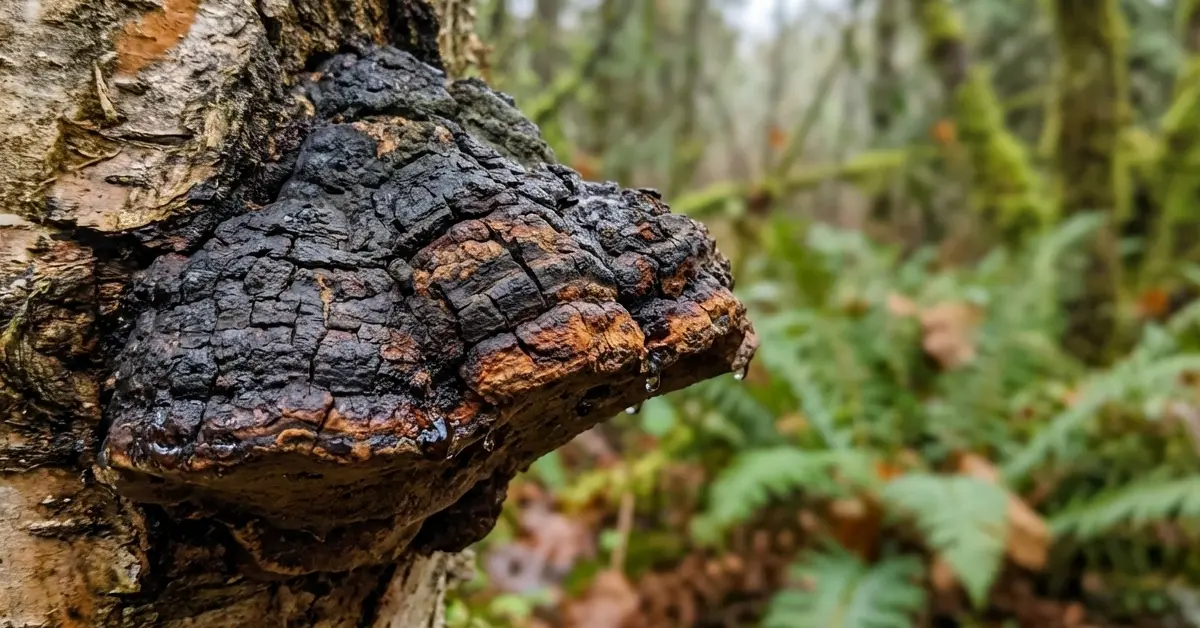
Chaga mushroom, scientifically known as Inonotus obliquus, has garnered significant attention in wellness circles for its purported health benefits. Traditionally revered in Eastern European and Siberian folk medicine, this distinctive fungus grows primarily on birch trees in cold climates, developing a hard, charcoal-like exterior with a softer, rust-colored interior. While often celebrated for its adaptogenic properties and rich antioxidant profile, its specific impact on renal function is a topic requiring careful examination. Many individuals are curious about the potential interplay between this natural supplement and kidney health, particularly whether chaga mushroom good for kidneys is a substantiated claim. This article delves into the available evidence, traditional uses, and important considerations for those interested in its effects on the renal system.
Traditional Uses of Chaga Mushroom Related to Kidney Health
Historical Use of Chaga in Kidney Health
Historically, chaga mushroom has been utilized in folk medicine primarily across Northern Europe, Russia, and parts of Asia, where it was traditionally consumed as a tea or decoction. In these cultures, it was commonly employed to support overall vitality and immune function, with some anecdotal reports suggesting benefits for urinary and kidney-related ailments. While explicit documentation focusing solely on kidney health is limited in ancient texts, the use of chaga within broader detoxification and inflammation-reducing practices indirectly linked it to renal wellness. Some individuals also explore chaga mushroom coffee benefits as a modern way to incorporate this mushroom into their daily routine. Such traditional applications often reflected an understanding of the kidneys as organs sensitive to oxidative stress and inflammation, conditions which chaga was believed to mitigate through its potent bioactive compounds.
Potential Effects of Chaga Mushroom on Kidney Health
Antioxidant Properties and Kidney Protection
Chaga mushroom is notably rich in antioxidants, including polyphenols and superoxide dismutase, which are compounds commonly associated with neutralizing free radicals and reducing oxidative damage. Oxidative stress is a recognized contributor to kidney tissue damage and progressive renal dysfunction. The antioxidant profile of chaga may, therefore, play a role in protecting kidney cells from oxidative injury, potentially supporting renal function. However, while antioxidant activity is promising, the direct translation of these properties to measurable kidney protection remains an area of ongoing research rather than established fact.
Potential Benefits for Kidney Inflammation
Inflammation is a central factor in many kidney disorders, including both acute and chronic conditions. Chaga contains various bioactive compounds with anti-inflammatory potential, such as betulinic acid and inotodiol, which have been traditionally linked to reducing systemic inflammation. This anti-inflammatory effect might contribute to alleviating inflammatory processes within the kidney, potentially easing stress on renal tissues. Despite such mechanisms being theoretically plausible, comprehensive clinical studies are necessary to confirm whether chaga mushroom can reliably modulate kidney inflammation in humans.
Chaga Mushroom Effects on Kidney Filtration
The kidney’s filtration capacity is vital for maintaining fluid and electrolyte balance. Some proponents suggest that chaga mushroom may influence renal filtration by supporting the health and resilience of nephrons, the microscopic filtering units of the kidney. However, scientific data directly assessing the impact of chaga on glomerular filtration rate or tubular function are scarce. The mushroom’s antioxidant and anti-inflammatory actions might indirectly support filtration by preserving kidney tissue integrity, but any claims regarding enhanced filtration require cautious interpretation and further validation.
Chaga Mushroom and Kidney Detoxification Claims
Chaga is often marketed for its “detoxifying” effects, which in popular wellness contexts implies the support of the kidneys’ natural role in eliminating toxins. The renal detoxification process involves complex biochemical pathways, including renal clearance and metabolic filtration, which are not easily modulated by dietary supplements alone. While chaga’s antioxidant and anti-inflammatory constituents might assist in reducing oxidative burden, promoting general kidney health, the scientific basis for chaga as a direct detoxifying agent remains limited. Consumers should approach such claims with an understanding that “detoxification” is a broad term often used without precise clinical evidence. Its adaptogenic qualities are also considered by some for managing daily chaga mushroom for stress.
Comparisons with Other Mushrooms Affecting Kidney Health
Various medicinal mushrooms, such as reishi, cordyceps, and maitake, have been studied for their effects on kidney function and health. Compared to these, chaga shares several bioactive compounds but differs in its unique chemical profile, including high concentrations of melanin and betulinic acid derived from birch bark. While some mushrooms have demonstrated nephroprotective properties in experimental models, chaga’s specific profile suggests it may offer similar antioxidant and anti-inflammatory chaga mushroom benefits. However, the extent of these effects and their clinical relevance can vary among different fungi, underscoring the importance of individualized evaluation when considering chaga mushroom good for kidneys.
Scientific Evidence on Chaga Mushroom and Kidney Function
Studies on Kidney Impact
Scientific investigations into chaga mushroom’s effects on kidney function are limited and primarily preclinical. Laboratory studies have explored chaga’s antioxidant and anti-inflammatory activities, which are theoretically beneficial for renal health. Some animal models have indicated that chaga extracts might reduce markers of oxidative stress and inflammation in kidney tissues. However, rigorous clinical trials in humans focusing specifically on kidney outcomes are sparse, with most research emphasizing general health markers or other organ systems. This gap in robust human data highlights the need for further research before drawing definitive conclusions about chaga’s renal impact.
Chaga Mushroom Good for Kidneys: What Research Shows

Limitations of Current Research on Chaga and Kidneys
Current research on chaga mushroom and its relationship to kidney health faces several limitations. Most studies are preliminary, conducted in vitro or in animal models, which may not fully replicate human kidney physiology or disease states. The variability in chaga preparations, including extraction methods and dosages, complicates the comparison of results across studies. Additionally, long-term effects and safety profiles remain inadequately characterized. Consequently, while some findings suggest potential benefits, these must be interpreted with caution, acknowledging that chaga mushroom good for kidneys is not yet conclusively established through high-quality clinical evidence.
Oxalate Levels in Chaga and Kidney Concerns
One important consideration in the context of kidney health is the oxalate content of chaga mushroom. Oxalates are naturally occurring compounds that can bind calcium to form crystals, which in susceptible individuals may contribute to kidney stone formation or exacerbate existing kidney issues. Chaga has been reported to contain oxalates, raising concerns about its safety for people with a history of kidney stones or those prone to nephrolithiasis. Awareness of oxalate levels and their potential impact on renal function is essential for consumers and healthcare providers when evaluating the suitability of chaga mushroom as a supplement.
Interactions with Kidney Conditions
Individuals with pre-existing kidney conditions, such as chronic kidney disease or impaired renal function, should exercise particular caution regarding chaga mushroom use. Some components of chaga may interact with kidney metabolism or medication regimens, potentially influencing renal clearance or contributing to nephrotoxicity in rare cases. While data on such interactions are limited, the possibility underscores the importance of consulting healthcare professionals, such as those advised by the NHS, before incorporating chaga into a regimen, especially for those managing kidney-related health concerns.
Risks and Precautions for Kidney Patients
Kidney Injury Induced by High-Dose Chaga Mushroom
Although chaga is generally considered safe when consumed in moderate amounts, there have been isolated reports suggesting that excessive intake could lead to adverse effects, including kidney injury. High doses may elevate oxalate levels or provoke oxidative imbalances, potentially stressing the kidneys. Such incidents highlight the delicate balance between potential benefits and risks, emphasizing the need for moderation and careful consideration in use, particularly among vulnerable populations.
Precautions for Chronic Kidney Disease Patients
For individuals with chronic kidney disease (CKD), the use of chaga mushroom warrants particular caution. CKD patients often experience altered renal clearance, making them more susceptible to accumulation of certain compounds, including those found in herbal supplements. The oxalate content and the possibility of interactions with prescribed medications necessitate a cautious approach. Clinical guidance generally advises these patients to avoid or limit intake of supplements whose safety profiles are not well established in renal impairment scenarios, including chaga mushroom.
Recommendations for Use Regarding Kidney Health

When considering chaga mushroom in relation to kidney health, it is important to approach its use thoughtfully. Consumers should seek products that provide clear information about oxalate content and sourcing, as variations can influence safety profiles. Consulting healthcare practitioners knowledgeable in herbal medicine and renal function is advisable to tailor usage to individual health circumstances. While chaga’s antioxidant and anti-inflammatory properties may offer theoretical support for kidney health, evidence remains preliminary, and cautious, informed use is essential to minimize potential risks.
In summary, the question of whether chaga mushroom good for kidneys is supported by evidence remains complex. Traditional use and preliminary studies highlight promising antioxidant and anti-inflammatory effects that could benefit renal health. However, concerns such as oxalate content and limited human research necessitate a nuanced understanding and careful consideration. Those interested in chaga for kidney support should weigh potential benefits against risks and seek professional advice to ensure safe and appropriate use.
Disclaimer: This article is intended for informational purposes only and does not constitute medical advice. The effects of chaga mushroom on kidney health are still under investigation, and individual responses may vary. Readers with existing kidney conditions or concerns should consult qualified healthcare professionals before using chaga or any herbal supplements. The information provided here should not replace professional medical consultation, diagnosis, or treatment.
FAQ
— Is chaga mushroom considered safe for individuals experiencing kidney issues?
Individuals with existing kidney conditions are generally advised to exercise caution and consult with a healthcare professional before considering the use of chaga mushroom products. The interaction of its compounds with compromised kidney function is not fully understood.
— Can chaga mushroom cause kidney damage?
While direct causation of kidney damage by chaga mushroom is not widely established in comprehensive human studies, some research suggests that its oxalic acid content could be a concern for susceptible individuals, particularly those with a history of kidney stone formation or impaired kidney function.
— What are the risks of taking chaga mushroom if you have kidney disease?
For those with kidney disease, potential risks might include an increased burden on the kidneys due to the processing of certain compounds, or the possibility of exacerbating existing conditions, especially if kidney function is significantly diminished. Individual responses can vary.
— Does chaga mushroom contain substances potentially harmful to the kidneys?
Chaga mushroom does contain oxalates, which are compounds naturally found in many plants. In certain concentrations, and particularly for individuals prone to kidney stones or with pre-existing kidney conditions, oxalates may be a factor to consider.
— Should people with kidney issues avoid chaga mushroom?
It is often recommended that individuals with kidney concerns, whether chronic or acute, err on the side of caution and abstain from chaga mushroom consumption unless specifically advised otherwise by their medical provider. Personalized guidance is crucial in these situations.
— Are there any benefits of chaga mushroom for kidney function?
While specific therapeutic claims for kidney function are not broadly established, some discussions might explore whether chaga mushroom good for kidneys, often referencing its general wellness properties rather than direct renal benefits. The focus typically remains on overall health support.
— How does chaga mushroom affect kidney detoxification processes?
The direct impact of chaga mushroom on specific kidney detoxification pathways is not clearly defined in current scientific literature. Its general influence on the body’s systems is often discussed in broader terms of antioxidant support.
— What does research say about chaga mushroom and kidney health?
Existing research on chaga mushroom and kidney health is not extensive, particularly in human clinical trials focusing specifically on kidney function or disease. Much of the available information pertains to its general biological activities, which may not directly translate to renal-specific effects.







