Chaga mushroom has garnered significant attention in recent years for its diverse health-promoting properties. Traditionally used in various cultures for its healing potential, this fungus is now the subject of increasing scientific investigation. Its unique composition includes a variety of bioactive compounds that may contribute to overall wellness. Understanding the chaga mushroom medicinal benefits involves exploring its antioxidant capacity, immune-supporting effects, and potential roles in skin health and cellular protection. As interest grows among health professionals and consumers alike, a thorough examination of chaga’s therapeutic properties helps clarify its place in natural health regimens and supplements.
Chaga Mushroom Medicinal Benefits
Key Bioactive Compounds in Chaga
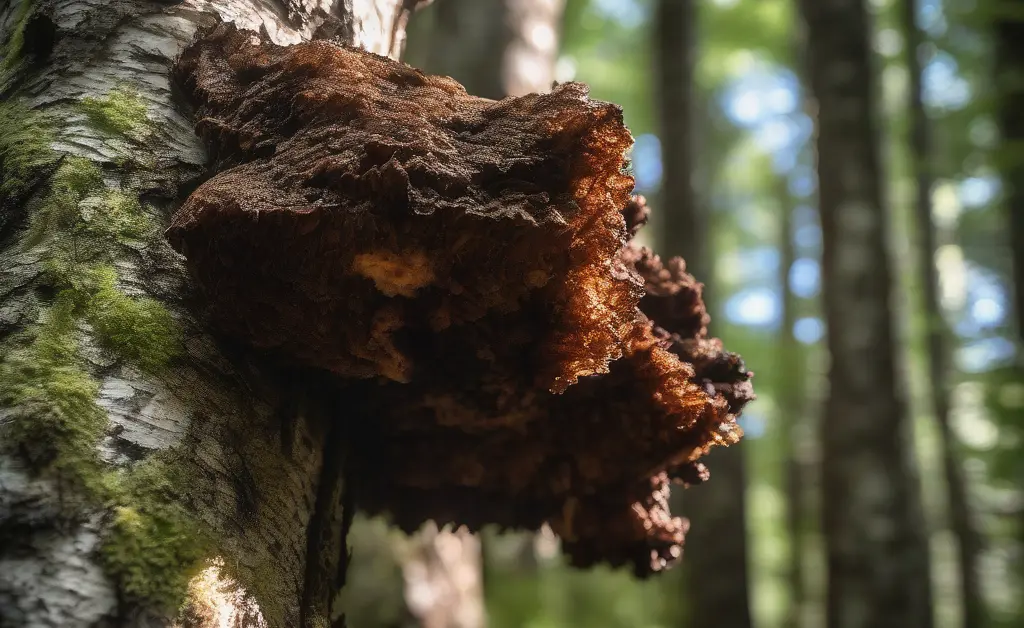
Chaga mushroom contains a complex array of bioactive compounds that contribute to its medicinal reputation. Among the most notable are polysaccharides, which are believed to play a significant role in modulating immune responses. Betulinic acid, derived from the birch trees on which chaga commonly grows, is another compound of interest due to its potential antioxidant and anti-inflammatory activity. Additionally, various phenolic compounds and melanins contribute to chaga’s characteristic dark coloration and provide free radical scavenging effects. These constituents work synergistically, offering a multifaceted approach to supporting overall health and resilience against cellular stress. The adaptogenic properties attributed to chaga may also help the body maintain balance under various environmental and physiological challenges.
Potential Benefits for Skin Health
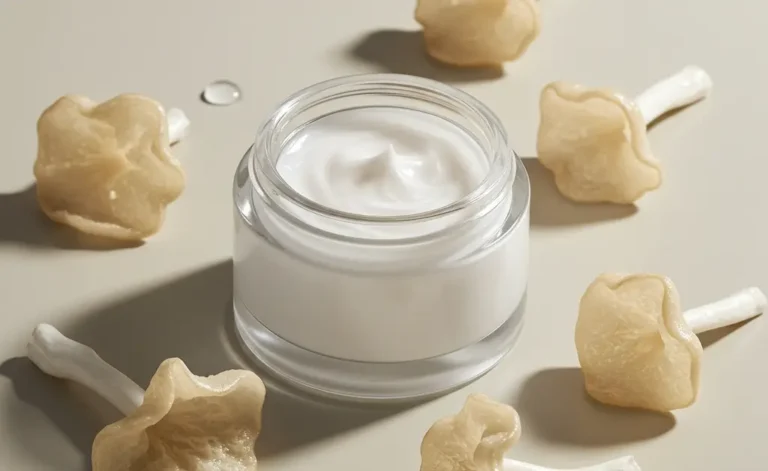
The chaga mushroom medicinal benefits extend to skin health through its potent antioxidant and anti-inflammatory properties. Antioxidants found in chaga can help neutralize oxidative stress caused by environmental factors such as UV radiation and pollution, which are known contributors to skin aging and damage. By protecting skin cells from free radical damage, chaga may help maintain skin elasticity and promote a more youthful appearance. Additionally, traditional use and emerging research suggest that chaga’s bioactive compounds could aid in soothing irritated skin and supporting the skin’s natural barrier functions. While more clinical studies are needed, the incorporation of chaga in topical formulations and dietary supplements reflects growing interest in its potential dermatological applications.
Nutritional and Therapeutic Properties of Chaga Mushroom
Nutrient Profile of Chaga Mushroom
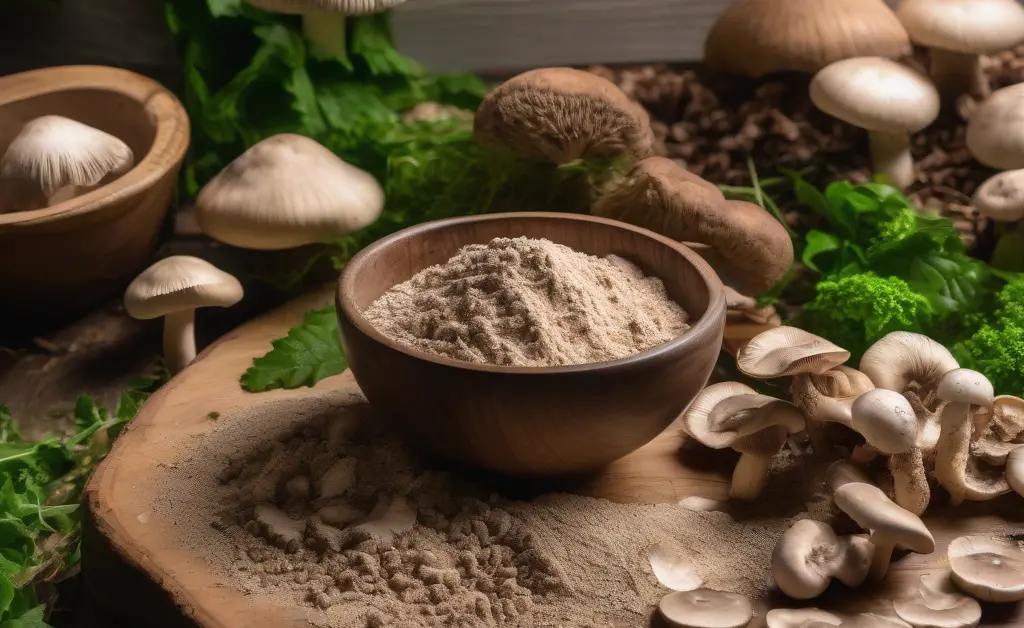
Chaga mushroom is recognized not only for its medicinal properties but also for its diverse nutrient profile. It contains essential minerals such as potassium, magnesium, calcium, and zinc, which are vital for various physiological processes. Vitamins, particularly those from the B-complex group, may also be present, supporting energy metabolism and neurological functions. The presence of dietary fiber and complex carbohydrates further adds to its nutritional value. While chaga is primarily consumed in extract or tea form, understanding its rich nutrient composition helps explain some of the therapeutic properties traditionally attributed to it and why it is valued as a natural supplement in different cultures.
Role of Polysaccharides in Health Benefits
Polysaccharides are one of the central components in chaga associated with health benefits, particularly regarding immune modulation. These complex carbohydrates have been studied for their ability to enhance the activity of immune cells such as macrophages and natural killer cells, which play a crucial role in defending the body against pathogens. Polysaccharides may also contribute to anti-inflammatory effects by regulating cytokine production and promoting balanced immune responses. Their potential adaptogenic effects help the body cope with stressors, making polysaccharides a key element behind many chaga mushroom medicinal uses. Ongoing research continues to explore the molecular mechanisms through which these compounds influence health and disease resistance. For further details, see chaga-mushroom-medicinal.
Antioxidant and Anti-Inflammatory Effects of Chaga
Antioxidant Content and Mechanism of Action
Chaga mushroom is renowned for its high antioxidant content, which is central to many of its medicinal benefits. Antioxidants in chaga, such as superoxide dismutase, phenolic compounds, and melanin, act by neutralizing free radicals—unstable molecules that can cause cellular damage. This free radical scavenging activity helps protect tissues from oxidative stress, a key factor implicated in aging and various chronic conditions. The antioxidant mechanism of chaga involves donating electrons to stabilize free radicals, preventing them from initiating harmful chain reactions within cells. This protective effect supports cellular health and may contribute to the maintenance of normal physiological functions.
Impact on Oxidative Stress and Cellular Health
The antioxidant properties of chaga translate into potential benefits for cellular health by mitigating oxidative stress. Oxidative stress occurs when there is an imbalance between free radicals and the body’s ability to detoxify them, leading to damage of DNA, proteins, and lipids. Chaga’s compounds may help restore this balance, thereby reducing the risk of cellular dysfunction. By supporting cellular integrity, chaga is thought to play a role in maintaining healthy organ function and may influence processes related to aging. This capacity to protect cells from oxidative damage underpins some of the chaga mushroom medicinal benefits widely studied in contemporary research. According to Cochrane Library, ongoing studies emphasize the importance of antioxidants in chronic disease prevention.
Anti-Inflammatory Effects
In addition to antioxidant activity, chaga mushroom exhibits anti-inflammatory effects that contribute to its therapeutic appeal. Chronic inflammation is a recognized contributor to many health disorders, and compounds in chaga may help modulate inflammatory pathways. Studies indicate that chaga can influence the production of inflammatory mediators such as cytokines and prostaglandins, potentially reducing excessive inflammatory responses. This immunomodulatory effect may support overall health by promoting a balanced immune reaction, which is essential for preventing tissue damage and maintaining homeostasis. The anti-inflammatory properties are part of the broader chaga mushroom benefits and risks profile being explored in scientific literature.
Chaga’s Effect on Cellular Aging
Cellular aging involves the gradual decline in cell function and increased susceptibility to damage over time. Chaga mushroom’s antioxidant and anti-inflammatory actions suggest it may have a protective role against factors that accelerate cellular aging. By reducing oxidative stress and inflammation, chaga could help maintain cellular vitality and delay some markers associated with aging. Furthermore, compounds such as betulinic acid may influence pathways related to cell survival and apoptosis, potentially contributing to longevity at the cellular level. While the full impact of chaga on aging requires more comprehensive clinical validation, its traditional use and emerging data highlight its promise in supporting healthy aging processes.
Immune System Support and Other Health Benefits
Immune Function Enhancement
One of the most commonly discussed chaga mushroom medicinal benefits is its role in supporting immune function. The bioactive polysaccharides in chaga are thought to enhance the activity of immune cells, which are essential for recognizing and responding to pathogens. This immune-enhancing effect may help the body maintain resilience against infections and other immune challenges. Additionally, chaga’s adaptogenic qualities might assist in regulating immune responses, preventing both under- and over-activity that can lead to health issues. These properties have made chaga a popular natural remedy in traditional medicine systems seeking to bolster the body’s defenses naturally.
Traditional and Cultural Uses of Chaga Mushroom

Historical Use of Chaga in Folk Medicine
Chaga has a long history of use in folk medicine, particularly in regions where it grows naturally, such as Siberia, Northern Europe, and parts of North America. Traditionally, it was harvested and prepared as a tea or decoction to support general health and vitality. Indigenous cultures valued chaga for its perceived ability to enhance stamina, promote longevity, and aid recovery from illness. Its use was often intertwined with spiritual and holistic health practices, reflecting a deep cultural appreciation for natural remedies. This traditional knowledge laid the foundation for modern investigations into chaga mushroom medicinal benefits, bridging ancestral wisdom with contemporary science.
Scientific Research on Chaga Mushroom Medicinal Benefits

Recent Studies on Chaga’s Medicinal Properties
Recent scientific studies have focused on validating and understanding the mechanisms behind chaga’s medicinal properties. Research has explored its antioxidant capacity, immune-modulating effects, and potential anti-inflammatory actions using in vitro and in vivo models. Some studies have also examined chaga’s impact on cellular aging and its protective effects against oxidative damage. These investigations provide promising insights, although many clinical trials are still needed to confirm efficacy and safety in humans. The growing body of evidence supports the inclusion of chaga as a subject of interest within the broader category of natural supplements with potential health-promoting effects.
Comparison of Chaga with Other Medicinal Mushrooms
When compared to other medicinal mushrooms such as reishi, lion’s mane, and cordyceps, chaga stands out for its particularly high antioxidant content and unique composition of betulinic acid and polysaccharides. While many medicinal mushrooms share immune-supporting and adaptogenic properties, chaga’s emphasis on oxidative stress reduction and cellular protection distinguishes it within this group. Each mushroom species offers distinct bioactive profiles that contribute to various aspects of health, but chaga’s specific compounds make it a valuable addition to natural health strategies. Understanding these differences helps consumers and practitioners select the most appropriate mushroom supplements according to individual health goals.
In summary, the chaga mushroom medicinal benefits encompass a wide range of effects including antioxidant protection, immune system support, and potential contributions to skin and cellular health. Its rich bioactive composition and historical use in traditional medicine underpin its emerging role in contemporary wellness practices.
Disclaimer: This article is intended for informational purposes only and does not constitute medical advice. The chaga mushroom and its extracts should not be used as a substitute for professional healthcare consultation or treatment. Individuals should consult qualified health professionals before incorporating chaga supplements into their regimen, especially if pregnant, nursing, or managing existing health conditions. The safety and efficacy of chaga require further research through rigorous clinical trials.
FAQ
— What are the main medicinal benefits of chaga mushroom?
Chaga mushroom medicinal benefits are often associated with its potential to support overall wellness, including anti-inflammatory properties and antioxidant effects. It is traditionally believed to enhance immune response and promote cellular health. However, these benefits are still being explored through ongoing research.
— How does chaga mushroom act as an antioxidant?
Chaga contains compounds such as polyphenols and superoxide dismutase, which are thought to help neutralize free radicals in the body. This antioxidant activity may contribute to reducing oxidative stress, which is linked to aging and chronic diseases. The exact mechanisms are complex and subject to further scientific investigation.
— Can chaga mushroom help improve immune function?
Chaga is frequently discussed in the context of immune modulation, meaning it may help balance immune system activity rather than simply boosting it. Some studies suggest it could support the body’s natural defenses by influencing certain immune cells. However, evidence remains preliminary and should be interpreted cautiously.
— Are there any side effects of using chaga mushroom?
While generally considered safe for many people, chaga may cause allergic reactions or interact with certain medications, particularly those affecting blood sugar or blood clotting. Individuals with autoimmune conditions or those who are pregnant should exercise caution and consult healthcare professionals before use.
— What is the best way to consume chaga mushroom for health benefits?
Chaga is commonly consumed as a tea or tincture, allowing extraction of its bioactive compounds. The preparation method often involves simmering chunks or powder to release beneficial substances. Nonetheless, the optimal form and dosage for health effects have not been definitively established.
— What traditional cultures have used chaga mushroom medicinally?
Chaga has a long history of use in Siberian, Russian, and other Northern European folk medicine traditions. These cultures have traditionally utilized chaga for its purported healing properties, particularly for digestive health and immune support. Its use reflects a broader history of medicinal mushroom application in these regions.
— How does chaga mushroom compare to other medicinal mushrooms?
Compared to other medicinal fungi like reishi or shiitake, chaga is notable for its high antioxidant content and unique chemical profile. Each mushroom species offers distinct bioactive compounds, resulting in different health-related effects. Chaga is often highlighted for its potential in supporting oxidative balance and immune health.
— What scientific evidence supports the medicinal benefits of chaga?
Research on chaga includes in vitro and animal studies that suggest antioxidant, anti-inflammatory, and immune-modulating activities. Human clinical trials remain limited, so much of the scientific support is preliminary. Continued investigation is necessary to better understand its therapeutic potential and safety profile.