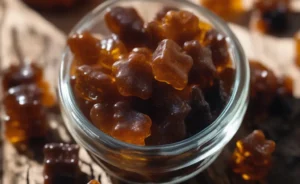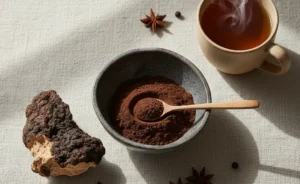

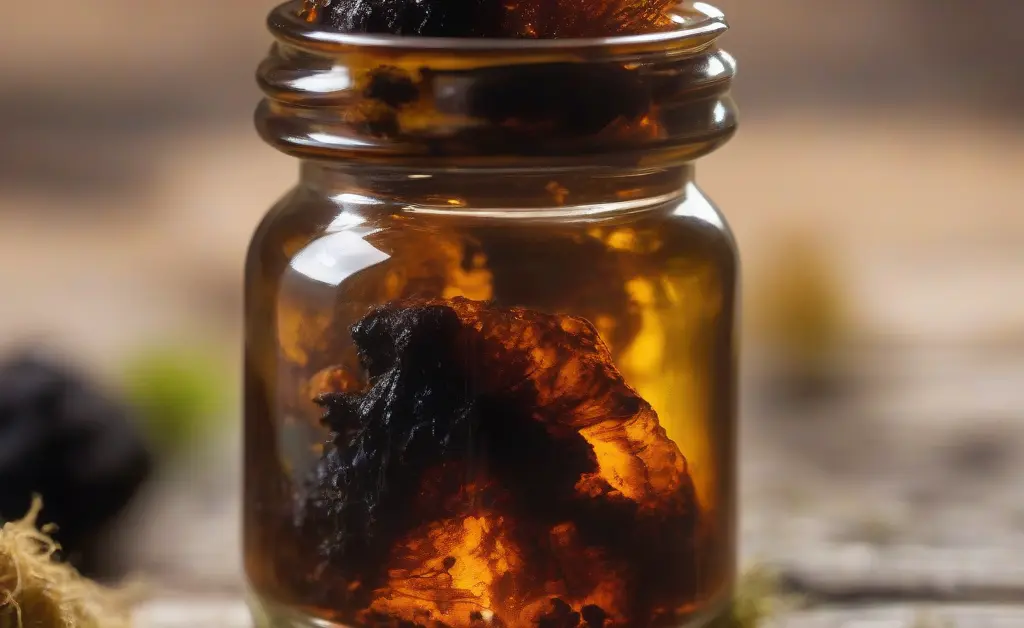
Chaga mushroom drops have gained significant attention as a convenient and potent way to incorporate the benefits of chaga into daily wellness routines. Derived from the chaga mushroom, a fungus known for its rich nutrient profile and traditional use in herbal medicine, these drops offer a concentrated form that is easy to consume. Understanding their unique properties, appropriate usage, and potential health effects can help individuals make informed decisions. This article delves into the essential aspects of chaga mushroom drops, including their preparation, health benefits, dosage guidelines, and safety considerations, providing a comprehensive resource for those interested in natural health supplements.
Chaga Mushroom Drops: Overview and Uses
Chaga mushroom drops represent a liquid extract of the chaga fungus, carefully processed to retain its bioactive compounds such as betulinic acid, melanin, and polysaccharides. These drops provide a convenient alternative to traditional forms like powders or teas, allowing for precise dosing and easier integration into daily routines. Commonly used as a herbal supplement, chaga drops are often sought for their adaptogenic and anti-inflammatory qualities, supporting overall wellness without the need for lengthy preparation.
Typically, chaga mushroom drops can be added to beverages, consumed directly, or incorporated into recipes, offering flexibility in consumption methods. Their concentrated nature means that a small amount can provide potent immune function support, aligning with the growing interest in chaga-mushroom-extract for health maintenance.
Common misconceptions about chaga mushroom drops
There are several misconceptions surrounding chaga mushroom drops that consumers should be aware of. One is the assumption that all chaga extracts are the same; however, extraction methods and source quality significantly influence the potency and efficacy of the final product. Some believe chaga drops provide immediate effects, but like most herbal supplements, their benefits typically accumulate over time with consistent use.
Another common misunderstanding is that chaga mushroom drops are a cure-all. While they are rich in antioxidants and traditionally used to support immune health, they are not substitutes for medical treatments and should be viewed as part of a holistic wellness approach. Additionally, some users expect chaga drops to have a pleasant taste similar to tea, but the natural flavor can be earthy and somewhat bitter, reflecting the authentic fungal extract.
Signs of quality in chaga mushroom drops
Identifying high-quality chaga mushroom drops involves evaluating several factors. The source of the chaga mushrooms is paramount; premium products use wild-harvested chaga from mature trees, ensuring a rich nutrient profile. Transparent labeling about extraction processes, such as water or alcohol extraction, indicates a manufacturer’s commitment to quality and potency. A reputable chaga mushroom drops product will typically list the concentration of active compounds like betulinic acid and polysaccharides.
Additionally, the absence of fillers, artificial additives, or preservatives is a hallmark of quality. Packaging should protect the extract from light and air exposure, often through amber glass bottles with droppers. Certificates of analysis or third-party testing results further validate purity and potency, giving consumers confidence in their supplement choice.
Health Benefits of Chaga Mushroom Drops
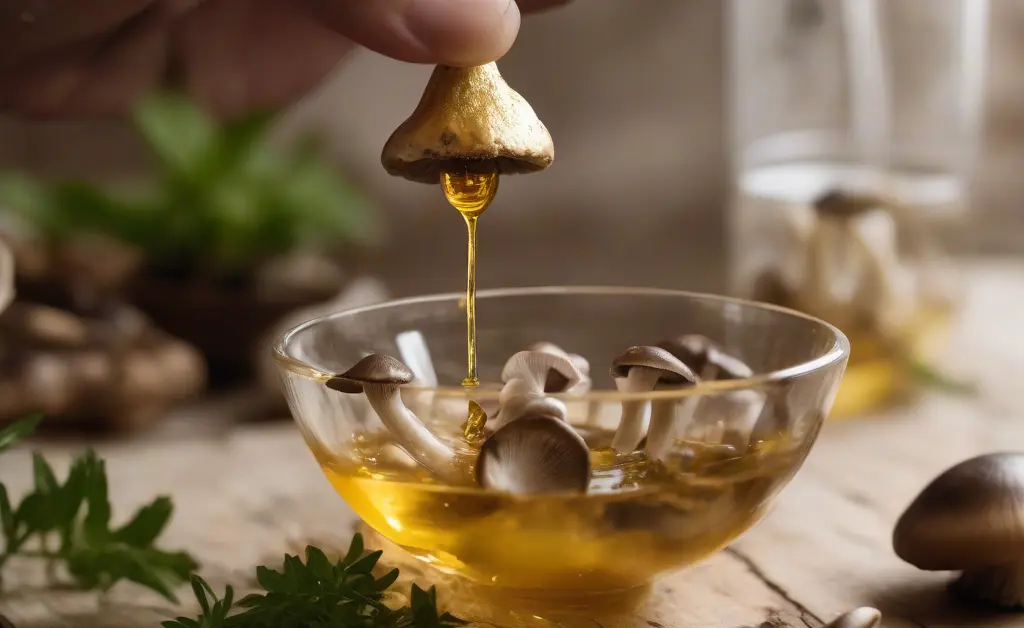
Chaga mushroom drops are increasingly studied for their potential to support various aspects of health, especially related to immune function and oxidative stress. The concentrated liquid form allows for efficient delivery of the mushroom’s bioactive compounds, aligning with traditional uses and emerging scientific insights.
Immune system support with chaga drops
One of the most celebrated benefits of chaga mushroom drops lies in their capacity to enhance immune system support. The polysaccharides present in chaga are known to modulate immune responses, potentially helping the body to maintain balanced immune activity. This fungal extract is often classified as an adaptogen, helping the body adapt to stressors while promoting overall resilience. While individual responses vary, many users incorporate chaga drops as part of a regimen to support immune health during seasonal changes or periods of increased physical or mental stress. For more detailed information on the concentrated liquid form, see chaga-mushroom-liquid-extract.
Antioxidant properties of chaga mushroom drops
Chaga is renowned for its rich antioxidant profile, which contributes to its reputation as an antioxidant-rich mushroom. The melanin and other phenolic compounds in chaga mushroom drops help neutralize free radicals, substances that can lead to cellular damage over time. This antioxidant activity is commonly associated with anti-aging effects and the promotion of cellular health. Consuming chaga in liquid extract form may allow for better absorption of these compounds, providing a practical way to harness the mushroom’s protective benefits. For safety information and to understand how to integrate such supplements responsibly, consulting resources like the CDC can be helpful.
How to Use and Dosage of Chaga Mushroom Drops
Chaga mushroom drops offer a versatile format for consumption, suitable for those who prefer liquid supplements over powders or teas. Their concentrated nature means that users can adjust intake based on personal preferences, though it is important to consider the variability in product formulations when interpreting dosage guidelines.
Recommended dosage of chaga mushroom drops
Due to the lack of standardized dosing for chaga mushroom drops, recommendations often vary between manufacturers and traditional practices. Labels usually provide suggested serving sizes that reflect typical usage rather than prescriptive amounts. Consumers are encouraged to start with lower quantities to assess individual tolerance and gradually adjust as desired. Understanding that potency can differ widely, it is advisable to select products with clear information on concentration levels and to consult general guidelines provided by herbal supplement sources.
Chaga mushroom drops can sometimes be confused with tinctures, but there is a distinction in concentration and use. For a clearer understanding about the differences, refer to the comprehensive guide on chaga-mushroom-tincture.
Safety, Precautions, and Who Should Avoid Chaga Drops

While chaga mushroom drops are generally considered safe for many individuals, certain precautions are important to consider. Awareness of potential side effects and contraindications helps ensure responsible use of this fungal extract.
Possible side effects
Some users may experience mild side effects such as digestive discomfort or allergic reactions when consuming chaga mushroom drops. Additionally, because chaga can influence blood sugar and blood thinning processes, it may interact with certain medications or pre-existing conditions. The anti-inflammatory and immune-modulating properties of chaga, while beneficial, underscore the importance of cautious use, particularly for individuals with autoimmune disorders or those undergoing surgery.
Who should avoid chaga drops
Individuals who are pregnant or breastfeeding are generally advised to avoid chaga drops due to insufficient research on safety in these populations. Those with blood clotting disorders or on anticoagulant therapy should exercise caution, as chaga’s natural compounds could affect coagulation. People with compromised immune systems or autoimmune diseases may also need to consult healthcare professionals before incorporating chaga mushroom drops into their routine. Ultimately, understanding who should not drink chaga is critical to preventing unintended health risks.
Preparation and Storage of Chaga Mushroom Drops
Proper preparation and storage of chaga mushroom drops are essential to preserve their potency and extend shelf life. Whether purchasing ready-made extracts or making them at home, attention to detail can optimize the benefits derived from this fungal supplement.
How to prepare chaga mushroom drops at home
Preparing chaga mushroom drops at home typically involves an extraction process to concentrate the active compounds into a liquid form. This can include soaking or simmering chaga chunks or powder in a solvent such as alcohol or water over an extended period, allowing the fungal constituents to infuse. The resulting extract is then strained and stored in a dark glass bottle to protect its integrity. Homemade preparations may vary in strength depending on extraction time, solvent choice, and chaga quality, so consistency and cleanliness in the process are crucial.
Proper storage conditions for chaga mushroom drops
To maintain the efficacy of chaga mushroom drops, storage in a cool, dark place is recommended, away from direct sunlight and heat sources that could degrade sensitive compounds. Amber or dark-colored glass bottles with secure droppers help minimize exposure to air and light. Refrigeration is not typically necessary but can be used if recommended by the product manufacturer. Proper sealing after each use also helps prevent contamination and oxidation.
Shelf life of chaga mushroom drops
The shelf life of chaga mushroom drops depends on factors such as extraction method, preservatives used, and storage conditions. Commercially prepared drops often include information on expiration or best-before dates, which reflect the period during which the product maintains optimal potency. Homemade extracts may have a shorter shelf life due to the absence of stabilizers. Users should monitor changes in color, odor, or consistency as indicators of potential degradation and avoid using drops that appear compromised.
Differences Between Chaga Mushroom Drops and Other Forms

Chaga mushroom is available in various forms, including powders, teas, tinctures, and drops. Understanding the differences helps consumers select the form that best matches their preferences and needs.
Comparing chaga drops to chaga tea
Chaga tea is traditionally made by simmering chunks or powder of the mushroom in hot water, resulting in a warm, mildly bitter beverage rich in water-soluble compounds. In contrast, chaga mushroom drops provide a more concentrated liquid extract, often containing both water- and alcohol-soluble constituents, which may offer enhanced bioavailability. While tea is favored for its ritualistic and soothing qualities, drops appeal to those seeking convenience and precise dosing without the time investment required for brewing.
Comparing chaga drops to chaga tinctures
Chaga tinctures are liquid extracts prepared primarily using alcohol as a solvent, capturing a broad spectrum of fungal compounds. Chaga mushroom drops often refer to these tinctures but can also denote diluted versions or formulations combined with other herbal extracts. The distinction lies in concentration and intended use; tinctures tend to be more potent and are commonly used for therapeutic purposes, whereas drops may be marketed for general wellness. Both forms share similar preparation methods but differ in strength, ease of use, and sometimes in flavor profile.
In summary, chaga mushroom drops offer a practical and potent way to access the benefits of this unique fungal extract. Their concentrated nature supports immune function and antioxidant intake, fitting well into diverse wellness routines. By understanding quality indicators, usage considerations, and safety precautions, individuals can better appreciate how chaga mushroom drops may complement their natural health strategies.
Disclaimer: This article is for informational purposes only and does not constitute medical advice. The effects of chaga mushroom drops may vary among individuals and are not intended to diagnose, treat, or cure any disease. Always consult a healthcare professional before starting any new supplement, especially if you have existing health conditions or are taking medications. The information provided here reflects current knowledge and may evolve with ongoing research.
FAQ
— What are chaga mushroom drops used for?
Chaga mushroom drops are often used as a natural supplement believed to support overall wellness. They are traditionally associated with antioxidant properties and may be included in routines aimed at promoting general health.
— How do I take chaga mushroom drops?
Typically, these drops are added to beverages such as tea or water, but the exact method can vary depending on the product. It is important to refer to the product’s instructions or consult with a knowledgeable source for guidance.
— Are chaga mushroom drops safe?
Chaga mushroom drops are generally considered safe for most people when sourced responsibly. However, individuals with certain medical conditions or those taking specific medications may need to exercise caution and seek professional advice before use.
— Can chaga mushroom drops boost the immune system?
Chaga mushroom drops are often discussed in the context of immune support due to their bioactive compounds. While some research suggests potential benefits, definitive conclusions require more comprehensive scientific study.
— How should chaga mushroom drops be stored?
These drops are best stored in a cool, dark place away from direct sunlight to maintain their potency. Proper sealing after each use can help prevent contamination and degradation.
— What is the difference between chaga mushroom drops and tinctures?
Chaga mushroom drops typically refer to a liquid extract form, which may be more concentrated or diluted than tinctures. Tinctures are generally alcohol-based extracts, whereas drops might use different solvents or formulations.
— Can chaga mushroom drops be used in cooking?
Yes, chaga mushroom drops can sometimes be incorporated into recipes, particularly in beverages or smoothies. Their flavor profile often adds an earthy note, but their use in cooking is less common compared to traditional extracts.
— How long do chaga mushroom drops last after opening?
The shelf life after opening can vary depending on the formulation and storage conditions. Many products recommend using them within a certain period to ensure effectiveness and safety, so checking the label is advisable.