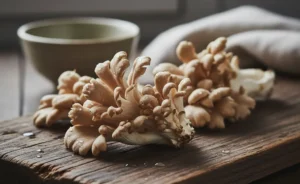

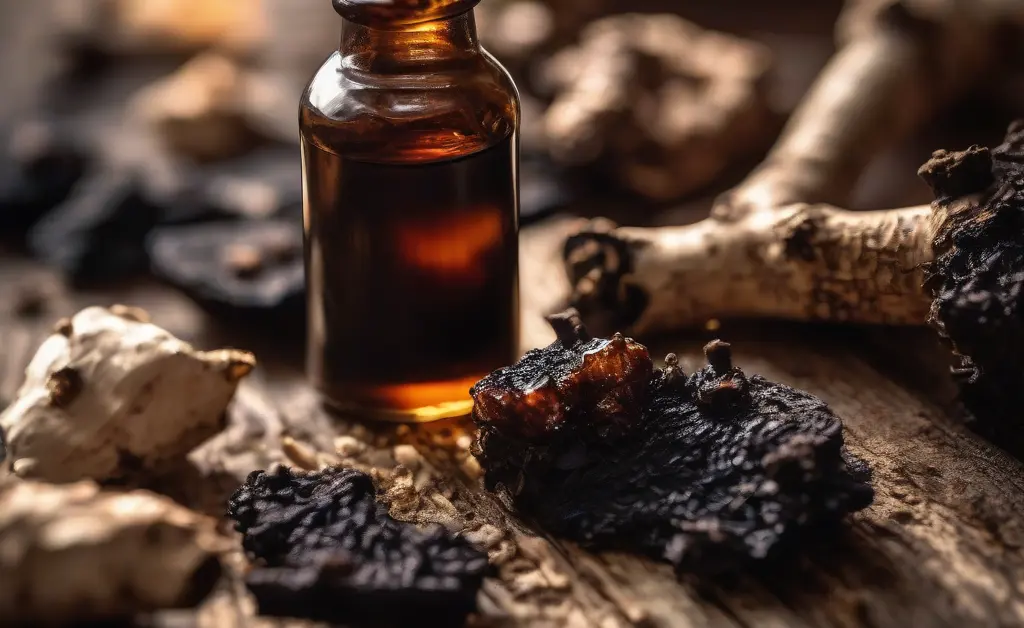
Chaga mushroom tinctures have gained significant attention for their potential health benefits and convenient use. Derived from a fungus that grows primarily on birch trees, these tinctures are valued for their rich antioxidant content and adaptogenic properties. As interest grows in natural health products, understanding what distinguishes a high-quality tincture and how to use it safely becomes essential. This article explores the nuances of chaga mushroom tincture, including its preparation, benefits, types, and proper storage. Whether you are new to herbal supplements or looking to deepen your knowledge, this comprehensive guide offers valuable insights to help you make informed decisions about incorporating chaga tinctures into your wellness routine.
What is Chaga Mushroom Tincture?
A chaga mushroom tincture is a concentrated liquid extract derived from the chaga mushroom, a type of fungus that predominantly grows on birch trees in cold climates. This tincture captures the bioactive compounds of chaga, including polysaccharides, betulinic acid, and antioxidants, in a form that is easy to incorporate into daily wellness routines. Unlike powders or teas, tinctures offer enhanced bioavailability, allowing the body to absorb these compounds more efficiently. The preparation method typically involves soaking chaga in alcohol, water, or a combination of both to extract a broad spectrum of beneficial constituents. As a natural herbal extract, the tincture serves as a convenient way to access the adaptogenic and immune-supporting properties associated with chaga mushroom extract.
Signs of Quality Chaga Mushrooms
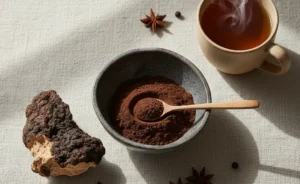
High-quality chaga mushrooms are usually wildcrafted from mature birch trees, ensuring the presence of critical compounds such as betulin and betulinic acid, which are absorbed from the host tree. The appearance of quality chaga is characterized by a dense, black outer crust with a rusty orange interior, indicating proper maturation. Additionally, sustainably harvested chaga that has been dried correctly retains its potent antioxidant content and polysaccharides, which are essential for immune modulation. When selecting chaga for tincture preparation, sourcing from reputable suppliers who emphasize organic and wildcrafted origins enhances the likelihood of a superior final product.
What to Look for in a Quality Tincture
A quality chaga mushroom tincture will clearly indicate the extraction method used, such as alcohol-based, water-based, or dual extraction, each influencing the profile of extracted compounds. Transparency about ingredient sourcing, including whether the chaga is wildcrafted and organic, is also a key indicator of product integrity. High-quality tinctures typically avoid unnecessary fillers or additives and provide information on the concentration of active ingredients like polysaccharides and antioxidants. Packaging in dark glass bottles helps protect the tincture from light degradation, preserving potency over time. Consumers should also look for certifications or third-party testing that confirm purity and potency, ensuring they receive the full spectrum of chaga mushroom benefits.
Chaga Mushroom Tincture Benefits and Health Effects

Chaga mushroom tinctures are commonly associated with supporting immune function due to their rich content of polysaccharides and antioxidants. These compounds contribute to immune modulation, helping the body respond to stressors while maintaining balance. The adaptogenic qualities of chaga may help the body adapt to various physical and environmental challenges, promoting overall resilience. Additionally, the high antioxidant capacity of chaga tinctures can combat oxidative stress, which is linked to aging and chronic inflammation. While research on chaga mushroom benefits is ongoing, many herbalists and natural health practitioners appreciate tinctures for their potential to support wellness, particularly in enhancing antioxidant intake and contributing to immune support regimens. For reliable health information, refer to the NIH website.
How to Make Chaga Mushroom Tincture
Making a chaga mushroom tincture involves extracting the valuable compounds from the mushroom using solvents such as alcohol and water. The process requires careful preparation to maximize the extraction of both water-soluble polysaccharides and alcohol-soluble compounds like betulinic acid. Typically, dried and ground chaga chunks are soaked over an extended period, allowing the solvents to draw out the bioactive constituents. Attention to temperature and extraction time plays a significant role in the quality and potency of the final tincture, reflecting traditional and modern herbal extraction techniques.
Chaga double extraction tincture recipe
A double extraction process leverages both water and alcohol to capture the full spectrum of chaga’s beneficial compounds. Initially, the chaga is simmered in water to extract polysaccharides and other water-soluble elements. After this, the mushroom material is soaked in alcohol to draw out the alcohol-soluble components such as betulinic acid. Combining these two extracts results in a dual-extracted tincture that offers enhanced bioavailability and potent immune support properties. This method aligns with traditional herbal medicine practices, emphasizing thorough extraction to create a balanced and effective natural supplement.
Common Mistakes When Making Tinctures
One frequent mistake is using chaga that has not been properly dried or is sourced from inferior quality mushrooms, which can negatively impact the tincture’s potency. Another common error is insufficient extraction time, which may lead to a weaker tincture lacking the full range of active compounds. Using improper solvent ratios or failing to perform a double extraction can also limit the efficacy of the final product. Furthermore, neglecting to store the tincture in a cool, dark place during the extraction process can degrade sensitive antioxidants. Understanding these pitfalls is crucial for creating a tincture that truly reflects the chaga mushroom benefits sought by consumers.
Types and Extraction Methods of Chaga Mushroom Tinctures
Chaga mushroom tinctures come in several forms based on their extraction methods, each influencing the potency and profile of extracted compounds. Understanding these types helps consumers select tinctures that best fit their wellness goals and preferences. The extraction techniques focus on isolating different classes of bioactive substances, including antioxidants and immune-supportive polysaccharides, using solvents like alcohol and water in various combinations.
Alcohol-Based Tinctures
Alcohol-based tinctures are effective at extracting compounds such as betulinic acid and other triterpenoids, which are soluble in alcohol but not in water. These tinctures typically have a longer shelf life due to alcohol’s preservative properties and provide a concentrated form of chaga’s medicinal components. They are favored for their potency and the convenience of dosing, often used in immune support supplements. However, alcohol-based extractions may lack certain water-soluble polysaccharides, which play a significant role in immune modulation.
Water-Based Tinctures
Water-based tinctures or decoctions focus on extracting polysaccharides and other water-soluble nutrients from chaga. These compounds are known for their immune-enhancing effects, contributing to the adaptogenic profile of the mushroom. While water extractions capture these vital components, they can be less stable and have a shorter shelf life compared to alcohol tinctures. Water-based extracts are often consumed as teas or in liquid form and are appreciated for their gentle yet effective support of the body’s natural defenses. For those interested in convenient dosing options, chaga mushroom drops can provide an accessible form of water-based extract.
Dual Extraction Process
The dual extraction process combines both alcohol and water extraction methods to harness the full range of chaga’s bioactive compounds. This approach ensures that both water-soluble polysaccharides and alcohol-soluble triterpenoids are present in the final tincture, maximizing therapeutic potential. Dual extraction is considered the gold standard in herbal tincture preparation for medicinal mushrooms, including chaga, as it balances immune modulation and antioxidant activity. The process requires careful control of temperatures and timing to preserve delicate compounds and maintain potency.
Dual-Extracted Tinctures
Dual-extracted chaga tinctures represent the highest quality form of mushroom extract, offering enhanced bioavailability and a comprehensive profile of active ingredients. These tinctures typically come with clear labeling to inform consumers about the extraction methods used and the concentration of key constituents. By combining both extraction techniques, dual-extracted tinctures provide a robust supplement option, commonly associated with improved immune support and adaptogenic effects. Their popularity continues to grow among herbalists and those seeking natural ways to promote wellness. For an example of a high-quality dual-extracted supplement, see chaga mushroom liquid extract.
How Extraction Affects Potency
The potency of chaga mushroom tincture is closely tied to the extraction method employed. Alcohol extraction favors triterpenoids and other alcohol-soluble compounds, while water extraction targets polysaccharides. The dual extraction method enhances overall potency by ensuring a broad spectrum of constituents is present. Additionally, factors such as extraction time, temperature, and solvent quality influence the concentration and stability of active ingredients. Proper extraction techniques increase the bioavailability of these compounds, enabling the tincture to deliver more pronounced chaga mushroom benefits in supporting immune health and antioxidant defenses.
How to Use Chaga Mushroom Tincture Safely
Using chaga mushroom tincture safely involves understanding general guidelines around consumption and awareness of individual health considerations. While tinctures offer a convenient and potent way to enjoy chaga mushroom benefits, people should consider factors such as their current health status, potential interactions with medications, and personal sensitivities. Consulting with knowledgeable practitioners can provide additional context for safe use within a wellness plan.
Recommended Dosage
Dosage recommendations for chaga mushroom tinctures can vary widely depending on the product concentration and individual needs. Labels often provide suggested serving sizes, but these should be considered general guidelines rather than prescriptive instructions. Consumers should be aware that the potency of tinctures differs based on extraction methods and source material quality. Awareness of these variables helps users recognize the importance of starting with lower amounts to assess tolerance and response. The lack of standardized dosing underscores the need for cautious and informed consumption practices.
Methods of Consumption
Chaga tinctures can be consumed in several ways, such as placing drops directly under the tongue for sublingual absorption or diluting them in water, tea, or other beverages. Sublingual administration may offer faster absorption due to the rich vascularization under the tongue, while mixing tinctures with drinks can enhance palatability and ease of ingestion. Some users incorporate tinctures into their daily routines alongside other natural herbal extracts or immune support supplements. Regardless of the method chosen, attention to personal preference and comfort plays a role in consistent use. For those seeking convenient dosing, chaga mushroom drops offer a user-friendly option.
Safety Precautions When Using Tinctures
It is important to exercise caution when using chaga mushroom tinctures, especially for individuals with underlying health conditions or those taking medications that might interact with herbal supplements. Monitoring for any adverse reactions and discontinuing use if unusual symptoms arise is advisable. Pregnant or breastfeeding individuals and those with certain medical conditions should seek professional guidance before incorporating chaga tinctures. Additionally, sourcing tinctures from reputable manufacturers reduces the risk of contamination or adulteration. Maintaining awareness of these safety considerations helps optimize the benefits while minimizing potential risks.
Storage and Shelf Life of Chaga Mushroom Tincture
Proper storage of chaga mushroom tinctures is essential to maintain their potency and extend shelf life. Exposure to light, heat, and air can degrade sensitive compounds such as antioxidants and polysaccharides, reducing the tincture’s effectiveness over time. Storing tinctures in cool, dark environments and in airtight containers helps preserve their bioactive constituents. Understanding shelf life also assists consumers in using products within a timeframe that ensures maximum benefit from the chaga mushroom extract.
Best Practices for Storing Tinctures
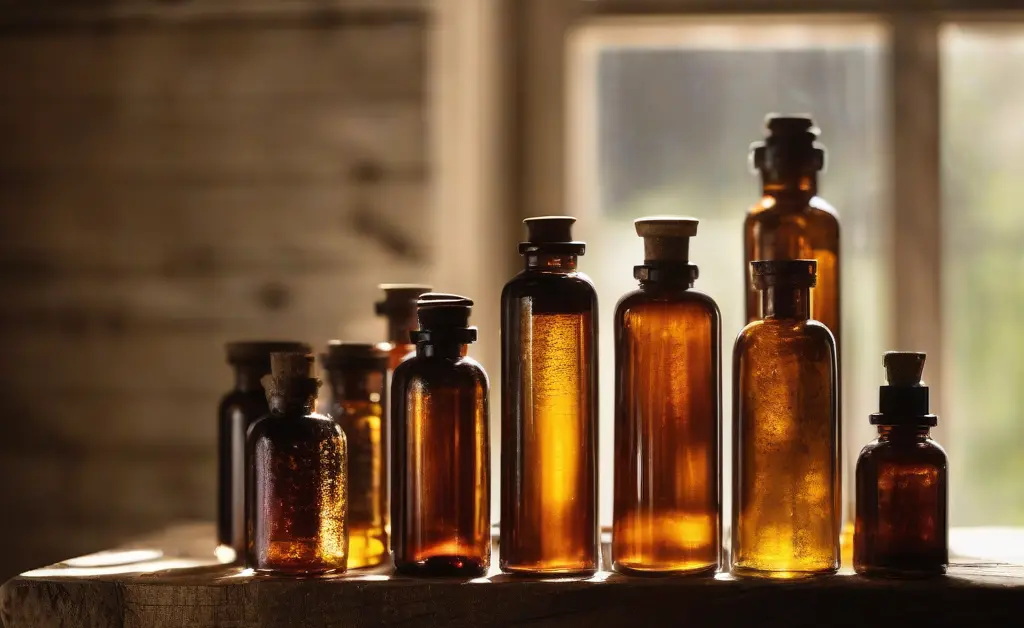
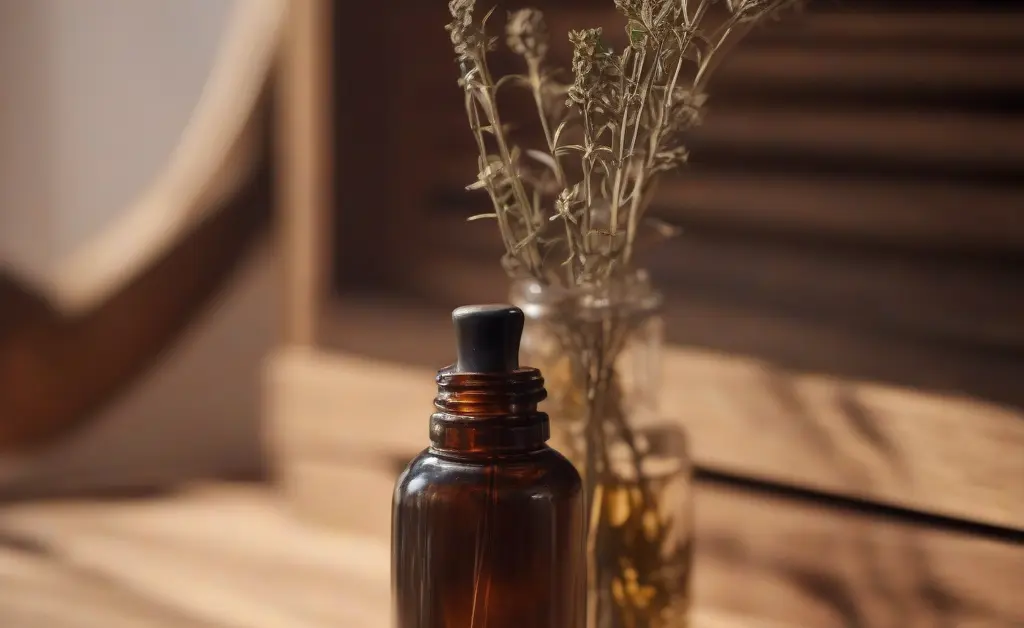
To maintain the quality of a chaga mushroom tincture, it is best stored in dark amber or cobalt blue glass bottles that shield the extract from light exposure. Keeping the tincture in a cool place, away from direct sunlight and temperature fluctuations, helps protect delicate compounds. Ensuring the bottle is tightly sealed minimizes oxidation and evaporation of the solvent, preserving potency. Avoiding contamination by using clean droppers or utensils when dispensing tincture is also recommended. These practices collectively support the longevity and efficacy of herbal tinctures.
Differences Between Chaga Mushroom Tincture and Other Forms
Chaga mushroom is available in various forms, including tinctures, powders, and teas, each offering distinct advantages and considerations. Tinctures provide concentrated extracts with enhanced bioavailability, while powders and teas represent more traditional preparations. Understanding the differences helps individuals select the form that aligns best with their lifestyle and wellness goals, particularly in relation to chaga mushroom benefits and consumption preferences.
Comparing Tinctures to Powders and Teas
Tinctures typically deliver a more potent and easily absorbed form of chaga compared to powders and teas, which may require longer preparation and offer variable extraction efficiency. Powders provide flexibility for use in smoothies, capsules, or cooking, but their bioactive components may be less concentrated or slower to absorb. Teas, made by steeping chaga in hot water, extract primarily water-soluble compounds and are often enjoyed for their mild flavor and traditional use. Each form carries its own set of benefits and limitations, with tinctures standing out for their convenience, shelf stability, and comprehensive extraction of both water- and alcohol-soluble constituents.
In summary, chaga mushroom tincture is a valuable herbal extract offering a unique combination of antioxidant-rich and adaptogenic properties. Through careful extraction methods and attention to quality, these tinctures deliver potent immune support and contribute to overall wellness. Understanding the nuances of chaga tincture preparation, types, and safe usage equips consumers to make informed choices that align with their health objectives. Whether integrated as part of a natural supplement regimen or explored for its traditional medicinal qualities, chaga mushroom tincture remains a prominent option among medicinal mushrooms in natural health practices.
Disclaimer: This article is for informational purposes only and does not constitute medical advice. The information provided does not replace consultation with a qualified healthcare professional. Individual responses to herbal supplements may vary, and it is important to consider personal health conditions before use. Always seek guidance from a healthcare provider regarding the suitability of any supplement for your specific needs.
FAQ
— What is a chaga mushroom tincture used for?
A chaga mushroom tincture is often used as a herbal supplement believed to support immune function and overall wellness. It is traditionally referenced in alternative medicine for its potential antioxidant properties. People sometimes incorporate it into their health routines for its reputed adaptogenic effects.
— How do you make chaga mushroom tincture?
Making a chaga mushroom tincture typically involves extracting the beneficial compounds from the mushroom using alcohol or a combination of alcohol and water. This process may take several weeks to ensure the active constituents are adequately drawn out. The resulting liquid is then strained and stored for use.
— What does dual-extracted mean in chaga tinctures?
Dual-extracted refers to the process where both alcohol and water are used to extract a broader range of compounds from the chaga mushroom. This method aims to capture both alcohol-soluble and water-soluble components, potentially enhancing the tincture’s overall effectiveness. It is a common technique to maximize the medicinal qualities of the mushroom.
— How do you take chaga mushroom tincture?
Chaga mushroom tincture is usually taken by adding a few drops to water, tea, or other beverages. The exact method can vary depending on individual preferences and product instructions. It is often consumed as part of a daily health regimen.
— Is chaga mushroom tincture organic?
Whether a chaga mushroom tincture is organic depends on the sourcing and certification of the product. Some manufacturers emphasize organic harvesting and production to avoid pesticides and contaminants. Checking product labels or company information can provide clarity on organic status.
— How long does chaga mushroom tincture last?
The shelf life of chaga mushroom tincture is generally extended due to the alcohol content, which acts as a preservative. Proper storage away from heat and direct sunlight can help maintain its potency over time. Users often find that it remains usable for many months when stored correctly.
— Can chaga mushroom tincture be used with other supplements?
Chaga mushroom tincture is commonly combined with other supplements, but it is advisable to consider potential interactions. Consulting with a healthcare professional can help ensure compatibility with other products. Many seek to integrate it into a broader wellness routine cautiously.
— What should I look for when buying chaga mushroom tincture?
When purchasing chaga mushroom tincture, look for products that specify sourcing details, extraction methods, and purity. Quality indicators often include organic certification and third-party testing results. The term chaga mushroom tincture itself may be associated with certain standards of preparation and potency.