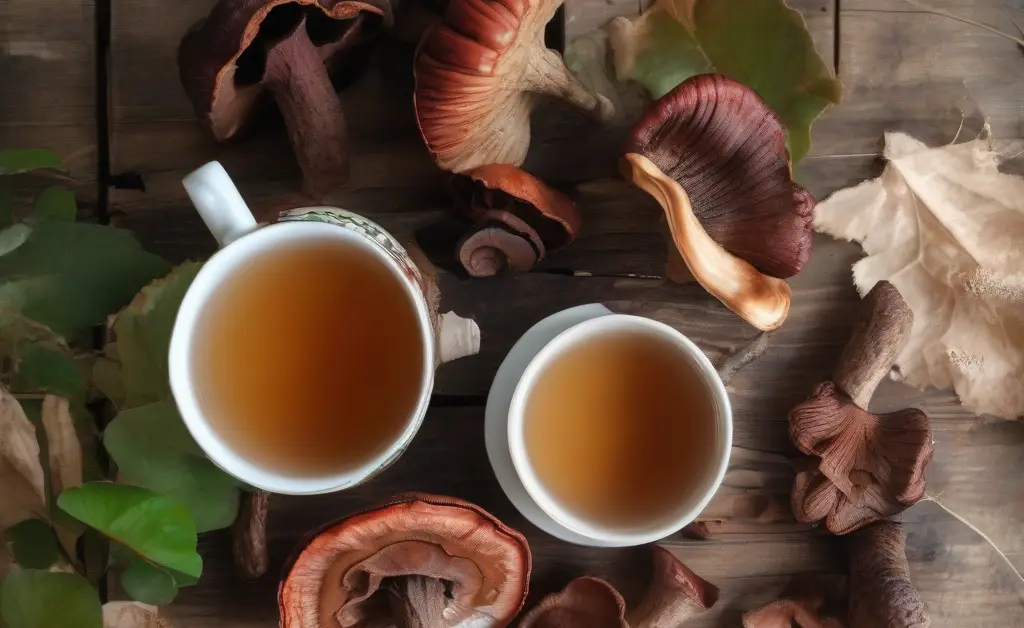
Reishi mushroom tea has gained recognition for its potential health-promoting properties and unique earthy flavor. As an herbal infusion derived from the Reishi fungus, it has been traditionally valued in various cultures for its adaptogenic qualities and immune-supporting effects. Exploring this tea involves understanding both its origins and the best practices for preparation to fully appreciate its benefits. Whether you are new to this herbal brew or looking to deepen your knowledge, this guide will provide detailed insights into selecting quality Reishi mushrooms, brewing techniques, and the health advantages associated with regular consumption. Additionally, it will cover safety considerations and cultural contexts that enrich the overall experience of incorporating Reishi mushroom tea into a wellness routine.
What is Reishi Mushroom Tea?
Reishi mushroom tea is a botanical infusion made from the fruiting bodies or mycelium of the Ganoderma lucidum fungus, commonly known as Reishi. This herbal tea is prized for its distinct earthy flavor and is often consumed as an adaptogenic tea, which means it may help the body adapt to stress and promote overall balance. The tea is traditionally brewed by simmering slices or powdered form of the mushroom, releasing bioactive compounds such as polysaccharides and triterpenes, which are studied for their immune modulation and antioxidant properties. The resulting tea is not only a beverage but a natural wellness tonic that has been integrated into traditional medicine systems for centuries.
Identifying Quality Reishi Mushrooms
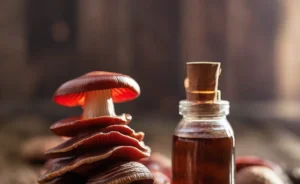
Choosing high-quality Reishi mushrooms is crucial to fully benefit from the tea’s reputed effects. Quality Reishi mushrooms typically have a hard, woody texture with a shiny, lacquered appearance on the cap, which indicates freshness and proper drying methods. When sourced for tea, they should be free from mold and contaminants, often certified organic to ensure purity. Reishi mushrooms used in teas are commonly harvested from natural forests or cultivated under controlled conditions to preserve their medicinal qualities. Consumers may encounter various grades, including whole dried slices, powder, or extracted blends, each offering different potency levels. Understanding these distinctions helps in selecting the best form for brewing reishi mushroom supplement that aligns with individual preferences and health considerations.
Reishi Mushroom Tea Benefits
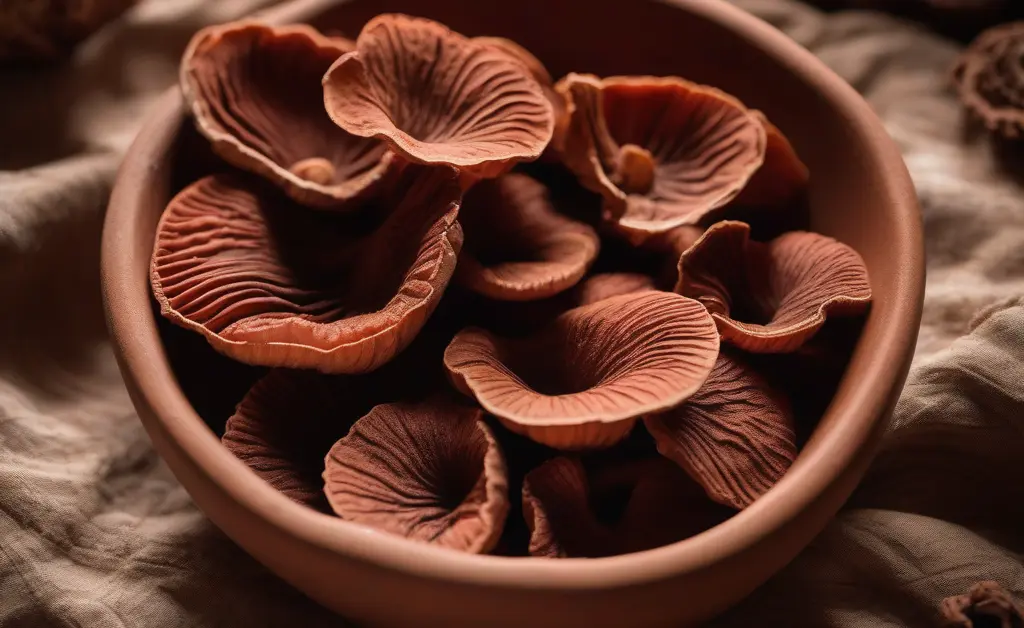
Reishi mushroom tea is commonly associated with a range of health advantages, largely attributed to its adaptogenic properties and the presence of bioactive compounds like polysaccharides and triterpenes. One of the primary benefits linked to this tea is immune support, as it may help modulate immune system activity, promoting resilience against environmental stressors. Additionally, the tea is often consumed for its calming effects, contributing to stress relief and relaxation, which are valuable in today’s fast-paced lifestyles. Some studies suggest that antioxidants found in Reishi mushrooms can support overall cellular health by combating oxidative stress. While these benefits are traditionally recognized, ongoing research continues to explore the extent of reishi mushroom tea benefits in natural wellness contexts. Relevant scientific studies can be found on PubMed.
How to Prepare Reishi Mushroom Tea
Brewing Instructions
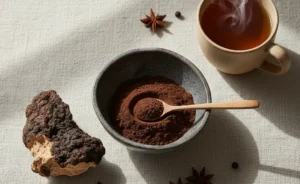
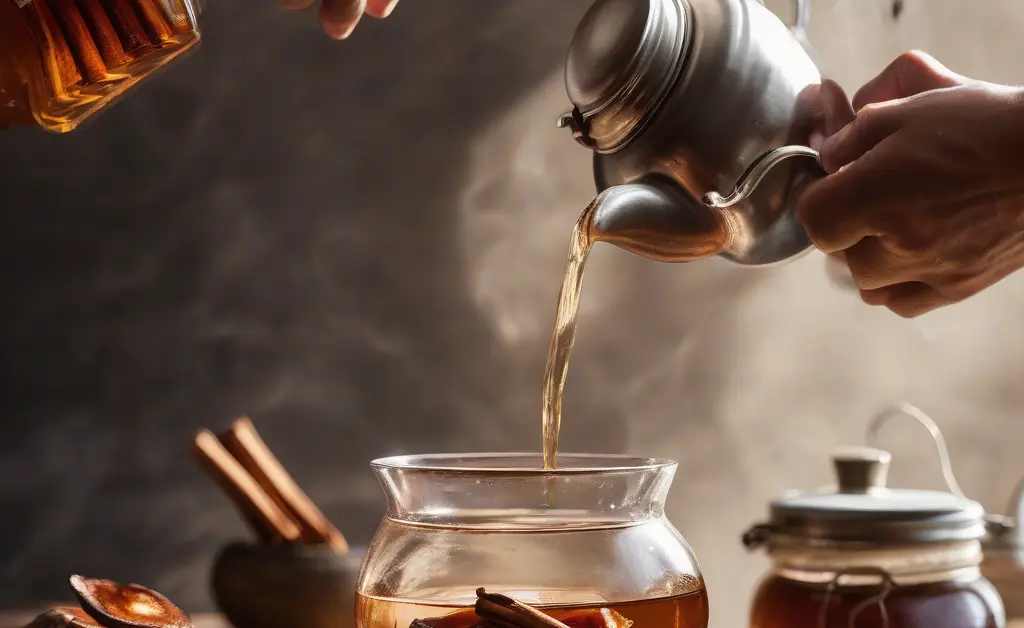
Brewing reishi mushroom tea involves a process that allows the release of its complex compounds into the water, often requiring a longer simmering time compared to typical herbal teas. The mushrooms are usually sliced or powdered and simmered gently to extract the desired bioactive elements such as polysaccharides and triterpenes. This slow extraction is essential because these compounds are not as readily soluble as those in common teas. The brewing process can be adjusted depending on the form of Reishi used—whole slices may need extended simmering, while powders or extracts might steep more quickly. Proper brewing techniques ensure a flavorful infusion with a characteristic earthy flavor and maximize the potential health benefits revered in traditional herbal teas. For a convenient option, consider trying a reishi mushroom drink that offers ready-to-use preparations.
Different Preparation Methods
There are several ways to prepare reishi mushroom tea, each offering a unique experience and concentration of beneficial compounds. Traditional methods often involve simmering dried Reishi slices in water over low heat for an extended period, which helps to break down the tough mushroom structure. Alternatively, powdered Reishi can be steeped like a typical tea, sometimes blended with other herbs to enhance flavor and effects. Some modern preparations utilize concentrated fungal extracts for a more potent infusion, often mixed with complementary adaptogenic herbs such as eleuthero or calming herbs like roasted dandelion root. These variations allow for flexibility in brewing reishi mushroom tea, catering to different taste preferences and wellness goals. For added potency and ease, a reishi mushroom tincture may be used in combination with traditional brewing methods.
Storage Tips for Reishi Mushroom Tea
To maintain the quality and potency of reishi mushroom tea, proper storage of both the raw mushroom material and the brewed tea is important. Dried Reishi mushrooms or powder should be kept in a cool, dark, and dry environment, ideally in airtight containers to prevent moisture and light degradation. Once brewed, the tea is best consumed fresh to enjoy its full flavor and benefits, though it can be refrigerated for a short period if necessary. Avoid storing brewed tea for extended times to prevent loss of bioactive compounds and changes in taste. Awareness of these storage practices helps preserve the natural wellness qualities associated with reishi mushroom tea.
Reishi Mushroom Tea Recipe
Recommended Serving Suggestions
Serving reishi mushroom tea can be customized to enhance enjoyment and complement its earthy flavor profile. The tea is often consumed plain to appreciate its natural taste and aroma, but many also add natural sweeteners or combine it with soothing ingredients like honey or cinnamon for added warmth. Serving the tea warm is traditional, supporting its role as a calming and stress relief tea, but chilled versions are also enjoyed for a refreshing botanical infusion. Incorporating reishi mushroom tea into daily rituals can be a mindful practice, allowing the natural wellness properties to be part of a balanced lifestyle. For a delicious twist, consider exploring reishi mushroom hot chocolate recipes that blend the mushroom’s earthy flavor with comforting cocoa notes.
Flavor Variations
The naturally bitter and earthy flavor of reishi mushroom tea may be modified through various flavoring options to suit different palates. Some people blend the tea with chocolatey tonic components or roasted dandelion root to introduce subtle sweetness and depth. Others might mix it with rooibos tea or other calming herbs to create a more complex herbal tea blend that balances bitterness with smooth, rich undertones. These flavor variations not only improve palatability but can also enhance the overall experience by combining complementary health benefits from multiple botanicals.
Combining Reishi Mushroom Tea with Other Herbs
Combining reishi mushroom tea with other herbs is a common practice to amplify its adaptogenic and immune-supporting effects while creating harmonious flavor profiles. Popular additions include eleuthero, known for its energy-boosting properties, and calming herbs like chamomile or lavender, which promote relaxation. Blending reishi with these botanicals can transform the tea into a versatile herbal tea blend that addresses multiple wellness needs, such as stress relief or immune modulation. These combinations reflect traditional medicine approaches where botanical infusions are tailored for specific health goals.
Reishi Mushroom Tea Side Effects
Safety Precautions
While reishi mushroom tea is generally well-tolerated, safety precautions are important to consider, especially for individuals with specific health conditions or sensitivities. Some people may experience mild digestive discomfort or allergic reactions, although such cases are uncommon. It is advisable to source Reishi mushrooms from reputable suppliers to avoid contamination. Additionally, understanding personal health status and consulting knowledgeable sources can help mitigate potential risks. Awareness of safety considerations ensures that reishi mushroom tea is enjoyed as a supportive herbal infusion without unintended effects.
Possible Interactions with Other Herbal Teas
Reishi mushroom tea may interact with certain herbal teas or supplements due to overlapping bioactive compounds that influence immune function or blood thinning. For example, combining it with other potent adaptogenic teas or botanical infusions that affect circulation requires cautious consideration. Such interactions do not inherently pose danger but underscore the importance of informed consumption, especially for those incorporating multiple herbal products into their routine. Being mindful of these potential interactions helps maintain a balanced approach to natural wellness practices.
History and Cultural Significance of Reishi Mushroom Tea
Traditional Uses of Reishi Mushroom Tea
Reishi mushroom tea holds a venerable place in traditional medicine systems, particularly within East Asian cultures such as Chinese and Japanese herbal practices. Historically, it was revered as a “mushroom of immortality,” symbolizing longevity and spiritual potency. Traditionally used to enhance qi, or vital energy, the tea was consumed to support immune health, mental clarity, and emotional balance. These cultural roots have preserved the significance of Reishi mushroom tea as more than just a beverage, but as a holistic remedy integrated into rituals and daily life.
Modern Popularity and Trends
In recent years, reishi mushroom tea has experienced a surge in popularity beyond its traditional contexts, aligning with contemporary trends in natural wellness and functional beverages. It is increasingly featured in specialty tea blends, adaptogenic formulas, and health-conscious product lines. Consumers drawn to its immune support and stress relief benefits appreciate its role as a calming herbal tea alternative to caffeinated drinks. This modern embrace reflects a broader interest in medicinal mushrooms and botanical infusions as part of holistic health routines worldwide.
Environmental Impact of Reishi Mushroom Harvesting
The rising demand for reishi mushroom tea has implications for the environment, particularly concerning sustainable harvesting and cultivation practices. Wild harvesting can threaten natural populations if not managed responsibly, leading to habitat disruption. In response, cultivation efforts have expanded, employing controlled growth methods that minimize ecological impact while ensuring consistent quality. Sustainable sourcing is increasingly emphasized by suppliers and consumers alike to preserve biodiversity and promote ethical consumption. Recognizing these environmental factors adds depth to the appreciation of reishi mushroom tea’s place in both nature and culture.
Types of Reishi Mushrooms Used in Tea
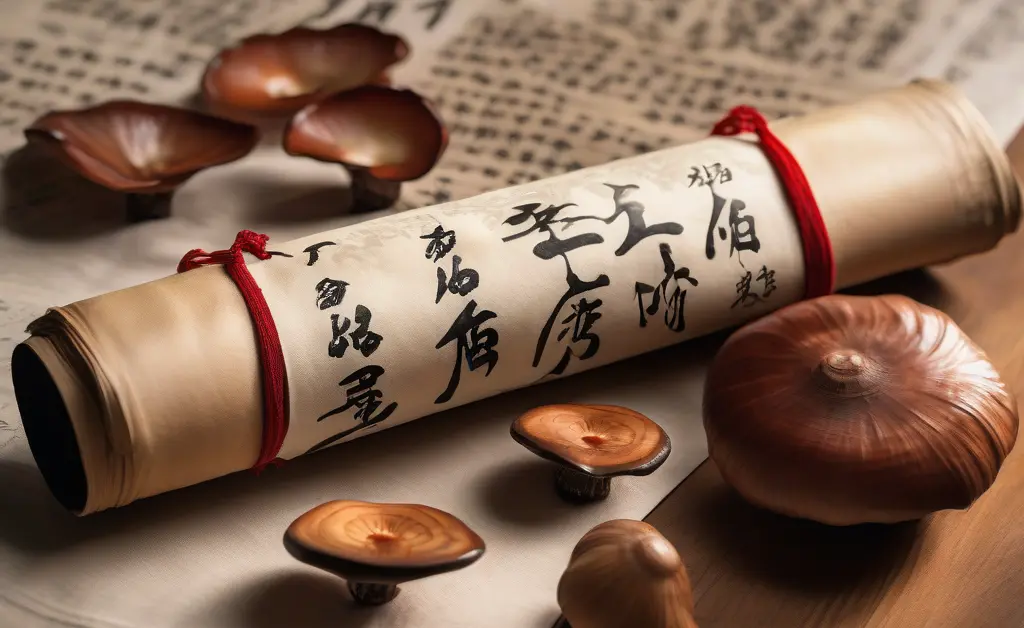
Various species within the Ganoderma genus are used to produce reishi mushroom tea, each with subtle differences in chemical composition and flavor. The most common is Ganoderma lucidum, known for its glossy red cap and potent medicinal properties. Other types may include black or purple Reishi varieties, which contribute unique profiles to the tea’s taste and potential effects. These distinctions influence the tea’s adaptogenic qualities and the balance of polysaccharides and triterpenes present in the infusion. Understanding the types of Reishi mushrooms used helps consumers select teas that best suit their preferences and wellness intentions.
Incorporating reishi mushroom tea into a wellness routine offers a rich tapestry of traditional wisdom and modern natural health insights. Its adaptogenic properties and immune system support make it a valued herbal tea, appreciated for both its calming earthy flavor and its potential to contribute to overall balance. Whether brewed as a standalone tonic or combined with other herbs, reishi mushroom tea remains a compelling choice for those exploring medicinal mushrooms and botanical infusions in pursuit of natural wellness.
Disclaimer: This article is intended for informational purposes only and does not constitute medical advice. The effects of reishi mushroom tea can vary between individuals, and it should not replace professional healthcare guidance. Consult a qualified health practitioner before integrating any new herbal products into your routine, especially if you have pre-existing medical conditions or are taking medications. The information provided here reflects traditional uses and current knowledge but is not a substitute for personalized medical consultation.
FAQ
— What does reishi mushroom tea taste like?
Reishi mushroom tea is often described as having a bitter and earthy flavor, with woody undertones. Some people find the taste somewhat strong and slightly astringent, which can be mellowed by blending with other herbs or sweeteners.
— How do you brew reishi mushroom tea?
Typically, reishi mushroom tea is brewed by simmering dried slices or powdered form in hot water to extract its compounds. The process usually involves a longer steeping time to fully release the flavors and potential beneficial components.
— What are the benefits of drinking reishi mushroom tea?
Reishi mushroom tea has been traditionally referenced for its potential immune-supporting properties and general wellness effects. It is often discussed in herbal circles for its adaptogenic qualities, which may help the body respond to stress. Scientific research continues to explore its full range of effects.
— Can reishi mushroom tea help with stress?
There are traditional claims that reishi mushroom tea may assist with stress reduction due to its adaptogenic nature. While some users report feeling calmer after consumption, clinical evidence is still emerging to confirm these effects definitively.
— Are there any side effects of drinking reishi mushroom tea?
Some individuals might experience mild digestive discomfort or allergic reactions when consuming reishi mushroom tea. It is generally considered safe for many, but caution is advised, especially for those with underlying health conditions or who are pregnant.
— How long does reishi mushroom tea take to brew?
The brewing time for reishi mushroom tea is usually extended compared to other herbal teas, often requiring a slow simmer to properly extract its components. This process can take from several minutes up to longer, depending on preparation methods.
— Can reishi mushroom tea be consumed daily?
Many traditional practices suggest that reishi mushroom tea can be incorporated into a daily routine, although individual tolerance varies. It is advisable to observe how one’s body responds and consult knowledgeable sources for guidance.
— What is the best time of day to drink reishi mushroom a tea?
The optimal timing for drinking reishi mushroom tea may depend on personal goals and lifestyle, with some preferring it in the evening due to its calming properties. However, preferences vary, and it might be consumed at different times to suit individual needs.