
Reishi mushroom oil has gained significant attention in recent years for its diverse therapeutic properties and versatile applications. Extracted from a mushroom long revered in traditional medicine, this oil is celebrated for its potential to promote overall wellness. As interest in natural health products continues to rise, understanding the unique characteristics and benefits of reishi mushroom oil becomes essential for both consumers and healthcare professionals. This article delves into the origins, health advantages, and practical uses of this remarkable oil, highlighting its role in supporting immune function, skin health, and organ vitality. Whether you are curious about its antioxidant potential or seeking guidance on safe usage, this comprehensive overview aims to provide a clear and balanced perspective on reishi mushroom oil.
What is Reishi Mushroom Oil?
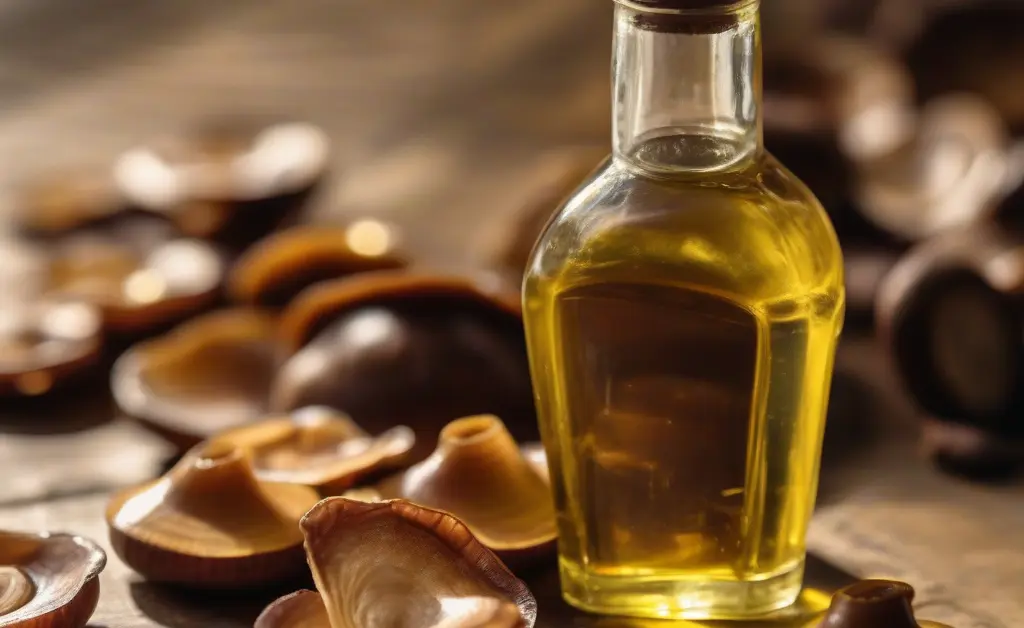
Reishi mushroom oil is a concentrated herbal extract derived from the Ganoderma lucidum fungus, commonly known as the reishi mushroom. This oil harnesses the bioactive compounds present in the mushroom’s fruiting body, mycelium, and spores, offering a potent form of this traditional medicinal mushroom. Known for its adaptogenic qualities, reishi mushroom oil is used to support natural wellness by modulating the immune response and combating oxidative stress. Its extraction typically preserves key phytochemicals such as polysaccharides, triterpenes, and beta-glucans, which contribute to its reputed health benefits.
Traditional Uses of Reishi Mushroom Oil
In traditional medicine systems, particularly in East Asia, reishi mushroom oil has been valued as a herbal remedy for promoting longevity and vitality. It has historically been used to enhance immune system function, relieve fatigue, and support liver detoxification processes. The oil was also applied topically to soothe skin irritations and maintain skin health, as well as consumed to encourage heart health and overall organ support. These traditional applications reflect the mushroom’s role as a natural adaptogen and immune system booster, making it a staple in natural wellness practices for centuries.
Differences Between Reishi Mushroom Oil and Other Mushroom Oils
While many mushroom oils are derived from various species, reishi mushroom oil is distinct due to its unique chemical composition and therapeutic profile. Unlike oils from culinary mushrooms, reishi mushroom oil contains higher concentrations of triterpenes and polysaccharides, compounds that contribute to its potent antioxidant properties and immune modulation capabilities. Additionally, reishi oil often includes extracts from mushroom spores, which are considered rich in bioactive compounds such as beta-glucans. These differences make reishi mushroom oil particularly valued as a nutraceutical and natural immune booster compared to other fungal extracts.
Health Benefits of Reishi Mushroom Oil

The health benefits of reishi mushroom oil are linked to its complex mixture of bioactive compounds, which have been studied for their ability to support various physiological functions. This oil is commonly associated with enhancing immune system resilience, reducing oxidative stress, and promoting organ health, particularly liver support. Its adaptogenic properties also contribute to fatigue relief and general wellness improvement, making it a sought-after natural antioxidant supplement within the herbal extract category. For those interested in natural supplements, the reishi mushroom supplement offers a complementary approach to wellness.
Potential Antioxidant Properties of Reishi Mushroom Oil
Reishi mushroom oil is recognized for its antioxidant properties, largely attributed to its triterpenes and polysaccharides content. These phytochemicals help neutralize free radicals, which can cause cellular damage and contribute to aging and chronic diseases. By mitigating oxidative stress, the oil supports the body’s natural defense mechanisms and may enhance overall vitality. The antioxidant effects of reishi mushroom oil are integral to its reputation as a fungal extract that promotes health at the cellular level, offering protection against environmental stressors.
Reishi Mushroom Oil in Skincare
In skincare, reishi mushroom oil is prized for its anti-inflammatory and antioxidant activities. It can help soothe irritated skin, reduce redness, and support the skin’s natural barrier function. The oil’s bioactive compounds promote skin hydration and may contribute to a more youthful appearance by combating oxidative damage. As a natural ingredient, it is often incorporated into topical formulations aimed at enhancing skin resilience and maintaining a healthy complexion.
Reishi Mushroom Oil and Immune System Support
One of the primary reasons reishi mushroom oil is sought after is its role as an immune system support agent. The oil contains beta-glucans and other polysaccharides known for their immune modulation effects, helping to balance and enhance the immune response. This immune booster action is commonly linked to improved resistance against pathogens and better regulation of immune system activity. In traditional medicine, this aspect of reishi mushroom oil underpins its use as a natural wellness supplement to sustain immune health, especially during periods of fatigue or stress. The immune support provided by reishi mushroom oil can be compared to other functional beverages like reishi mushroom coffee that also aim to boost health naturally.
Reishi Mushroom Oil and Organ Health
Reishi mushroom oil has been traditionally used to support the health and function of vital organs, most notably the liver and heart. Its antioxidant and anti-inflammatory properties contribute to protecting organ tissues from oxidative damage and promoting detoxification processes. The oil’s influence on liver support is particularly significant, as it may aid in neutralizing toxins and maintaining metabolic balance. Additionally, compounds within the oil are studied for their potential benefits in heart health, including circulation and vascular function, further emphasizing its role in holistic organ vitality.
Usage Guidelines for Reishi Mushroom Oil

When considering the use of reishi mushroom oil, it is important to recognize the variability in product formulations and labeling practices. The oil is available in multiple forms, including pure oil extracts, blends with mushroom spore oil, and encapsulated supplements. Due to differences in extraction and concentration, consumers should be attentive to product quality and sourcing. Traditional contexts emphasize daily use as part of a natural wellness routine, but exact intake levels vary widely. Awareness of the product’s potency and recommended approaches by manufacturers can aid in making informed decisions about incorporation into wellness regimens.
Methods of Applying Reishi Mushroom Oil
Reishi mushroom oil can be applied in various ways depending on the intended benefit. Topical application is common in skincare, where the oil is gently massaged onto the skin to harness its soothing and antioxidant effects. For internal consumption, the oil may be taken alone or included in formulations such as tinctures or capsules. Some users also incorporate the oil into massage blends or aromatherapy practices to enjoy its calming properties. The method of application can influence the oil’s absorption and efficacy, making it essential to choose forms aligned with personal health goals. Information comparing reishi mushroom oil with other supplements like reishi mushroom vs lions mane may help users decide the best supplement for their needs.
Storage and Shelf Life of Reishi Mushroom Oil
Proper storage of reishi mushroom oil is critical to maintaining its bioactive compound integrity and shelf life. The oil should be kept in a cool, dark place away from direct sunlight and heat sources to prevent oxidation and degradation. Many products come in dark glass bottles to further protect the oil from light exposure. Shelf life varies based on extraction method and formulation, but consumers should look for expiration dates and storage recommendations on packaging. Maintaining optimal storage conditions helps preserve the oil’s therapeutic potential over time.
Safety, Risks, and Precautions of Reishi Mushroom Oil
While reishi mushroom oil is generally regarded as safe for most individuals, certain precautions are advisable. As with any herbal extract, individual reactions can vary, and consumers should be aware of potential sensitivities or allergies. The oil’s interaction with pre-existing health conditions or medications warrants cautious consideration. Consulting healthcare professionals before beginning supplementation can help mitigate risks and ensure safe integration into wellness routines. Research studies on immune modulation and safety can be found on PubMed.
Who Should Avoid Reishi Mushroom Oil
Individuals with specific health conditions or those who are pregnant or breastfeeding may be advised to avoid using reishi mushroom oil. People with bleeding disorders or those scheduled for surgery should exercise caution due to the oil’s possible effects on blood clotting. Additionally, individuals with known allergies to mushrooms or fungal extracts should refrain from using the oil to prevent adverse reactions. Awareness of these factors is important to ensure safety and avoid unintended health complications.
Possible Interactions with Medications
Reishi mushroom oil may interact with certain medications, particularly those affecting the immune system, blood pressure, or blood clotting. Its immune modulation properties could potentially influence the effectiveness of immunosuppressive drugs or anticoagulants. Due to these considerations, individuals on prescription medications are encouraged to seek guidance from healthcare providers before incorporating reishi mushroom oil into their regimen. Monitoring for any unusual symptoms is also advisable during concurrent use.
What to avoid when taking reishi?
When using reishi mushroom oil, it is generally recommended to avoid combining it with substances that may exacerbate bleeding risk or interfere with immune function. High doses of alcohol or other hepatotoxic agents might counteract the liver support benefits traditionally associated with reishi. Additionally, concurrent use with other potent herbal supplements should be approached cautiously to prevent additive effects. Consumers are encouraged to maintain open communication with healthcare professionals to navigate potential interactions effectively.
Extraction Methods of Reishi Mushroom Oil
Extraction methods for reishi mushroom oil vary, affecting the concentration and spectrum of bioactive compounds present in the final product. Common approaches include solvent extraction, cold-pressing, and supercritical CO2 extraction. These techniques aim to isolate valuable phytochemicals such as triterpenes and beta-glucans while preserving the oil’s natural properties. The choice of method influences the oil’s purity, potency, and suitability for different applications, whether for dietary supplementation or topical use. Many enthusiasts also enjoy reishi in beverage form, such as reishi mushroom tea, as part of their wellness routine.
Reishi spore oil
Reishi spore oil is derived specifically from the spores of the Ganoderma lucidum mushroom, which are known to contain a high density of bioactive compounds. This oil is often regarded as more concentrated in certain polysaccharides and triterpenes compared to extracts from the mushroom body alone. The spores are carefully harvested and processed to retain their medicinal qualities, resulting in a potent fungal extract that complements traditional reishi mushroom oil. Reishi spore oil is valued for its potential in immune modulation and organ health support.
Ganoderma lucidum spores oil
Ganoderma lucidum spores oil represents a specialized form of reishi mushroom oil focusing on the spores’ unique phytochemicals. The extraction process aims to capture the full spectrum of bioactive compounds, including adaptogens and antioxidants, which contribute to the oil’s therapeutic profile. This oil is utilized in nutraceutical formulations and herbal remedies targeting immune system enhancement and fatigue relief. Its rich chemical composition makes it a sought-after option for those interested in the comprehensive benefits of medicinal mushrooms.
Chemical Composition of Reishi Mushroom Oil

The chemical composition of reishi mushroom oil is complex, encompassing a variety of bioactive compounds such as triterpenes, polysaccharides (including beta-glucans), sterols, and other phytochemicals. These constituents collectively contribute to the oil’s antioxidant, anti-inflammatory, and adaptogenic properties. The presence of these molecules underpins the oil’s reputed ability to support immune system function, reduce oxidative stress, and promote organ health. Variations in chemical profiles may occur depending on the mushroom strain, cultivation conditions, and extraction methods employed.
Environmental Impact of Reishi Mushroom Oil Production
The production of reishi mushroom oil involves considerations related to sustainability and environmental impact. Cultivation of Ganoderma lucidum mushrooms typically requires controlled environments that can minimize ecological disruption. Extraction methods that use eco-friendly solvents or low-energy processes help reduce the carbon footprint associated with manufacturing. Additionally, the use of mushroom mycelium and spores in oil production promotes the efficient utilization of the fungal resource. Sustainable practices in harvesting and production contribute to the long-term viability of reishi mushroom oil as a natural wellness product.
In summary, reishi mushroom oil is a multifaceted herbal extract derived from the Ganoderma lucidum fungus, known for its potential in supporting immune system health, enhancing skin care, and promoting organ vitality. Its rich chemical composition, including antioxidant properties and adaptogenic compounds, underlies its traditional and contemporary uses in natural wellness. Understanding the nuances of extraction methods, safe usage, and product quality can help consumers appreciate the unique benefits of reishi mushroom oil within a balanced health regimen.
Disclaimer: This article is intended for informational purposes only and does not constitute medical advice. The effects of reishi mushroom oil may vary among individuals, and it should not be used as a substitute for professional healthcare. Consult a qualified healthcare provider before beginning any new supplement or herbal product, especially if you have existing health conditions or are taking medications. The information presented here is based on current knowledge and research but is not exhaustive.
FAQ
— What are the main benefits of reishi mushroom oil?
Reishi mushroom oil is often associated with promoting relaxation and supporting overall wellness. It has traditionally been used to help manage stress and may contribute to antioxidant activity. Some users also explore it for its potential anti-inflammatory properties.
— How does reishi mushroom oil support the immune system?
Reishi mushroom oil contains compounds that are believed to interact with immune cells and may help regulate immune responses. This interaction could support the body’s natural defenses, although effects can vary depending on individual health conditions and other factors.
— Can reishi mushroom oil help with liver detoxification?
Certain components in reishi mushroom oil are traditionally referenced for their potential to support liver health. While some studies suggest it might aid liver function, definitive conclusions about detoxification require further scientific validation.
— Is reishi mushroom oil safe to use daily?
Generally, reishi mushroom oil is considered safe for many people when used appropriately, but individual reactions can differ. Consulting with a healthcare professional is advisable, especially for those with existing health concerns or who are taking medications.
— How should I take reishi mushroom oil for best results?
The method of consumption can depend on the product formulation and personal preference. Some people incorporate it into their diet or skincare routine, but specific guidance often depends on product recommendations and individual goals.
— What is the difference between reishi mushroom oil and reishi mushroom extract?
Reishi mushroom oil is typically a concentrated lipid-based preparation that captures fat-soluble compounds, while reishi mushroom extract may be water-based and contain a broader range of soluble components. This distinction influences how each product is used and the types of compounds they deliver.
— Are there any side effects associated with reishi mushroom oil?
Side effects are generally uncommon but may include mild digestive discomfort or allergic reactions in sensitive individuals. Monitoring for any adverse effects is important, especially when trying a new product.
— How is reishi mushroom oil made?
Reishi mushroom oil is usually produced by extracting the mushroom’s bioactive compounds using oils as solvents, often through processes like infusion or extraction. This method helps isolate fat-soluble substances for use in supplements or topical applications.