Reishi mushrooms have captivated both traditional medicine practitioners and mycology enthusiasts with their unique form and striking presence. Recognizing the specific attributes that define these fungi is essential for accurate identification and appreciation. This article explores the various aspects of reishi mushroom appearance, detailing their size, color, texture, and regional differences. By understanding these characteristics, readers will gain insight into what sets reishi mushrooms apart from other species and how environmental conditions influence their look throughout development. Whether for scientific study, herbal use, or natural curiosity, a clear grasp of these features enhances knowledge and appreciation of this remarkable fungus.
Overview of Reishi Mushroom Appearance
What does a reishi mushroom look like?
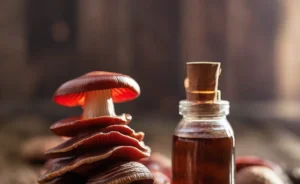
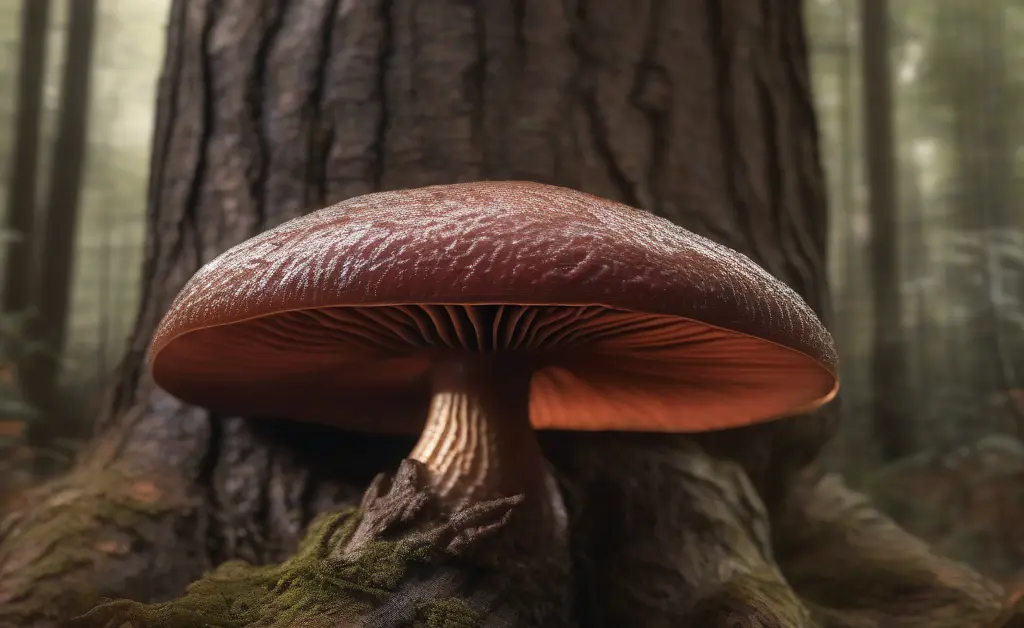
The reishi mushroom is instantly recognizable due to its distinctive shape and surface qualities. Typically, it exhibits a fan- or conk-shaped cap that grows horizontally from the wood of trees, giving it a bracket fungi appearance. One of the most notable visual mushroom characteristics is its shiny, almost lacquered surface that often features a reddish-brown color, though variations exist. The glossy surface distinguishes it from many other fungi, creating a visually striking contrast with its woody texture. This combination of shape and surface finish makes reishi mushrooms identifiable even at a glance, especially when compared with other wild mushrooms.
Identifying features of reishi mushrooms
Key identifying features of reishi mushrooms include their flat cap with a laccate (varnished) surface, which is smooth and often shows concentric growth rings that mark the progress of development. The cap edges are typically thin and may curve slightly inward. The stem, if present, tends to be tough and woody, blending seamlessly with the cap’s coloration. Additionally, the underside of the mushroom reveals a pore surface rather than gills, composed of tiny, densely packed pores through which spores are released. These pores are an essential characteristic for mushroom identification, differentiating reishi from many other fungi with gilled undersides.
Physical Characteristics of Reishi Mushroom
Typical Size Range
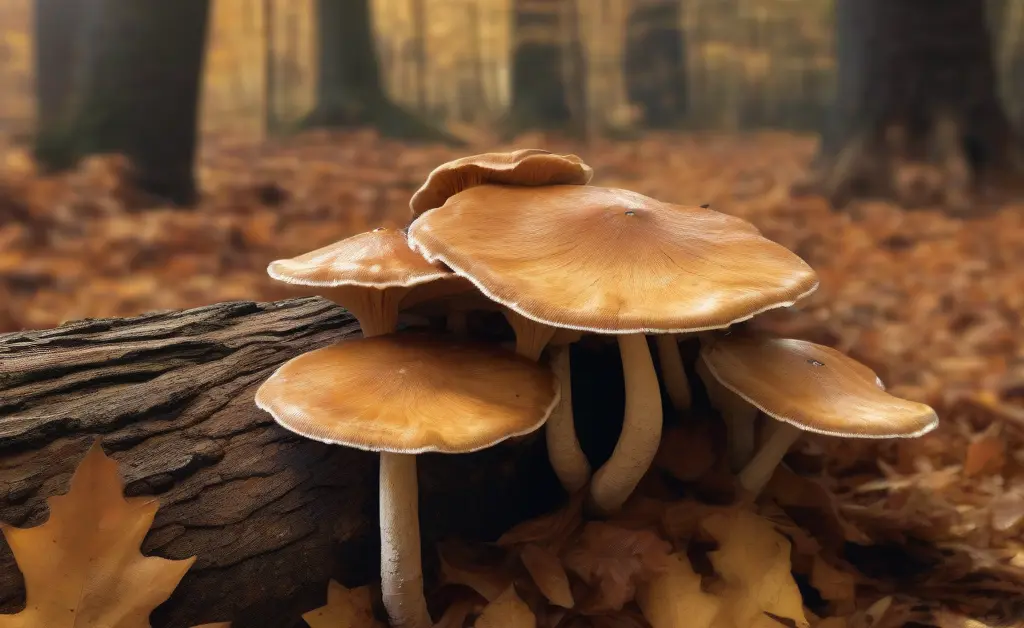
Reishi mushroom exhibit a size range that varies depending on environmental factors and growth conditions. Their overall dimensions can appear substantial relative to many other bracket fungi, with the cap spreading wide enough to be easily observed on host trees. The size of the reishi mushroom is influenced by the age of the fungal growth and the quality of its substrate, such as hardwood logs or stumps. Despite this variability, the robust and durable nature of the mushroom’s structure remains consistent, reflecting its adaptation as a perennial conk that persists through different seasons.
Key Visual Differences from Similar Mushrooms
Distinguishing reishi mushrooms from look-alike species requires attention to several visual cues. Unlike some other bracket fungi, which may present dull or matte surfaces, reishi’s glossy cap is a reliable indicator. Color is another differentiating factor; while many bracket fungi show muted or pale tones, reishi mushrooms commonly display a rich reddish-brown or even black coloration in some regions. The woody texture and the presence of growth rings on the cap further help separate reishi from species with softer or fuzzier surfaces. Awareness of these differences is crucial for mushroom identification, especially in foraging contexts where poisonous look-alikes may exist.
Cap Appearance, Color Variations, and Surface Features
Cap Shape and Structure
The cap of the reishi mushroom is typically fan-shaped or semicircular, often described as a conk shape growing outward in layers. This bracket fungi form is firmly attached to the substrate without a distinct stalk in many cases, although some specimens develop a short, sturdy stem. Structurally, the cap’s thickness varies, with younger caps being more tender and older ones becoming increasingly woody and hard. The surface is smooth and maintains a firm texture, which supports the weight of the growing fruit body over extended periods. This cap form not only defines the mushroom’s appearance but also plays a role in its reproductive biology by providing a broad surface for spore dispersal.
Color Range and Changes
Color variations in reishi mushroom appearance are influenced by both genetic and environmental factors. While the characteristic reddish-brown color is most commonly associated with this species, other hues such as darker blackish tones or lighter orange-red shades can occur depending on the specimen’s maturity and habitat. The color may deepen or become more intense as the mushroom ages, often accompanied by a shift in surface glossiness. This dynamic range of color helps in identifying different regional variants and growth stages, providing additional context for understanding the fungi appearance over time.
Surface Glossiness and Texture
One of the most defining features of the reishi mushroom cap is its glossy, varnished surface, often referred to as a laccate surface. This shiny appearance results from a natural resinous coating that protects the fruiting body and enhances its visual appeal. The texture beneath this gloss is smooth to the touch but reveals woody hardness upon closer inspection. This combination of glossiness and texture not only aids in species identification but also reflects the mushroom’s adaptation to its environment, helping to repel moisture and resist decay. The mushroom cap texture is a key factor that separates reishi from many other fungi with dull or velvety surfaces.
Stem and Underside Features of Reishi Mushroom
Stem Texture and Color
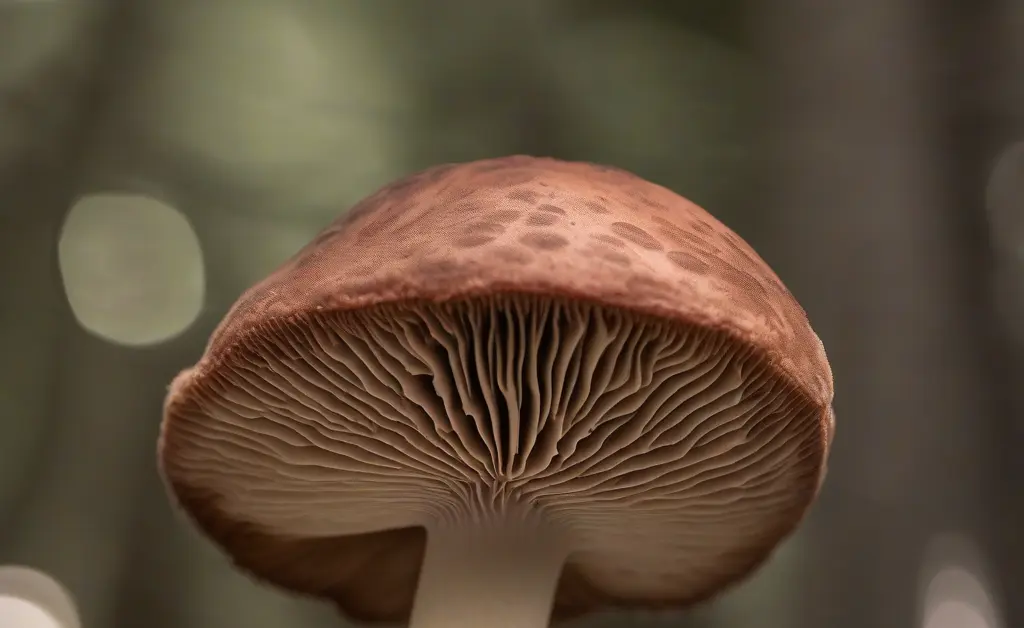
The stem of the reishi mushroom, when present, is typically short, thick, and exhibits a similar woody texture to the cap. Its coloration tends to blend seamlessly with the cap’s reddish-brown to black coloration, creating a unified appearance. The stem’s surface may be slightly rough or ridged, reflecting the growth patterns of the fungus. In some specimens, the stem is absent or barely noticeable, as the cap grows directly from the substrate. The presence and characteristics of the stem are important for detailed mushroom identification, especially when differentiating reishi from other bracket fungi that may have more conspicuous stalks.
Underside Pore Surface Characteristics
The underside of the reishi mushroom is covered with a dense layer of tiny pores rather than gills, a feature typical of many polypores. These pores are responsible for releasing spores and have a fine, even texture that can appear porous or honeycombed upon close examination. The color of the pore surface often ranges from white to pale cream but may darken as the mushroom ages. This pore structure is a crucial visual mushroom characteristic, aiding in the identification of reishi and distinguishing it from mushrooms with different spore-bearing surfaces. Additionally, the durability of the pore surface contributes to the reishi’s longevity as a perennial fruiting body.
Seasonal Changes in Reishi Mushroom Appearance
How environmental factors affect appearance
Environmental conditions such as humidity, temperature, and sunlight exposure have a significant impact on the appearance of reishi mushrooms. For example, higher moisture levels can enhance the glossiness of the cap, making the laccate surface more pronounced, while dry conditions might dull the mushroom’s sheen and toughen its texture. Temperature fluctuations influence color intensity and may accelerate the aging process, leading to changes in the reddish-brown hues toward darker black coloration. These external factors also affect fungal growth patterns, which in turn alter the overall size and shape of the mushroom, reflecting the delicate interplay between the organism and its habitat. For more detailed scientific information on medicinal fungi, resources such as NIH provide valuable insights.
Differences in appearance during growth stages
Throughout its development, the reishi mushroom undergoes notable changes in appearance. Early growth stages feature smaller, more tender caps with lighter color tones and less pronounced glossiness. As the mushroom matures, the cap expands, thickens, and develops the characteristic varnished surface and deeper reddish-brown colors. The woody texture becomes more dominant over time, and growth rings become more evident, marking successive phases of development. These changes help observers identify the age and vitality of the specimen, offering insights into its lifecycle and readiness for spore dispersal. Understanding these growth stages is essential for those studying reishi mushroom pictures or conducting field identification.
Common Variations in Reishi Mushroom Appearance by Region
Regional appearance variations
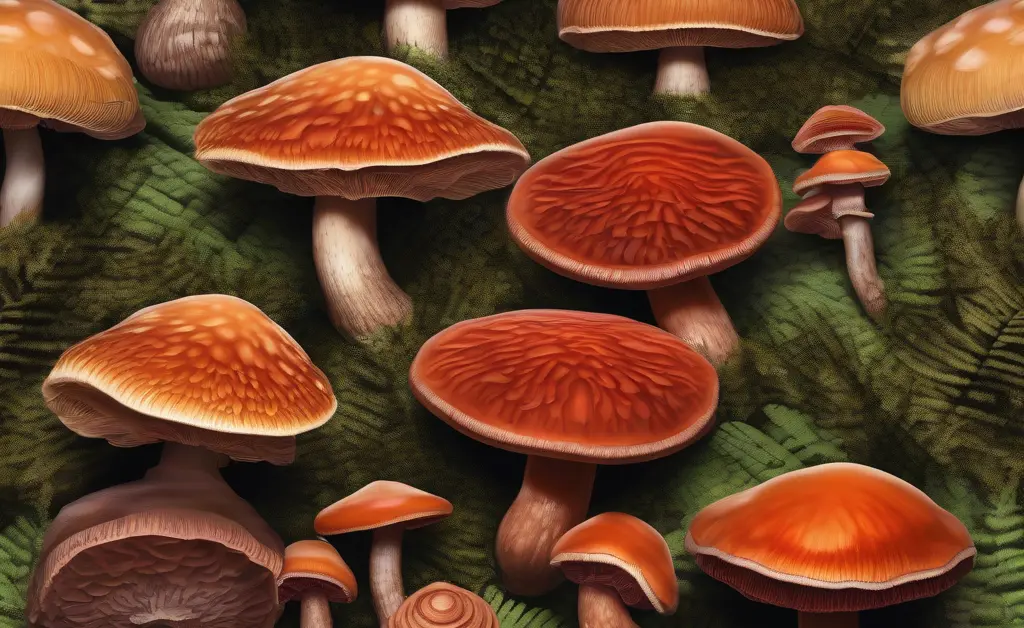
Reishi mushroom appearance can vary widely depending on geographic location and local environmental conditions. Regional differences often manifest in subtle shifts in color intensity, cap size, and stem prominence. For instance, specimens found in wetter climates may exhibit a more pronounced glossy surface and larger size, while those in drier regions might have a duller finish and reduced dimensions. Some areas might also produce reishi mushrooms with darker black coloration or slightly altered pore surface textures. These variations reflect the adaptability of the species and contribute to the diversity observed across different habitats. Recognizing regional traits is valuable for accurate mushroom identification and appreciating the ecological nuances of reishi fungi.
In summary, the reishi mushroom appearance is marked by several distinctive physical characteristics, including its glossy, reddish-brown cap, woody texture, and dense pore-bearing underside. These features, influenced by growth environment impact on appearance and seasonal changes, create a unique profile that sets reishi apart from other fungi. Awareness of regional variations further enriches understanding of this remarkable species. Whether encountered in the wild or studied through reishi mushroom pictures, these fungi present a fascinating example of nature’s diversity and complexity.
Disclaimer: This article is intended for informational purposes only and does not provide medical advice or treatment recommendations. Identification of wild mushrooms should be done cautiously and preferably with expert guidance, as some look-alikes may be toxic. Always consult a qualified professional before using mushrooms for health or dietary purposes. The information provided reflects current understanding but is subject to change as new research emerges.
FAQ
— What does a reishi mushroom look like?
A reishi mushroom typically has a shiny, varnished surface with a kidney or fan-shaped cap. Its texture is woody and firm, often appearing somewhat lacquered or glossy.
— How can I identify a reishi mushroom by its appearance?
Identification often involves noting the mushroom’s distinct cap shape, glossy surface, and concentric rings that vary in color. The presence of a tough, woody texture also aids in distinguishing it from other species.
— What colors are common in reishi mushrooms?
Common colors include various shades of red, brown, and orange, sometimes with lighter or darker bands creating a layered effect. These hues contribute to its distinctive, polished look.
— Does the appearance of reishi mushrooms change as they grow?
Yes, the coloration and surface texture may evolve, becoming more pronounced and glossy over time. Young specimens might appear less vivid, while mature ones develop a richer, lacquered finish.
— What are the unique visual features of reishi mushrooms?
Unique features include a shiny, almost lacquered cap, concentric color zones, and a tough, woody consistency. These traits set it apart from softer, more typical mushroom varieties.
— How does the stem of a reishi mushroom look?
The stem is usually tough and woody, matching the color tone of the cap but often a bit paler. It can be short relative to the cap size and is solid in structure.
— Are there seasonal differences in reishi mushroom appearance?
Seasonal variations might influence the intensity of color and the moisture content, affecting the mushroom’s sheen and firmness. However, the overall shape and defining features remain consistent throughout different seasons.