

Reishi mushroom has gained attention for its potential health benefits, particularly among those seeking natural ways to support wellness. For breastfeeding mothers, the decision to incorporate this supplement involves careful consideration of both their own health and the wellbeing of their infant. Understanding the implications of reishi mushroom and breastfeeding is essential to make informed choices. This involves examining the safety profile, possible benefits, and any risks associated with its use during lactation. By exploring current knowledge and expert guidance, nursing mothers can better navigate the use of this herbal remedy while ensuring optimal care for themselves and their babies.
Is Reishi Mushroom Safe for Breastfeeding Mothers?
Understanding Reishi Mushroom Components
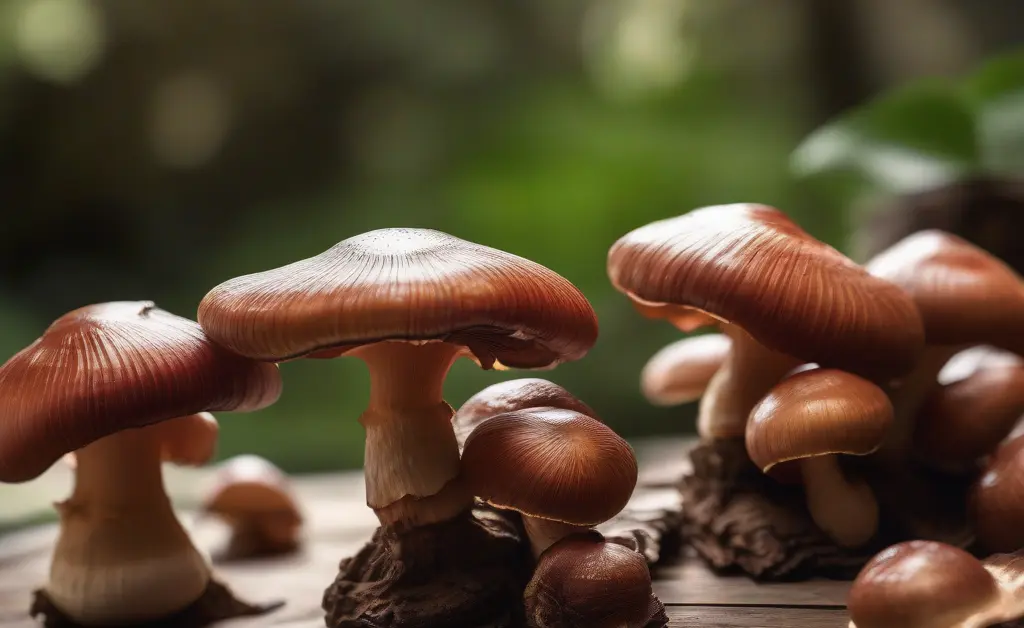
Reishi mushroom, scientifically known as Ganoderma lucidum, contains a complex array of bioactive compounds that contribute to its purported health effects. These include triterpenes, polysaccharides, and antioxidants, each playing a role in immune modulation and cellular protection. Triterpenes are believed to exhibit anti-inflammatory and adaptogenic properties, while polysaccharides may support immune system function by enhancing the activity of various immune cells. The antioxidant content helps combat oxidative stress, which can be beneficial for overall maternal health during the demanding postpartum period. Understanding these components is crucial, as they determine how reishi mushroom interacts with the body, including potential transfer through breast milk.
Differences Between Raw and Processed Reishi Mushroom
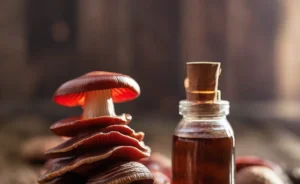
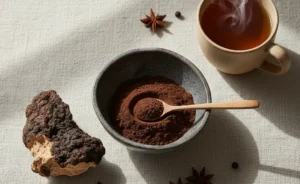
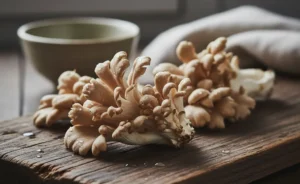
Raw reishi mushroom typically refers to the unprocessed fruiting body, which contains high levels of fibrous material and bioactive constituents in their natural state. Processed forms—such as extracts, powders, and capsules—often concentrate specific compounds like polysaccharides or triterpenes, enhancing bioavailability and potency. Processing methods can also reduce the presence of certain indigestible components, making supplements easier to absorb. For breastfeeding mothers, the distinction between raw and processed forms matters because concentrated extracts may deliver higher doses of active ingredients, potentially affecting safety and infant exposure differently than whole mushroom preparations. Additionally, quality control and standardization in processed products influence consistency and predictability of effects.
Potential Impact on Infant Health
The transfer of reishi mushroom compounds into breast milk remains an area with limited direct scientific data. While many of the mushroom’s bioactive substances are large molecules unlikely to pass into milk in significant amounts, some smaller metabolites or constituents might be secreted. The potential impacts on infant health are not well established, and concerns include possible allergic reactions or gastrointestinal disturbances in sensitive infants. Given the delicate nature of infant immune systems and the variability in individual responses, cautious consideration is warranted. Until more comprehensive research is available, the safety of reishi mushroom during breastfeeding should be approached conservatively with attention to any signs of intolerance in the nursing infant.
Potential Benefits of Reishi Mushroom for Breastfeeding Mothers
Immune Support Benefits for Breastfeeding Mothers
Breastfeeding mothers often experience increased immune system demands as they recover postpartum and care for their infants. Reishi mushroom’s polysaccharides have been traditionally associated with immunomodulatory effects, potentially enhancing the body’s ability to respond to infections and maintain overall immune balance. These properties may provide nursing mothers with additional resilience during periods of stress or exposure to pathogens. While these benefits are promising, it is important to recognize that current evidence is primarily based on traditional use and preliminary studies rather than definitive clinical trials focusing on lactating women. More details on the general reishi mushroom benefits can provide broader context to these effects.
Stress Reduction Effects of Reishi Mushroom
Adaptogenic herbs like reishi mushroom are commonly explored for their capacity to support the body’s response to stress. Postpartum stress and fatigue can affect maternal wellbeing and, indirectly, breastfeeding success. Reishi’s triterpenes and other phytochemicals are thought to contribute to calming effects and improved sleep quality, which may aid nursing mothers in managing the physical and emotional challenges of early motherhood. However, the extent to which reishi can alleviate stress specifically during breastfeeding has not been extensively studied, and any stress-relieving claims should be interpreted within the context of comprehensive self-care and professional support.
Possible Risks and Side Effects of Reishi Mushroom During Breastfeeding
When to Avoid Reishi Mushroom During Breastfeeding
Certain conditions warrant caution or avoidance of reishi mushroom supplementation by breastfeeding mothers. Women with known allergies to mushrooms or fungal products should refrain from use to prevent hypersensitivity reactions. Additionally, individuals taking medications that affect blood clotting or immune function should be particularly cautious, as reishi may interact with these drugs. If there is any uncertainty regarding personal health status or potential risks, it is advisable to delay use until consulting a healthcare professional. Breastfeeding mothers with infants showing signs of allergic reactions or digestive discomfort after maternal intake should also consider discontinuation of the supplement.
Monitoring for Adverse Reactions
Vigilant observation for any adverse effects is important when introducing reishi mushroom during lactation. Possible side effects reported in adults include mild gastrointestinal upset, allergic skin reactions, or changes in blood pressure, though these are generally uncommon. For nursing mothers, attention should also be given to the infant’s behavior and health, noting any unusual symptoms such as rash, fussiness, or changes in feeding patterns. Immediate consultation with a healthcare provider is recommended if any concerning signs arise. As with all herbal supplements, individual variability influences tolerability, making personalized monitoring essential.
Recommendations and Precautions for Breastfeeding Mothers Using Reishi Mushroom

Dosage Considerations for Nursing Mothers
Dosage guidelines for reishi mushroom during breastfeeding are not well established due to limited clinical research in this population. Traditional use and commercial product labeling may offer general recommendations, but these should be approached as informational rather than prescriptive. Nursing mothers often encounter variability in supplement formulations and potency, which complicates standardization of intake. Awareness of this variability is critical, as higher doses could theoretically increase the risk of side effects or infant exposure. Consulting product labels carefully and choosing reputable sources with transparent quality control practices can assist in making more informed decisions.
Guidelines for Herbal Supplement Use While Nursing
When considering any herbal supplement during breastfeeding, it is essential to follow general safety principles. This includes starting with the lowest effective amount, observing for any adverse effects, and avoiding combinations of multiple new herbs simultaneously. Maintaining open communication with healthcare providers about all supplements being taken helps ensure coordinated care and reduces the risk of interactions. It is also advisable to prioritize supplements with a history of traditional use and documented safety profiles in lactating populations, although such data for many herbs—including reishi—remain limited.
Alternatives to Reishi Mushroom for Breastfeeding Mothers
For mothers seeking natural support without the uncertainties surrounding reishi mushroom, other options may be considered. Mushrooms like turkey tail, maitake, or chaga have also been studied for their immunomodulatory properties, though their safety in breastfeeding requires similar caution. Non-mushroom alternatives include nutraceuticals and herbal remedies with established safety records during lactation, such as certain adaptogens or vitamin supplements. Ultimately, any alternative should be evaluated in context of personal health needs, potential benefits, and safety data, ideally under professional guidance. Information on the effects of reishi mushroom in men can provide a comparative perspective on its broad applications: see reishi mushroom benefits for men.
Consulting Healthcare Professionals About Reishi Mushroom and Breastfeeding
Importance of Medical Advice
Seeking professional medical advice is a critical step before incorporating reishi mushroom into a breastfeeding regimen. Healthcare providers can offer individualized assessment based on maternal health history, current medications, and infant considerations. They can also provide updates on the latest scientific findings and help weigh potential benefits against risks. Given the paucity of research specifically addressing reishi use during lactation, expert guidance helps ensure informed decision-making and minimizes the chance of unintended consequences.
Questions to Ask Your Healthcare Provider
When discussing reishi mushroom with a healthcare provider, nursing mothers may consider asking questions such as: What is known about the safety of reishi mushroom during breastfeeding? Are there any known interactions with my current medications? How might reishi supplementation affect my breast milk and my infant? What signs of adverse reactions should I watch for in myself and my baby? Are there safer alternatives for immune support or stress management during lactation? These inquiries facilitate a thorough dialogue and help tailor recommendations to individual circumstances.
Scientific Studies on Reishi Mushroom and Lactation

Scientific investigations into reishi mushroom have primarily focused on its immunomodulatory, anti-inflammatory, and adaptogenic properties in general adult populations. Research specifically addressing its use during pregnancy or breastfeeding remains sparse, with limited data on pharmacokinetics, breast milk transfer, or effects on infant health. Some studies have explored Ganoderma lucidum’s bioactive compounds in laboratory settings, but clinical trials involving lactating women are lacking. This gap highlights the need for cautious interpretation of potential benefits and risks. Comparative studies involving other medicinal mushrooms like turkey tail or maitake provide some insight into the broader category of functional mushrooms but do not substitute for targeted research on reishi in the context of lactation. Notably, some published findings can be accessed via NIH.
Given these limitations, current recommendations rely heavily on traditional medicine practices, in vitro and animal studies, and expert opinion. Ongoing research may elucidate more definitive conclusions in the future, but until then, breastfeeding mothers should approach reishi mushroom use with informed caution and professional consultation.
Understanding the nuances of reishi mushroom and breastfeeding is essential for nursing mothers considering this supplement. While reishi offers potential immune support and stress reduction benefits, its safety profile during lactation is not fully established. Careful consideration of product types, possible infant effects, and professional medical guidance can help ensure that both maternal health and infant wellbeing are prioritized.
Disclaimer: This article is intended for informational purposes only and does not constitute medical advice. The safety and efficacy of reishi mushroom during breastfeeding have not been fully established through clinical research. Breastfeeding mothers should consult qualified healthcare professionals before starting any new supplements or herbal remedies. Individual responses may vary, and professional guidance is essential to address personal health considerations and avoid potential risks.
FAQ
— Is it safe to take reishi mushroom while breastfeeding?
The safety of reishi mushroom and breastfeeding is not well established due to limited scientific studies. It is generally recommended to exercise caution with any supplement during this period unless advised by a healthcare professional.
— Can reishi mushroom affect breast milk production?
There is no conclusive evidence that reishi mushroom directly influences breast milk production. Some traditional sources suggest it might have an effect on hormonal balance, but clinical data supporting this in nursing mothers is lacking.
— Are there any side effects of reishi mushroom for nursing mothers?
Potential side effects of reishi mushroom for nursing mothers are not thoroughly documented. Some individuals might experience mild digestive upset or allergic reactions, but specific risks for breastfeeding women remain unclear.
— What do experts say about reishi mushroom use during breastfeeding?
Experts often advise caution when considering reishi mushroom during breastfeeding due to insufficient research. Medical professionals typically recommend avoiding supplements without confirmed safety profiles in nursing mothers.
— Should breastfeeding mothers avoid herbal supplements like reishi mushroom?
Breastfeeding mothers are usually encouraged to be cautious with herbal supplements like reishi mushroom because natural does not always mean safe. Consulting with a healthcare provider before use is important to assess potential benefits and risks.
— How does reishi mushroom interact with breastfeeding hormones?
Reishi mushroom is sometimes discussed for its potential impact on the immune system and hormonal regulation, but specific interactions with breastfeeding hormones are not well understood. More research is needed to clarify any effects on lactation hormones.
— Can reishi mushroom cause allergic reactions in infants?
While direct allergic reactions in infants from maternal consumption of reishi mushroom are rare, the possibility cannot be entirely ruled out. Infants may be sensitive to compounds passed through breast milk, so monitoring for any unusual symptoms is advisable.
— What precautions should be taken when using reishi mushroom while breastfeeding?
If considering reishi mushroom during breastfeeding, it is essential to consult a healthcare professional first. Monitoring for adverse reactions in both mother and infant and avoiding unverified products can help minimize potential risks.